


Google's December 8 Android XR showcase promises to be a defining moment for the future of wearable computing. The company will livestream a comprehensive look at how artificial intelligence meets extended reality, with Gemini taking center stage in what's being billed as a 30-minute deep dive into conversational, contextual XR experiences. This isn't just another product announcement—it's Google's bold statement about where computing is headed next.
The timing couldn't be more strategic. Samsung's Galaxy XR headset launched at $1,799, establishing the foundation for what's quickly becoming a comprehensive Android XR ecosystem. Google's partnership with Samsung, Qualcomm, and major eyewear brands signals a unified approach that could fundamentally reshape how we interact with both digital and physical environments. More importantly, this timing positions Google to capitalize on a critical inflection point where AI capabilities, display miniaturization, and consumer readiness are finally converging.
Gemini's starring role in XR transformation
What sets Android XR apart isn't just another operating system—it's the integration of AI as the primary interface. Gemini offers route suggestions, personalized information, and historical facts based on what you're looking at, creating experiences that feel genuinely contextual rather than reactive. The December showcase will demonstrate how users can have more conversational, contextual, and helpful experiences with Gemini as their constant companion.
The practical applications go far beyond typical voice assistants. Google showed at I/O how Gemini uses XR device cameras to log real-world item locations, enabling users to later ask "Hey Gemini, where did I leave my keys?" and receive visual guidance. This capability transforms everyday object management into a seamless, spatial computing experience.
Think about how this changes daily workflows. Instead of frantically searching through your home, Gemini creates a persistent visual map of your environment, tracking not just where you've placed items, but understanding their context and importance. Android XR bakes multimodal AI directly into smart glasses, not as an afterthought but as the core interaction paradigm. This represents a fundamental shift from reactive voice assistants to proactive spatial intelligence that anticipates needs based on visual context, location patterns, and temporal behaviors.
The ecosystem advantage that could change everything
Google's approach differs fundamentally from competitors by leveraging existing Android infrastructure. Android XR devices can run familiar mobile and tablet apps from Google Play out of the box, giving users immediate access to productivity and entertainment options. Standard Android apps like Google Photos, Maps, and YouTube are fully supported, with Maps allowing exploration of streets and businesses in stitched-together 3D spaces.
This app compatibility isn't just convenience—it's the foundation for Google's larger ecosystem strategy. Rather than forcing users to abandon familiar workflows, Google is extending them into three-dimensional space while adding AI-powered enhancements. Google Photos transforms flat images into layered, quasi-3D scenes, while YouTube gains dedicated spatial tabs for immersive content. The result is an ecosystem that feels familiar yet expanded, reducing adoption friction while opening new interaction possibilities.
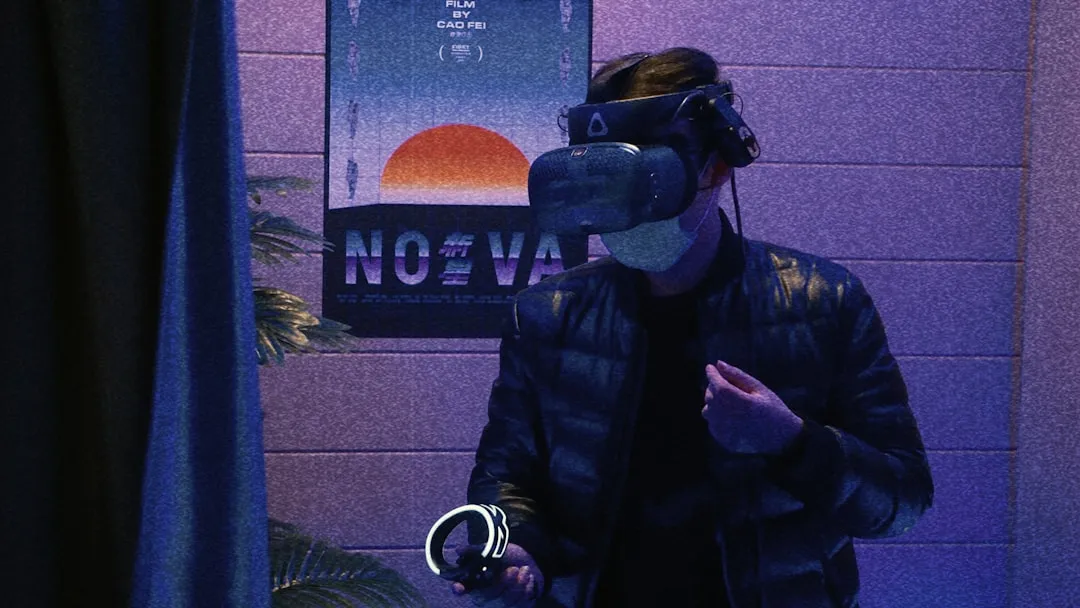
The platform strategy extends across device categories seamlessly. Android XR covers both headsets and glasses, creating a unified ecosystem that enables transitions between headset training and glasses deployment. Samsung's approach connects cameras embedded throughout devices, unlike Meta's more isolated setup, creating truly interconnected experiences across smartphones, watches, glasses, and headsets.
This cross-device continuity addresses a critical challenge that has plagued previous XR attempts: device fragmentation. You can start a complex design task on your headset, continue reviewing details through smart glasses during a commute, and finalize decisions on your phone—with Gemini maintaining context and continuity across all touchpoints. This seamless handoff between form factors could be the key to mainstream XR adoption.
Smart glasses: the next computing frontier
The December showcase will likely emphasize smart glasses as the ultimate AI form factor. Samsung's smart glasses plan faces timing challenges but is expected to arrive in 2026, positioning them to capitalize on what analysts predict will be explosive growth in lightweight, eyeglass-type AI devices. Google's partnerships with Warby Parker, Gentle Monster, and Kering Eyewear demonstrate serious commitment to making XR wearables both functional and fashionable.
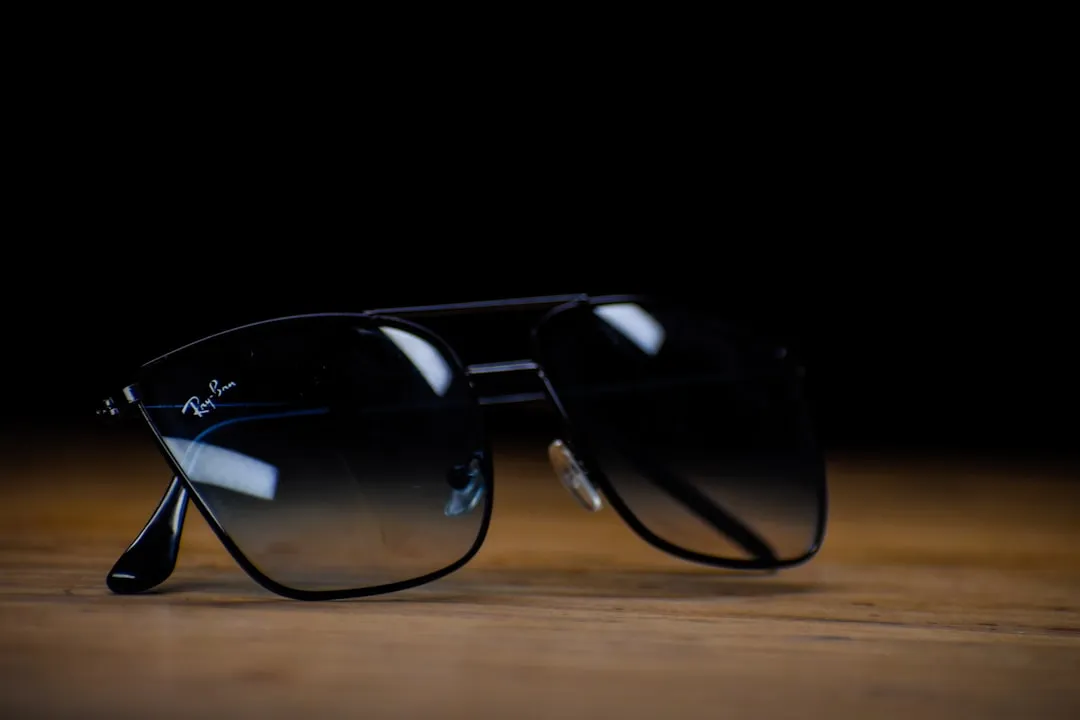
The technical capabilities represent a significant leap beyond current smart glasses offerings. Gemini can aid with visual input and offer screen information, something Meta's Ray-Ban Smart Glasses can only do audibly. This visual component introduces new levels of privacy, contextual richness, and interaction precision that audio-only systems simply cannot match. Users receive contextual overlays that enhance rather than interrupt their view of the world, maintaining social acceptance while providing genuine utility.
The breakthrough moment for real-world adoption? Android XR glasses demonstrated live language translation, showing potential to break down language barriers and provide subtitles for the real world. This capability extends beyond travel convenience into global commerce, international business, cross-cultural education, and accessibility applications that could make these glasses indispensable for millions of users worldwide.
Google's investment strategy reveals how seriously they're taking market leadership in this space. Google has pledged up to $75 million to support Warby Parker's development efforts, with additional funding contingent on hitting specific milestones. This isn't experimental funding—it's the kind of committed partnership investment that indicates Google views smart glasses not as speculative technology, but as the inevitable next computing platform.
Where Android XR heads next
December 8 represents more than a product showcase—it's Google's declaration that the future of computing is contextual, conversational, and seamlessly integrated into daily life. The Android XR revolution is gaining serious momentum heading into 2026, with Google's open-ecosystem strategy sparking innovation across fashion, tech, and enterprise sectors.
This moment represents the convergence of several critical technological trends that Google has been building toward for years. AI has reached the sophistication needed for meaningful visual context interpretation, display technology has miniaturized sufficiently for comfortable all-day wear, battery efficiency enables practical wearables, and most importantly, consumer acceptance of AI-powered devices has reached mainstream levels. Google's ecosystem investments—from spatial computing features in Maps to Cinematic photos in Google Photos to large-screen optimizations in Android—suddenly reveal themselves as building blocks for this XR future.
As hardware, software, and design converge like never before, the question isn't who will launch first, but who will make XR truly indispensable. Google's December showcase will reveal whether they've successfully learned from past attempts like Google Glass by emphasizing privacy safeguards, style partnerships, and AI-driven utility over flashy technology demonstrations.
The livestream promises to showcase how Gemini's main character energy transforms XR from a novelty into an essential computing platform. With partnerships spanning from Samsung's premium headsets to fashionable smart glasses from established eyewear brands, Google is positioning Android XR as the unified platform that finally makes extended reality accessible, useful, and genuinely transformative for everyday users.
If Google succeeds in demonstrating that XR can solve real problems rather than create impressive demos, December 8 might be remembered as the moment when extended reality stopped being about the future and started being about transforming how we work, communicate, and navigate the world today.










Comments
Be the first, drop a comment!