


When you look at the landscape of wearable technology today, it's hard not to get excited about what Google's building with Android XR. This isn't just another tech platform launch—it's Google's comprehensive strategy to become the foundation for how we'll interact with digital content in the years ahead. And the timing couldn't be more strategic.
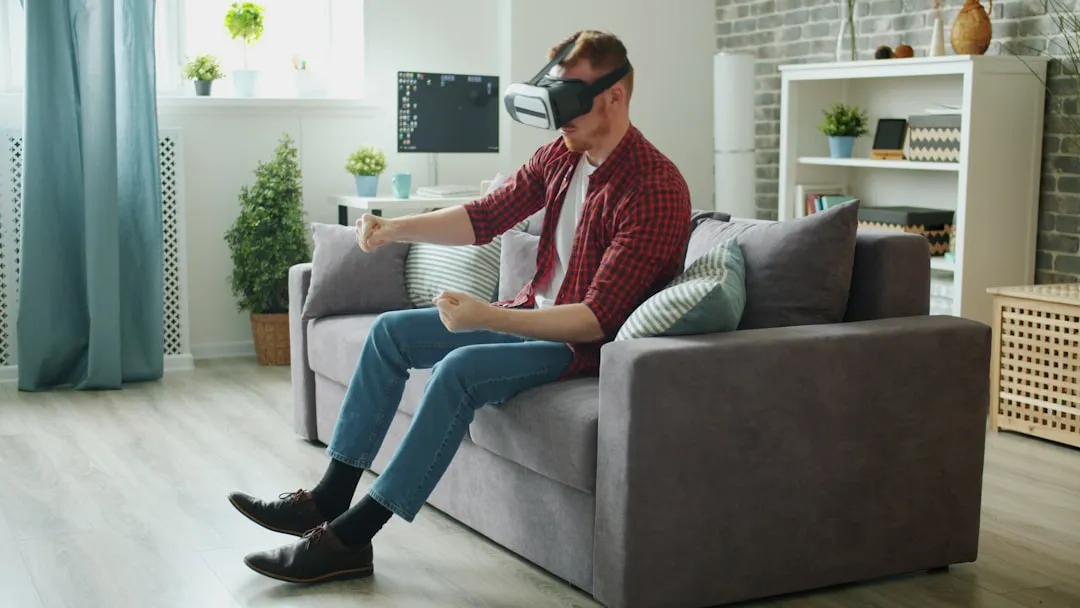
While Meta has been capturing headlines and market share with their Quest headsets, and Apple made waves with their premium Vision Pro, Google is positioning Android XR as an open, AI-native platform that could unite what's currently a fragmented XR ecosystem. What's particularly strategic here is how Google is leveraging their greatest strength—creating platforms that multiple manufacturers can adopt, customize, and build upon. It's the same playbook that made Android dominant in smartphones, applied to what could be the next major computing paradigm shift.
Strategic partnerships building the XR ecosystem
Rather than attempting to build everything in-house like Apple, Google is executing a collaborative strategy that could prove decisive. The company has forged key partnerships with Samsung for headsets and XReal for smart glasses development kits, while collaborating with established eyewear brands like Gentle Monster and Warby Parker to ensure their devices actually look stylish enough for everyday wear—addressing one of the persistent challenges that has hindered mainstream XR adoption.
Samsung's Project Moohan headset will be the first commercial Android XR device, launching in 2025 and powered by Qualcomm's Snapdragon XR2+ Gen 2 processor. This partnership approach allows Google to leverage Samsung's manufacturing expertise and market presence while focusing on platform development and ecosystem building.
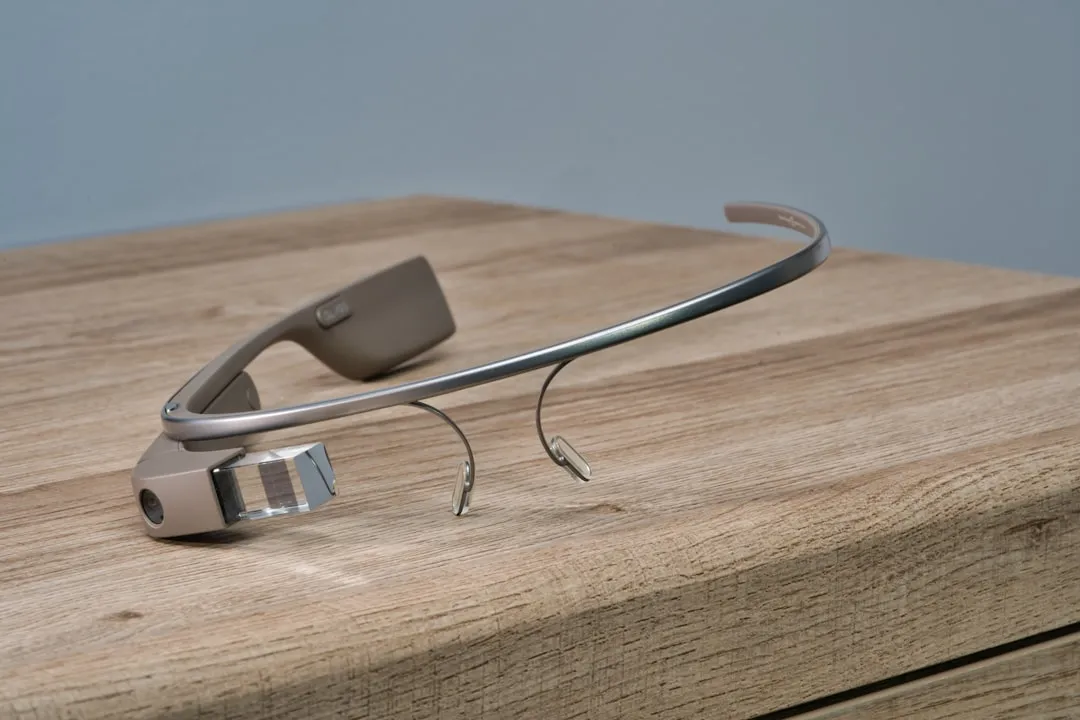
The smart glasses development reveals even more about Google's long-term vision. Google's development kits feature waveguide displays that combine embedded microprojectors with specially etched lens patterns, directing images directly into users' eyes. These completely wireless devices connect to Android phones for processing power—a design choice that keeps the glasses lightweight while leveraging the computing power people already carry.
The modular approach extends to display options. The lightweight monocular version weighs just 1.73 ounces, while the binocular version can produce stereoscopic 3D images with depth, giving developers flexibility to create experiences tailored to specific use cases and price points. This hardware modularity mirrors the platform's software approach—you only implement the complexity your application actually requires.
The Android ecosystem advantage
Google's most significant competitive advantage lies in building upon infrastructure that millions of developers already understand and billions of users already trust. The platform builds on the established Android ecosystem, allowing existing third-party apps, widgets, and hardware products to transition fluidly into spatial environments. This gives Google a substantial head start over competitors who must build their software ecosystems from scratch.
Consider the developer experience: Android XR supports familiar tools like Android Studio, Kotlin, and Jetpack libraries, while also embracing open standards like WebXR and OpenXR. Google has partnered with Unity to create dedicated Android XR packages, ensuring developers can use whatever development environment they prefer. Apps will be distributed through the Google Play Store with automatic updates, monetization tools, and analytics—all the infrastructure that makes a platform viable for businesses.
This ecosystem approach addresses a critical challenge in XR development: the fragmentation that has slowed industry growth. Instead of asking developers to learn entirely new paradigms, Google is extending familiar concepts into spatial environments. When you consider that millions of developers already understand Android and billions of people use Android devices daily, this foundation provides significant network effects that competitors will struggle to replicate.
Gemini AI: The contextual computing breakthrough
The integration of Gemini AI represents perhaps the most significant differentiation in Android XR's approach. Android XR is the first Android platform built in the Gemini era, with the AI assistant designed to see and hear what users experience, understanding context and providing proactive assistance throughout the day.
The practical applications demonstrate genuine utility beyond novelty features. Google Maps provides turn-by-turn directions with directional arrows and full maps displayed in the glasses, fundamentally changing navigation experiences. Gemini can identify objects like food items and provide cooking instructions or nutritional information. The glasses will break down language barriers by providing real-world subtitles, making international communication more accessible.
This AI integration represents a shift from reactive interfaces toward genuinely predictive computing. Rather than waiting for explicit commands, the system understands environmental context and offers relevant assistance—a capability that becomes exponentially more valuable when computing interfaces are literally overlaid on your field of vision.
Enterprise applications and market positioning
While consumer applications capture attention, Android XR's enterprise potential reveals the platform's broader strategic value. Enterprise spending on AR and VR is projected to rise nearly 20 percent this year to about $12 billion worldwide, indicating substantial business demand for practical XR solutions.
Google's platform approach enables enterprises to develop custom applications using familiar Android tools while integrating with existing business systems. The ability to run standard Android apps in spatial environments means companies can extend current productivity workflows rather than completely redesigning them for XR interfaces. This reduces both development costs and user training requirements—critical factors for enterprise adoption.
The 2026 ecosystem expansion
Google's roadmap extends well beyond current prototypes, with smart glasses from partners like Warby Parker and Gentle Monster expected in 2026. Significantly, these devices will support both Android and iOS, demonstrating Google's commitment to maximizing market reach rather than limiting the platform to Android users.
This cross-platform approach reflects strategic thinking about AI deployment. The goal is giving multimodal Gemini capabilities to as many people as possible, regardless of their smartphone preference. By prioritizing AI service distribution over platform exclusivity, Google positions Android XR as infrastructure rather than just another consumer electronics category.
Market projections support this ambitious vision. The global XR market could reach $97 billion by 2028, driven by advances in display technology, processing power, and AI capabilities. Google's open platform approach could capture significant market share by enabling multiple hardware partners to innovate while sharing common software infrastructure—the same strategy that made Android successful in smartphones.
Defining the next computing paradigm
Google's Android XR strategy represents a fundamental approach to platform development that extends beyond product launches into infrastructure building. By combining proven Android development tools, strategic hardware partnerships, and advanced AI capabilities, Google is creating an open ecosystem that could democratize XR development much like Android democratized mobile computing.
The platform's success will depend on execution and developer adoption, but Google's use of its existing Android ecosystem could give Android XR a significant edge over competitors building from scratch. When millions of developers already understand the development environment, billions of people use compatible devices, and distribution infrastructure already exists, the barriers to ecosystem growth are substantially lower than for closed platforms.
As we approach 2026 and beyond, Android XR may establish the foundation that transforms mixed reality from an emerging technology into an essential computing interface. The strategic question isn't whether XR will become mainstream—it's whether Google's open, collaborative approach will define how that transformation happens, creating the infrastructure for how we'll work, learn, and connect with both digital and physical environments for years to come.










Comments
Be the first, drop a comment!