


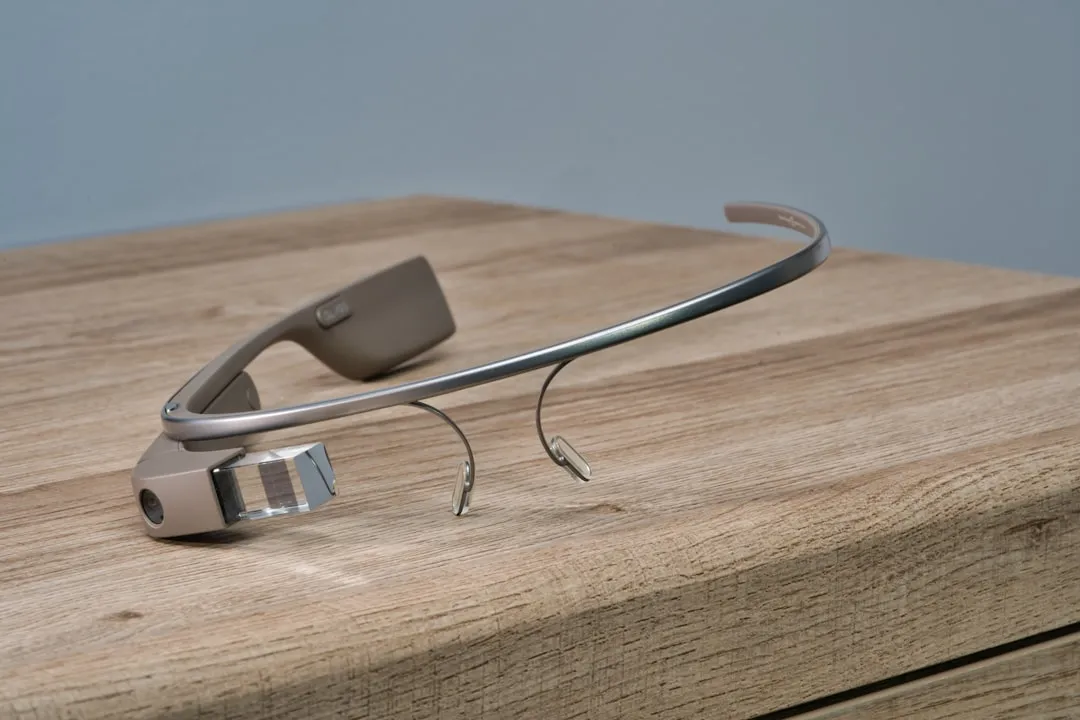
Google's extended reality (XR) strategy represents more than just another attempt at smart glasses—it's a comprehensive ecosystem play designed to bring spatial computing to mainstream consumers. Google has laid out a full roadmap for lightweight Android XR glasses designed for everyday wear, spanning three distinct device categories that address different user needs and comfort levels with emerging technology.
What makes this approach particularly strategic is Google's recognition that XR adoption won't happen overnight through a single breakthrough device. Instead, they're creating multiple entry points that allow users to gradually acclimate to spatial computing, from basic AI assistance to full mixed-reality experiences. This methodical rollout demonstrates Google's commitment to addressing the fundamental barriers that have prevented smart glasses from achieving mainstream success.
The three-tier adoption strategy
Google's most significant insight lies in recognizing that consumers need different pathways into XR technology. Google is revealing plans for three types of Android XR glasses that create a natural progression from familiar interactions to advanced spatial computing.
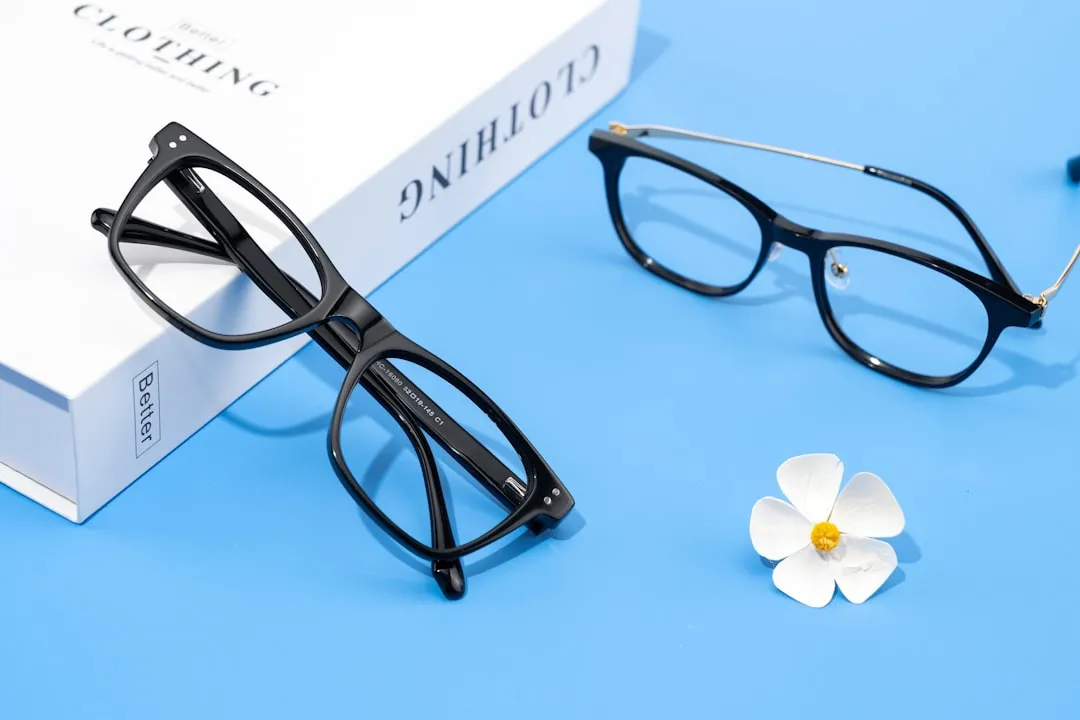
The foundation starts with audio-only smart glasses, slated for a 2026 release. These devices prioritize simplicity, appearing as regular eyewear while packing sophisticated AI capabilities. They're designed to be a simple, hands-free assistant that connects wirelessly to your smartphone. The onboard cameras allow Gemini to "see" what you see and assist you, like taking photos or providing answers.
This approach directly addresses the social stigma that plagued earlier smart glasses attempts. By keeping the technology invisible and focusing on practical AI assistance, Google removes the biggest barrier to adoption—looking like you're wearing a tech prototype in public.
The monocular glasses represent the next evolution, also targeting a 2026 launch. This style takes the audio-first model and adds a discreet micro display over one lens. The single-eye approach is brilliant—it provides visual information without the cognitive overload that can come from dual displays. Google showed demos including YouTube Music controls, turn-by-turn navigation in Maps, Uber status updates, and deeper Gemini integration.
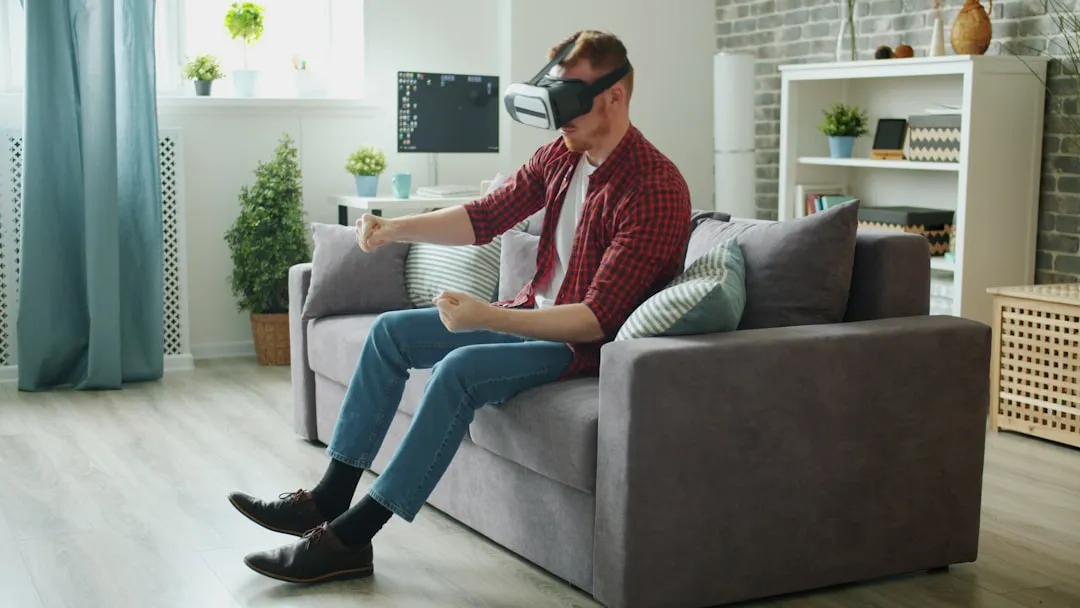
The progression culminates with binocular XR glasses, possibly arriving in 2027, featuring dual micro-displays. With a screen for each eye, these glasses can render depth, unlocking true mixed-reality visuals without the bulk of a traditional headset. This represents the full realization of Google's XR vision—headset-level mixed-reality capabilities in a socially acceptable form factor.
Technical foundations enabling mainstream adoption
The success of Google's strategy depends on solving fundamental technical challenges that have limited previous smart glasses attempts. The key breakthrough lies in the processing architecture: instead of cramming powerful processors into the glasses themselves, Google leverages your phone as the computing engine. The two Google development kits are wireless, run on batteries, and connect to an Android phone for software processing.
This phone-centric approach keeps the glasses lightweight while accessing computational power you're already carrying. The monocular version weighs just 1.73 ounces (49 grams), making them comparable to heavier traditional eyewear. This weight reduction comes from using waveguide displays that are limited in field of view and resolution, but are smaller and lighter than other displays.
For more advanced applications, Google's partners are exploring alternative approaches. Project Aura uses bulkier prisms instead of waveguides, offering a 70-degree field of view. Project Aura is a fully self-contained Android XR device, connecting through a wire to a phone-sized control box with a Snapdragon XR2+ Gen 2 processor.
The interaction model represents another significant innovation. Project Aura supports hand-tracking and gestures, and can open multiple apps, connect to a computer, and run games. The control system requires no controller or touchpad—just pointing and pinching. This natural interaction method eliminates the learning curve that has historically limited XR adoption.
Building the platform ecosystem
Google's most significant competitive advantage lies not in any single device, but in creating a comprehensive platform strategy. Android XR officially supports AI glasses, display glasses, wired XR glasses, and traditional headsets, providing developers with a single ecosystem to work with through the Android XR SDK.
This unified approach addresses the fragmentation that has historically hindered XR adoption. Developers can create applications that work across different device categories, from simple audio glasses to full mixed-reality headsets. The Android XR platform aims to bring consistency to mixed reality headsets and smart glasses, addressing the fragmentation that has hindered the category's growth.
The strategic partnerships demonstrate Google's commitment to creating devices that succeed both technically and commercially. Google confirmed at I/O that it's co-designing these styles with Gentle Monster and Warby Parker, leveraging established fashion brands' expertise in creating socially acceptable eyewear. This partnership approach directly addresses one of Google Glass's biggest failures—looking like a tech prototype rather than something people would actually want to wear.
The development timeline reflects careful ecosystem planning. While retail-ready Android XR smart glasses might not be available until late 2026 at the earliest, developers can access development kits next year. This timeline allows for substantial ecosystem development before consumer launch, potentially avoiding the app shortage issues that plagued earlier XR platforms.
Competitive positioning and market implications
Google's three-tiered approach creates significant pressure on competitors who have focused on single-product strategies. Meta's Ray-Ban smart glasses have been successful but lack displays entirely, while Apple's rumored smart glasses remain in development. Google's comprehensive platform strategy positions them to capture users across multiple adoption stages while building developer momentum.
The Android ecosystem advantage cannot be overstated. Just as Android phones succeeded through diversity and choice rather than single flagship devices, Android XR provides the platform for multiple hardware partners to innovate. This approach creates network effects where more developers building for the platform make it more attractive to hardware manufacturers, and vice versa.
Perhaps most importantly, Google's staggered device approach acknowledges that smart glasses adoption will be gradual rather than immediate. By providing entry points for different user comfort levels—from invisible AI assistance to full mixed reality—Google creates multiple opportunities to capture users as they become ready for more advanced spatial computing experiences.
The implications extend beyond individual devices to how we'll interact with information in daily life. Google's integration of Gemini AI across all device categories suggests a future where intelligent assistance becomes as natural as wearing glasses. The success of this comprehensive platform approach could determine whether XR becomes a mainstream computing paradigm or remains a niche technology, making Google's strategy both ambitious and crucial for the industry's evolution toward spatial computing.









Comments
Be the first, drop a comment!