



The mixed reality landscape just shifted in a way that might seem counterintuitive at first glance. Meta's Phoenix mixed reality glasses were supposed to arrive in late 2026, but the company has shifted the launch window to early 2027. The postponement reflects CEO Mark Zuckerberg's directive to prioritize product quality and business sustainability over rushing to market, according to Business Insider. This strategic pivot comes as Meta's Reality Labs division faces potential budget reductions of up to 30%, signaling a more cautious approach to the company's metaverse investments, reports suggest.
Here's what makes this particularly significant: for a company that built its empire on the "move fast and break things" mentality, this calculated pause represents a fundamental shift toward sustainable innovation rather than speed-at-all-costs execution. We're witnessing Meta's recognition that the mixed reality market demands proven value propositions, not just impressive demonstrations.
Why Meta hit the brakes on Phoenix
The delay stems from high-level discussions between Zuckerberg and his Reality Labs leadership team. Internal communications reveal that the CEO emphasized making the business sustainable while delivering higher-quality user experiences, as reported by Business Insider. Meta executives Gabriel Aul and Ryan Cairns communicated to employees that the extended timeline provides significantly more development time to perfect critical details, according to TechCrunch.
The Phoenix project represents a highly complex engineering challenge involving major updates to core user experience systems. VP of Reality Labs Foundation Maher Saba noted that while timelines are extending, development teams aren't expected to add extra features—the focus remains on refinement and reliability, CoinCentral reports. This constraint-driven approach directly contradicts the tech industry's typical feature-creep mentality, suggesting Meta has internalized hard lessons about sustainable product development.
The financial pressures driving this decision can't be ignored. Reality Labs posted $4.4 billion in losses just last quarter, and Meta has invested over $50 billion in metaverse technologies since 2021. When facing potential budget cuts of up to 30%, the luxury of perfectionism transforms into operational necessity. Zuckerberg's emphasis on sustainable business models reflects not just strategic wisdom, but survival instincts in a market that hasn't yet validated massive mixed reality investments.
What makes Phoenix different from existing headsets
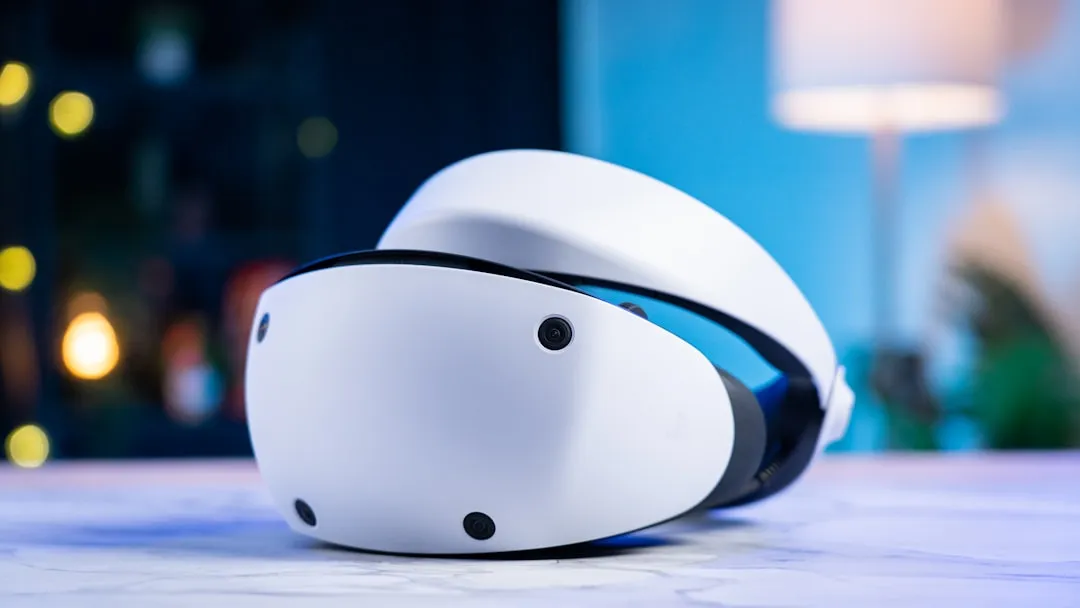
Phoenix features a goggle-style design paired with an external power module, creating a form factor that resembles Apple's Vision Pro while addressing weight and thermal concerns. The device weighs approximately 100 grams, making it significantly lighter than high-end competitors, according to CoinCentral. The external puck handles additional processing power, allowing the headset itself to remain comfortable for extended wear sessions.
While Apple pursued an all-in-one premium approach, Meta is betting on distributed processing architecture. Unlike premium headsets, Phoenix will feature lower-resolution displays and more modest computing performance, positioning it as a more accessible mixed reality option. The device was previously codenamed "Puffin" before becoming Phoenix, and prototypes suggest a design philosophy focused on comfort over raw technical specifications, Indian Express notes. This accessibility-first strategy directly addresses the adoption barriers that have constrained devices like the Vision Pro to enthusiast markets.
The glasses aim to deliver true mixed reality capabilities rather than just virtual reality experiences. Early reports suggest the device will blend digital content with real-world environments more seamlessly than Meta's current Quest lineup, potentially offering the "commercially viable" AR experience the company has been pursuing for years, Technology.org reports. This positioning represents Meta's attempt to capture the practical daily-use scenarios that current mixed reality devices struggle to address convincingly.
The external puck design choice reveals strategic engineering priorities. By offloading processing and power management to a separate module, Meta can maintain lightweight comfort while delivering computational performance needed for convincing mixed reality. This architectural decision prioritizes user experience sustainability over the aesthetic appeal of integrated designs—a choice that suggests the company is optimizing for actual adoption patterns rather than demo appeal.
The broader context of Meta's mixed reality ambitions
Meta currently dominates the VR market with its Quest 3S capturing 73% of global market share, driven largely by its $299 pricing strategy. The company shipped approximately 9.6 million VR/MR units in 2024, representing modest 8.8% growth year-over-year, AI Invest data shows. This market position provides Meta with strategic flexibility to perfect Phoenix without the desperate urgency facing competitors trying to establish any meaningful foothold.
The delay coincides with significant organizational changes within Reality Labs, including the recent acquisition of AI wearables startup Limitless. Meta's leadership has communicated plans for a "limited edition" wearable device codenamed "Malibu 2" for 2026, along with development of the next-generation Quest headset focused on immersive gaming, Business Insider reveals. This multi-device portfolio strategy indicates Meta is diversifying its mixed reality approach rather than betting everything on a single Phoenix breakthrough.
The company has invested over $50 billion in metaverse technologies since 2021, with Reality Labs posting $4.4 billion in losses just last quarter. Despite these substantial investments, no company has yet achieved mainstream adoption of AR glasses that are simultaneously lightweight, affordable, and genuinely useful for daily tasks, TechBuzz analysis indicates. Meta's dominant VR position demonstrates they understand how to balance performance with accessibility—a proven competency that differentiates their Phoenix development from competitors still searching for market-product fit.
What this means for the mixed reality landscape
The Phoenix delay provides Apple with additional runway to refine its own mixed reality strategy, including reported plans for dual-model devices featuring both OLEDoS and LCD options for 2026. Meta's decision to prioritize sustainability and quality over speed represents a significant shift from Silicon Valley's typical "move fast and break things" mentality, Rude Baguette observes. This measured approach could establish new industry standards where sustainable business models and proven user value become prerequisites for product launches.
The extended development timeline allows Meta to address fundamental technical challenges that have plagued mixed reality devices, including battery life, display quality, and user interface design. With Phoenix now targeting early 2027, Meta gains substantial time to integrate lessons learned from Quest 3S adoption patterns and user feedback, Android Central reports. This data-driven development approach enables Meta to optimize Phoenix for real-world usage patterns rather than idealized scenarios that typically drive product specifications.
Apple's Vision Pro launched to impressive technical reviews but lukewarm consumer reception, largely due to its $3,500 price tag and limited practical applications. Meta's delay positions them to observe and learn from Apple's market experiences, potentially allowing Phoenix to avoid similar commercialization pitfalls. The competitive implications extend beyond just Meta and Apple—emerging players like Magic Leap and established competitors are all recalibrating their timelines and strategies based on early mixed reality market feedback.
Meta's developer conference next year should provide clearer signals about the company's revised timeline and strategy for bringing mainstream AR experiences to consumers. The real test won't be whether Phoenix launches on schedule in 2027, but whether it can finally deliver the compelling mixed reality experience that justifies Meta's massive investment in next-generation computing platforms, TechBuzz concludes. Success will be measured by mainstream adoption rates rather than technical specification achievements.
The long game: quality over speed
Meta's Phoenix delay signals a fundamental recalibration of the company's metaverse strategy, prioritizing sustainable business models over aggressive launch timelines. The additional development time provides Meta with crucial breathing room to address core user experience challenges while managing Reality Labs' substantial operational costs, India Today analysis shows. This approach demonstrates Zuckerberg's recognition that rushed products in the mixed reality space consistently fail to achieve meaningful market traction.
This decision represents a complete philosophical transformation for Meta. The company that famously launched Facebook with the motto "done is better than perfect" is now explicitly choosing perfection over speed. This evolution reflects years of metaverse experimentation and billions of dollars in market feedback that have taught Meta the true cost of premature product launches in emerging technology categories.
The delay also demonstrates Meta's commitment to learning from industry missteps, including the lukewarm reception of premium headsets that prioritize technical specifications over practical usability. By focusing on commercial viability and user experience refinement, Phoenix could avoid the adoption barriers that have limited previous mixed reality devices to niche enthusiast markets, LiveMint reports. The 2027 launch window positions Meta to deliver a mature, market-ready product that bridges the gap between experimental technology and mainstream consumer adoption through proven utility rather than impressive demonstrations.
Every major computing platform shift—from desktop to mobile to cloud—has been marked by definitive moments when the technology finally "clicks" for everyday users. Mixed reality hasn't had that breakthrough moment despite years of hype and billions in investment. Meta's willingness to delay Phoenix suggests they're positioning for that market inflection point, betting that patience and quality will succeed where speed and ambition have consistently fallen short.
Ultimately, Meta's willingness to delay Phoenix reflects a strategic bet that the mixed reality market requires sustainable value delivery rather than first-mover advantage. Whether that calculation proves correct will depend not just on the technology Meta develops, but on whether the market itself evolves to embrace mixed reality as a practical daily computing platform rather than an impressive novelty.













Comments
Be the first, drop a comment!