



Meta's Phoenix mixed-reality glasses have hit a strategic speed bump, but this isn't your typical product delay drama. The company has pushed back the launch timeline from late 2026 to early 2027, according to Android Central, marking a significant shift in how Meta approaches hardware development in the post-"move fast and break things" era.
This delay stems directly from CEO Mark Zuckerberg's recent emphasis on sustainable business practices and quality over speed. Internal sources indicate the Phoenix project represents Meta's most ambitious attempt to bridge the gap between current VR headsets and true mixed-reality experiences, featuring a Vision Pro-like design with an external computing puck to manage weight and thermal concerns.
The decision reveals Meta's calculated bet that measured development cycles will deliver stronger market positioning than rushed launches—a philosophy that could reshape the entire mixed-reality landscape.
Budget constraints drive strategic recalibration
The Phoenix postponement coincides with a broader transformation at Meta's Reality Labs division. Recent reports suggest the company is implementing budget cuts of up to 30% for its metaverse initiatives, fundamentally altering which projects receive development resources and forcing teams to demonstrate clearer paths to profitability.
This financial discipline represents a dramatic evolution from Meta's previous hardware strategy. Meta executives Gabriel Aul and Ryan Cairns emphasized that the extended timeline provides "a lot more breathing room to get the details right," as noted by Indian Express. Rather than iterating through public beta testing with consumers, Meta is now prioritizing internal refinement before market introduction.
The budget constraints reflect Reality Labs' ongoing profitability challenges, with the division hemorrhaging nearly $16 billion annually despite Meta's commanding lead in VR market share. This financial pressure is pushing the company toward more conservative development timelines that emphasize sustainable business models over aggressive market expansion.
Phoenix targets the mixed-reality middle ground
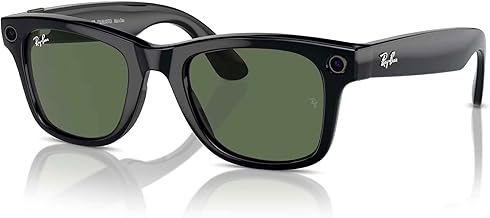
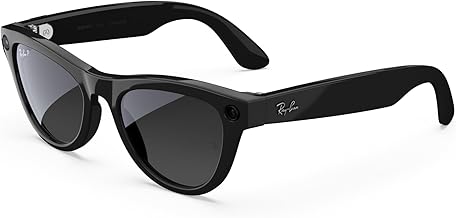
Phoenix represents a fundamental departure from Meta's existing hardware ecosystem, occupying the crucial space between lightweight Ray-Ban smart glasses and full Quest experiences. The device weighs approximately 100 grams and incorporates lower-resolution displays compared to high-end competitors like Apple's Vision Pro, according to Coin Central, but targets extended daily wear rather than session-based computing.
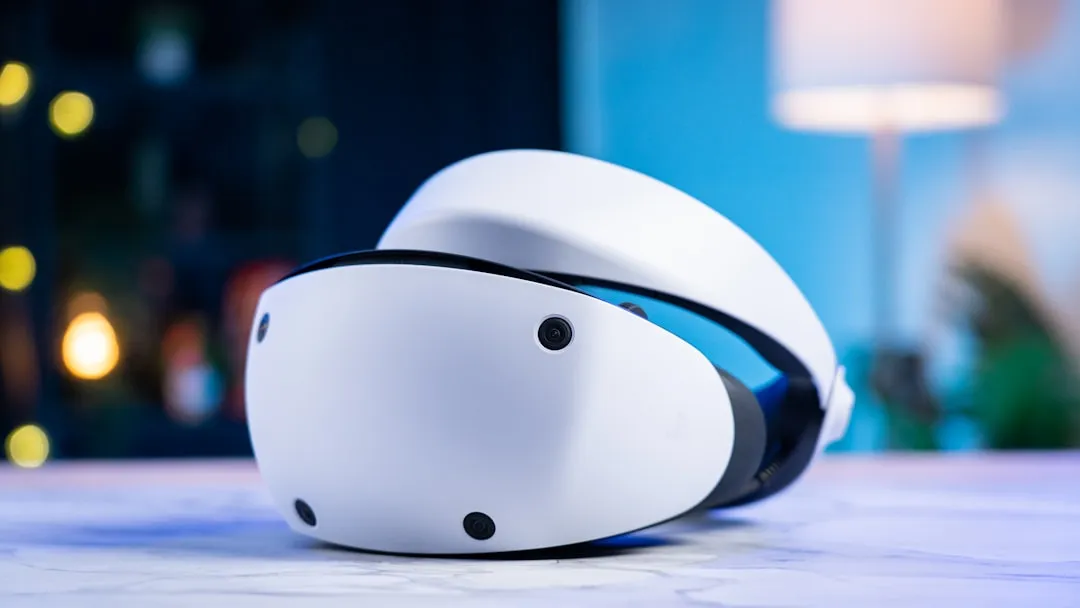
The technical approach prioritizes practical usability over specification dominance. Unlike Quest headsets that rely on handheld controllers, Phoenix operates through eye-tracking and hand gesture detection, and sources indicate it will run on the same Horizon OS platform as existing Quest devices. The external computing puck design directly addresses the persistent challenge of balancing processing power with wearable form factors—a compromise Apple also adopted with Vision Pro.
This positioning strategy creates a new product category that could appeal to users seeking ambient computing capabilities without the social isolation of traditional VR headsets. Phoenix essentially functions as Meta's bridge between current smart glasses capabilities and full immersive experiences.
Competitive timing creates 2027 showdown
The Phoenix delay strategically aligns Meta's launch window with Apple's anticipated smart glasses debut, potentially creating the most significant head-to-head competition in consumer mixed-reality history. Meta currently dominates the mixed-reality market with a 73% share, driven largely by its affordable Quest 3S strategy, as reported by AI Invest, but Phoenix targets an entirely different market segment focused on lifestyle integration rather than gaming and productivity sessions.
The competitive landscape reveals two fundamentally different approaches to mixed-reality adoption. While Apple's Vision Pro launched with premium pricing and sophisticated displays, it struggled with consumer adoption due to weight, cost, and limited use case scenarios, according to Find Articles. Meta appears determined to avoid these pitfalls through deliberate market timing and form factor optimization.
The 2027 timeline also allows Meta to benefit from component cost reductions and manufacturing scale improvements, particularly for specialized elements like micro-OLED panels and advanced optical systems. This patient approach suggests Meta believes market timing and execution quality will prove more valuable than first-mover advantages in mixed-reality glasses.
Building sustainable mixed-reality foundations
Meta's Phoenix strategy ultimately reflects a mature understanding of hardware market dynamics that prioritizes sustainable growth over rapid iteration cycles. The company is using this extended development period to address fundamental technical challenges including display resolution optimization, thermal management, and supply chain stability for specialized components like micro-OLED panels, as detailed by Tech Buzz.
The interim roadmap includes a limited-edition "Malibu 2" wearable device in 2026, creating a stepping stone between current Ray-Ban smart glasses and the full Phoenix experience. This measured rollout approach indicates Meta is thinking systematically about user adoption curves and ecosystem development rather than focusing solely on hardware specifications.
This strategic patience represents a significant philosophical shift for Meta's hardware division. The company appears to have learned that consumer trust in emerging technology categories requires polished, reliable experiences from day one rather than iterative improvement through public releases. For Phoenix, that means prioritizing sustainable business models and technical refinement over aggressive market entry—a gamble that quality and timing will ultimately prove more valuable than speed.












Comments
Be the first, drop a comment!