


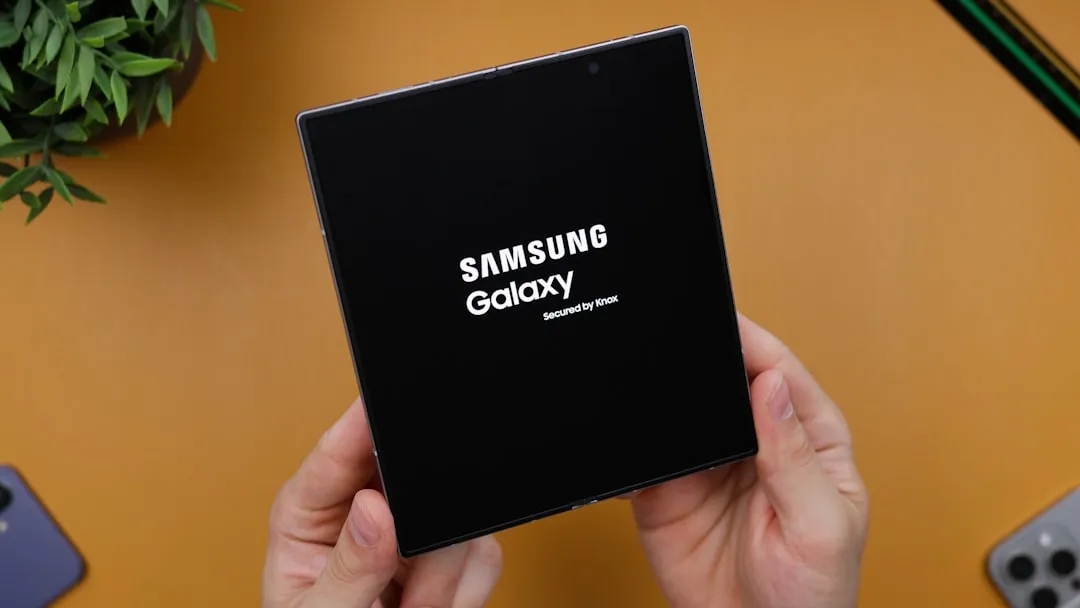
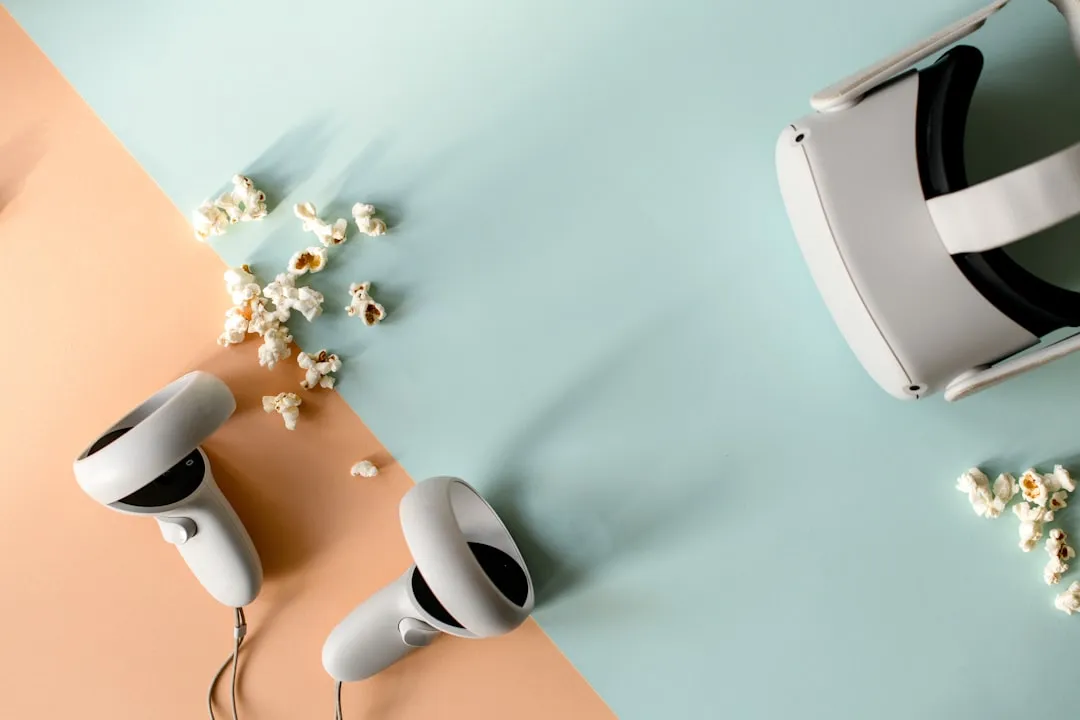
When the Samsung Galaxy XR controllers sold out within hours of the October launch, with limited restocks in early November, it said something bigger about what Samsung, Google, and Qualcomm pulled off together (Web Pro News). Those $250 controllers disappearing from shelves were not just another shortage story. It was a clear signal that the industry had been waiting for this exact device.
The collaboration mounts a serious challenge to the established VR hierarchy, placing Galaxy XR squarely in that sweet spot between gaming machine and spatial computing platform, at a price that could finally push mainstream adoption.
The timing helps. After years of Meta owning the affordable tier while Apple set the premium bar with Vision Pro, Samsung landed right where the market needed a contender. At $1,799, you get serious mixed reality capabilities without the $3,500 sticker shock, powered by Google’s first platform built for the Gemini AI era (Samsung News). The real breakthrough is not just price positioning. It is tackling the ecosystem problem that has tripped up almost every VR launch.
What makes Android XR a game-changer for extended reality?
Here is the kicker. Android XR was designed from the ground up for multimodal AI, not treated as an add-on later (Virtual Reality News). That choice goes straight to the core issue that sank previous platforms: the app ecosystem. Instead of booting into an empty store and hoping developers arrive, Android XR runs many existing Google Play apps at launch.
You feel it in familiar apps. Google Maps turns into a 3D flythrough, letting you navigate anywhere and get personalized suggestions. YouTube becomes an immersive viewing space with spatial audio. Circle to Search and Google Photos add spatial computing tricks so you can work with content in three dimensions (TechRadar). For developers, OpenXR support means porting existing experiences is far more straightforward — no ground-up rebuild, a critical advantage other platforms never nailed.
The biggest shift is Android XR’s unified approach across device categories. It enables a smooth handoff between intensive headset training and lightweight smart glasses in the field (Virtual Reality News). Learn a complex procedure in a full headset, then pull up the same capabilities on glasses when you need them on site. The result is gear that feels connected, tools that enhance workflows instead of sitting as isolated gadgets.
How Galaxy XR's hardware stacks up against the competition
Look at the specs, and Samsung’s strategy comes into focus. Galaxy XR delivers premium capabilities at a price that pressures both Meta’s Quest and Apple’s Vision Pro at once (Road to VR). At $1,799, you get micro-OLED displays with 3,552 x 3,840 pixels per eye — roughly 29 million total —exceeding Vision Pro’s 23 million while costing about half as much (PC Mag).
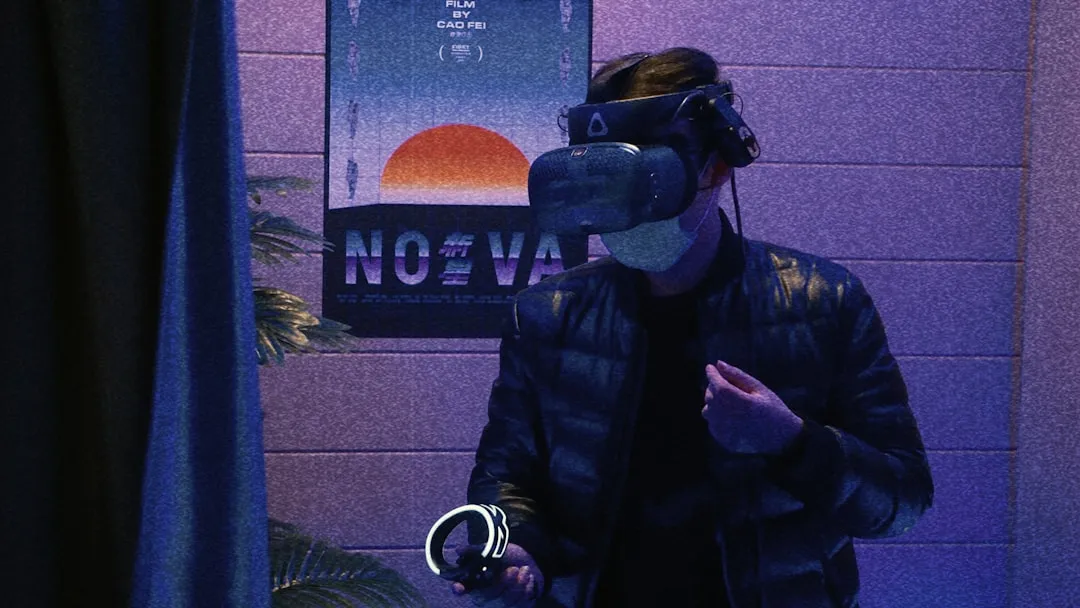
Practical engineering choices stand out. At 19.2 ounces, Galaxy XR is lighter than Vision Pro’s 26.4 ounces and features a visor-style design that spreads weight across the forehead rather than wrapping around the eyes (PC Mag). Translation, more comfort over long sessions, which matters for productivity.
Qualcomm’s Snapdragon XR2+ Gen 2 chip underpins the system with a 20 percent faster CPU and a 15 percent faster GPU compared to the previous generation, tuned for mixed reality and AI workloads (TechRadar). The sensor array includes six outward-facing cameras for position and hand tracking, four inward-facing cameras for eye tracking, plus advanced IMU systems. Together, they enable precise interaction without the need for handheld controllers for basic navigation (PC Mag).
Power management fits the broader ecosystem thinking. Battery life reaches up to 2.5 hours for video playback, and the quick-swap external battery doubles as a portable charger for other devices (Samsung News). Not a standalone island, a piece of a larger toolkit.
Why Gemini AI integration changes everything
Here is the fundamental difference. Gemini functions as an intelligent computing layer, not a sometimes-useful voice assistant (CNET). That shifts interaction from commands to context, where the system understands your environment and intent.
Using the headset’s cameras, Gemini can analyze real-world objects, surface contextual info, and guide you with a quick finger circle around an item (Reuters). Gaming shows off that intelligence best. Gemini can recognize the game, the characters, and even skills at a glance, then offer real-time coaching and strategy that matches your situation and skill level (Yahoo Tech).
This kind of context-aware AI pushes personal computing forward, where the assistant knows what you are looking at and what you are trying to do (Virtual Reality News). Meta’s AI features tend to sit in their own space. Samsung’s approach connects across the Galaxy ecosystem, so a task started on your phone can continue on the headset or on future smart glasses without breaking your flow.
There are limits. Gemini cannot access DRM-protected content, which restricts contextual help for certain media (Yahoo Tech). Understandable, and still a reminder of how tricky content rights remain.
What's next for Samsung's XR ecosystem?
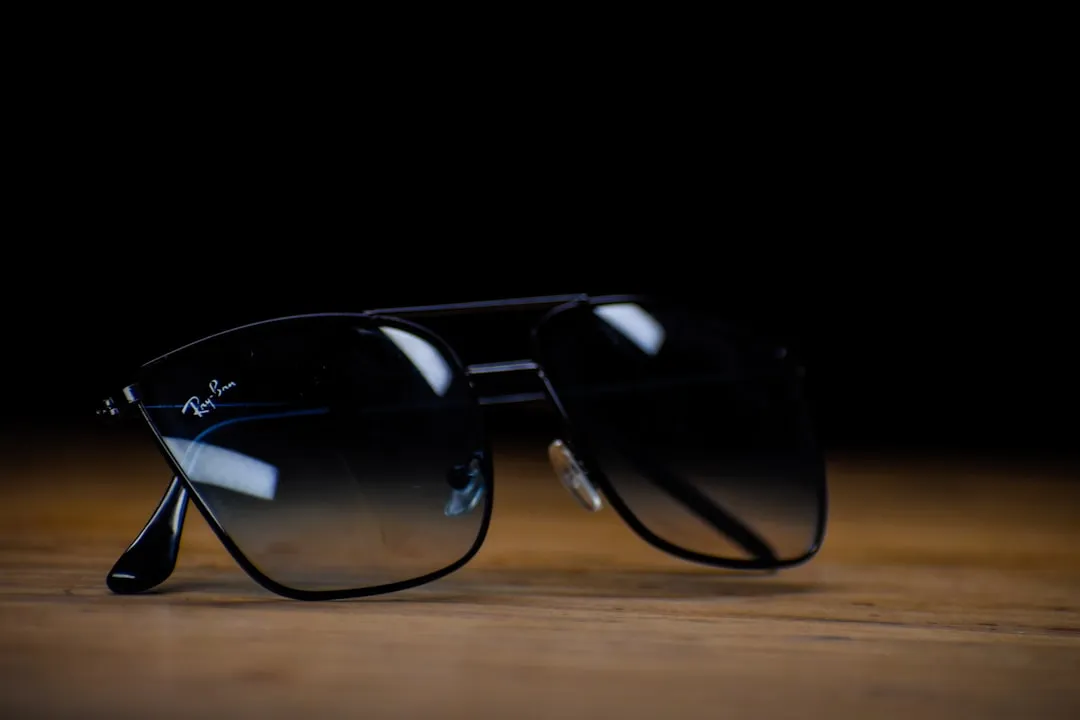
Samsung’s XR roadmap stretches beyond this headset. Partnerships are already in place for smart glasses with Warby Parker and Gentle Monster, targeting 2026 releases (Android Central). These glasses aim to work like Ray-Ban Meta devices, except with integrated displays for Gemini feedback and notifications, a gradual ladder of devices, so you pick what fits the moment.
The technical groundwork is visible in efforts like Magic Leap’s prototype Android XR smart glasses, which use holographic waveguide displays visible only to the wearer (Android Central). In that light, the headset doubles as a development platform, a place to build features that can be miniaturized for everyday wearables.
Global expansion looks measured, not rushed. Samsung plans to expand Galaxy XR beyond the US and South Korea to Germany, France, Canada, and the UK in 2026, leaving room for software polish and ecosystem growth (Web Pro News). The timeline lines up with a broader partnership play where Google and Samsung work with multiple eyewear makers, a counter to Meta’s single Ray-Ban tie-up (Virtual Reality News).
Health and fitness could be the sleeper hit. Samsung’s health monitoring across watches, rings, and future glasses sets the stage for real-time coaching with visual overlays, even medical scenarios where glasses show information while other devices collect biometric data (Virtual Reality News). Seamless, not intrusive.
Where this leaves the extended reality industry
Galaxy XR arrives at an inflection point, the moment the market needs a device that bridges gaming and spatial computing at a sane price (Road to VR). The backdrop is mixed. Gartner expects the global Head-Mounted Display market to grow 2.6 percent to $7.27 billion next year, while VR shipments are on track for a third straight yearly decline, with 2025 expected to drop 20 percent (Reuters).
That context makes Android XR’s debut feel consequential. It could be the spark that accelerates adoption and nudges the industry into its next phase. The Samsung, Google, and Qualcomm partnership shifts XR dynamics toward an open ecosystem model that challenges Meta’s platform-controlled strategy and Apple’s premium exclusivity (Virtual Reality News).
The value proposition for early adopters is not subtle; bundled services that include Google AI Pro, YouTube Premium, and specialized XR content worth over $1,000 signal a push for adoption over short-term profit. Pair that with aggressive pricing, and you get a clear message: remove friction, and people will try the new thing.
The question now is execution. Can Samsung deliver a polished, coherent experience across hardware, software, and ecosystem to match the promise? Early demand for controllers points to real interest. Samsung brings the hardware chops, Google supplies the platform and AI, and Qualcomm delivers the processing foundation. If the finished product lands with the refinement early previews suggest, Galaxy XR could finally turn extended reality from an enthusiast niche into a mainstream productivity and entertainment platform.
That success, or the miss, will set the tone for the next chapter of XR. It might be the most consequential launch since the original Vision Pro announcement.










Comments
Be the first, drop a comment!