




The tech world is facing an identity crisis. We've got wearable computers perched on our noses, artificial intelligence whispering in our ears, and augmented reality overlaying our vision—but what exactly do we call these devices? Smart glasses that feature embedded artificial intelligence and computing components (Even Realities) have evolved far beyond their early predecessors, yet the industry can't seem to agree on consistent terminology.
This naming confusion runs deeper than marketing strategies—it reflects a fundamental challenge in defining technology that's evolving faster than our vocabulary can keep up. Smart glasses have transitioned from experimental gadgets to essential wearables that blend artificial intelligence (AI) and augmented reality (AR), according to Analytics Insight. Research into these augmented reality smart glasses has surged dramatically as they find applications across medicine, industry, and daily life (ScienceDirect). Let's break down why naming this revolutionary technology has become such a complex puzzle.
From Google Glass to AI glasses: what changed everything?
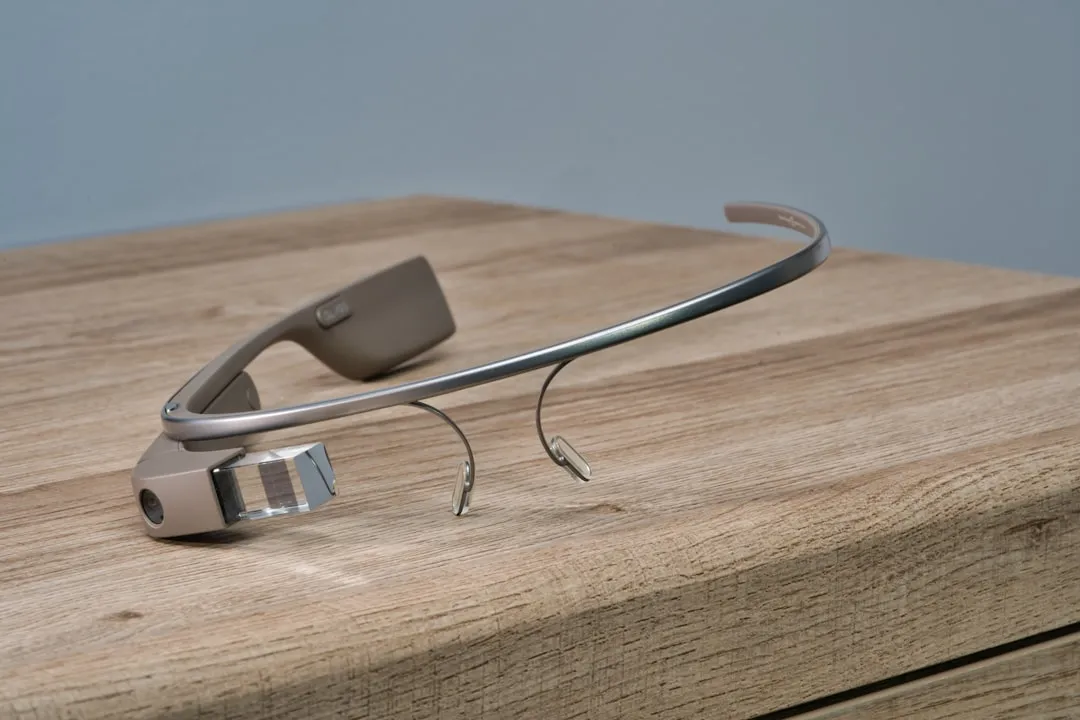
The evolution of smart eyewear tells a fascinating story of technological redemption. Remember Google Glass? That awkward first attempt at putting the internet on your face became the poster child for privacy nightmares and social awkwardness. Early attempts at head-mounted displays, particularly Google Glass, encountered significant obstacles including excessive cost, restricted functionality, and poor social reception (Even Realities).
Here's what fundamentally changed: today's devices have learned from those spectacular failures. The emphasis has shifted from "what can we show?" to "how can we help?" (Even Realities). Instead of cramming a smartphone display into your peripheral vision, modern smart glasses prioritize contextual assistance powered by sophisticated AI engines. The key differentiator now lies in AI capabilities that deliver contextual information and assistance (Even Realities).
This transformation reflects a complete philosophical overhaul. Modern smart eyewear now treats privacy and social acceptance as core design principles (Even Realities)—addressing Google Glass's biggest missteps head-on. The result? Devices that look like regular glasses while packing serious computational intelligence.
Why "smart glasses" vs "AI glasses" actually matters
The distinction between these terms reveals fundamental differences in functionality that go beyond simple semantics. The primary difference between AI glasses and smart glasses lies in the integration of an active artificial intelligence engine (Even Realities).
Traditional smart glasses were essentially tiny computers with displays—they could show notifications or play music, but lacked intelligent context awareness. Modern AI glasses represent a completely different paradigm. They focused less on augmented reality and more on practical AI-driven features like language translation, navigation, and notifications (Even Realities).
Modern manufacturers now equip smart glasses with cutting-edge AI to redefine user interactions (Analytics Insight). The latest versions support real-time language translation, making travel and international communication seamless (Analytics Insight). Imagine walking through Tokyo and having your glasses instantly translate street signs and conversations—this level of contextual intelligence separates AI glasses from their predecessors by transforming them into digital assistants that understand your world.
The AR angle: when reality gets augmented
Augmented reality capabilities have pushed the naming conversation into even more complex territory. AR in smart glasses has evolved beyond basic heads-up displays (Analytics Insight). We're witnessing sophisticated visual computing that seamlessly blends digital information with physical environments.
New models deliver high-resolution holographic overlays that integrate seamlessly into real-world environments (Analytics Insight). Snap's AR Spectacles introduced an AR keyboard, allowing users to type in the air with hand gestures (Analytics Insight). Picture typing your emails while sitting at a coffee shop—no phone, no laptop, just fingers moving through space.
Meta's Orion smart glasses push AR further by blending virtual elements with reality (Analytics Insight). Users can pin digital widgets in their physical space, creating an interactive work or entertainment setup (Analytics Insight). Virtual monitors can float above your kitchen table, or reminder notes can be pinned to your refrigerator that only you can see.
These advances demonstrate how AR functionality has become sophisticated enough to complicate the naming debate further. The terminology gets messier as the capabilities become more impressive—are we looking at AI glasses with AR features, AR glasses with AI intelligence, or something entirely new?
What the industry is actually calling them
The market has responded with terminology chaos that reflects both technological versatility and corporate positioning strategies. Several companies have introduced smart glasses with unique features, intensifying market competition (Analytics Insight). Each brand essentially creates its own naming rules based on what they want to emphasize.
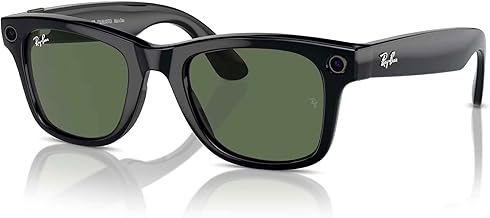
Ray-Ban Meta smart glasses integrate voice-activated AI assistants, enabling users to receive instant answers, dictate messages, and manage tasks without reaching for a phone (Analytics Insight). Meta strategically calls them "smart glasses," emphasizing lifestyle integration over technical specifications.
At CES 2025, new smart glasses demonstrated significant advancements (Analytics Insight), yet the naming remained inconsistent. Some companies lean heavily into "AI glasses" to highlight intelligence capabilities, others prefer "AR glasses" to emphasize visual experiences, while many stick with the broader "smart glasses" umbrella term.
The smart glasses industry now attracts both technology companies and fashion brands (Analytics Insight). Collaborations between eyewear designers and tech giants produce devices that look like traditional glasses while incorporating powerful digital capabilities (Analytics Insight). Fashion brands might emphasize "smart eyewear" to maintain style credibility, while tech companies double down on "AI" or "AR" to showcase technical prowess—creating a naming free-for-all driven by marketing positioning rather than technical standards.
Where ambient computing fits into the picture
The future vision for these devices extends far beyond current capabilities, potentially requiring entirely new terminology. The future of AI glasses centers on ambient AI, providing contextual information and a hands-free interface for digital tasks without requiring a screen (Even Realities).
Here's the fascinating shift: the future of AI glasses focuses less on creating immersive visual spectacles and more on providing ambient, or ever-present, computing (Even Realities). Think of computing that's always available but never intrusive—like having a digital assistant that intuitively knows when to provide information and when to remain silent.
Future smart glasses may replace smartphones and laptops, displaying virtual screens that users control through gestures and voice commands (Analytics Insight). With advancements in AI-driven user interfaces, smart glasses could provide a completely hands-free computing experience (Analytics Insight).
This ambient computing vision suggests we might need entirely new terminology as the technology transcends current categories. When your glasses become your primary computing interface, traditional names may no longer fit. Terms like "ambient computers" or "wearable AI" could emerge as the standard once these devices fulfill their full potential.
Finding clarity in the chaos
The naming confusion around smart glasses reflects broader challenges in defining rapidly evolving technologies. The journey of AI glasses is just beginning, with devices offering a new way to stay connected, informed, and present in the world (Even Realities). Companies continue refining AI algorithms, improving AR displays, and addressing hardware challenges (Analytics Insight).
What's becoming clear is that we're witnessing the birth of an entirely new device category. The growing investment in this technology suggests that by the end of the decade, smart glasses will not just complement existing devices but potentially replace them (Analytics Insight).
Historical precedent offers some comfort in this naming chaos. Personal computers went through similar terminology confusion—they were called "microcomputers," "home computers," and various other names before "PC" stuck. The definitive term emerged only when the primary use cases became clear and the technology reached mainstream adoption.
Until then, we're witnessing a fascinating process: an entire industry collectively trying to name the future. Whether these devices end up being called smart glasses, AI glasses, AR glasses, or something we haven't thought of yet, what matters most is how they'll fundamentally change our relationship with information and digital interaction. The name will eventually crystallize when the technology becomes indispensable—until then, we get a front-row seat to technological history in the making.











Comments
Be the first, drop a comment!