


The Taiwan-based display technology company Himax has captured significant market attention after reports emerged linking it to two tech giants that could reshape the AR and AI landscape. What's particularly compelling about this story is that while most industry observers previously viewed Himax as just another component supplier in the tech ecosystem, recent investigative work reveals the company might actually be occupying a much more strategic bottleneck position in next-generation computing architectures.
According to Hunterbrook Media, evidence indicates Himax may be powering both Nvidia's next-generation data centers and Apple's anticipated smart glasses through specialized optical technologies. This isn't just speculative analysis—the findings have sent Himax stock soaring nearly 11% and sparked intense discussion about the company's potential partnerships with industry leaders, reports StockTwits.
Here's what makes this development particularly significant: if these connections prove accurate, we're witnessing a company that's simultaneously enabling the AI infrastructure revolution while positioning itself as a critical supplier for the next wave of consumer AR devices. This dual opportunity represents a rare convergence of the two most transformative technology trends currently reshaping global computing infrastructure.
Behind Nvidia's optical revolution
Let's break down what Himax appears to be doing for Nvidia, because the manufacturing process itself demonstrates genuine technological differentiation. The company uses nanoimprint lithography to create batches of lenses and prisms on glass wafers simultaneously—think of it as pressing patterns into waffle batter, but for precision optical components that must bend laser light at exactly 90 degrees, according to Hunterbrook's analysis.
This approach addresses a fundamental challenge in AI data center architecture: as models become more complex and power-hungry, traditional electrical connections become bottlenecks. Optical interconnects can handle vastly higher data transfer rates while consuming less power, but they require incredibly precise manufacturing tolerances. Himax's nanoimprint lithography enables the simultaneous creation of perfectly aligned lenses on one side and prisms on the other—a level of precision that industry sources describe as "really the best method for doing it," according to a former Lumentum engineer quoted by Hunterbrook Media.
The strategic importance becomes clear when you examine the broader supply chain dynamics. Himax isn't working in isolation—they're collaborating with Taiwanese manufacturer Fiber Optic Communications (FOCI) to integrate components into finished fiber array units, with FOCI handling the complex engineering required to connect these units with optical engines, as detailed in the report. This partnership creates significant barriers to entry, as competitors would need to replicate not just the manufacturing process but also the integration expertise.
Most importantly, this joint manufacturing process positions both companies to enter the supply chain for TSMC's COUPE architecture, which will power Nvidia's Co-Packaged Optics platform. According to legendary Apple analyst Ming-Chi Kuo's December 2024 analysis, this represents a fundamental shift toward optical computing infrastructure, as reported by Hunterbrook. Recent reports from Digitimes have identified Himax as the sole microlens array supplier for the first and second generations of COUPE technology, as cited by StockTwits—a position that could provide substantial competitive advantages as AI infrastructure scales.
The Apple smart glasses connection
The Apple connection reveals both strategic continuity and technological evolution in Himax's relationship with the tech giant. Unlike many speculative supplier relationships, this one builds on proven collaboration history: Himax previously supplied wafer-level optics for Face ID technology in the iPhone X, specifically the tiny dot-projector lenses that enable three-dimensional facial mapping, as reported by Hunterbrook Media. This established relationship provides Apple with confidence in Himax's ability to deliver consumer-grade optical components at massive scale.
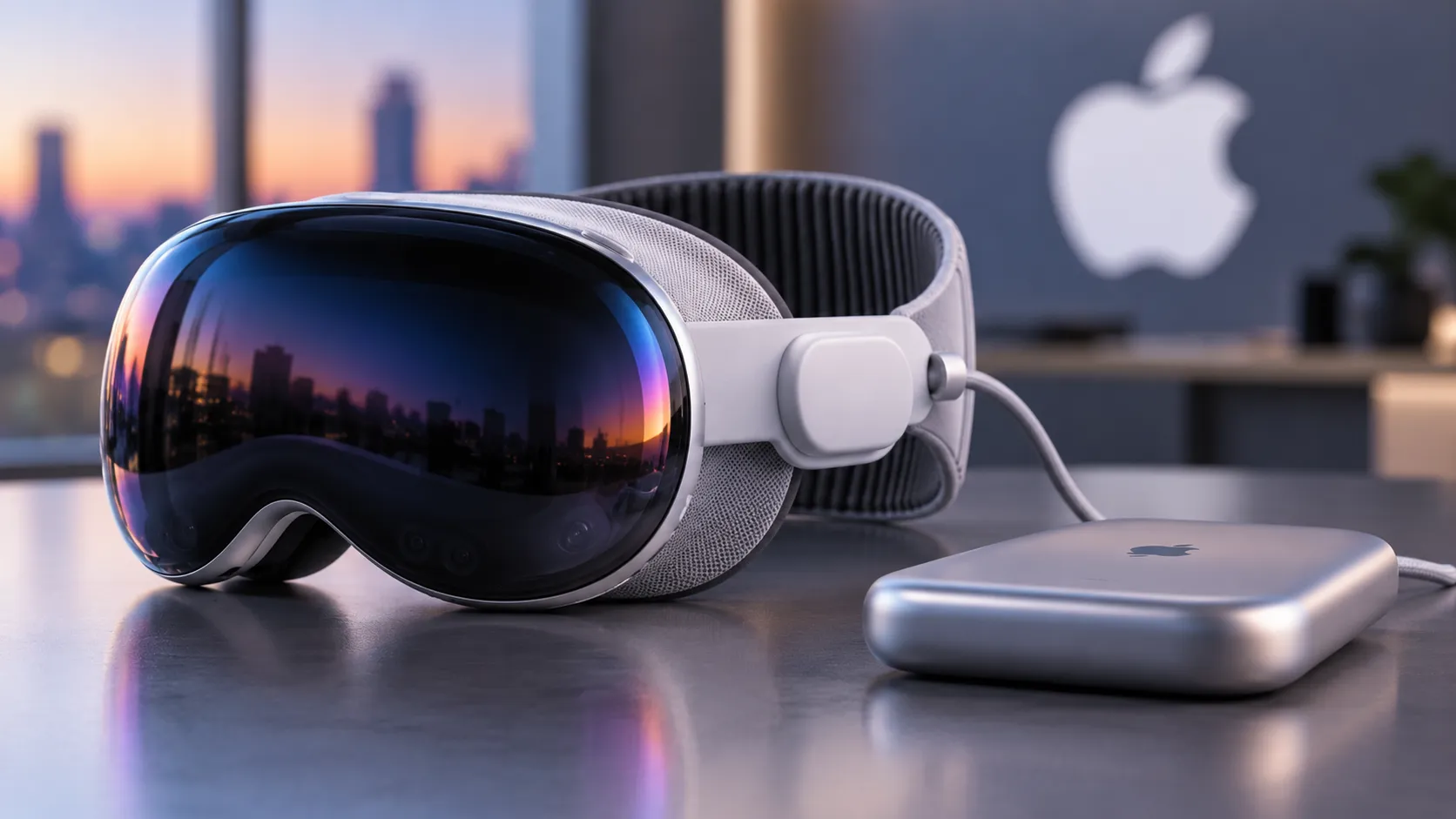
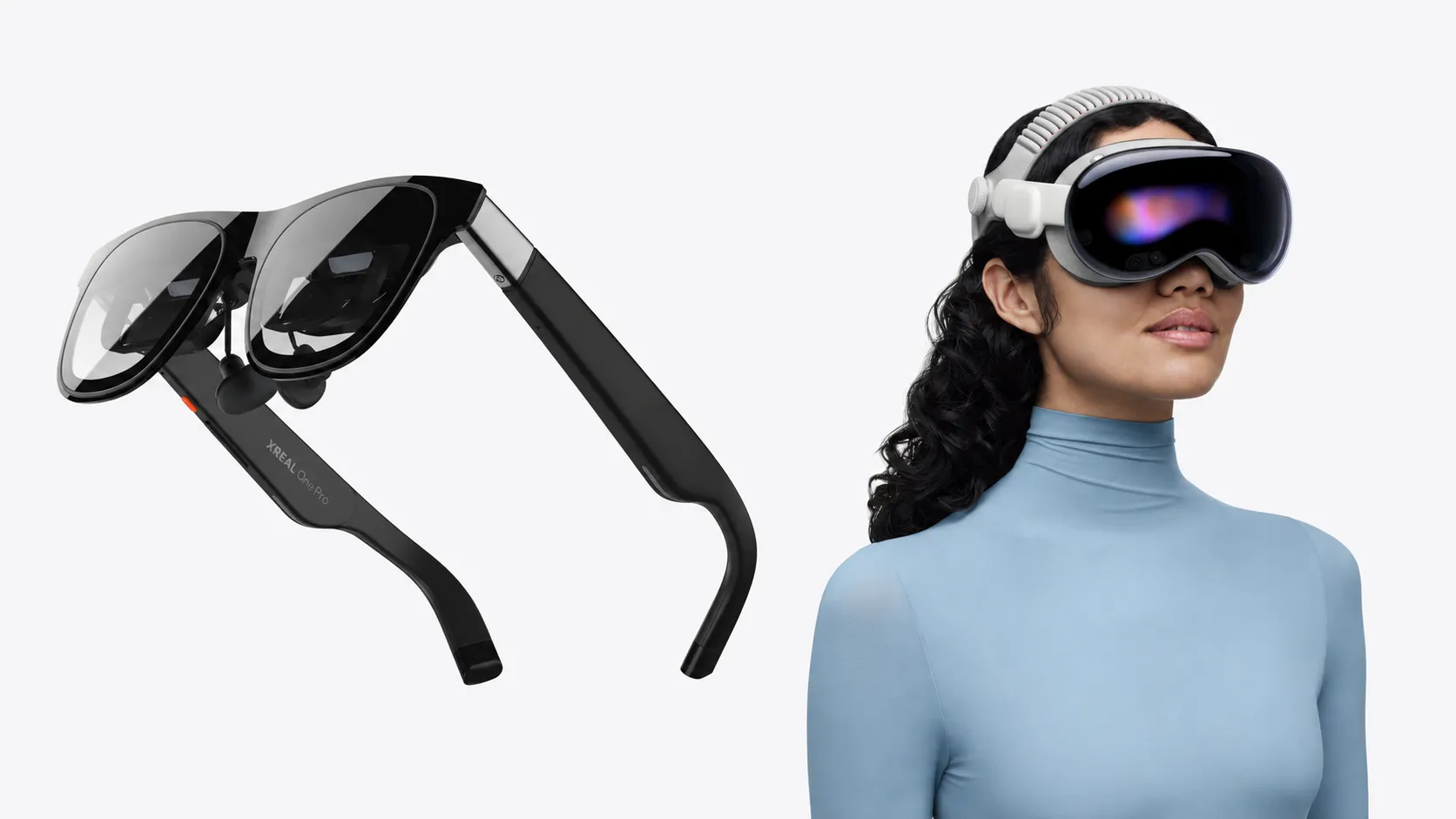
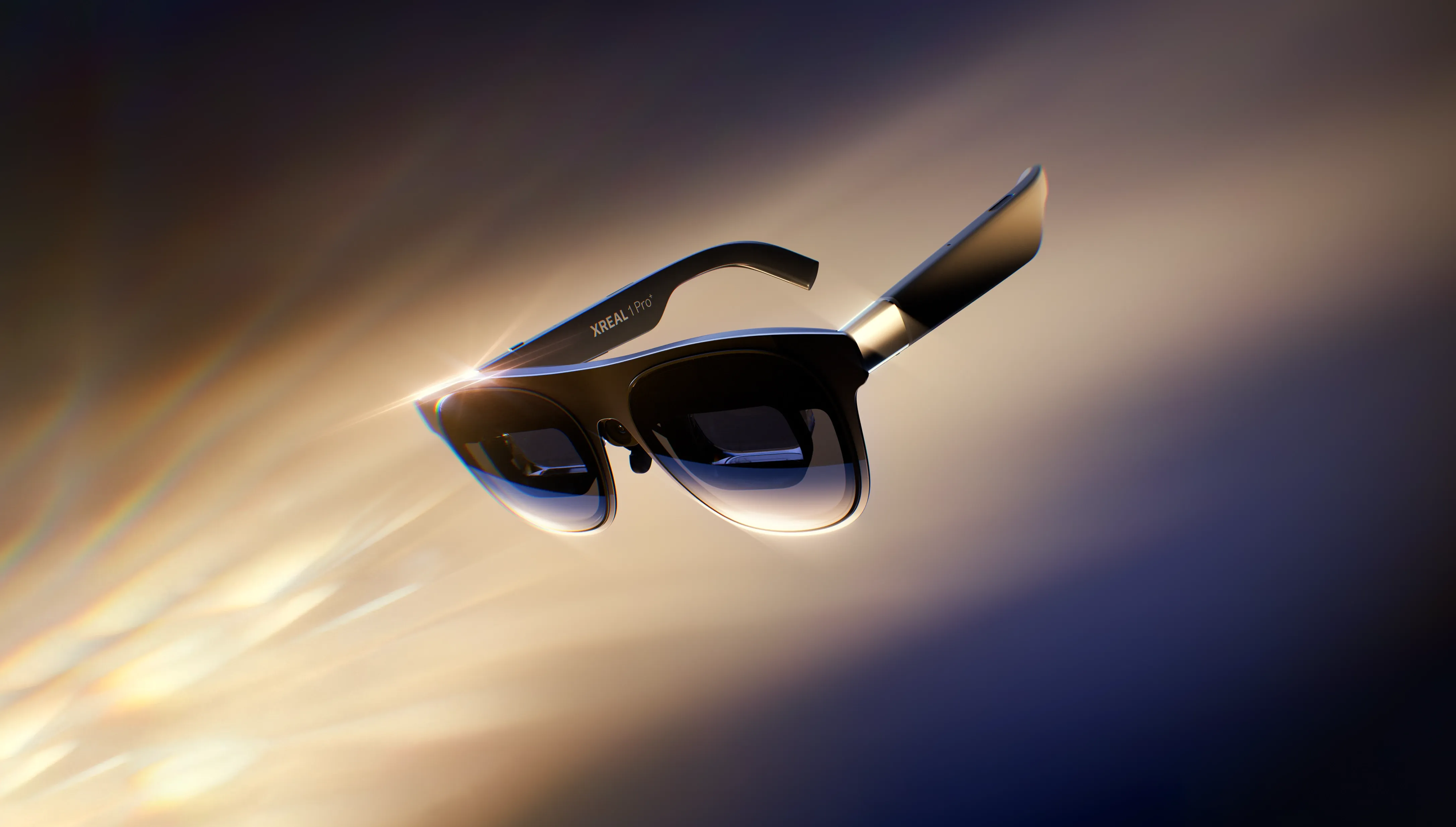
Industry analysts expect Apple's smart glasses to utilize LCoS microdisplays and waveguide optics—technologies that align perfectly with Himax's existing manufacturing capabilities and recent capacity investments. The company's wafer fabrication facilities already produce microlenses and V-groove baseplates using the same nanoimprint lithography technology deployed for Nvidia applications, and they've previously manufactured thousands of waveguide displays, according to the research. This technological overlap creates significant manufacturing synergies between the Nvidia and Apple opportunities.
The timeline convergence provides compelling evidence of coordinated development efforts. During a recent earnings call, Himax's CEO disclosed that a "top smart glasses brand" would enter mass production by the end of 2026, according to Hunterbrook's findings. Meanwhile, Apple analyst Ming-Chi Kuo anticipates mass production beginning soon for a 2027 launch, with initial shipments expected to reach 3 million to 5 million units. This timing alignment suggests deliberate coordination rather than coincidence.
PRO TIP: The real opportunity may emerge in 2028, when Apple is expected to launch display-equipped AR glasses requiring LCoS microdisplays and waveguides, according to Kuo's projections. This second-generation product would demand exactly the optical manufacturing capabilities that Himax has been developing for both consumer and data center applications.
The circumstantial evidence adds another intriguing dimension. A LinkedIn profile claiming to belong to a Himax senior product manager identifies this person as the "Apple Project Lead" with verification status, and recent posts describe technical collaborations at Apple Park, as detailed by Hunterbrook Media. Flight tracking data suggests this individual traveled from Taipei to San Francisco in early March, followed by posts describing full-day technical discussions at Apple's headquarters. While social media evidence requires careful interpretation, it reinforces the broader pattern of active collaboration.
Market implications and financial projections
The financial implications of these partnerships become staggering when viewed against Himax's current scale and the projected growth in both AI infrastructure and AR markets. Morgan Stanley projects 5,000 next-generation Nvidia Rubin Ultra racks shipping in 2027, escalating to 28,000 units in 2028, according to Hunterbrook's research. Conservative pricing assumptions suggest the fiber array unit market could grow from hundreds of millions in 2027 to billions of dollars in 2028, as analyzed by Citrini Research.
To put this growth trajectory in perspective, Himax's total revenue for 2024 was approximately $800 million. If the fiber array unit market reaches even the low end of projections, it could represent a doubling or tripling of the company's addressable market within just a few years. This scale transformation explains why institutional investors are taking notice despite the company's previous classification as a commodity supplier.
Himax's strategic investment positioning has already generated substantial validation. Their $16 million investment for a 5.3% stake in FOCI is now worth approximately $90 million after a 400% appreciation in FOCI's share price, as reported by Hunterbrook Media. More importantly, this partnership remains exclusive, with Morgan Stanley noting that their research suggests Himax continues as FOCI's sole fiber array unit supplier for both scale-out and scale-up CPO solutions—a relationship that would be extremely difficult for competitors to replicate.
Market reaction has demonstrated both retail and institutional recognition of this opportunity. Himax shares gained 60% over four consecutive sessions, with trading volume reaching 36 million shares on Thursday—approximately 30 times the stock's average volume, as reported by StockTwits. Volume surges of this magnitude typically indicate sophisticated investor recognition rather than purely speculative retail activity.
What this means for the AR and AI ecosystem
The convergence of AI infrastructure requirements and consumer AR development creates unique strategic advantages for companies positioned at the intersection of these trends. Himax's nanoimprint lithography capabilities address critical manufacturing challenges that appear in both data center optics and AR display systems, creating economies of scale and technological synergies that would be difficult for competitors to replicate across both markets simultaneously.
Recent collaboration with AU Optronics has produced breakthrough results that demonstrate the practical impact of these technological advances. They've developed an ultra-slim LCoS microdisplay module featuring 720×720 resolution, 350,000 nits brightness, and 200 mW power consumption in just 0.09 cubic centimeters, according to AInvest. These specifications directly address the three primary obstacles to AR glasses adoption: bulkiness that makes devices unwearable, battery drain that limits usage time, and insufficient visual fidelity that breaks immersion.
The broader market dynamics support accelerated adoption timelines. The AR market is projected to reach $511.75 billion by 2030, with the near-eye display segment expected to grow at a 25.1% compound annual rate, according to market forecasts. More specifically, the AR glasses segment is expected to grow at a staggering 59% compound annual growth rate, reaching $9.98 billion by 2030. These projections reflect real technological progress rather than speculative enthusiasm, driven by measurable improvements in display technology, battery efficiency, and manufacturing costs.
Industry observers note a fundamental shift in how Himax should be valued: while current market pricing treats the company like a commoditized component supplier, evidence suggests they're emerging as a provider of critical optical components for next-generation AI data centers, as highlighted in the Hunterbrook report. The timing appears particularly significant, with retail sentiment for Himax surging to "extremely bullish" levels amid expectations that Nvidia's upcoming GTC conference will highlight CPO roadmaps and accelerate adoption of optical technology solutions.
PRO TIP: Companies like Himax might not be household names, but they're potentially enabling the most significant technological shifts of our time. The convergence of AI infrastructure needs and consumer AR development represents a once-in-a-decade opportunity for specialized suppliers with the right manufacturing capabilities and strategic partnerships.
This story illustrates how modern technology supply chains create value through precision manufacturing capabilities rather than just component assembly. Whether powering the AI infrastructure that's reshaping how we work and think, or enabling AR glasses that might eventually replace smartphones, specialized optical manufacturing has become a critical bottleneck technology. If the connections to Nvidia and Apple prove accurate, Himax has positioned itself at exactly the right intersection of these transformative trends.







Comments
Be the first, drop a comment!