


Qualcomm Meta Connect Teaser: What a New XR Chip Means for Smart Glasses
If Qualcomm announces new XR silicon at Meta Connect, it would land in a market that looks nothing like it did two years ago. Global XR device shipments grew 44.4% in 2025, but VR and mixed-reality headsets declined across the same period; every point of category growth came from smart glasses, according to IDC. That context matters for reading any Qualcomm XR announcement at Meta Connect. No confirmed product, partnership, or launch has been announced as of this writing. What follows examines what the market data supports and what a new silicon announcement would most plausibly signal.
Why the XR market shifted and what it means for silicon
Meta held 72.2% of the global XR market in 2025, per IDC. Its Quest VR shipments fell 42.3% over that same year. Those two figures only fit together because smart glasses grew fast enough to more than offset the headset decline. The market-share number flatters Meta's headset business; the shipment breakdown tells a different story.
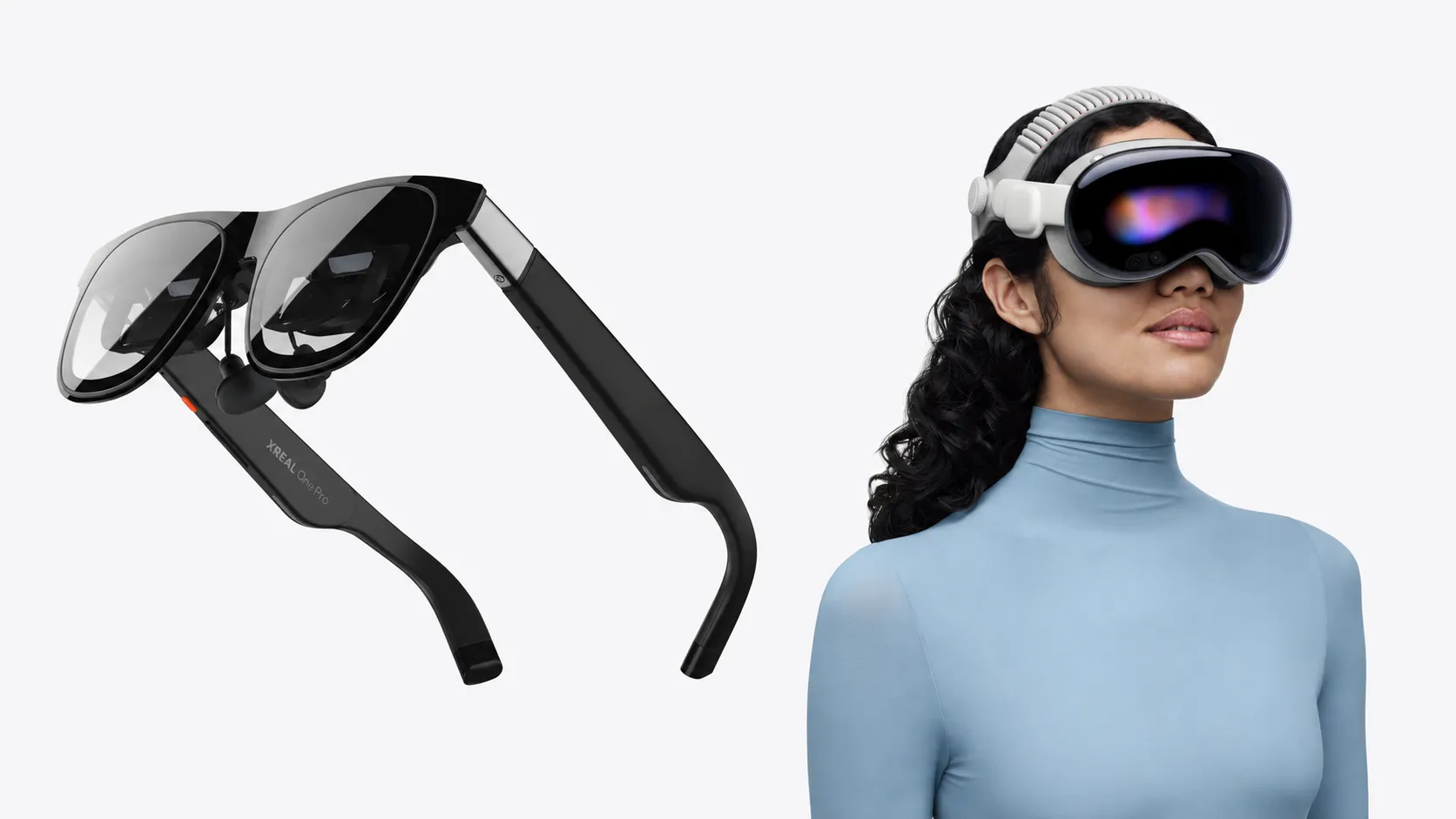
Glasses growth extends well beyond Meta. Viture grew shipments 94.9% in 2025 through a fully refreshed product portfolio and expanded retail distribution. XREAL held 2.3% market share. RayNeo ranked fourth by expanding its U.S. presence through value-oriented pricing, per IDC. The category shift is broad-based, not a single-company story.
IDC's forecast sharpens that picture further. Another 33.5% expansion is projected for 2026, with the vast majority of growth again coming from glasses without displays, per IDC. Display-equipped models are expected to gain meaningful traction in 2027 and eventually surpass VR and MR headsets in total shipments. From 2026 through 2030, IDC projects a 26.5% compound annual growth rate for the XR market overall, led by glasses throughout.
That two-phase forecast shapes how any Qualcomm announcement should be read. A platform aimed at non-display AI glasses aligns with where near-term shipment volume is concentrated. A display-oriented platform is groundwork for the cycle that follows.
The shift also redefines what chip performance actually means. Driving a 4K-per-eye VR headset is a different engineering problem than running continuous AI inference on something that weighs 50 grams and needs to last a full day. Lower power draw, efficient on-device processing, and thermal headroom inside a glasses frame are the real competitive constraints now. Resolution and refresh rate matter less than they once did.
The bottleneck Meta has already named
At Connect 2025, Meta said it intends for Meta AI to move from a wake-word-triggered tool to an always-available assistant, per Meta. The same keynote acknowledged that live AI currently runs for only one to two hours before draining the battery. Those two admissions, sitting next to each other, define the precise problem that next-generation glasses silicon needs to solve.
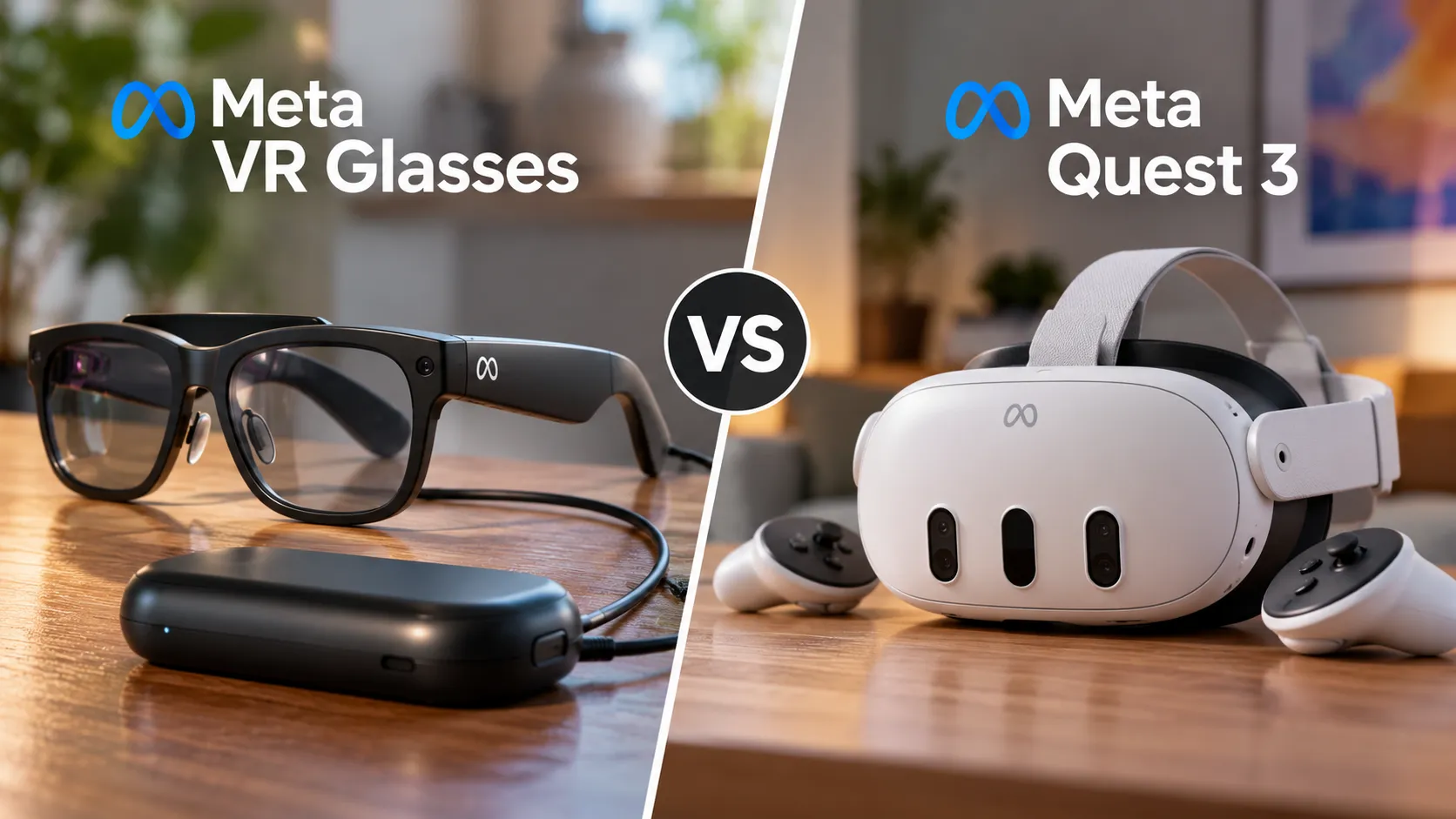
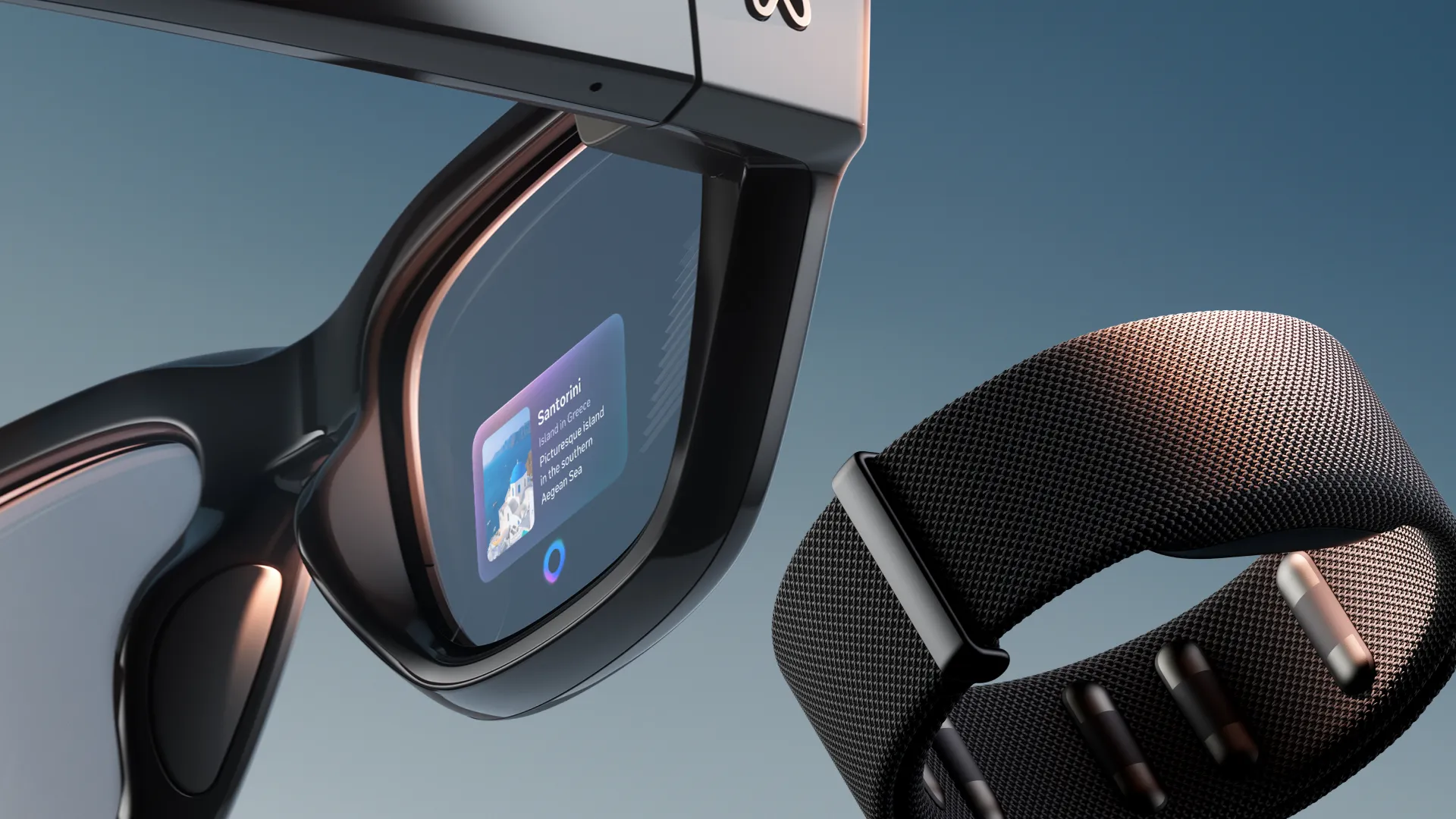
Meta's current lineup shows where the ceiling sits. The Ray-Ban Meta (second generation) offers up to eight hours of mixed use at $379. The Oakley Meta Vanguard extends that to nine hours, adding a wider 122-degree camera field and stabilized 3K video, at $499. The Meta Ray-Ban Display, the first model in the lineup with a monocular display at 42 pixels per degree and 5,000 nits peak brightness, carries 18 hours of battery life at $799, all per Meta.
Those are solid numbers for passive use. Switch on continuous AI inference and the math changes considerably. The battery figures reflect the hardware as it exists today, not the always-on AI experience Meta says it wants to deliver. The gap between the current one-to-two-hour AI runtime and an all-day ambient assistant is exactly the gap that better silicon is meant to close.
Qualcomm already maintains a distinct AR silicon family for lighter wearables: the AR1 Gen 1 and AR2 Gen 2, separate from its headset platforms, per RCR Wireless. A successor in that family could plausibly address the power constraints Meta described publicly, though no such product has been confirmed. Based on IDC's forecast that 2026 shipment growth will be concentrated in non-display AI glasses, a next-generation AR silicon platform is where the market's near-term pull is strongest.
The contrast with Qualcomm's headset silicon makes the distinction concrete. The Snapdragon XR2+ Gen 2 targets up to 4.3K x 4.3K per eye at 90fps and supports 12 or more concurrent cameras, per RCR Wireless. That architecture is built for a device with a visor and a substantial battery pack. It is not what enables all-day AI glasses. The two product families solve different problems, and the glasses problem is the one the market is currently pressing on.
Reading the Qualcomm Meta Connect teaser: three scenarios
The announcement category will carry more signal than any product name. Three scenarios are worth separating before the news arrives.
If it targets AI glasses: A platform from Qualcomm's AR silicon family with improved on-device AI efficiency would indicate that the glasses ecosystem is maturing into a second product generation. Given IDC's forecast that 2026 growth will be dominated by non-display AI glasses, this scenario aligns most closely with near-term shipment volume. It would also give device makers across the broader category not just Meta a reference platform to design against.
If it targets display-equipped glasses: A platform built for integrated monocular or binocular displays at glasses weight would be longer-range positioning. The Meta Ray-Ban Display at $799 is an early category test; display glasses are expected to gain real traction in 2027, not this year, per IDC. An announcement here would be ecosystem groundwork, giving developers and OEMs silicon specifications to plan around before the volume cycle arrives.
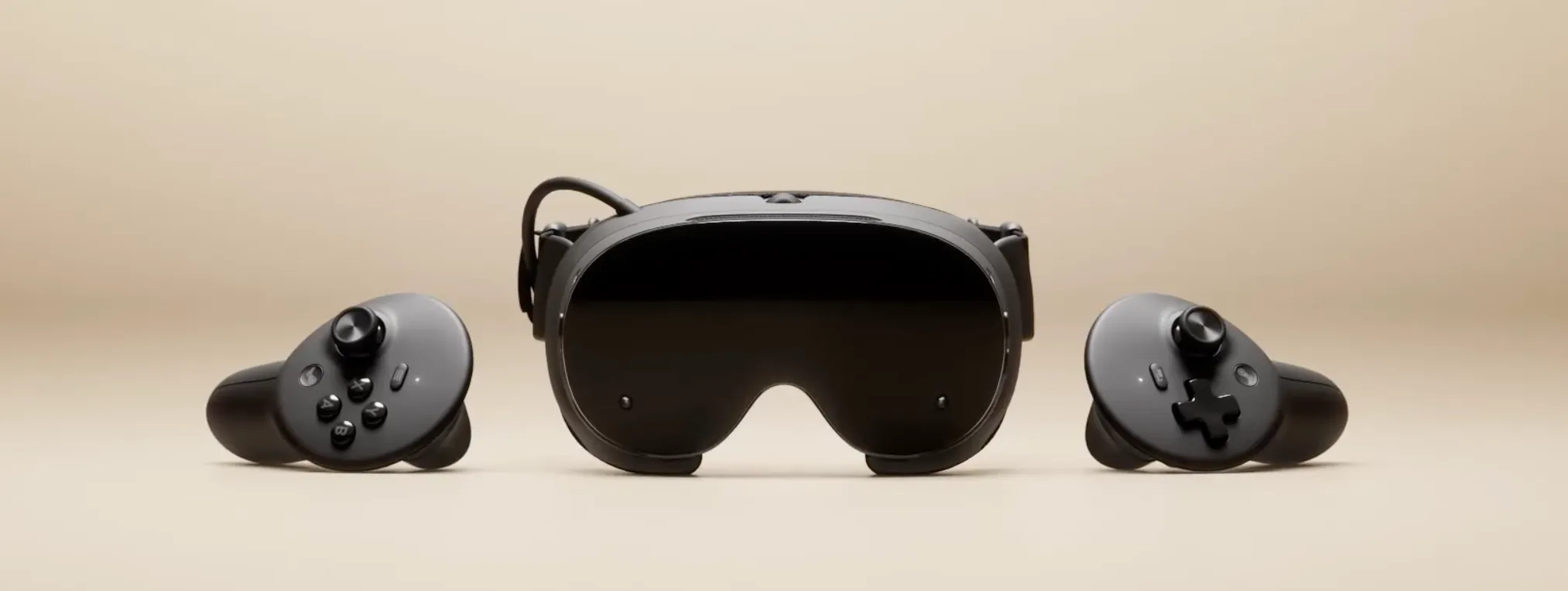
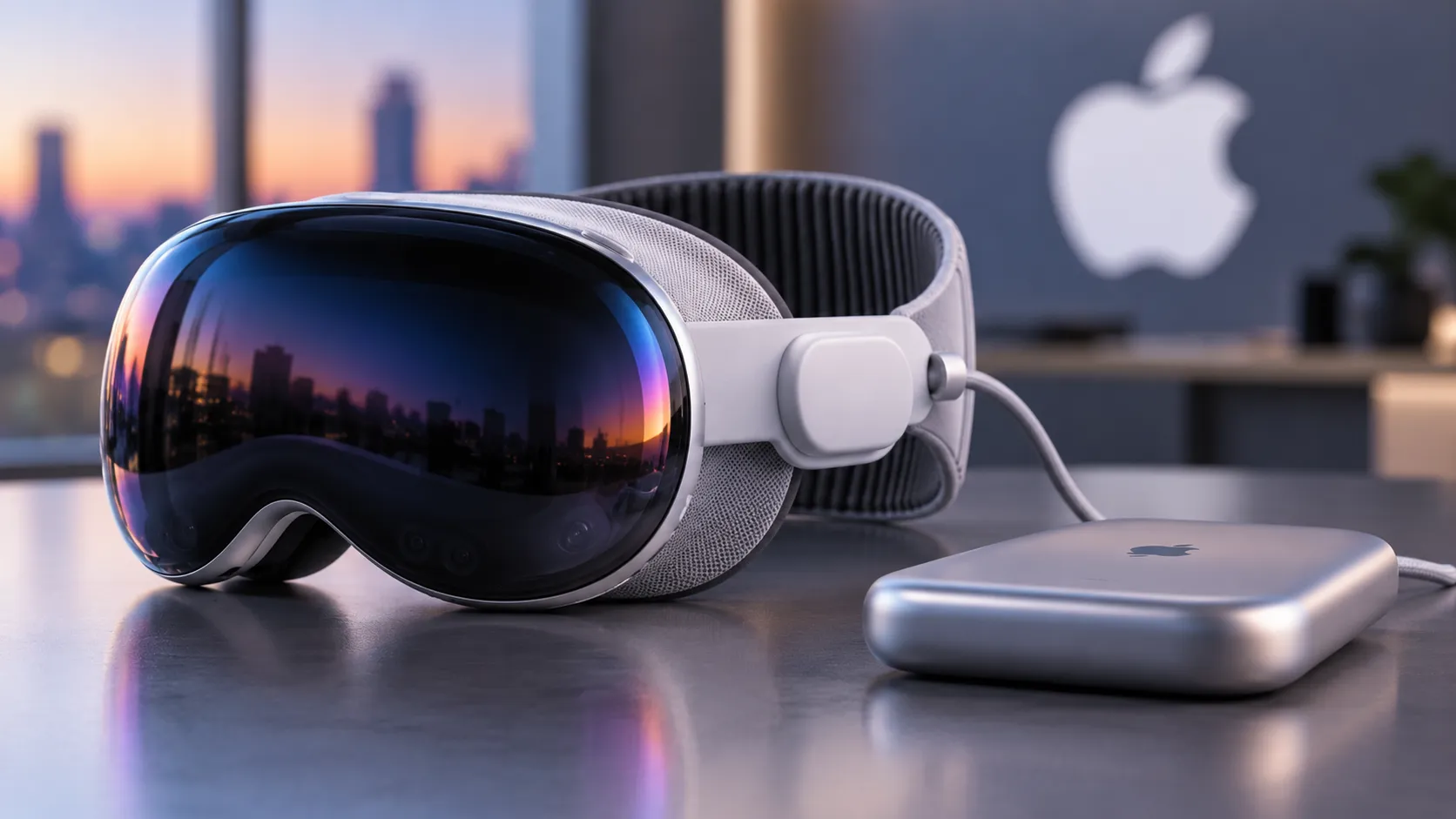
If it targets headsets or mixed reality: Analyst commentary cited in RCR Wireless characterized the XR2+ Gen 2 as the platform Samsung and Google would use to compete with Apple in immersive MR. A headset-focused announcement at Meta Connect would sit at an odd angle to where Meta's own shipment growth is coming from. It would suggest the announcement is less about Meta specifically and more about the broader competitive response to Apple Vision Pro.
The distinction matters beyond any individual device. Qualcomm's platform announcements function as infrastructure signals for the entire ecosystem: OEMs, reference design partners, and software developers all calibrate their roadmaps around what silicon is available and when. A glasses-focused platform announcement would carry implications for every device maker in the category, not only the one sharing the stage at Meta Connect.
What to watch for when the announcement comes
The most concrete cues will be in the chip family name and the language Qualcomm uses to describe the problem it is solving. An announcement rooted in the AR silicon line, with specific claims about AI inference efficiency or power draw, points toward the near-term glasses market. References to display power management or optics integration suggest preparation for the 2027 display glasses cycle. A focus on resolution, refresh rate, and rendering performance signals headset territory.
Meta's own public statements provide a useful benchmark. At Connect 2025, the company was specific: always-on AI is the goal, one to two hours of live AI is the current reality, per Meta. Any silicon announcement that speaks directly to that constraint continuous AI inference within the thermal and power budget of a glasses frame would represent a direct answer to what Meta has said it needs. One that does not address it leaves the most commercially pressing problem in the category unsolved.
The XR market has already moved. Qualcomm's next platform announcement, whenever it comes, will say more about which phase of that move it is preparing for than any product name or spec sheet will.





Comments
Be the first, drop a comment!