


Meta AI Glasses Privacy Concerns: Bystanders, Data, and What's Unresolved
Meta updated its AI smart glasses this week to disable the camera when the built-in recording indicator is physically destroyed or removed closing a loophole that services on its own marketplace had been advertising to customers. The company says it is also removing those listings and will pursue legal action against sellers. But Meta AI glasses privacy concerns go well beyond tampered hardware. The issues that privacy researchers and advocacy groups keep returning to bystanders captured without consent, footage routed to Meta's servers by default, voice interactions saved automatically are features of ordinary, intended use. The anti-tamper update doesn't touch any of them.
What Meta's capture LED update actually changes
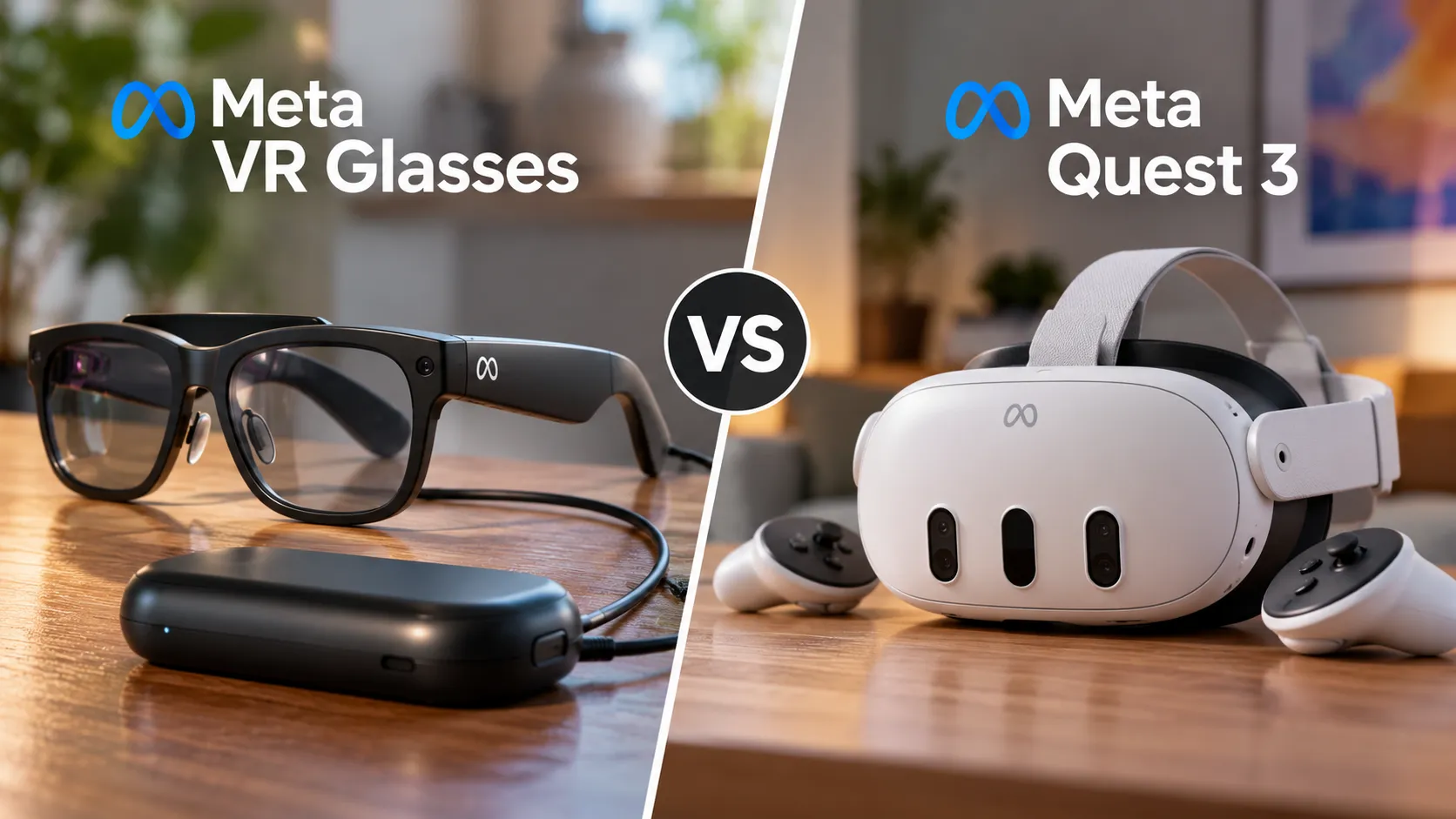
Every pair of Meta AI glasses includes a white LED that blinks whenever content is being captured. Meta says the light has no software off switch, and that blocking it automatically disables the camera a hardware-level safeguard built into second-generation devices. The new update extends that logic to physical destruction: if the glasses detect the LED has been tampered with or removed, the camera shuts off.
The change addresses one specific threat model. Before this update, someone determined enough could remove the indicator entirely and record without any visible signal. Meta says listings and services existed that advertised exactly that kind of modification. Meta says this update is designed to close that avenue by disabling the camera when tampering is detected, and that it is continuously working to improve its detection capability.
The LED's more persistent limitation, though, is not tampering it's legibility. The Cognitive Privacy Project reported last month that most people either miss the small light entirely or assume it's a Bluetooth status indicator. One content creator documented approaching bystanders who had no idea they were being filmed, with the LED functioning exactly as designed. Purdue Global Law School noted in February that smart glasses are increasingly designed to look indistinguishable from regular eyewear, and that a blinking light, while sometimes qualifying as legal notice, is often not sufficient on its own many jurisdictions require explicit signage for compliance.
Ray-Ban Meta privacy issues built into normal operation: bystanders, the cloud, and your voice
Privacy advocates argue the more consequential issues involve ordinary use rather than tampering. When the glasses work as intended, a wearer captures the faces, voices, and reactions of everyone nearby none of whom agreed to anything. Frontiers research from March found that the consent frameworks built for apps and platforms are structurally unsuited to real-time, ambient capture in shared public spaces. A cookie banner model has no equivalent in a coffee shop.
The data trail behind a recording session runs well beyond the device itself. Meta's public messaging emphasizes that gallery photos and videos are stored on the glasses. (Meta, this week) What that framing omits: media is automatically imported into the Meta AI app by default the same app required to set the glasses up and a "Cloud media" setting that sends photos and videos to Meta's servers for processing and temporary storage is on by default, though users can turn it off. (EFF, March 2026)
AI features add another layer. None run locally. Saying "Hey Meta, start recording" routes that interaction and the footage to Meta's servers, according to EFF. Voice commands are saved automatically by default and require manual deletion. Purdue Global Law School confirmed that users cannot opt out of voice recording only manage it retroactively. Some video submitted for AI training has also been reviewed by human contractors, EFF reported, citing a Swedish newspaper investigation into Meta's practices.
Facial recognition: a reported risk that would change the stakes entirely
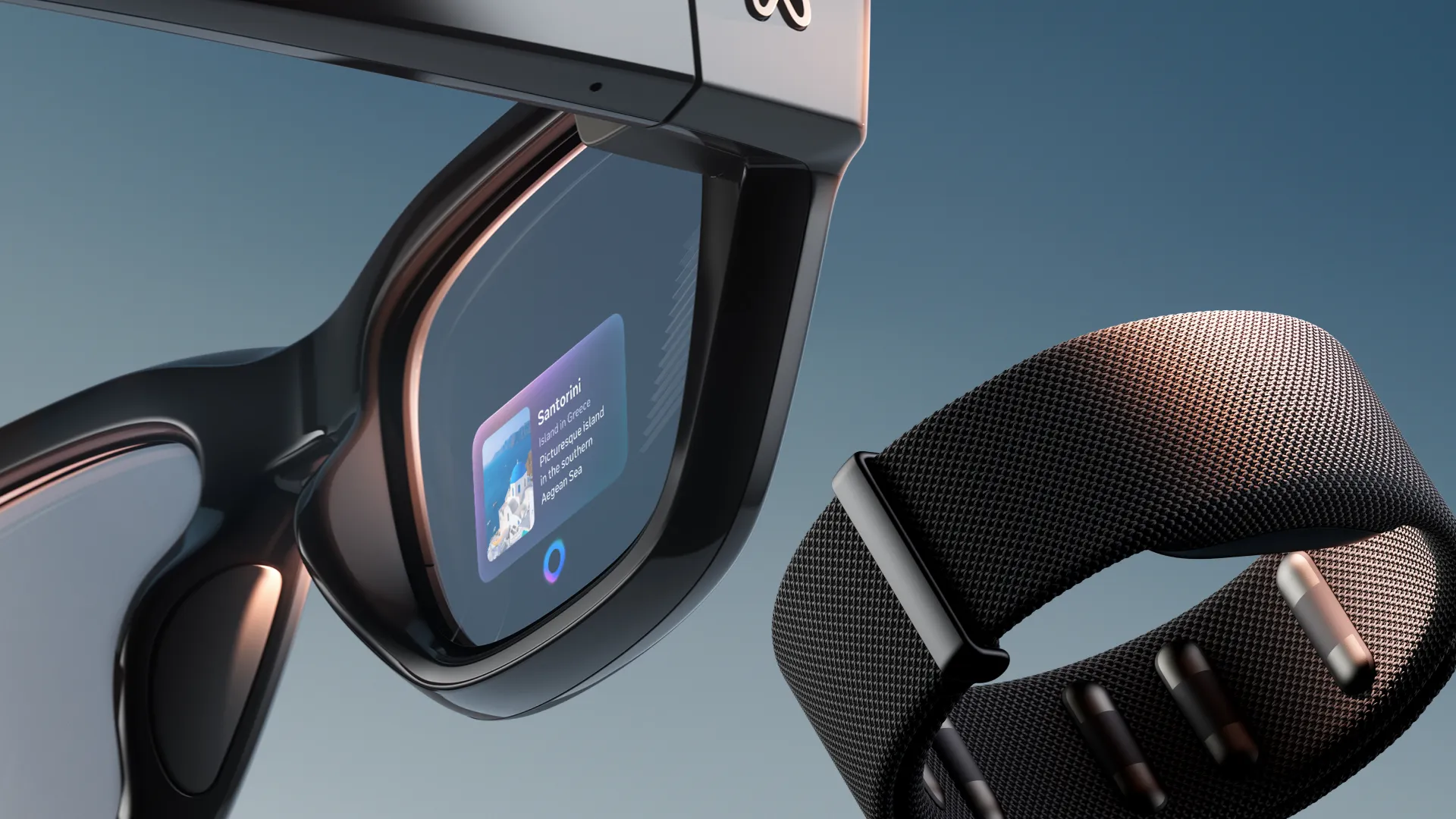
The capture LED governs how footage is taken. It says nothing about what the glasses might eventually do with what they see. The New York Times reported earlier this year on an internal Meta memo cited by the Suffolk Journal of High Technology Law in May describing plans to add real-time facial identification to the glasses. The feature, referred to internally as "Name Tag," would reportedly allow wearers to identify individuals and surface information about them on the spot.
That feature has not shipped. Meta says it is still considering whether to implement it. But the framing in the reported memo attracted its own attention: according to the Suffolk JHTL account, the document suggested the product should launch during a period when civil society groups "would have their resources focused on other concerns." EPIC and the EFF urged regulators and attorneys general to investigate, warning the feature could "significantly expand surveillance risks and threaten civil liberties." A spokesperson from a domestic abuse charity warned that an instant identification feature could enable abusers to locate and track survivors. (Suffolk JHTL, May 2026)
Existing law would face immediate strain if the feature launched. Illinois's Biometric Information Privacy Act requires written consent before biometric data is collected, with penalties reaching $5,000 per intentional violation and a private right of action. Similar but uneven protections exist in Texas and Washington. (Purdue Global Law School, February 2026) No published court cases have addressed the use of smart glasses in all-party-consent states, though legal experts warn it poses significant risk. Facial recognition would not be a new privacy concern layered onto an existing product it would transform the device's relationship to everyone within range.
What wearers can change, and what bystanders can't
There are meaningful steps glasses owners can take. Disabling "Cloud media" in the Meta AI app's privacy settings stops photos and videos from being sent to Meta's servers for processing. Turning off the "Hey Meta" wake word stops the feature from listening for that command. (EFF, March 2026) These are opt-out settings, not defaults which is part of the problem, but they exist and they matter.
What bystanders cannot control is the more fundamental issue. A person eating lunch near someone wearing Meta AI glasses has no practical mechanism to refuse capture, audit what was recorded, or object to where that footage goes. Frontiers concluded in March that the GDPR and similar frameworks were not designed for incidental bystander capture by consumer devices, and that divergent regulatory approaches across the U.S. and internationally create room for companies to operate in the gaps.
The anti-tamper update is a product engineering fix for a product engineering problem. Bystander consent, default data flows, downstream AI use, and the prospect of live facial identification are policy problems and product safeguards cannot solve them. Only enforceable law can define what these glasses are permitted to do when everything is working exactly as intended. The Cognitive Privacy Project observed last month that law moves slowly while behavior adapts quickly, and that by the time clear rules arrive, recording in public may already feel routine. That gap between when the technology becomes normal and when regulation catches up is the timeline worth watching.





Comments
Be the first, drop a comment!