


Apple Smart Glasses vs Meta Ray-Ban vs Android XR: Privacy Compared
Smart glasses have stopped being a concept and started being a product category. Meta's Ray-Ban and Oakley partnerships moved from niche curiosity to mainstream retail over the past year, according to an EFF analysis from earlier this year, which identified Meta as the biggest company in the category with the most popular options on the market. Google confirmed at I/O 2026 that Android XR audio glasses arrive this fall, designed, as Google put it, to "deliver help in the moment without taking you out of it." There are still no announced Apple smart glasses.
That last fact shapes everything that follows. This is not a product preview. What Apple does have is a documented AI privacy architecture built through Vision Pro and Apple Intelligence, and the category is developing in a way that makes that architecture the most relevant point of comparison. The evaluation here is narrow on purpose: not who ships first, who sells most, or whose camera is sharpest. The question is which company is structurally best positioned to earn lasting trust in always-on AI eyewear, where a device sits on your face all day, sees roughly what you see, and routes that data somewhere.
The evidence already points in one direction, with significant caveats.
What always-on AI eyewear actually requires: a trust framework
Before comparing companies, it helps to establish what trust means for a face-worn AI device. The problems are not hypothetical.
Google's own product description is unusually candid about the stakes: Android XR glasses paired with Gemini "see and hear what you do, so they understand your context, remember what's important to you, and can help you throughout your day." That is a precise summary of the category's value proposition and of its privacy challenge. A device worn all day generates a continuous record of private spaces, private conversations, and people who never agreed to be recorded.
The EFF's analysis of Meta's glasses from earlier this year catalogs what can go wrong without adequate constraints: cameras designed to be invisible to bystanders, recording indicators that cheap modifications can disable, ambient footage that could capture someone entering a PIN at an ATM or a password at a coffee shop. The bystander problem is not incidental. It is structural to the form factor.
Four concrete tests follow from this:
- Where does AI processing run? On-device, in the manufacturer's cloud, or some combination and under what retention terms? This matters practically: cloud processing means every query is a data transmission, with latency, battery cost, and exposure risk.
- What leaves the device by default? Not what users can disable, but what happens when they never touch the settings. Most people never change defaults.
- Are bystanders visibly signaled? Is there a reliable, tamper-resistant indicator when the device is recording or processing? This is arguably the hardest problem in the category, because no company has solved it cleanly.
- Who can verify the privacy claims? Independent audit, published architecture, or a terms-of-service paragraph?
These tests don't favor any company automatically. Applied to what's publicly known about Meta, Google, and Apple, they produce very different pictures.
Meta Ray-Ban: market leadership with stacked privacy risks
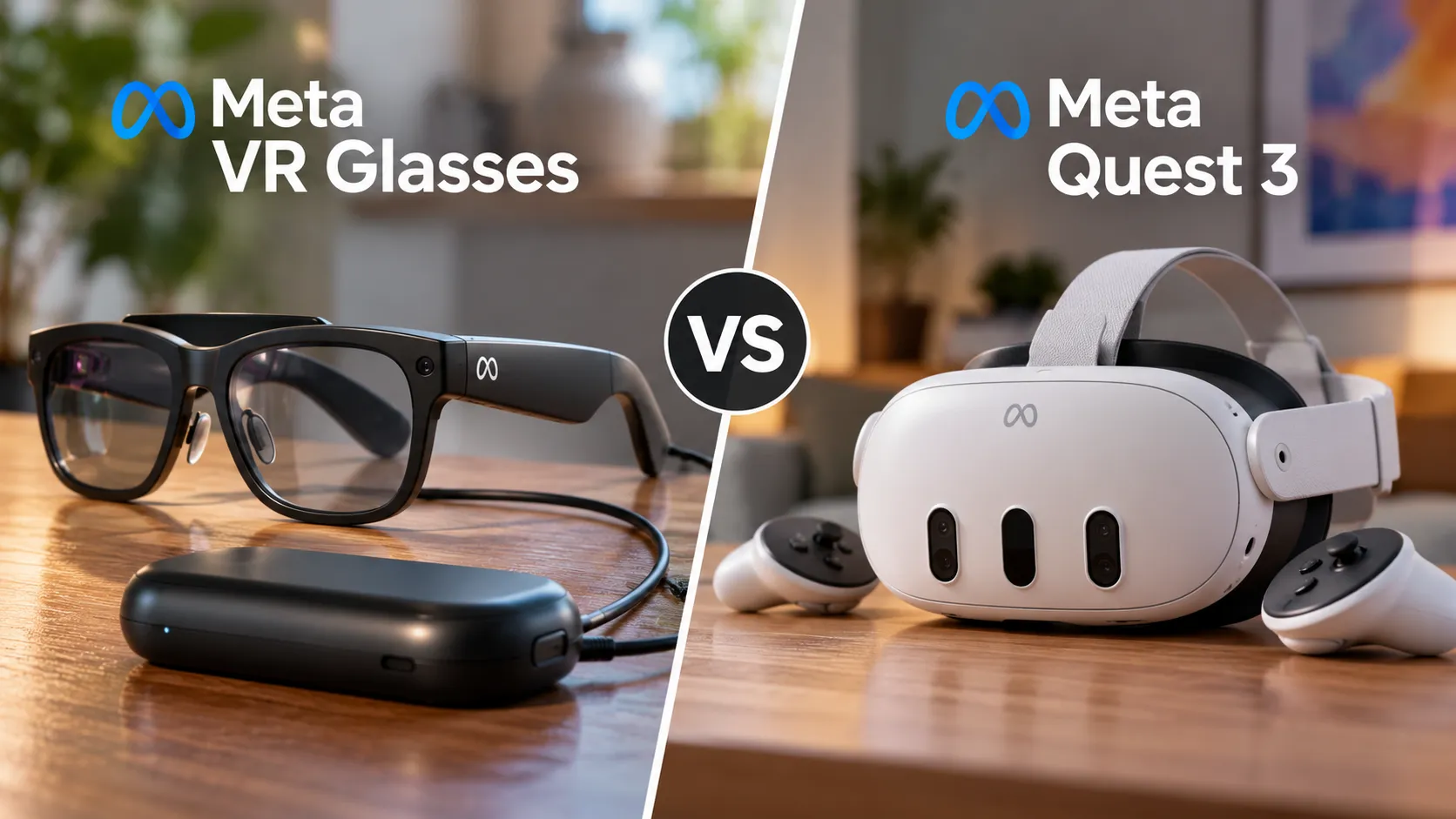
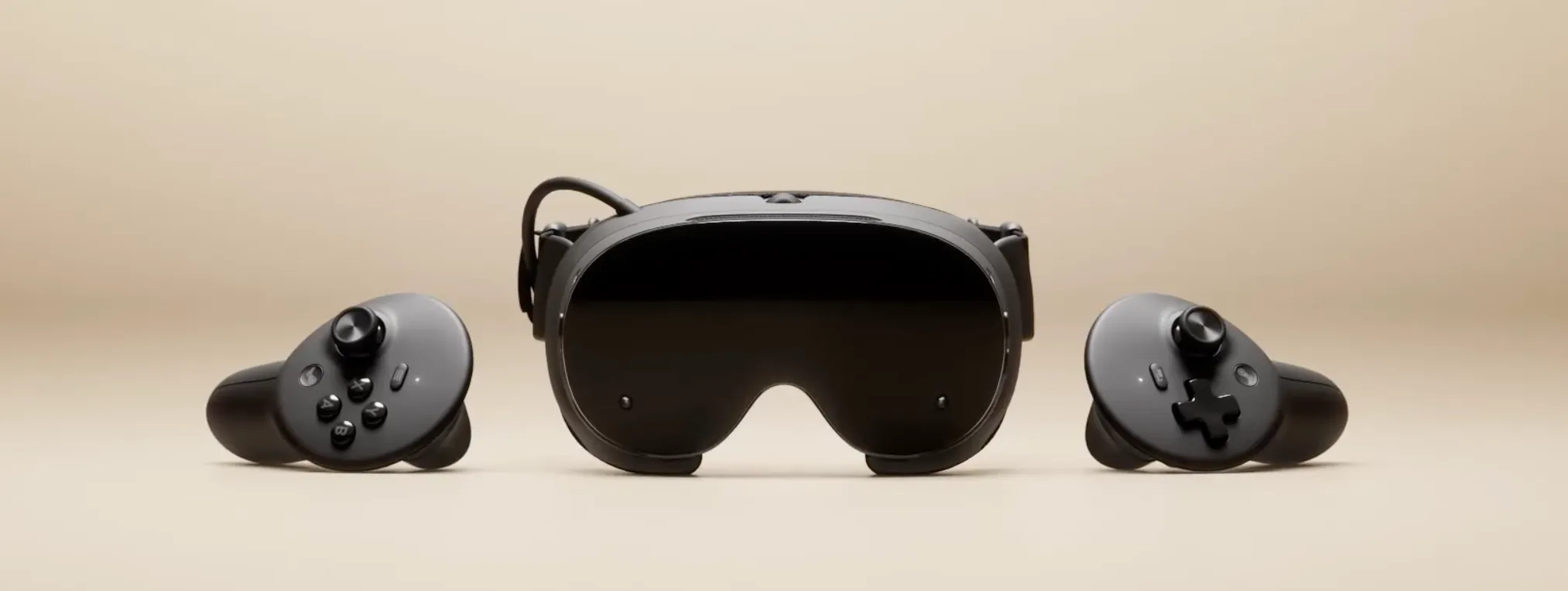
Meta has the distribution and the brand partnerships. The glasses look like normal eyewear multiple reviewers have noted that friends didn't notice the cameras embedded in them, per the EFF. That invisibility is the single most important factor in mainstream adoption. It is also the category's most serious liability.
Every AI feature requires a server round-trip. EFF's analysis says the glasses cannot execute AI functions locally so any voice command involving the AI routes footage to Meta's infrastructure. By default, captured media is automatically imported into the Meta AI app, which is required for device setup. Some of that video feeds AI training and has been reviewed by human contractors; a Swedish newspaper investigation found workers annotating footage that included sensitive content, including nudity. Meta told the BBC this is consistent with its terms of service. Audio from Meta AI conversations is saved by default and requires manual deletion after each session.
On bystander signaling, the EFF writes that Meta's glasses have a small indicator light when recording video footage, but one that cheap hacks can disable. That's the disclosure mechanism for a device that most people around you won't recognize as a camera.
The EFF also flagged internal discussion suggesting Meta hopes to add facial recognition to its glasses, timed, as internal communications apparently framed it, for "a dynamic political environment where many civil society groups that we would expect to attack us would have their resources focused on other concerns." The EFF called such an addition something that would "obliterate the privacy of everyone." None of these trust problems are addressable by better hardware. They are architectural choices.
Against the four tests: Meta fails on processing (cloud-dependent, no local AI), fails on defaults (media auto-imported, audio saved), passes weakly on bystander signaling (indicator light exists but can be defeated), and fails on verification (no independent audit mechanism).
Google Android XR: open platform, unverified commitments
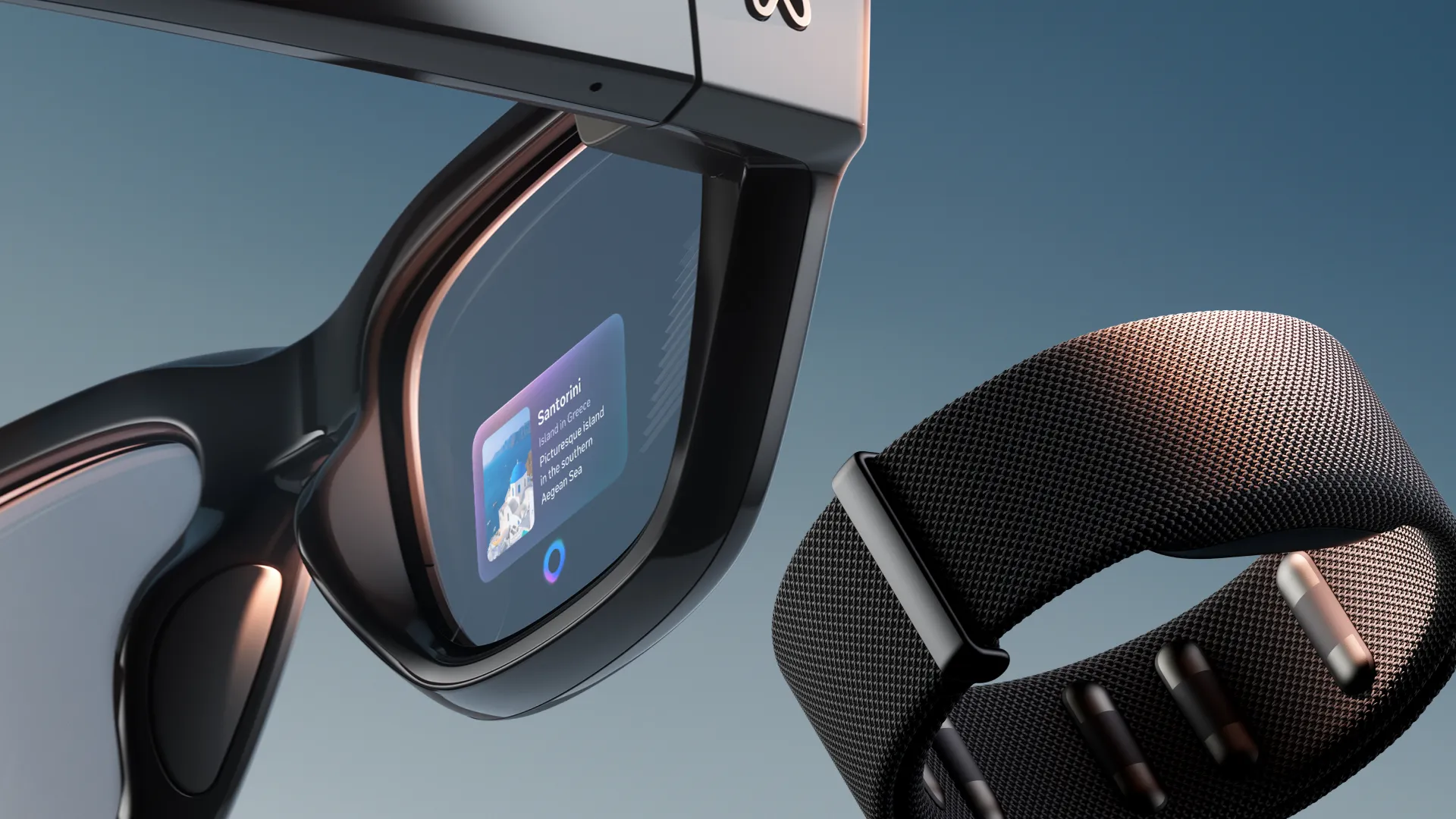
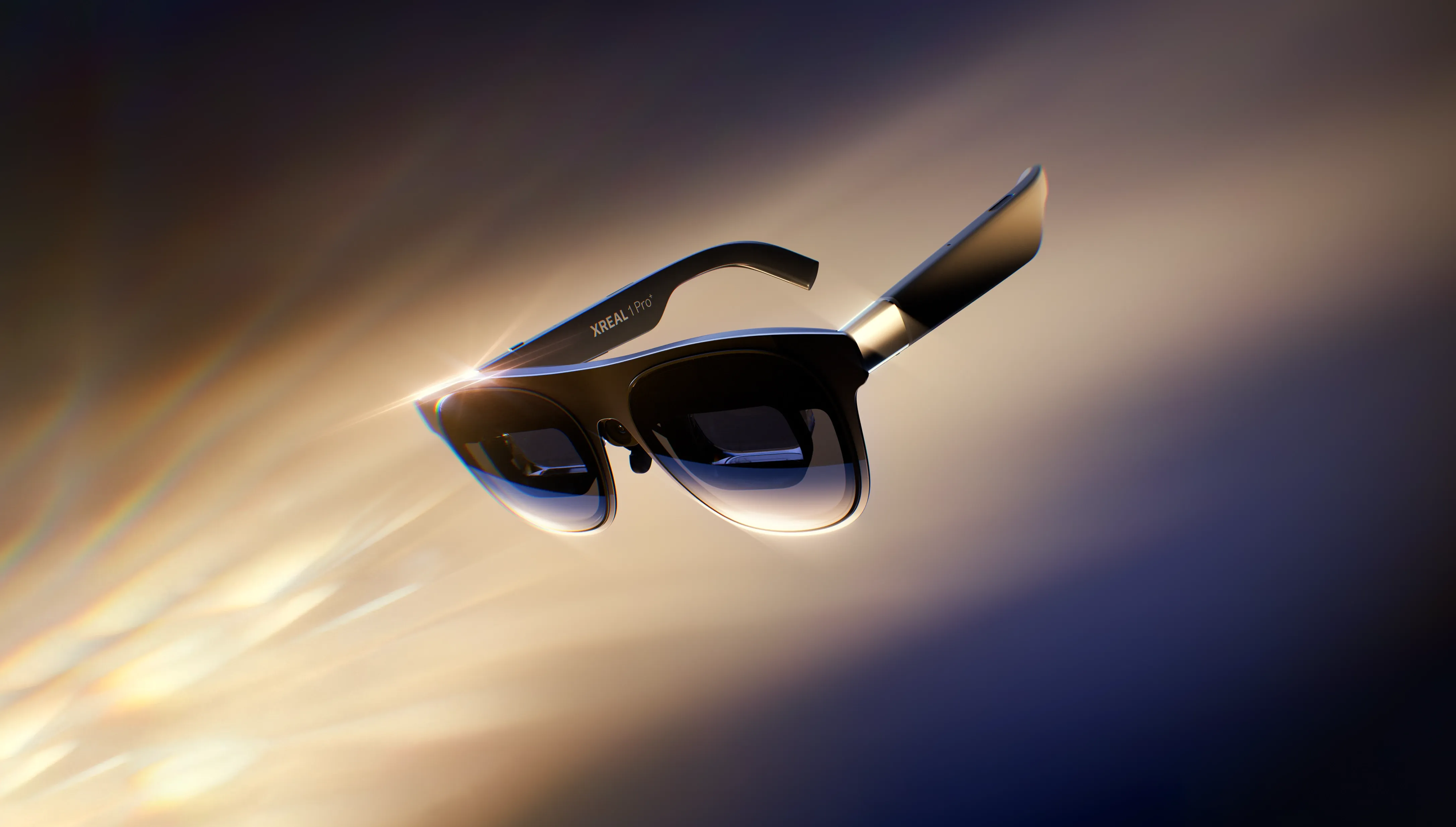
Google's Android XR strategy is deliberately broad. The platform supports both Android and iOS phones, per Google's I/O 2026 announcement. Hardware partners include Samsung, Warby Parker, and Gentle Monster the latter two chosen because, as Google noted at I/O 2025, "glasses can only truly be helpful if you want to wear them all day." Audio glasses are launching first, later this fall; display glasses are part of the broader roadmap but no release timeline has been specified. Developers can begin building for the platform later this year. Cross-platform support plus a multi-partner hardware strategy gives Google the widest potential reach of any player in the category.
The privacy model is where the evidence thins out. Google's May 2025 announcement stated it is working to ensure the product "respects privacy for you and those around you" and is testing with trusted testers. That is a stated intention, not a documented architecture. How Gemini processes visual queries, what is retained on-device versus transmitted to Google's servers, what bystander signaling looks like none of that has been publicly specified. The same Gemini integration that makes the glasses contextually intelligent is precisely what makes the processing question consequential.
The open-platform model creates scale but complicates uniform enforcement of privacy standards across multiple hardware manufacturers. When Google's privacy commitments flow through Samsung, Warby Parker, and Gentle Monster hardware simultaneously, the weakest implementation sets the floor.
Against the four tests: Google currently answers only the stated-intention test. The architecture to back that claim has not been published.
Apple smart glasses: documented architecture, unannounced product
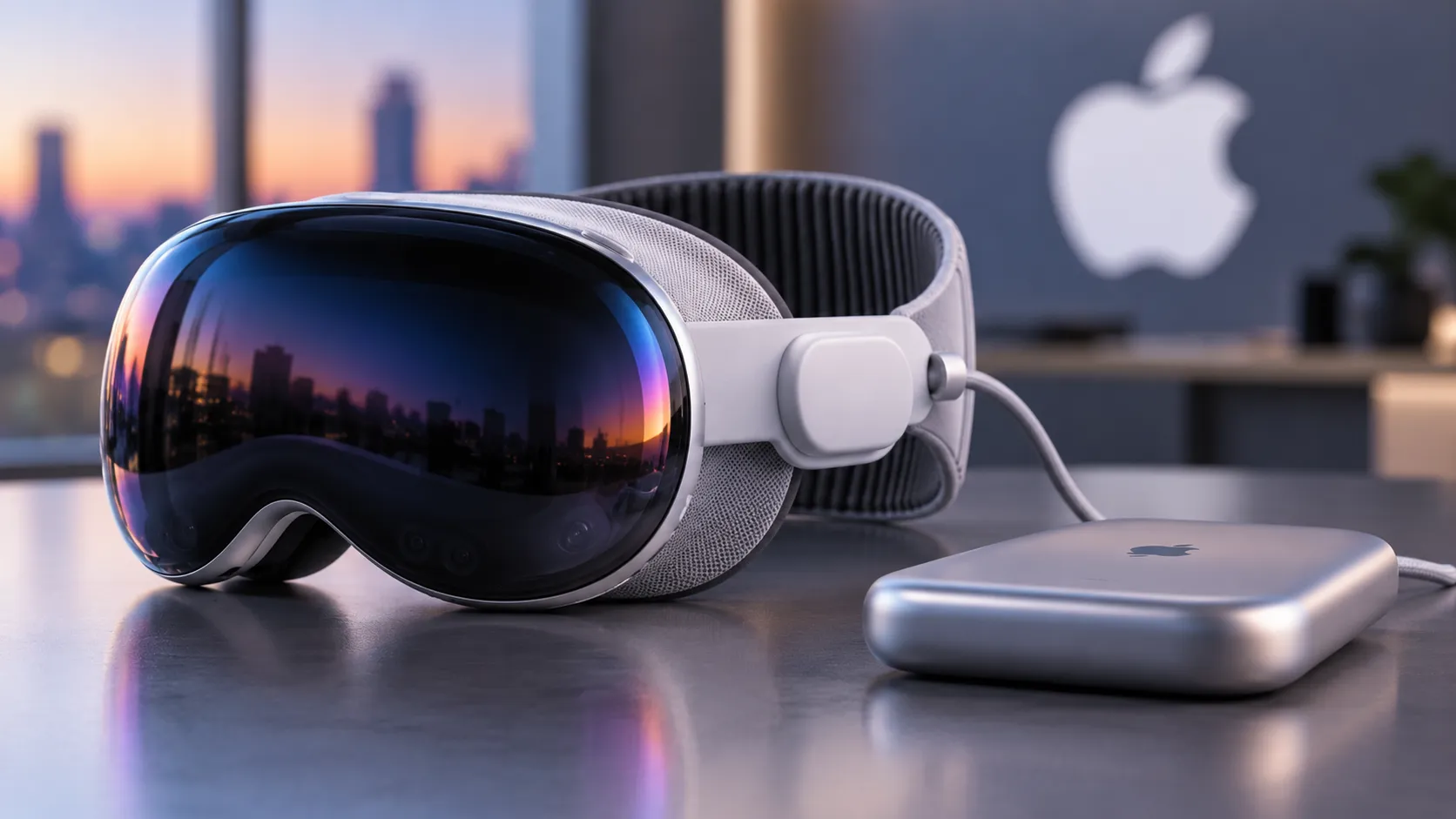
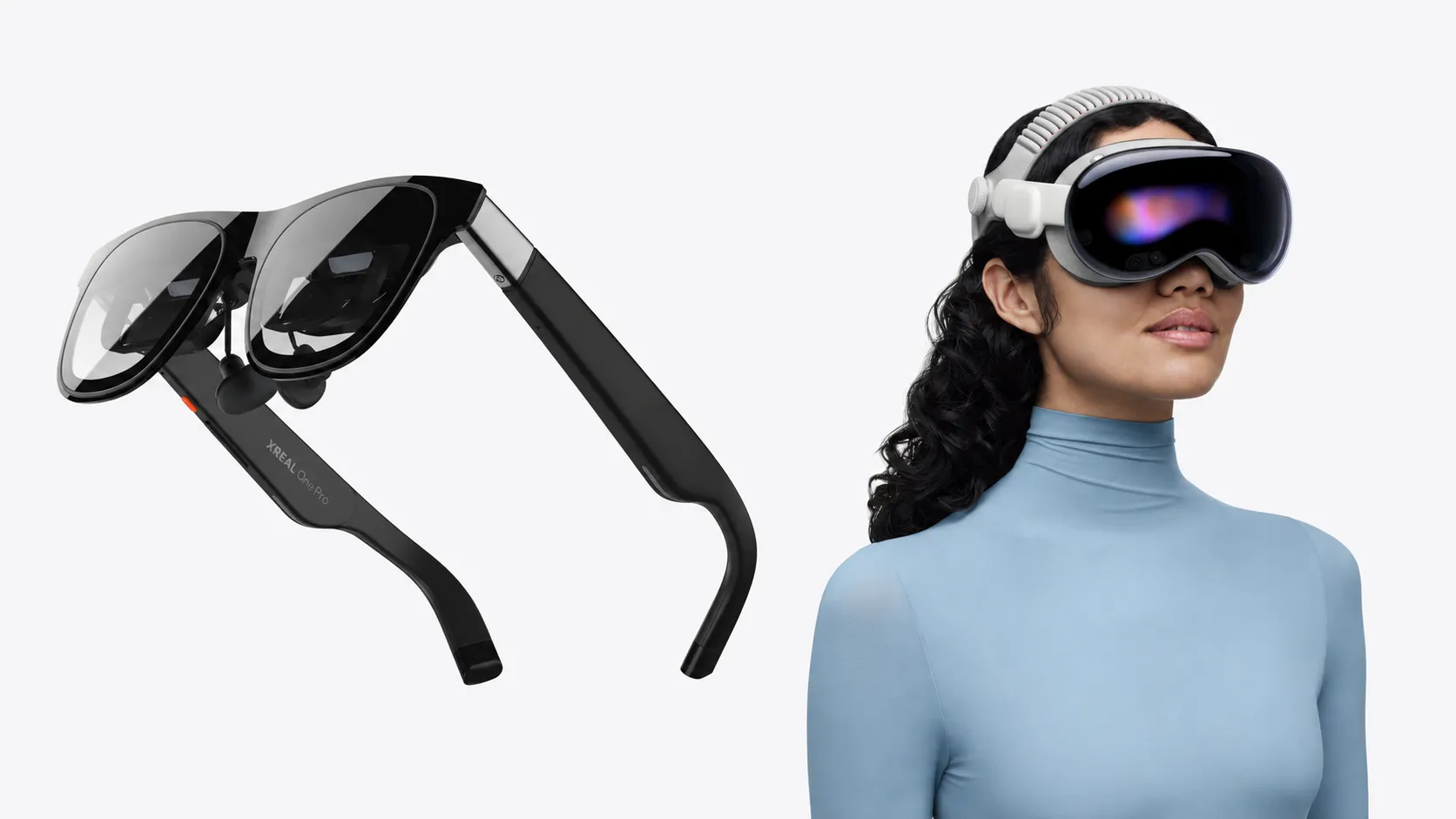
Apple has not announced smart glasses. Any argument about Apple's competitive position rests on inference from Vision Pro and Apple Intelligence. That caveat belongs at the front of this section, not buried at the end. With it stated: the question worth asking is whether the infrastructure Apple has already built would give a hypothetical glasses product a structural trust advantage. On the published evidence, it would and the advantage is specific.
Two building blocks are directly relevant.
On-device AI processing and cloud verification. Apple Intelligence uses on-device processing whenever possible, per Apple's March 2025 announcement. When queries require cloud compute, Private Cloud Compute handles them under a documented constraint: user data is never stored or shared with Apple, is used only to complete the immediate request, and the code running on Apple's servers is available for inspection by independent security researchers who are already auditing it. That last element is the most distinctive feature in the competitive set. It is an external verification mechanism, not a self-reported assurance.
Photo and video privacy by default. Photos and videos used in any Apple Intelligence feature are not shared with Apple or anyone else, Apple confirmed in both its February and March 2025 disclosures. This is the default state, not an opt-out.
visionOS 26 also introduced a Protected Content API that prevents screenshots, copying, and screen sharing for confidential materials in enterprise contexts, per Apple's announcement last year. The direct relevance to consumer smart glasses is limited, but it illustrates Apple's pattern of building access controls at the architecture level rather than delegating them to user settings.
Against the four tests, based on the Vision Pro record: Apple would pass on processing (on-device by default, inspectable cloud when needed) and on defaults (no storage, no sharing). The bystander signaling question the hardest problem for any company is completely unanswered for glasses. So is the more fundamental question of whether on-device AI processing is even thermally feasible in a frame light enough to wear all day.
Apple's privacy principles are documented. Their application to always-on face-worn hardware is theoretical. That gap is real and should not be papered over.
Apple smart glasses vs Android XR vs Meta Ray-Ban: what actually differs
Laying the three positions side by side makes the pattern visible.
Meta Ray-Ban shipping now. AI processing is cloud-dependent with no local execution. Default behavior sends media to Meta's app automatically and saves audio conversations until manually deleted. Bystander signaling exists as a small indicator light that can be disabled with cheap modifications. No independent verification mechanism for privacy claims. The architecture in place is the liability.
Google Android XR audio glasses shipping this fall. Processing model unspecified publicly. Ecosystem reach is the widest of any player, with cross-platform phone support and multiple hardware partners. Bystander signaling approach unpublished. Privacy commitments are on record as intentions; no architecture has been published to verify them. The open-platform model distributes risk and complicates enforcement.
Apple no product announced. Based on Vision Pro and Apple Intelligence: on-device processing by default, cloud queries handled without data storage, independent code inspection already underway, photo and video data not shared by default. Bystander signaling for glasses entirely unknown. Thermal feasibility of on-device AI at glasses form factor undemonstrated. The privacy architecture is the asset; whether it survives the hardware constraints of a glasses frame is an open question.
The implication is not that Apple wins this comparison. It is that Apple, on the published evidence, appears structurally better positioned on privacy assuming it carries its documented architecture into a glasses form factor, and assuming the form factor allows it. Both assumptions are significant. What Apple avoids is arriving with a record to defend. Meta already has one. Google is building one in real time.
Bystander signaling deserves particular attention because it is the problem none of the three companies has solved. Meta's indicator light can be hacked off. Google hasn't published an approach. Apple hasn't announced a product. This is the hardest challenge in the category because it sits at the intersection of hardware design, social norms, and regulatory gaps and no amount of good cloud architecture fixes it. Whoever solves bystander signaling credibly will have answered the trust question that matters most to people who aren't wearing the glasses.
What to watch for when Apple (or anyone) ships
Google's Android XR audio glasses land this fall, per Google's I/O 2026 update, which means interaction norms for the category get set before Apple ships anything. Meta is accumulating trust liabilities with each AI interaction that leaves the device, per the EFF's analysis. Apple's Private Cloud Compute where user data is never stored and independent experts are already auditing the server code, per Apple's March 2025 disclosure is the most verifiable privacy architecture on the record, but it has never been tested in a form factor with a camera, worn all day, in public spaces.
Four questions will determine whether any of these products earn lasting trust. Does AI processing stay on the device or go to the cloud, and under what retention rules? What leaves the glasses by default, before the user changes a single setting? How are bystanders notified, and can that notification be defeated? Who outside the company can verify the privacy claims are actually kept?
Those aren't rhetorical. They're the criteria. When Apple eventually ships something, or when Google's first partners put hardware on shelves, those are the specs worth checking before the camera goes on your face.


Comments
Be the first, drop a comment!