


Senators demand answers from Meta over smart glasses
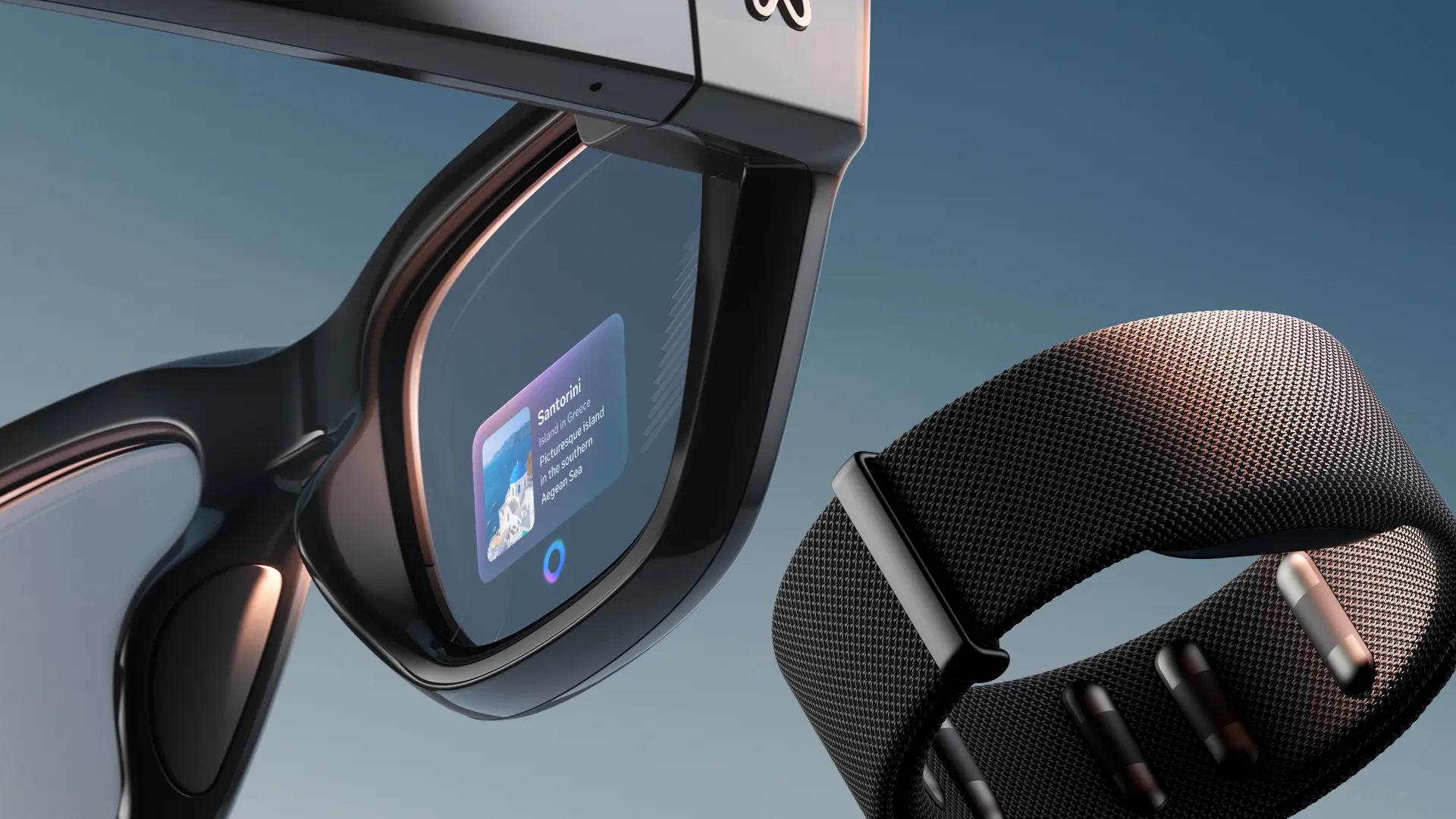
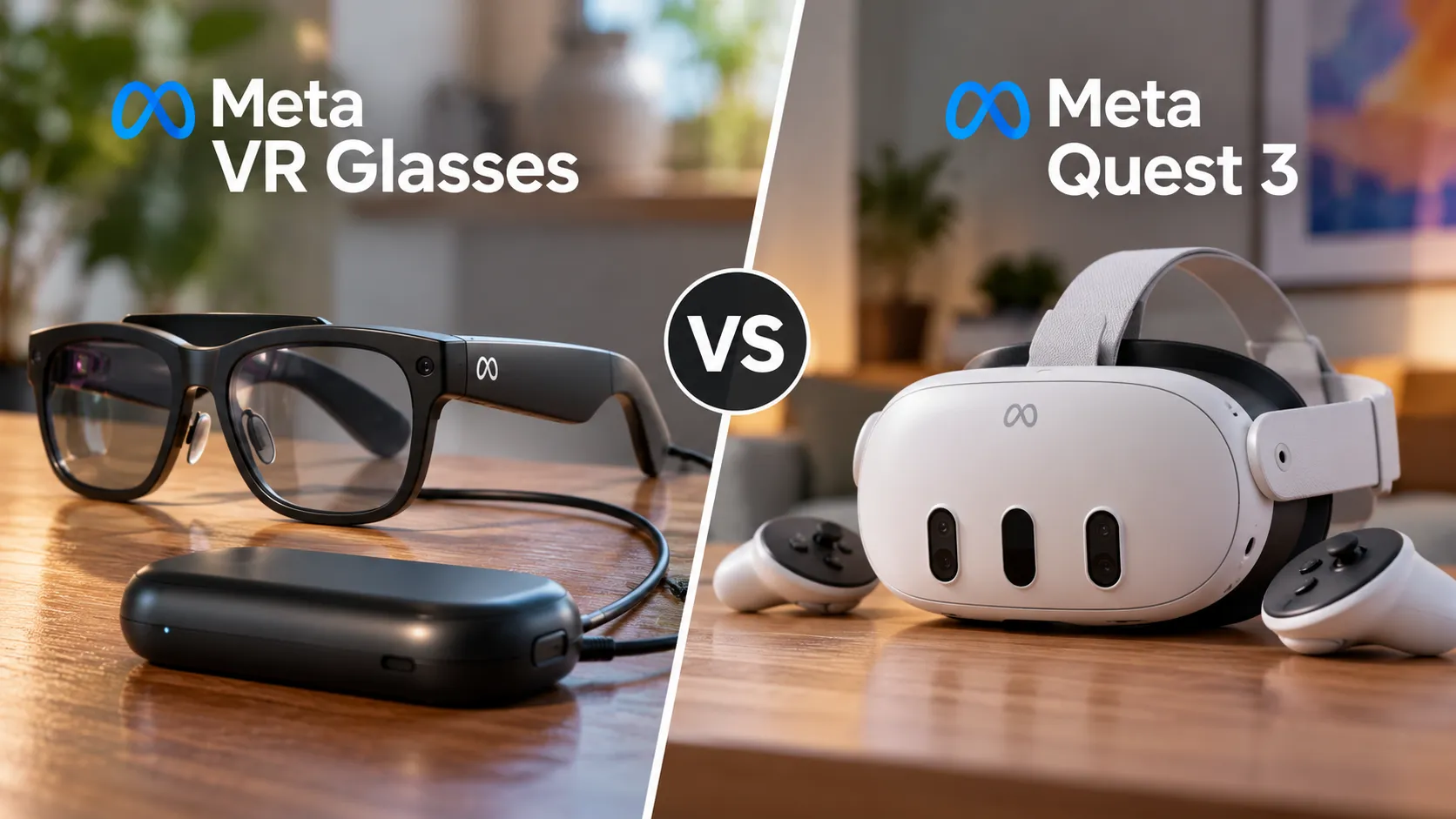
Sens. Ron Wyden and Ed Markey are the latest to demand answers from Meta over smart glasses, sending CEO Mark Zuckerberg a letter this week that presses the company for internal records on how it tests its devices and handles the data they collect, according to Bloomberg Law. The senators are examining privacy and safety risks tied to the glasses, pointing to non-consensual recording and the possibility that captured footage feeds Meta's AI systems.
This is the second time this year that senators have pressed Meta over its smart glasses, based on the reporting reviewed here. A March letter from Wyden, Markey, and Jeff Merkley focused specifically on reported plans to add facial recognition, with a response deadline of April 6 (Sen. Merkley's office). That deadline passed months ago, and the sources cited here don't report whether Meta answered by then.
Available reporting on the October letter doesn't show it repeating March's facial-recognition questions, so the two inquiries are best read as related but separate.
Why senators demand answers from Meta over smart glasses
The letter, dated Wednesday and addressed to Zuckerberg, asks Meta to turn over internal testing and risk-assessment records and to explain how data collected through its smart glasses gets used, Bloomberg Law reported this week.
Bloomberg Law frames that request against broader concerns that the glasses could enable non-consensual recording and that captured footage could train Meta's AI models. Whether the senators posed those concerns as formal written questions, or whether that's simply Bloomberg Law's characterization of their underlying worry, isn't clear from the account reviewed here.
The senators reportedly argued that Meta's stated commitment to privacy and to preventing intimate-image abuse doesn't hold up if these practices stay undisclosed, according to Bloomberg Law's characterization of the letter.
The full text, the exact question list, and any response deadline aren't reproduced in the sources available here. That limits how specifically this article can describe the October letter's scope.
Six questions from March's facial-recognition letter
Wyden, Markey, and Merkley's March letter put six specific questions to Meta about its facial-recognition plans, according to Sen. Merkley's office:
- Deletion: Can device owners and people captured on camera request deletion of their biometric data, and how would Meta ensure that happens?
- Model training: Does Meta use biometric data gathered through the glasses to train machine-learning models or refine facial-recognition algorithms, and would users get notice or an opt-out?
- Audits: Has Meta run internal privacy-impact assessments or commissioned outside audits of its biometric data practices?
- Personal databases: Would Meta let users upload photos of friends, coworkers, or public figures to build a personalized facial-recognition database?
- Platform risk: Has Meta evaluated the civil-liberties risks of linking real-time facial recognition to its social media platforms, including stalking, harassment, or doxxing?
- Law enforcement sharing: Does Meta intend to share biometric data or recognition outputs with federal, state, or local law enforcement, including the Department of Homeland Security?
These are questions the senators put to Meta, not confirmed descriptions of what the company's glasses do. The April 6 deadline has passed, and the sources cited here don't report whether Meta answered. The March letter remains the clearest public record of the biometric concerns Wyden and Markey have raised; nothing in this week's report establishes that the newer letter repeats them, only that the two senators have now pressed Meta twice in the same year to open its books.
What the Senate record confirms, and what it doesn't
According to the senators, Meta abandoned facial recognition across its platforms in 2021 citing ethical concerns, and they point to an internal memo they say shows the company intends to bring the technology back during a stretch when it expects less scrutiny (Sen. Merkley's office).
Bloomberg Law's reporting on the October letter doesn't address that 2021 policy history or the internal memo; its account is limited to the testing, risk-assessment, and data-use request described above (Bloomberg Law).
None of the sources reviewed here, including Bloomberg Law's account of the newer letter, include a Meta statement addressing the six March questions or describing a facial-recognition feature in any current or announced glasses model. That's a gap in the available reporting, not evidence either way about what Meta's glasses actually do.
Why a recording light doesn't answer the identification question
Recording video doesn't by itself establish that a device detects, matches, stores, or reuses faces for model training. Those are distinct technical capabilities, and it's the back half of that chain, matching and reuse, that the six March questions target.
Most smart glasses include a visible recording light that stays on during video capture and automatically disable recording if the light is covered or altered, policy researchers at ITIF wrote earlier this month, describing industry-wide design practice rather than any single company's engineering. The same research notes that misuse, not the capture function itself, has driven public backlash: enough people have aimed the glasses at women and girls without consent that critics have started calling the devices "pervert glasses."
That light tells a bystander when video is rolling. It says nothing about whether a face in that footage is later matched to an identity or fed into a training set, which is exactly the distinction the March questions were written to probe.
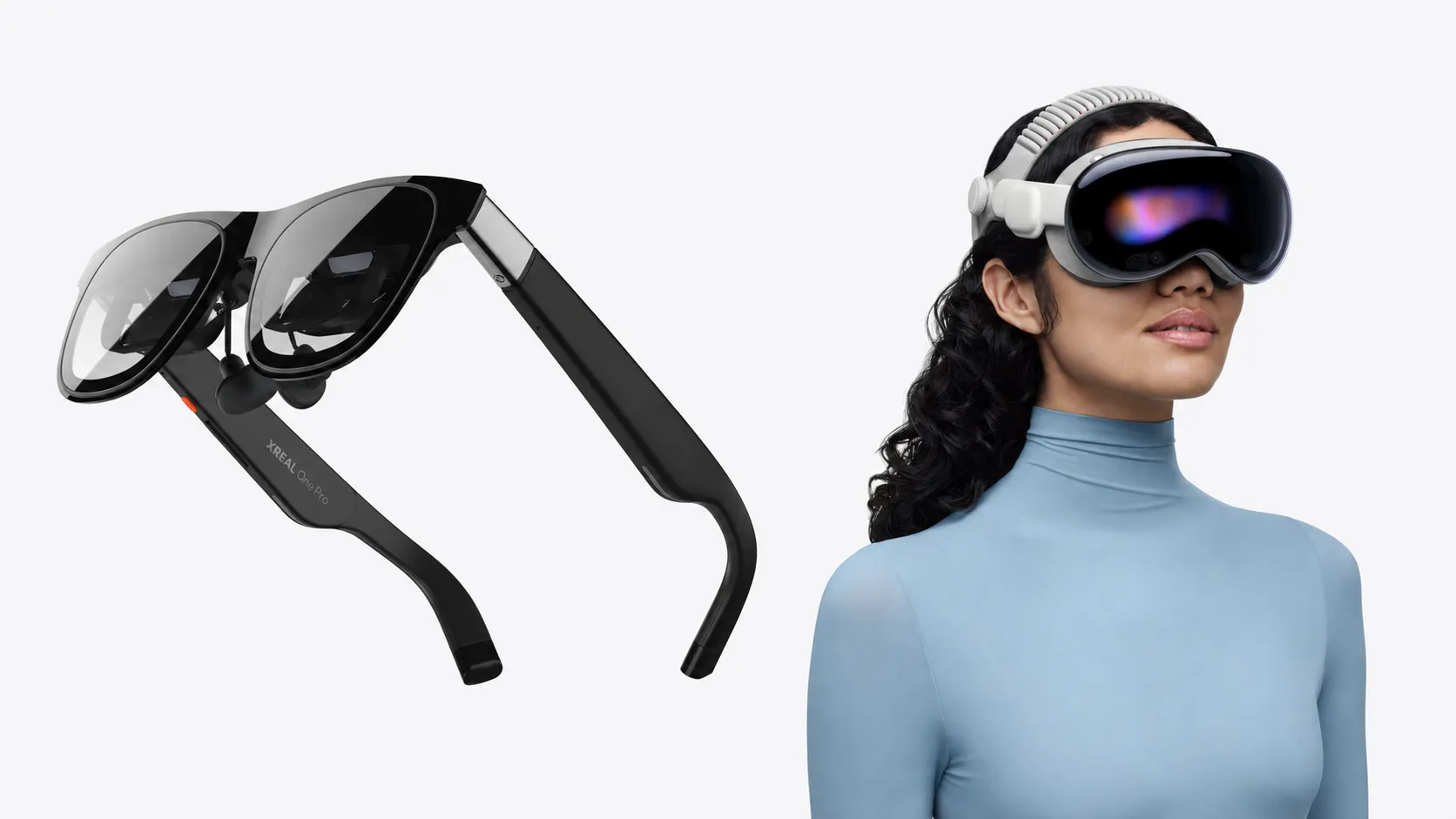
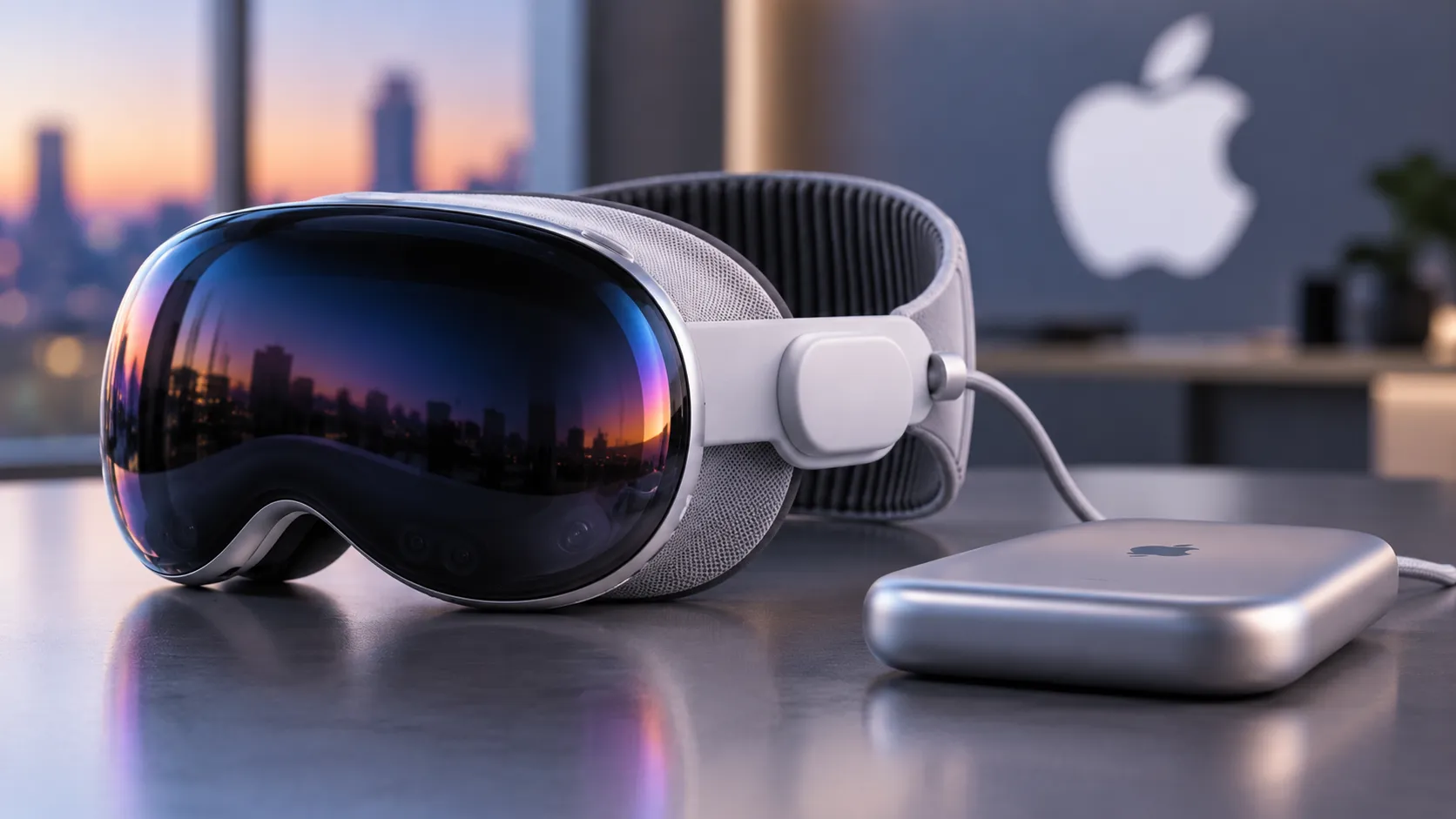
Other glasses makers are experimenting with different signals. Apple, whose own smart glasses aren't expected before 2027, has filed a patent for an audio or haptic alert instead of a light, arguing the filing that such a signal would be harder for a wearer to spoof than a visual indicator, according to ITIF. Whatever form the indicator takes, it still only confirms a camera is active, not what happens to the footage afterward.
Markey and Merkley's concern about face-identifying wearables isn't confined to one company, either. The two senators also led opposition to a Department of Homeland Security proposal to build biometric smart glasses for immigration officers, warning the agency could use the devices for covert identification in public (Sen. Markey's office). That proposed government system and Meta's consumer product are different technologies at different stages, and nothing in the available record indicates they share capabilities or deployment status.
No product change is confirmed
Meta faces two separate sets of Senate questions this year: one from March asking specifically about facial-recognition plans, and one from this week asking more broadly about testing records and data use. The sources cited here don't report a Meta response to either.
Together, the letters show lawmakers asking whether Meta's glasses extend beyond ordinary image capture into face detection, identity matching, biometric storage, model training, and law-enforcement sharing. Confirming any of that would take the full October letter, a Meta response, or independent testing and documentation, none of which appear in the record covered here.








Comments
Be the first, drop a comment!