


Apple smart glasses iPhone app integration hinges on Siri
Apple reportedly isn't building a dedicated software layer for its first smart glasses at all. Instead, the company is betting that Siri can act as a voice-operated remote control for apps users already have installed on their iPhone, according to Bloomberg via MacRumors. There's no separate glasses app store in the plan, no new interface model for developers to learn. Apple smart glasses iPhone app integration, as currently described, runs through existing Siri plumbing rather than a parallel ecosystem.
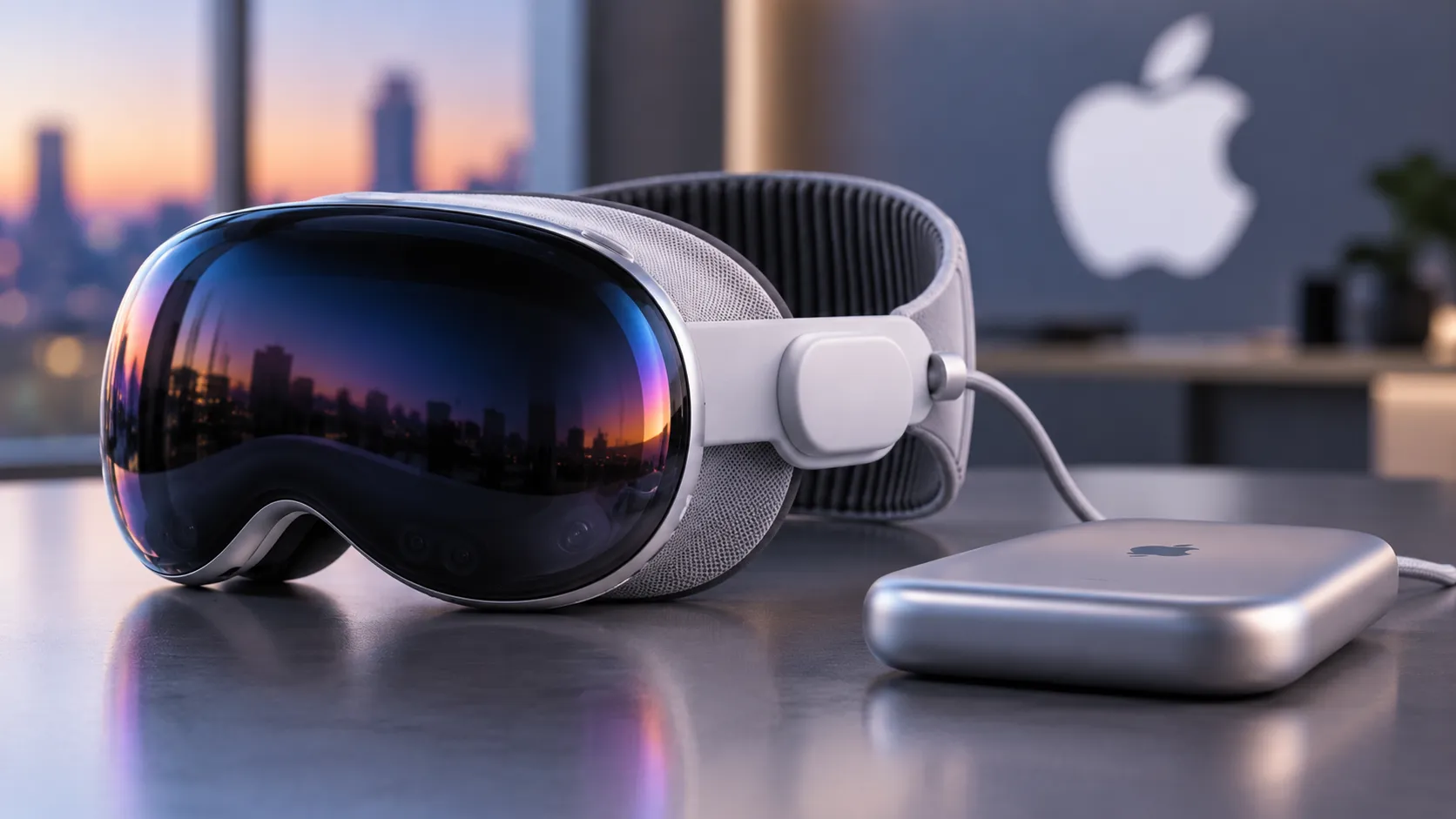
That framing matters because the first model reportedly skips an AR display entirely. Apple's first glasses won't project any visual imagery at all; wearers will interact through Siri instead, which taps the onboard cameras to answer questions about their surroundings, according to MacRumors. Without a screen, Apple still has to explain how Siri handles confirmations, disambiguation, or errors for tasks that would normally pop up a menu or a prompt. That's a design question the current reporting doesn't resolve, and it sits at the center of whether this strategy actually works.
Developers don't get glasses-ready integration simply because their app already lives in the App Store. They have to individually expose specific actions to Siri, and that work is sequenced rather than simultaneous: Apple's own apps are targeted for December 2026, with third-party developer access arriving sometime in 2027, according to MacRumors. Meta, meanwhile, says AI glasses are already worn by millions, and the company moved its Wearables Device Access Toolkit out of developer preview into a stable 1.0 release this fall, alongside new web-app and assistant-API paths, according to Meta's developer blog.
The question worth asking isn't whether Apple has more iPhone apps than Meta has glasses apps. It's whether Siri can turn that existing app footprint into something that actually functions hands-free, without a screen, on a timeline that leaves little room for software slippage. That's what developers and XR platform watchers need answered before deciding where to invest integration work ahead of Apple's rumored June 2027 unveiling.
How Apple smart glasses iPhone app integration would work through Siri
Apple's pitch to developers is simple on paper: don't write new software for the glasses, just modify the iPhone app you already have. Exposing the right functions to Siri would, in theory, let someone order a Starbucks coffee, book an Uber, reserve a table through OpenTable, or buy movie tickets without pulling out a phone, according to MacRumors.
That exposure work isn't automatic, and it isn't retroactive. The iOS 27.3 beta introduces the granular Siri app-action controls developers will need to build this, a capability Apple first demoed back in 2024 and has since rebuilt on newer AI models, per MacRumors. An app sitting in the App Store today, unmodified, gains nothing from the glasses launch. Someone on the development team has to go in and wire specific functions to Siri's action framework, one by one.
The rollout itself is staged. Apple's own apps get Siri action support in December 2026; third-party developers get access sometime in 2027, closer to the glasses' expected release than to now. The hardware has limited onboard computing, so most Siri requests route through a paired iPhone, which supplies the processing power and memory the frame lacks, according to MacRumors. That dependency isn't absolute: Wi-Fi lets certain functions outside third-party apps keep working without a nearby iPhone, and Gurman has suggested audio playback specifically could continue over Wi-Fi after someone walks away from their phone. The glasses still won't operate as a fully independent device.
What that leaves is a narrower advantage than "Apple has a bigger app store." The real differentiator, if it materializes, is how many of those existing apps get individually wired into Siri before the glasses ship, and that process is only just beginning. Nothing about App Store scale guarantees a developer actually does the integration work, and Apple's own timeline shows third-party access arriving close to launch rather than well ahead of it.
Siri actions versus Meta AI connectors
Apple's Siri actions and Meta's newly introduced "Meta AI connectors" are structurally similar ideas. Both let a company expose existing app or service functionality as a tool an AI assistant can call, without building a standalone piece of glasses software, according to MacRumors and Meta's developer blog. Meta describes connectors as turning an API into tools Meta AI can call: developers define the actions, and the assistant invokes them when someone needs the service. That's the same basic task Apple is asking of its developers. On this specific comparison, neither company has a clear structural edge yet, because both frameworks are new and unproven at scale.
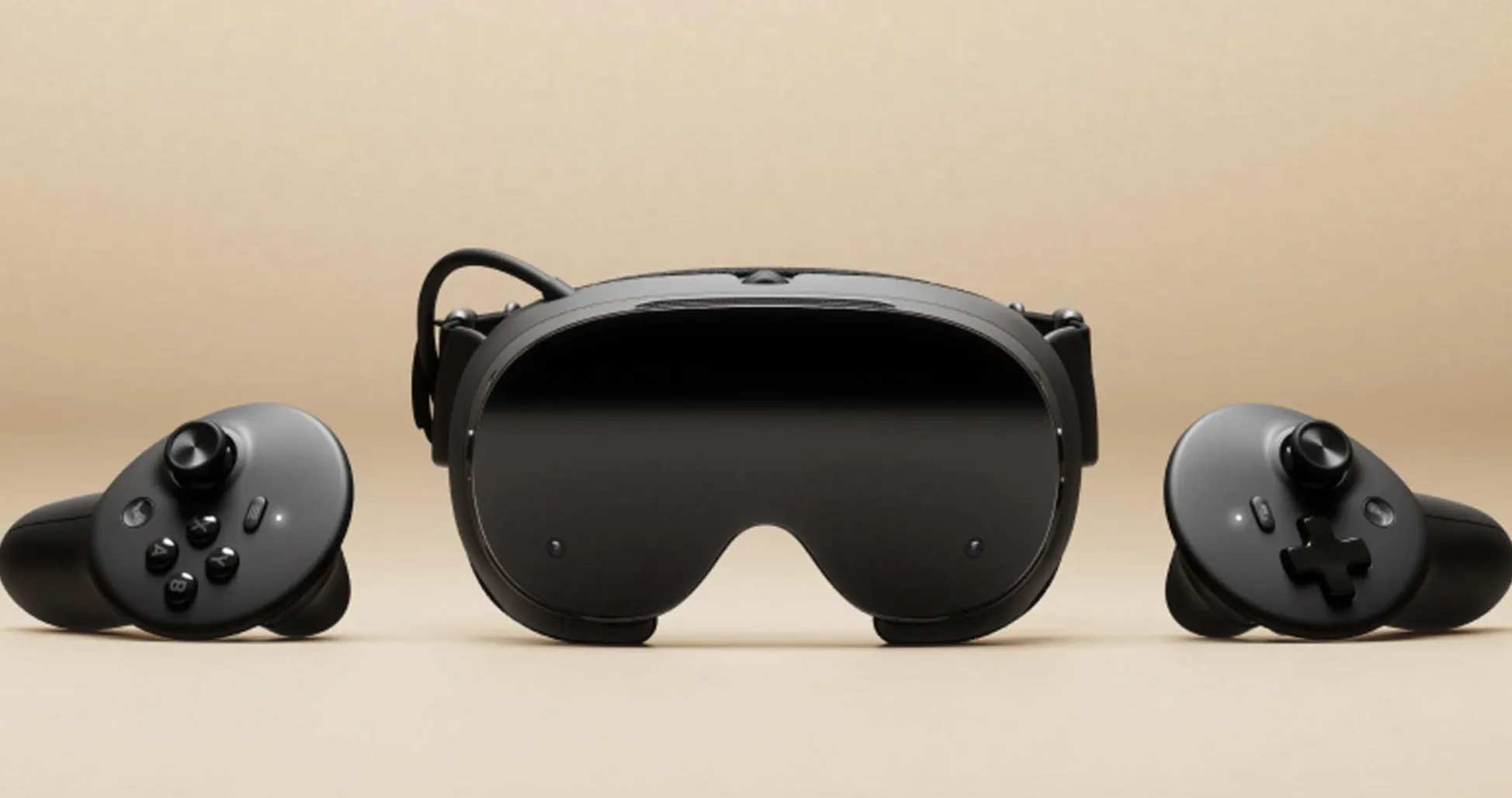
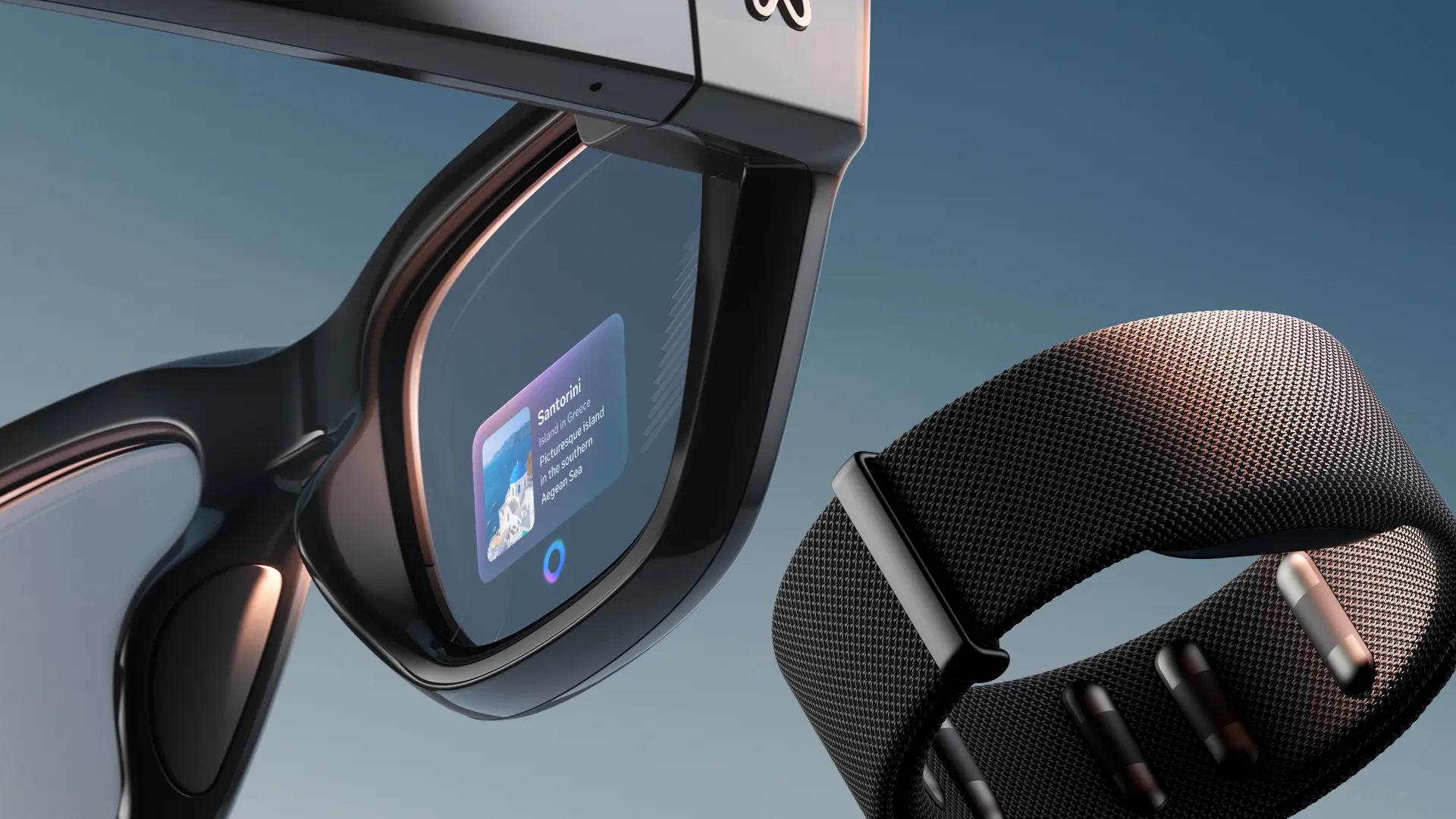
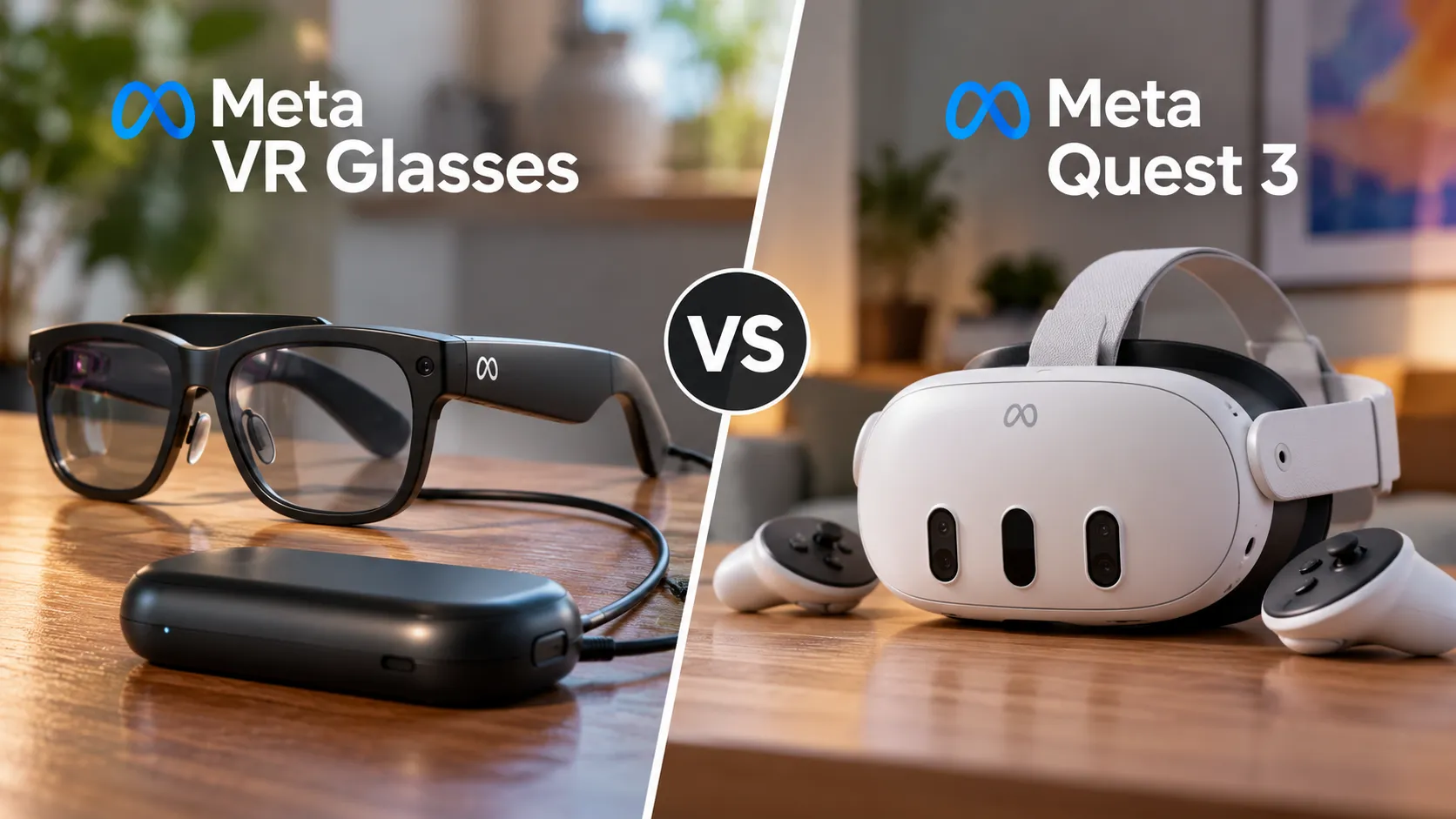
Where the platforms diverge is everything built around that core mechanism. Meta's Wearables Device Access Toolkit gives developers a native mobile SDK for both iOS and Android that extends an existing app to an in-lens display, and standalone web apps can run directly on Ray-Ban Display hardware with no companion app required, according to VR.org. That Android support stands in direct contrast to Apple's current plans, which require a recent iPhone and include no Android compatibility at all, per MacRumors.
Maturity on Meta's side is mixed rather than simply "open." When VR.org reported on the developer preview last spring, Meta was explicit that the toolkit allowed prototyping and sharing but not general publishing through a public storefront. By the time Meta's developer blog described the toolkit reaching a stable 1.0 release this fall, the company also announced two new discovery surfaces, one built into Ray-Ban Display itself and one inside the Meta AI app, as "coming soon." What's confirmed is that the underlying toolkit is now stable and supported. What isn't confirmed, based on available reporting, is whether those discovery surfaces have actually gone live or how broadly experiences can be distributed through them as of now.
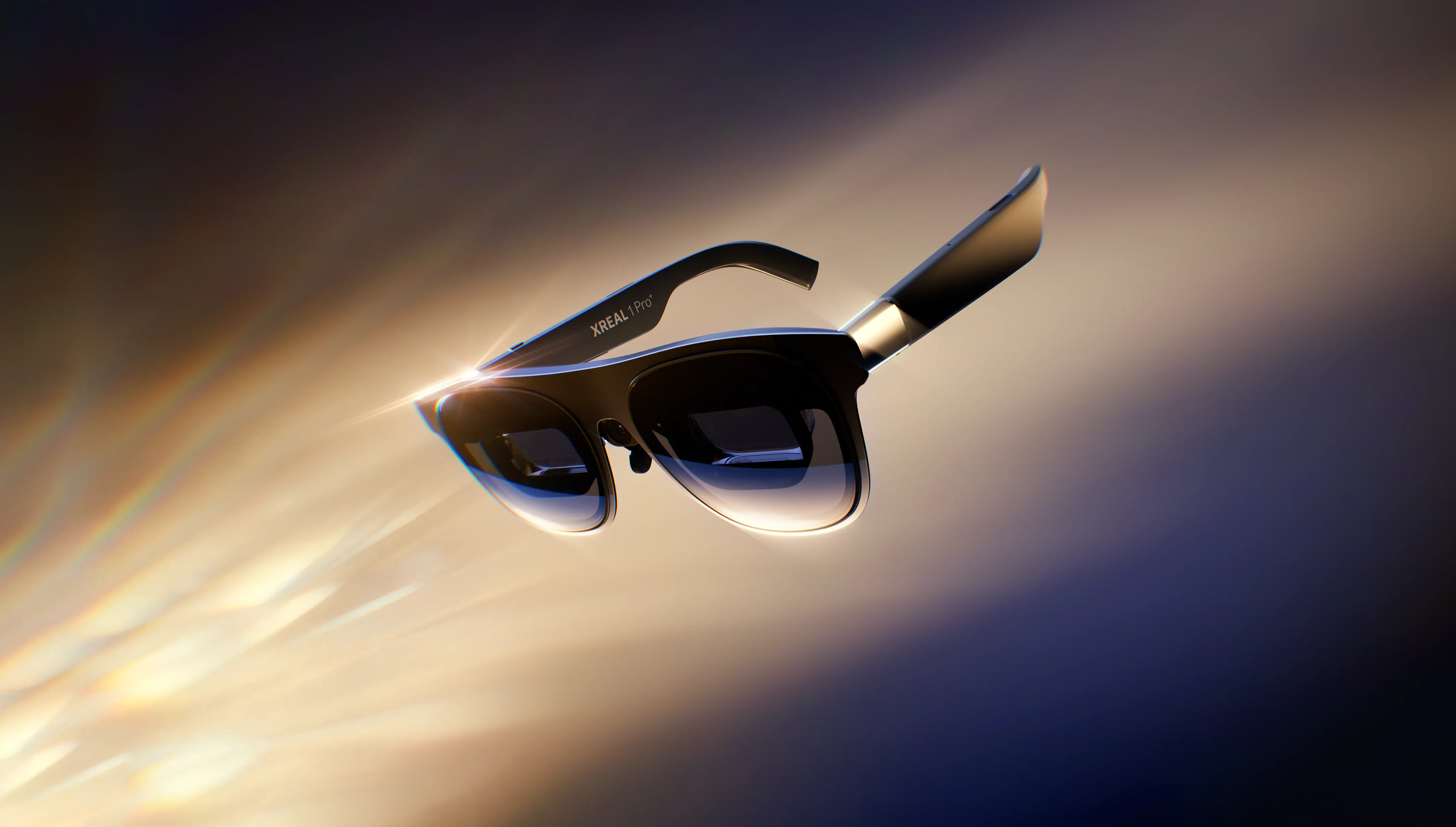
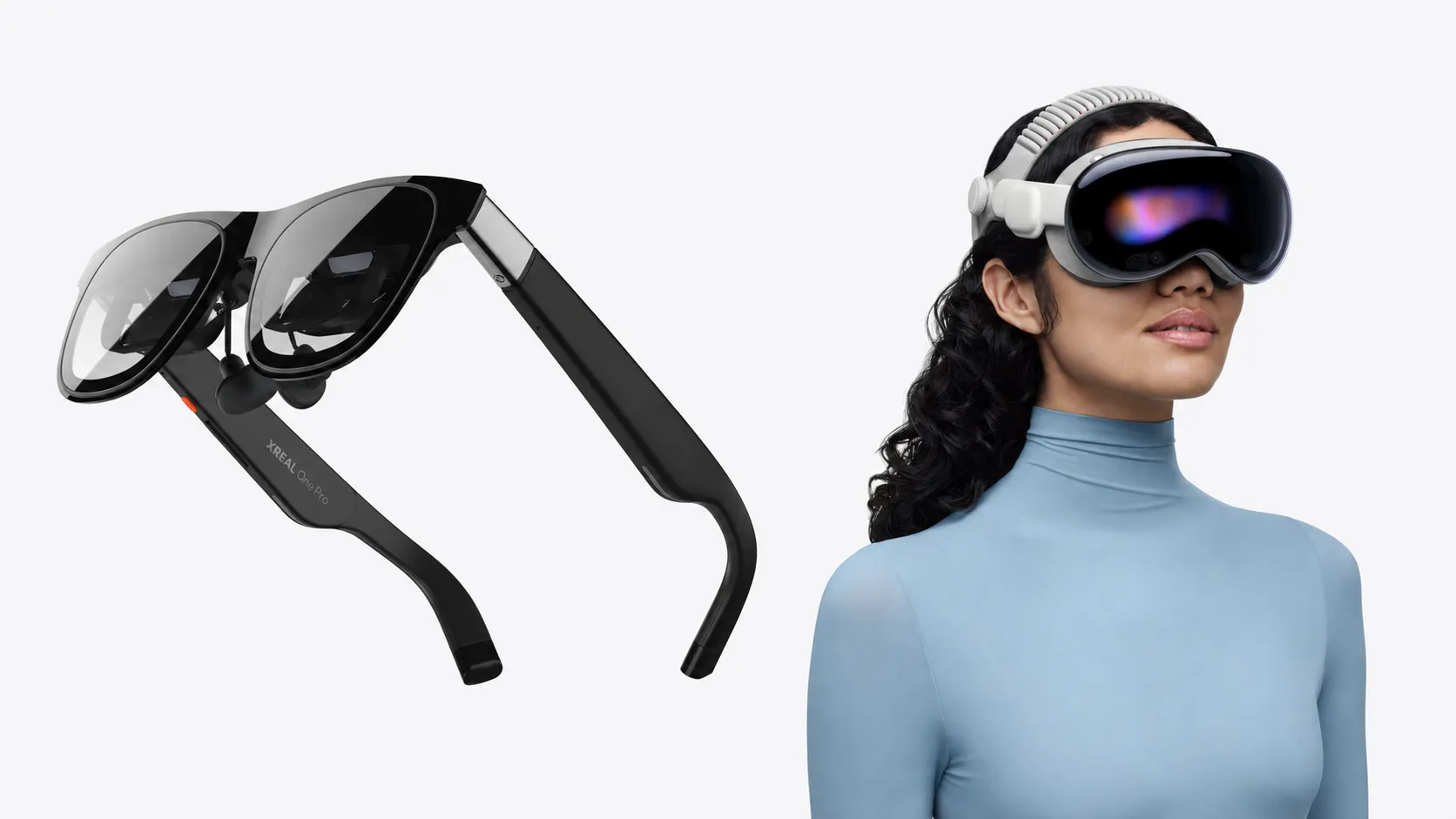
The display question is the more consequential dividing line. Apple's first glasses have no display at all, so Siri alone has to carry every interaction. Exactly how the system conveys a confirmation, a disambiguation prompt, or an error message without a screen remains unaddressed in the reporting so far. Meta isn't alone in building toward this space, either: VR.org notes Google is developing its Android XR ecosystem with hardware partners including XREAL and Samsung at the same time Meta is opening its platform to outside developers, underscoring that Apple's eventual competition won't be limited to Ray-Ban Display alone.
Both companies are converging on the same basic assistant-to-service pattern. The difference is that Meta gives developers a choice between a lean voice-only path and a richer visual one, while Apple's strategy currently has no visual fallback to offer. That's a materially harder design constraint, not a disqualifying one, but it raises the stakes for the next question: whether Siri alone can carry the full weight of these interactions.
What has to be true for the Siri bet to work
Recognizing a spoken request like "book me a table" is the easy part. Everything that follows is harder: figuring out which restaurant or which Uber destination the person means, confirming they're logged into the correct account, requesting permission, authenticating a payment, and recovering gracefully if something goes wrong, all without a screen to display options or confirmations, according to MacRumors. The reporting leaves a central question unanswered: there's no public data, from Apple or from independent testing, addressing Siri's error rate, response latency, or its ability to complete multistep transactional flows of this kind. That gap is the biggest open variable in the strategy, and readers should treat it as unresolved rather than assume it gets solved by launch.
Apple does have a layer of planned functionality that doesn't depend on third-party developers doing any integration work at all. Reported first-party capabilities include using the cameras to identify buildings, translate signs and conversations, provide directions, suggest meals based on what's in a refrigerator, and handle reminders, messaging, calls, and smart-home control, per MacRumors. These are reported, planned capabilities rather than demonstrated ones, and like the third-party features, they still rely primarily on a paired iPhone for processing power. Only a narrow set of functions, such as continued audio playback, are expected to work over Wi-Fi without the phone nearby. Even Apple's fallback layer, in other words, isn't fully independent of the phone pairing the whole strategy depends on.
The runway for fixing any of this is tight. Apple is reportedly targeting a WWDC unveiling in June 2027, with shipments beginning before the end of that year. Gurman notes the hardware is largely settled at this point, but the software and AI components, the same pieces the Siri-dependent strategy requires, are running late, according to MacRumors. A hardware design that's finished doesn't help much if the assistant layer powering every interaction isn't ready when the glasses ship.
Reach adds another constraint beyond software readiness. Apple's plans still require a recent iPhone with no Android support, a gap noted above, and that matters most for any organization weighing hands-free workflows across a mixed device fleet. The entire model assumes every wearer is already inside the iPhone ecosystem, which narrows who can realistically adopt it on day one.
None of this rules out Apple's approach succeeding on baseline utility. Navigation, translation, and reminders don't require the same multistep transactional reliability that ordering coffee or booking a ride does, and those simpler use cases could work even if commerce integrations lag. But the case for beating Meta specifically rests on that harder, unverified layer: Siri completing complex, multistep transactions hands-free, on a 2027 timeline that leaves little margin for the software delays Gurman has already flagged.
Developers deciding where to invest integration work should watch for Apple's third-party Siri action documentation when it arrives in 2027, particularly how it handles confirmation and payment authentication without a screen, what eligibility and distribution terms apply, which iPhone and iOS versions are required, and whether Apple ships testing or simulator tools comparable to the browser-based simulator Meta already offers its developers. Until that documentation exists, Apple's strategy remains a plan built around a Siri capability nobody outside the company has yet seen perform the multistep tasks it's being asked to carry.




Comments
Be the first, drop a comment!