


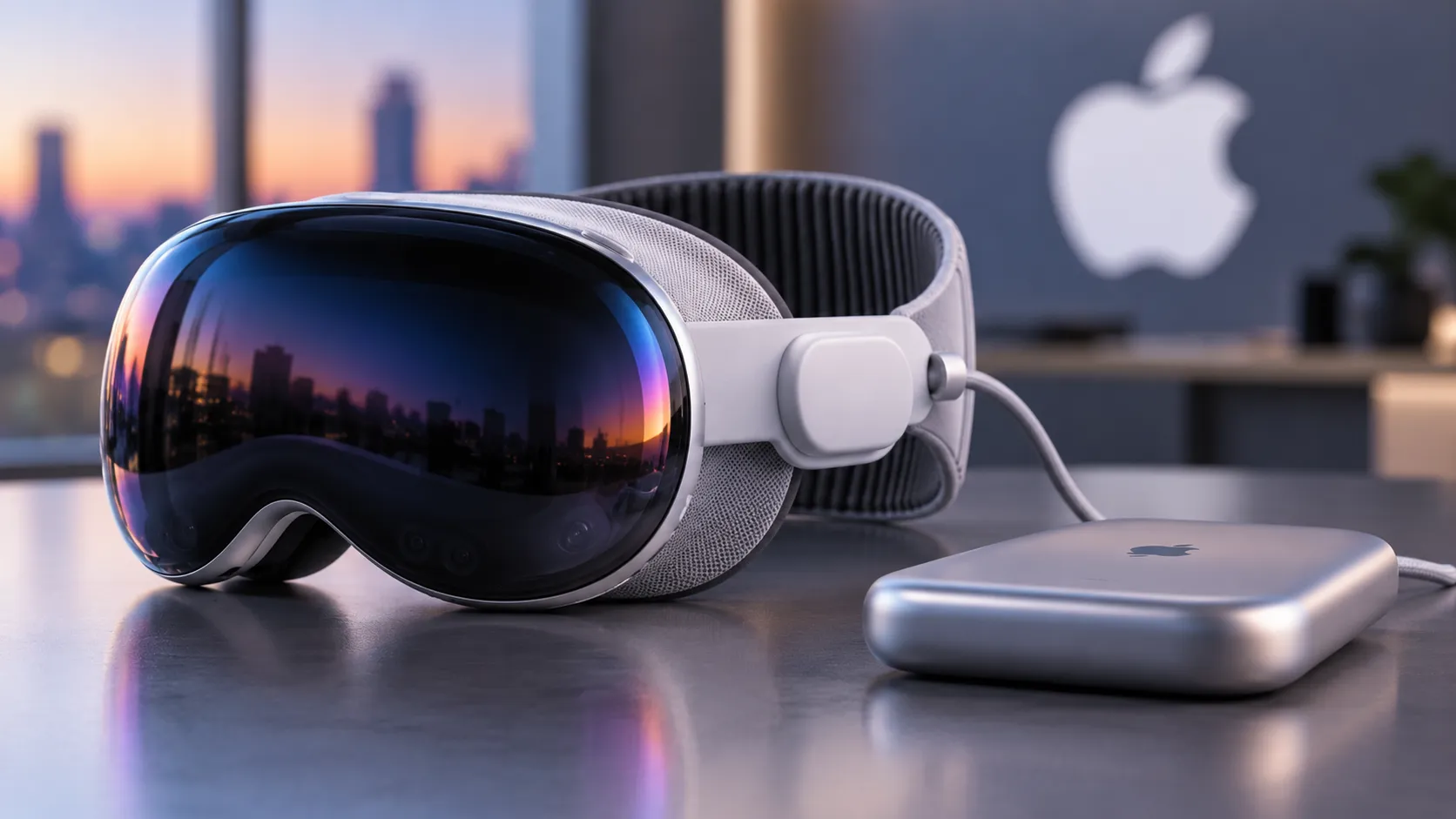
The new Apple Vision Pro headset that Apple is reportedly testing under the code name N224 might never reach shelves. Bloomberg's Mark Gurman describes the project as being on "life support," with no guarantee it ever launches.
Apple's Vision team is reportedly exploring roughly four concepts for the device. Public reporting has described two in detail: an external computing module similar to Meta's approach and a lighter version of Vision Pro's current all-in-one design.
The split reflects disagreement inside Apple over the direction of the headset. Senior decision-makers reportedly consider the external-puck approach a "poor user experience," even as the company's nearer-term attention shifts toward smart glasses expected in late 2027, according to MacRumors.
The design fight: puck versus all-in-one
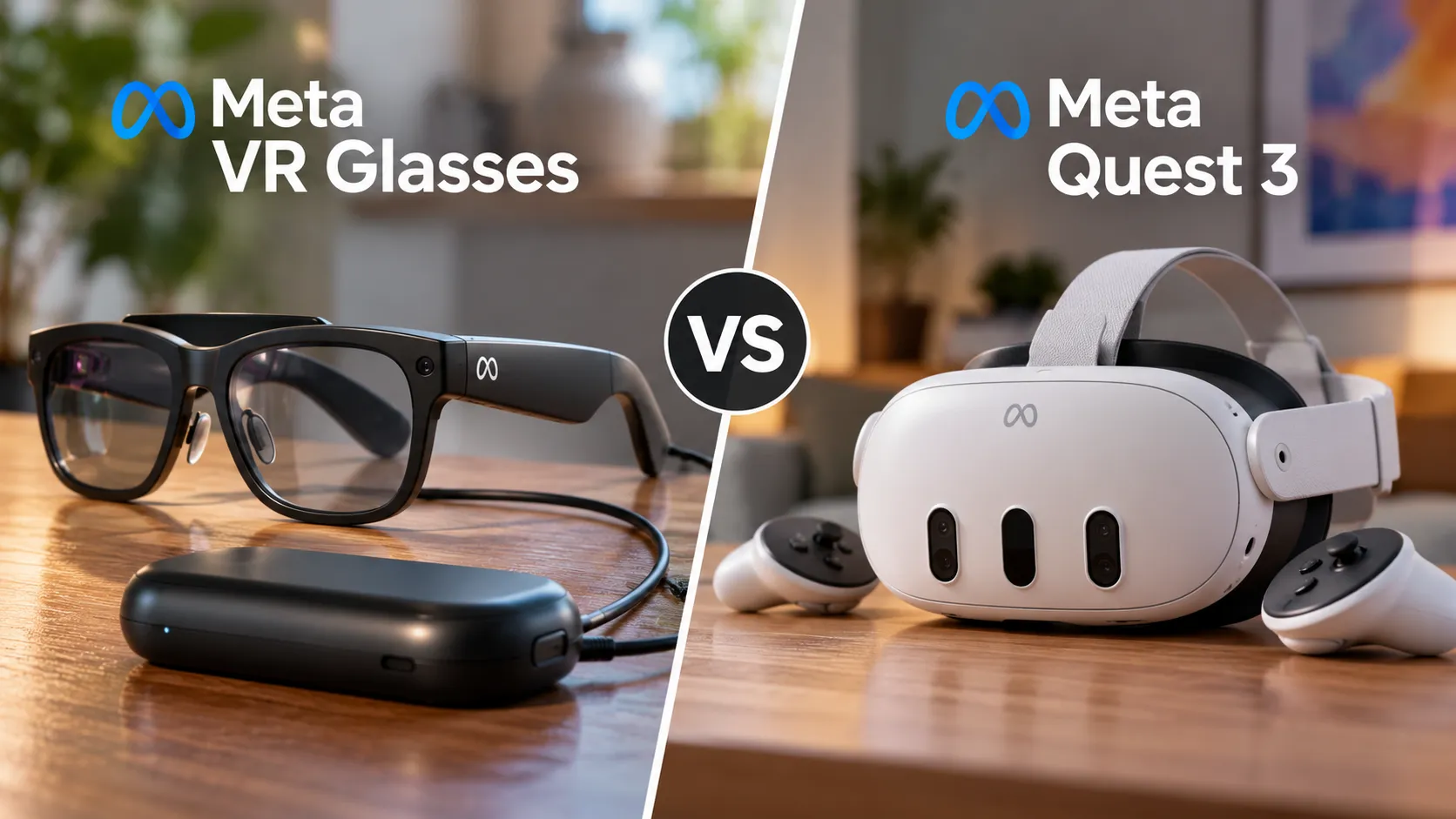
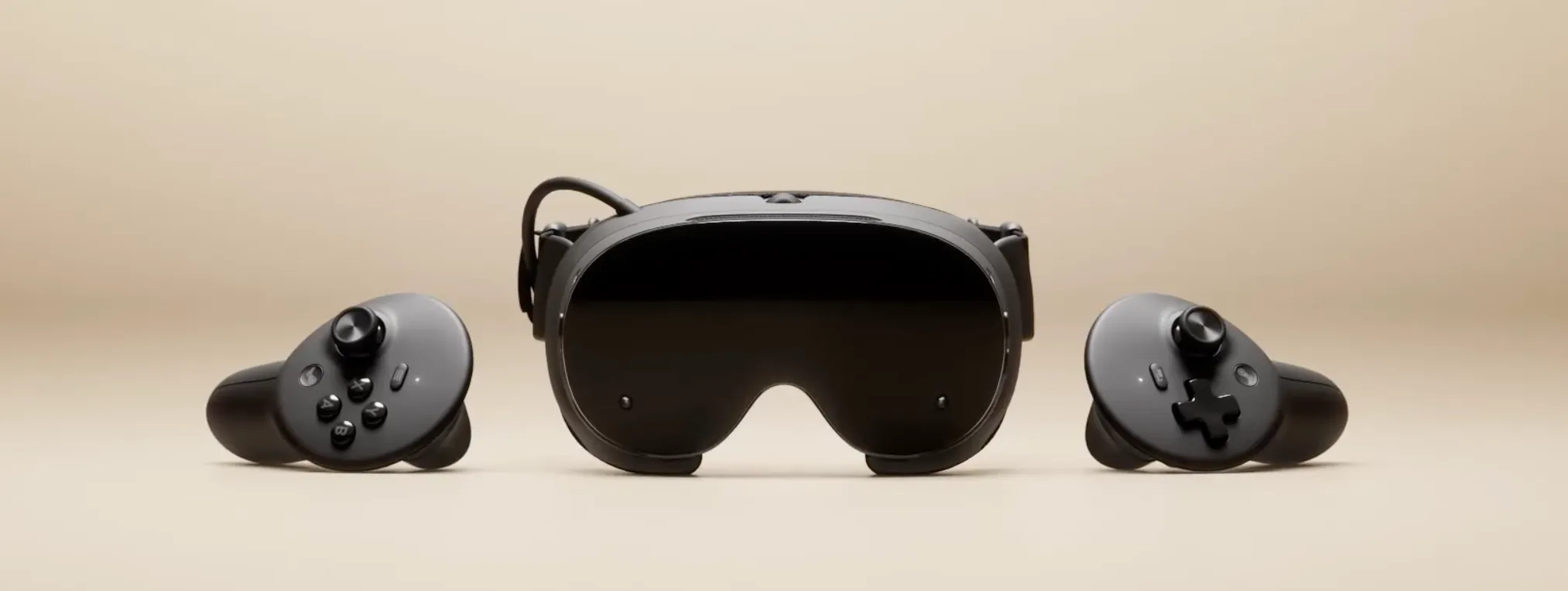
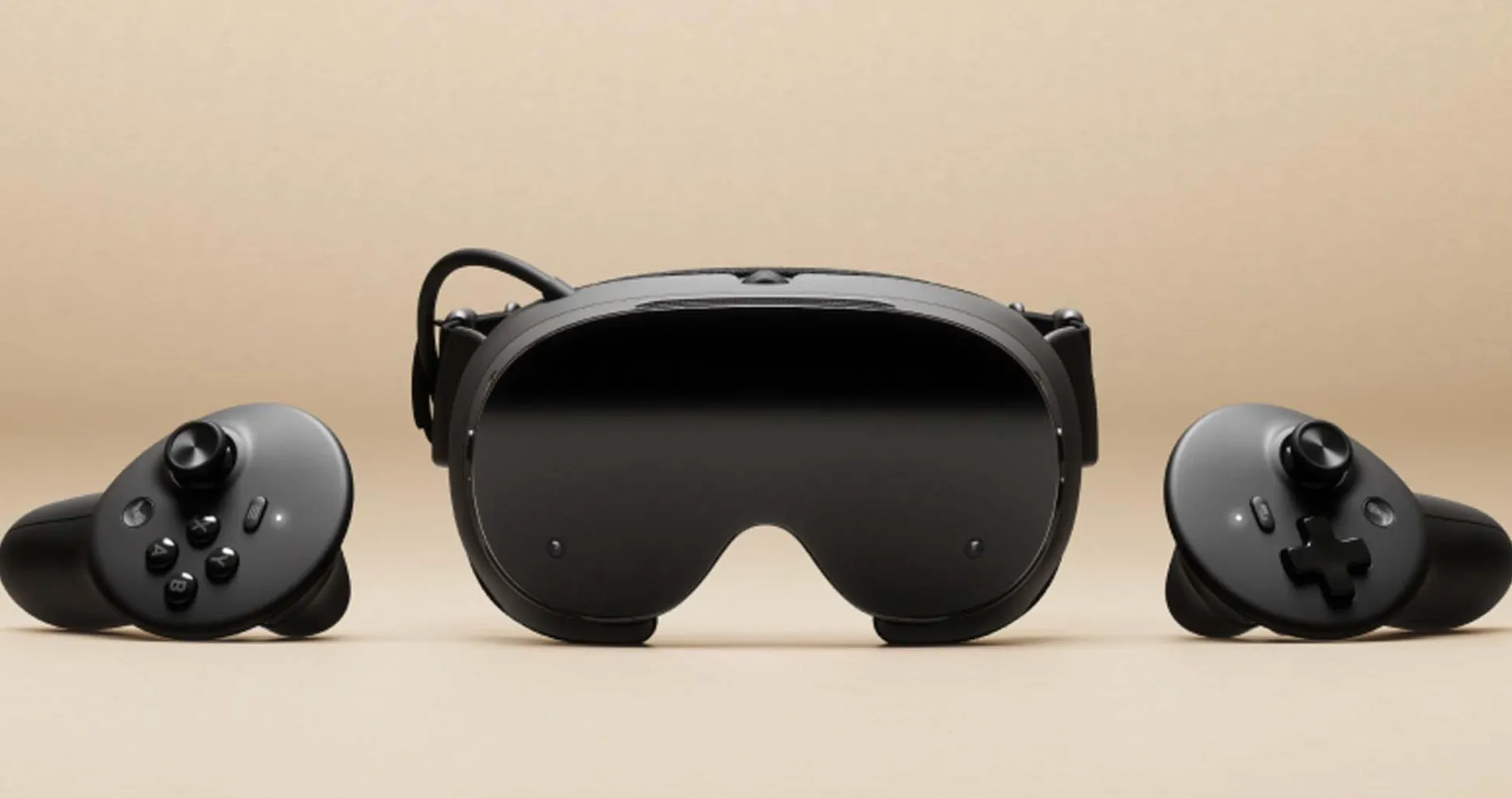
The most detailed N224 concept mirrors Meta's playbook: move the processor and battery into an external module that clips at the waist. Gurman says Meta's module is roughly the same size and weight as Vision Pro's current battery pack, but with a grippier exterior.
Meta's own battery pack weight isn't publicly specified. Apple's current Vision Pro battery weighs 353 grams, which gives some context for Gurman's comparison.
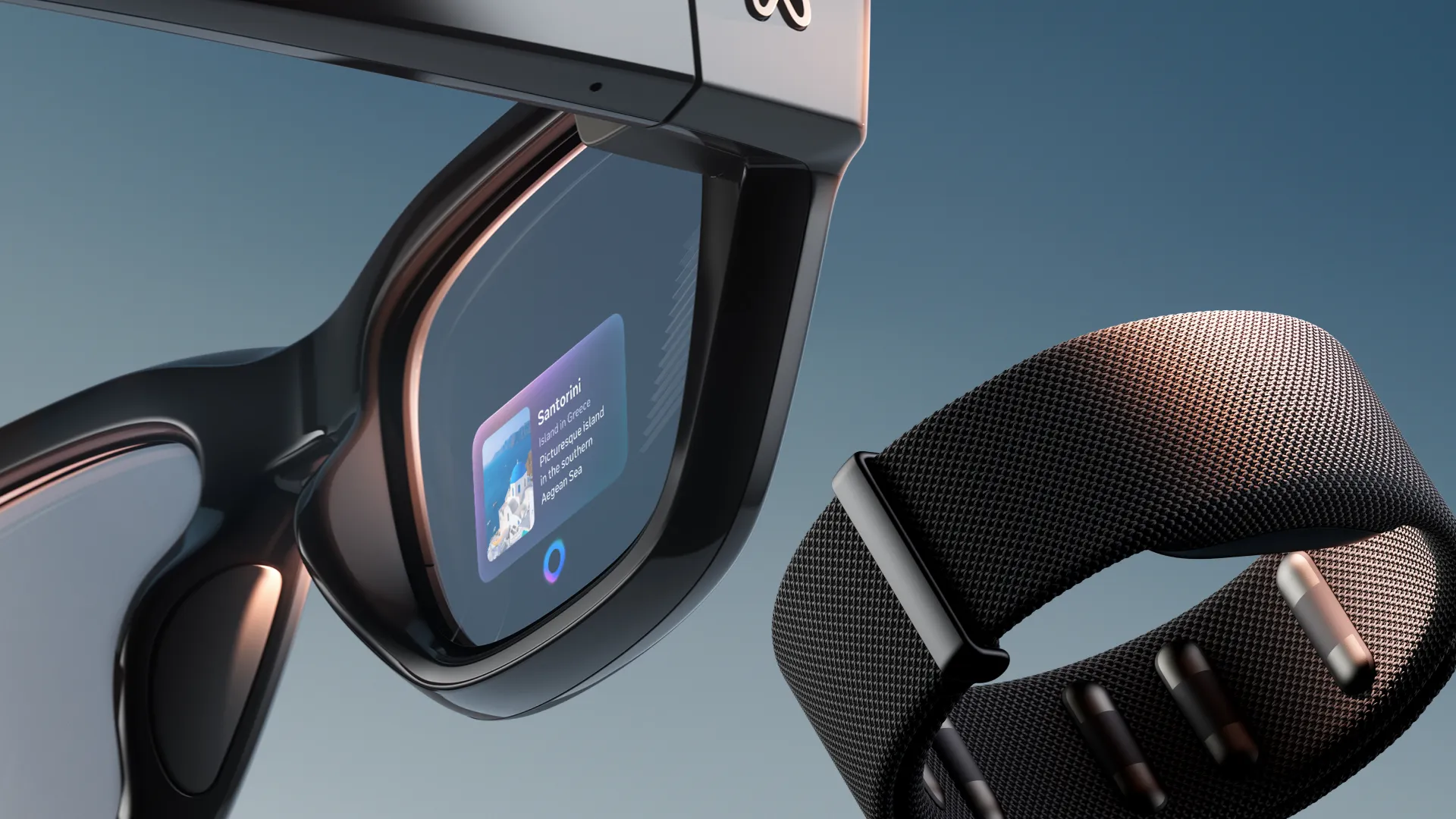
Meta's headset, called Meta VR Glasses, is due out in spring 2027 at $1,299.99. Meta says the glasses themselves weigh about 100 grams and offload their processor and battery to a wired external puck, according to Meta. It's the working example Apple's Vision team appears to be studying.
A second Apple design keeps Vision Pro's familiar shape but experiments with plastic, titanium, and other materials to shave weight without moving the compute into a separate module, according to 9to5Mac.
Despite that testing, senior Apple decision-makers reportedly want the company to stick with "something closer to an all-in-one design," viewing the puck concept as a poor tradeoff, per MacRumors. Apple has not settled publicly on a direction for N224.
What the new Vision Pro release date reporting says
Analyst accounts diverge sharply on whether N224 exists in any committed product roadmap.
Ming-Chi Kuo reported in June that Apple had removed both a second Vision Pro and a lighter Vision Air from its roadmap as resources shifted toward smart glasses, according to MacRumors.
Kuo's version of the roadmap left two smart-glasses products standing: AI-enabled glasses aimed at the Meta Ray-Ban market, expected in 2027, and a separate AR line with display waveguides that he didn't expect before 2029.
Gurman's account differs. He maintains that a new Vision Pro-style headset remains in testing, even while describing the category as being on "ice" earlier this year and N224 as now being on "life support." His latest reporting puts any possible launch no earlier than late 2028 or early 2029.
The organizational signals also show Apple reducing its investment in some Vision work. Bloomberg reported in August that roughly 100 employees in the Vision Products Group were laid off as Apple scaled back teams working on areas including gaming and immersive video. Apple told Bloomberg that Vision Pro and visionOS were not being eliminated.
Apple's nearer-term focus is reportedly on displayless smart glasses targeted for late 2027, with N224 secondary to that effort.
Even so, Vision Pro's senior leadership is reportedly pressing to keep the headset category "alive, funded and growing" inside Apple, according to MacRumors. That leaves the project's future unsettled despite the broader shift toward glasses.
Lighter is realistic. Cheaper is a harder problem.
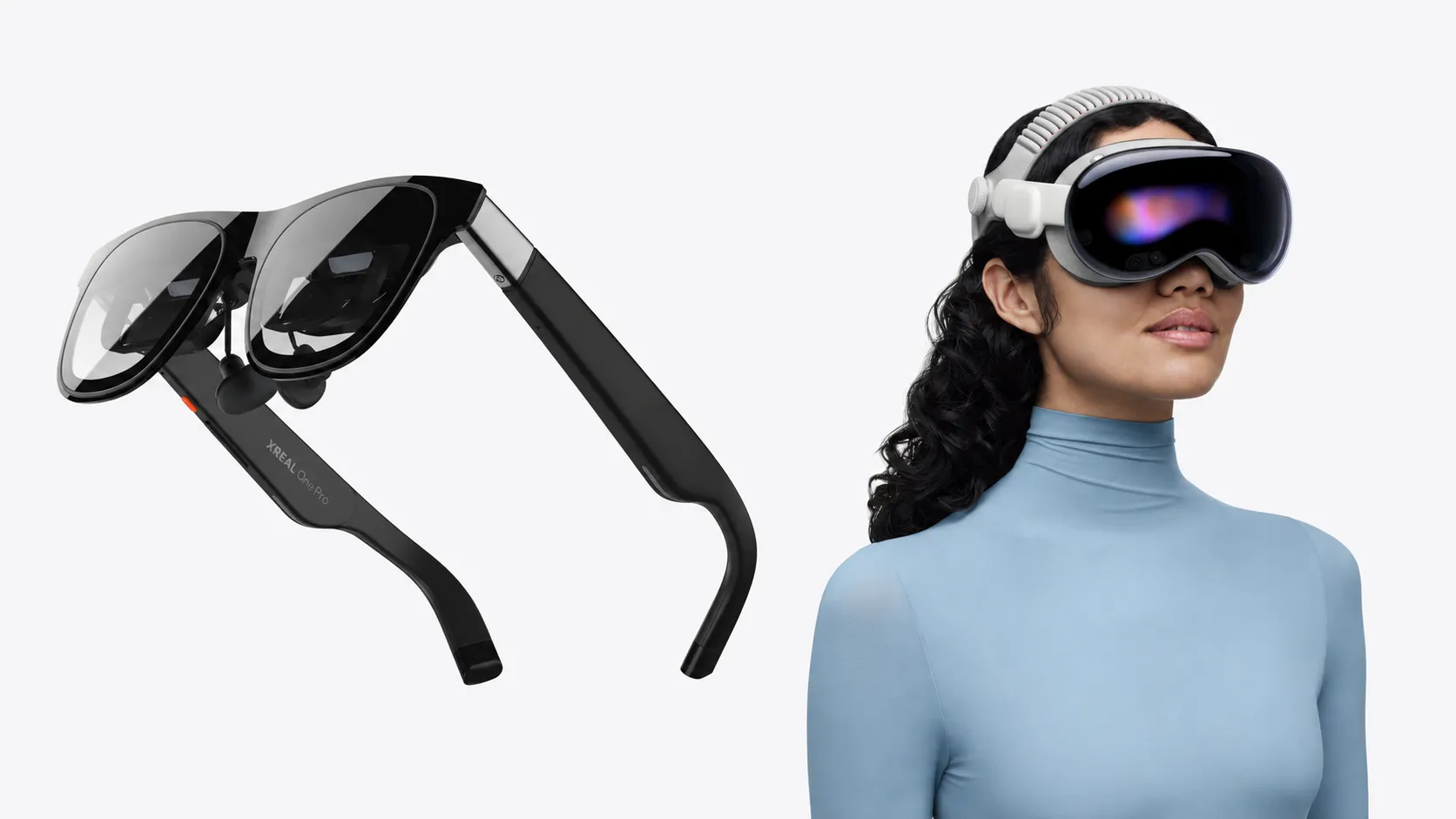
Weight reduction looks achievable on paper. The current M5 Vision Pro weighs 750 to 800 grams before its separate 353-gram battery pack, according to Apple's specifications, and Apple is reportedly testing different materials specifically to reduce headset weight.
The Meta comparison needs a caveat. Meta's glasses weigh about 100 grams on the face, but the figure excludes the processor-and-battery puck a user still carries on a cable. Meta has not published that module's weight. Gurman says it is about the same size and weight as Vision Pro's current 353-gram battery.
The benefit is therefore reduced weight on the face, not the elimination of the rest of the hardware.
Price reduction is more complicated because the displays remain one of Vision Pro's most expensive components.
Omdia estimated in 2024 that the original Vision Pro carried a total bill of materials of about $1,542, with the two micro-OLED displays accounting for roughly $456 at the time. A later Omdia analysis said Sony's 1.42-inch Vision Pro panels had fallen from about $350 to $300 each following negotiations.
Those are separate industry estimates from different points in the product's life rather than a current Apple cost sheet, but both illustrate how heavily the displays influence Vision Pro's component cost.
Apple has explored additional display suppliers. Earlier reporting said the company was testing micro-OLED panels from Chinese manufacturers BOE and SeeYa, with SeeYa struggling at one stage to meet Apple's standards. Neither company has been publicly confirmed as a Vision Pro display supplier.
Samsung Display was also developing a lower-cost glass-substrate micro-OLED panel under the G-VR project, but MacRumors reported in July that development was scheduled to be formally terminated by September after Apple shifted attention away from the cheaper headset project.
That leaves no confirmed second supplier for the ultra-high-density displays used in the current Vision Pro.
N224 is distinct from the previously rumored Vision Air, codenamed N100, which was shelved last year, according to 9to5Mac. Unlike that canceled budget project, N224 doesn't appear to be aimed specifically at a lower price.
It could instead be a successor to the current M5 flagship, though it might still cost less while retaining the higher-end positioning. "Lighter" is clearly part of Apple's reported experimentation, while "cheaper" remains a possibility rather than a confirmed product target.
The open questions ahead
Any N224 release sits no earlier than late 2028 or early 2029 in Gurman's latest reporting, and that's if Apple ships the device at all. Apple's nearer-term hardware focus remains smart glasses expected in late 2027.
Display sourcing remains one issue to watch. Another supplier successfully meeting Apple's quality and yield requirements for high-density micro-OLED production could lower one barrier to future Vision hardware.
It would not, on its own, prove Apple has committed to N224. Demand, developer support, product weight, price, and the puck-versus-all-in-one debate remain separate questions.
Until Apple settles the design direction and commits the project to a product roadmap, N224 remains what Gurman's sourcing describes: a headset in testing, not a product with a release date.


Comments
Be the first, drop a comment!