


Xreal's Project Aura brings Android XR to glasses, specs unconfirmed
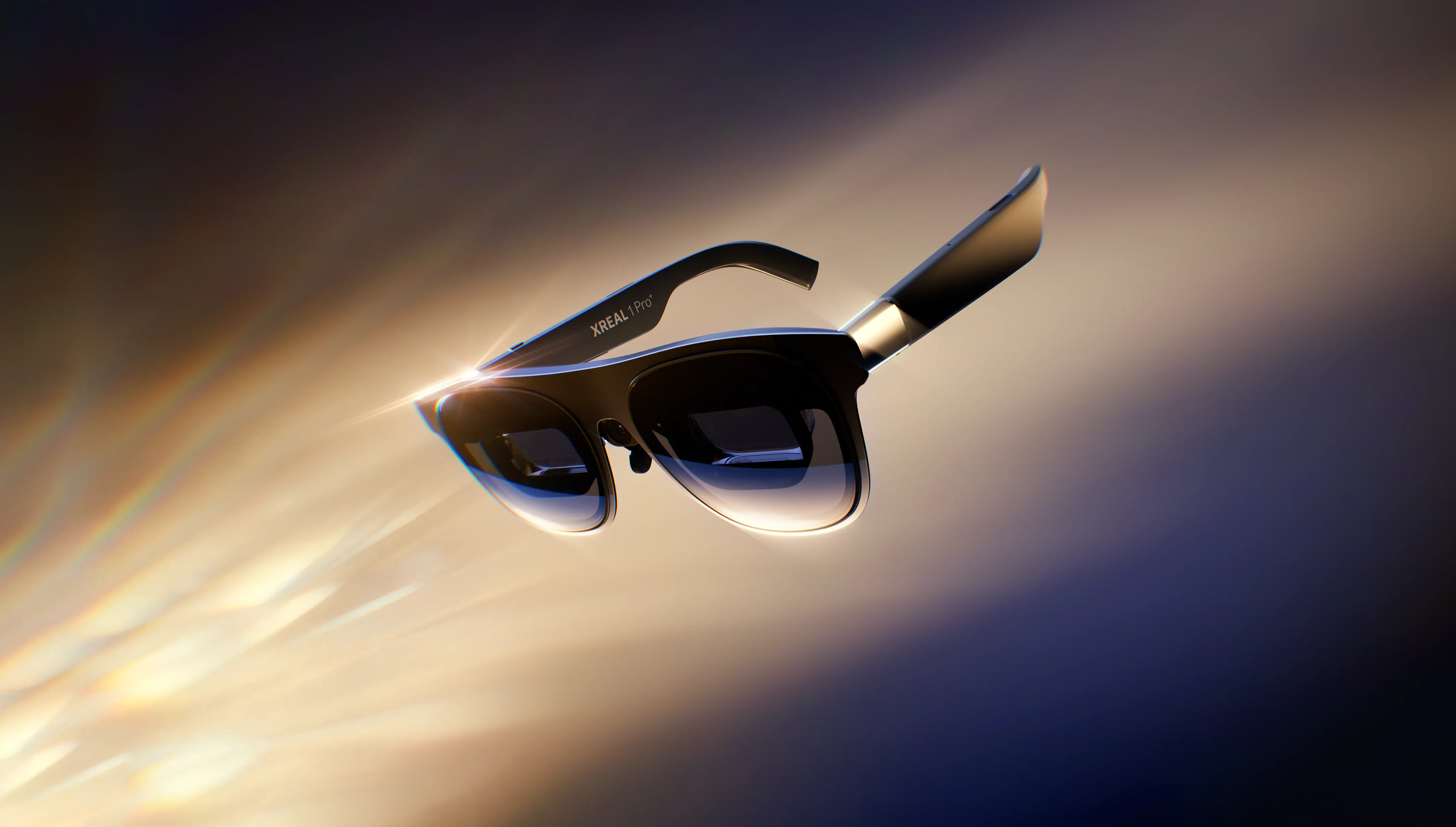
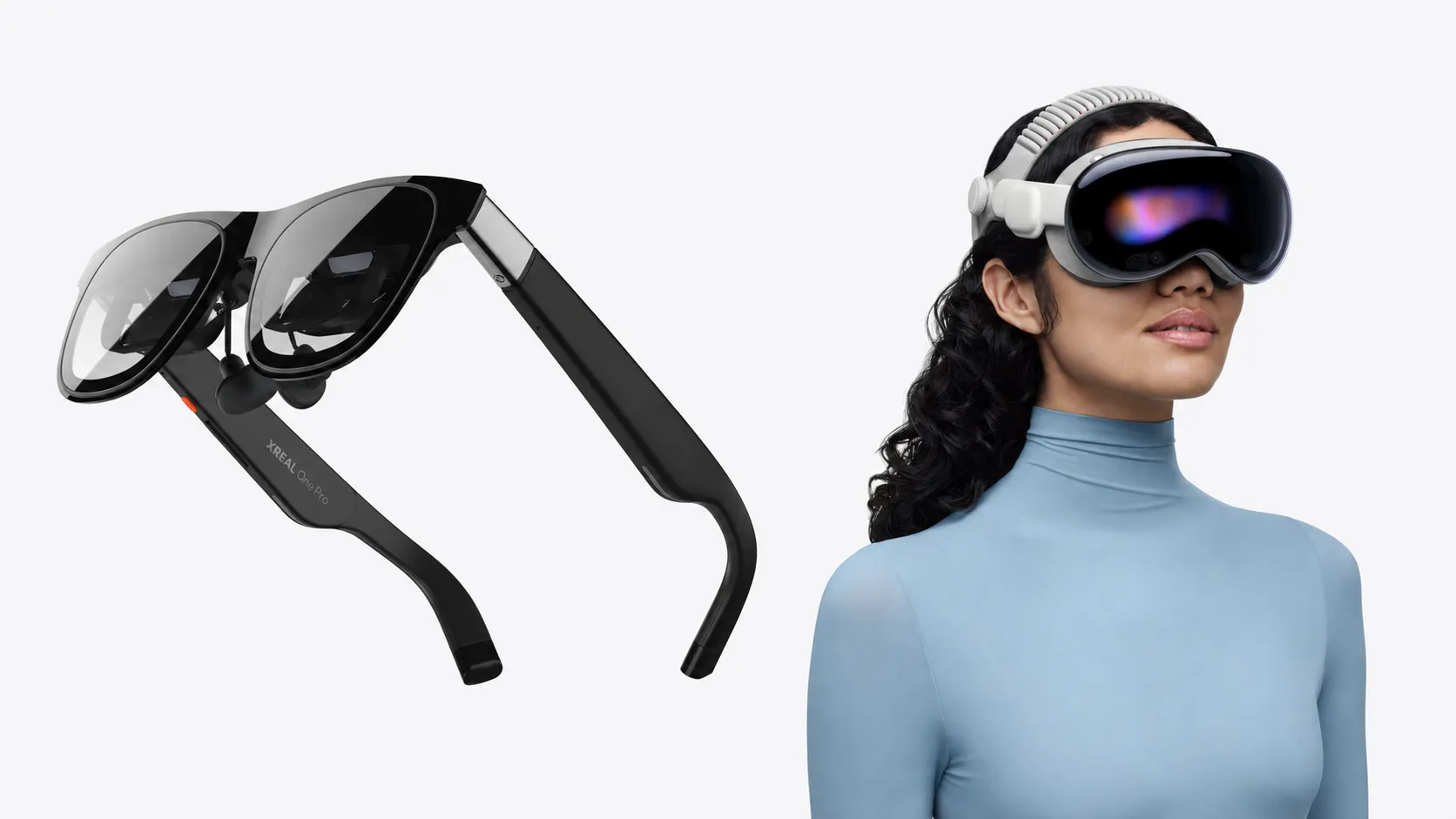
Xreal has announced Project Aura, a glasses-style reference device the company says runs Google's Android XR software, according to its announcement page (Xreal). The page doesn't specify the event, date, or presenter behind the demonstration, or whether it was shown live or in recorded footage. What it does establish clearly is the hardware itself: Project Aura is built to look and wear like ordinary glasses, not a full headset.
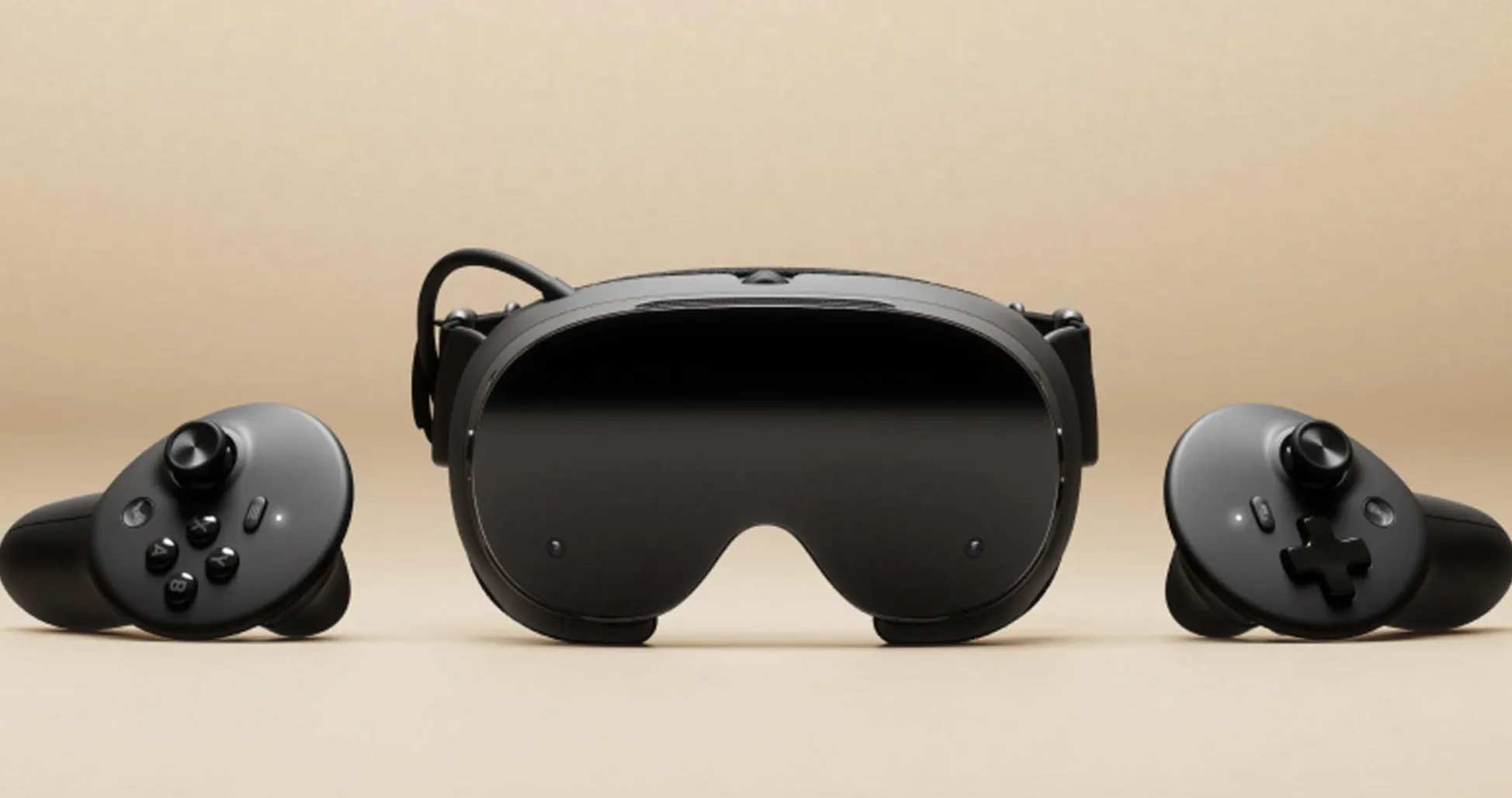
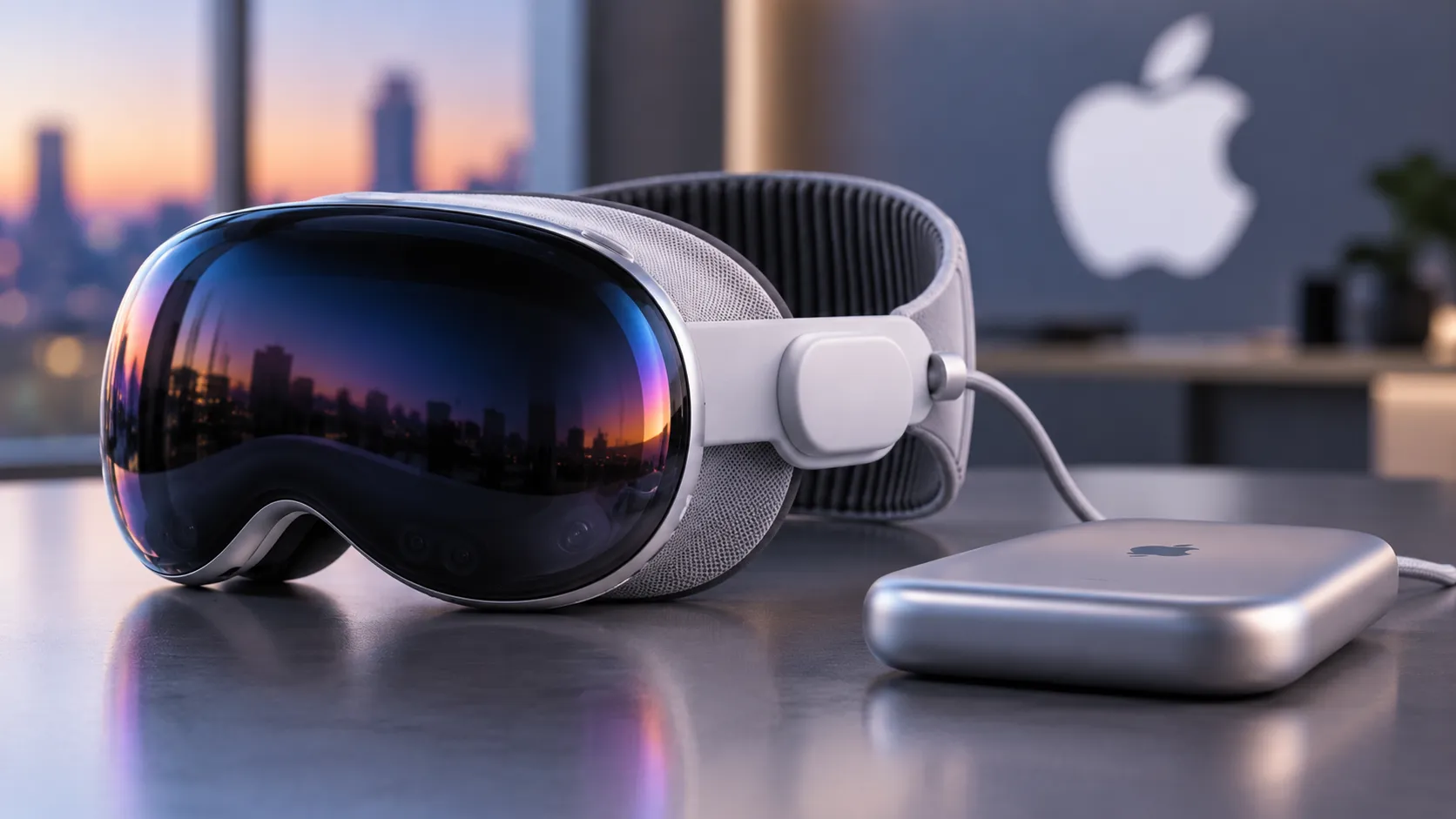
That framing matters because, based on Xreal's materials, Android XR has so far appeared publicly on headset-class hardware, most notably Samsung's Galaxy XR, and Xreal describes Aura as the first time the platform has been shown running on glasses rather than a headset, according to the company (Xreal). Google introduced Android XR nearly two years ago, pitching it as a platform meant to span headsets and glasses rather than stay tied to one device category (Google). Galaxy XR became the platform's first commercial device, shipping as a $1,799 headset about a year ago (Samsung Newsroom; The Verge).
Xreal hasn't published a price, release date, or spec sheet for Project Aura, and its announcement doesn't say whether the demo unit processed Android XR on its own or leaned on a connected device for compute. That gap runs through everything that follows: what Xreal has actually shown, what Google's platform documentation does and doesn't promise, and which hardware questions remain open.
What's confirmed, what's demonstrated, and what's still unstated
Xreal's announcement states that Project Aura ran Android XR and displayed spatial software, without detailing which input method, hand tracking, eye tracking, or a controller, drove the interaction shown (Xreal). Footage from a Google developer event covers Android XR broadly (Google I/O), but nothing in that material confirms it depicts the same demonstration Xreal describes, so the two should be treated as related references rather than a single confirmed account.
Xreal and Google describe Project Aura as a joint device built on Android XR and Qualcomm silicon, positioned toward developers rather than retail buyers, according to Xreal's announcement. A developer-facing reference unit and a shipping consumer product are different categories, and Xreal's materials currently describe only the former.
What the demo does and doesn't establish about Android XR on glasses
Google has positioned Android XR as a single platform meant to run across headsets and glasses, and Jetpack XR, the developer SDK Google maintains for building Android XR apps, targets that platform broadly so developers write toward one set of APIs rather than a device-specific one (Google for Developers). That documentation doesn't promise identical feature behavior or performance across every OEM's hardware, which leaves open whether an app built and tested on Galaxy XR runs the same way, or runs at all, on Aura.
Samsung's headset launched with Gemini-powered features, including live translation and visual search, that draw on Galaxy XR's passthrough camera array to interpret what the wearer is looking at (Samsung Newsroom). Whether those features could work on Aura depends on camera placement, available compute, microphone access, and whether Google and Xreal have built software support for them into this specific device. None of that is addressed in Xreal's published materials, and no independent source confirms it either way.
Three hardware questions that remain open
Beyond the missing spec sheet, three specific hardware details separate a working demo from a device developers and reviewers can actually evaluate. Each has a straightforward path to an answer: an official spec sheet from Xreal, or independent hands-on access to a production unit.
- Standalone or tethered. Whether Aura processes Android XR independently or depends on a connected phone or compute puck is not addressed in Xreal's materials. Xreal's existing glasses line, including the tethered Xreal One, has relied on an external device for processing according to prior independent reporting (Road to VR), though that reporting covers a different product line and doesn't establish how Aura itself is built.
- Tracking fidelity. Positional six-degrees-of-freedom tracking lets spatial content stay anchored to a fixed point in a room as the wearer moves, rather than drifting as the head turns. Whether Aura supports that versus a simpler orientation-only mode isn't addressed in Xreal's published materials, and the distinction would affect which categories of spatial software the device could realistically run, though Android XR's own documentation doesn't spell out hardware tiers tied to tracking capability.
- Display method. Whether Aura uses optical see-through waveguides, camera-based passthrough, or another arrangement entirely remains undisclosed. The choice changes what a wearer sees directly versus through a camera feed, and it's one of several factors, alongside camera and compute access, that would determine whether passthrough-dependent features could function on the device at all.
None of these questions requires speculating about unannounced chip architecture or a hidden roadmap. Each has a specific, checkable answer that Xreal controls through its own spec sheet, and that independent reviewers could otherwise confirm with hands-on time on a production unit.
What readers should watch for next
Developers interested in Android XR as a glasses-class platform can review Jetpack XR's published documentation and sample code now, which lays out the general target Google has built the SDK against (Google for Developers). That documentation won't say how Aura's specific sensors, tracking method, or display technology behave, and it won't until Xreal publishes that information directly or an independent reviewer gets hands-on time with a production unit. Until then, Project Aura shows that Android XR software can run on glasses-style hardware under demo conditions Xreal hasn't fully detailed, not that a specific, purchasable product with known tracking, display, and processing capabilities exists yet.



Comments
Be the first, drop a comment!