


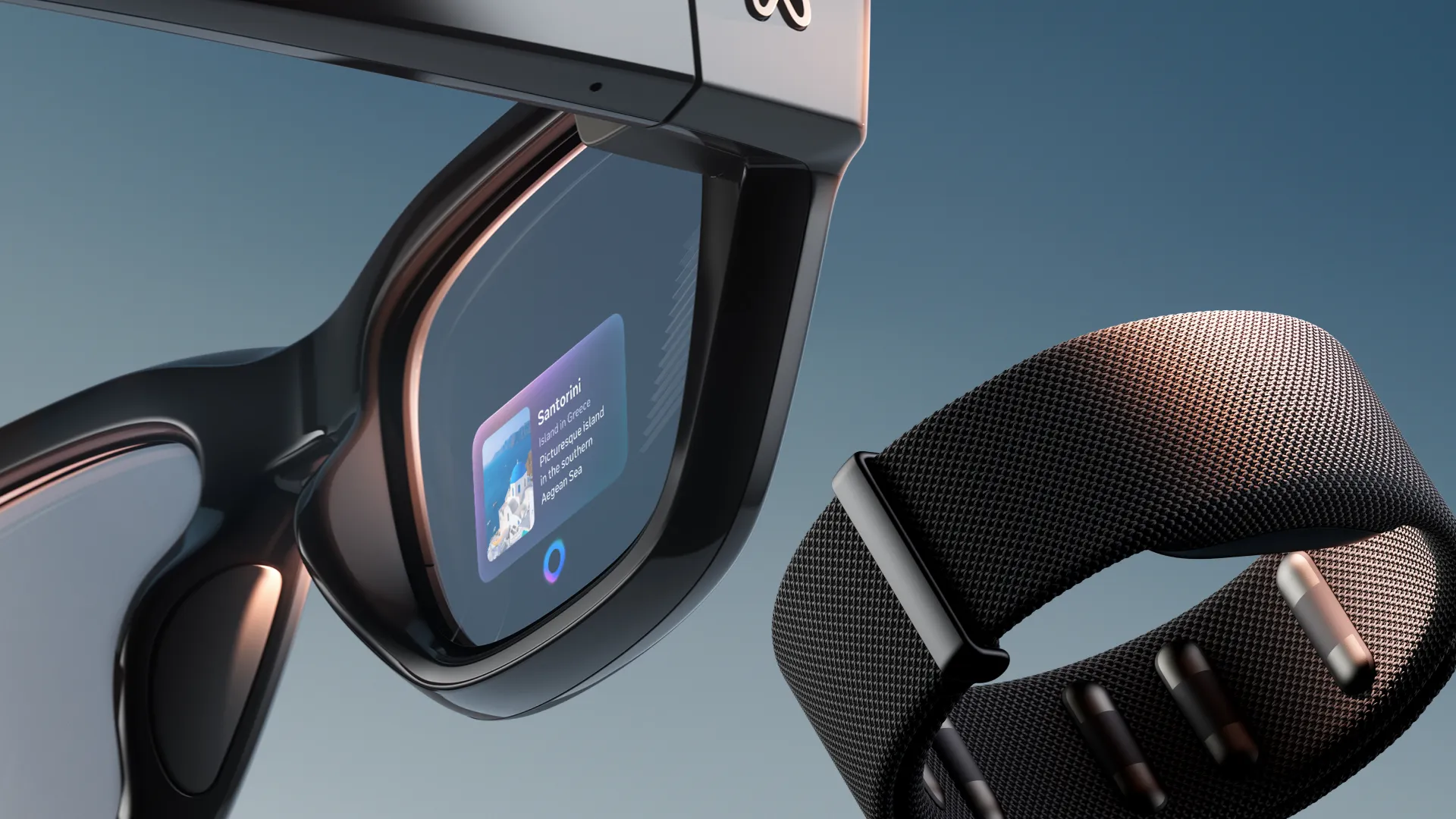
New York Times Cooking is coming to Meta's AI glasses with a new hands-free mode designed specifically for following recipes while cooking.
Instead of reading existing recipe text aloud, the feature restructures longer instructions into shorter audio cues that include ingredients and measurements. On Meta Ray-Ban Display glasses, those same recipes appear as brief cards that users can move through while they cook.
Meta previewed the integration at Connect on Sept. 24. The feature is not available yet, and New York Times executive AJ Chavar told Engadget it is expected to roll out "later this fall."
How NYT Cooking's hands-free mode works
Users will pair the NYT Cooking app with their Meta glasses and receive recipe instructions through the glasses as they cook.
The important change is how those instructions are prepared. Chavar told Engadget that NYT Cooking developed a system with its editorial team to break lengthy recipe steps into shorter audio instructions while keeping ingredients, measurements and the recipe author's guidance intact.
That makes the experience different from simply feeding a written recipe into text-to-speech.
On non-display Meta AI glasses, the instructions are delivered as audio cues. Meta's AI glasses use open-ear speakers, allowing users to hear responses without wearing earbuds or holding a phone.
The Ray-Ban Display version adds visual instructions. Each shortened step appears on a card in the glasses' display, and users can swipe through the cards as they progress through the recipe.
Engadget's preview does not say whether the displayed instructions and spoken cues use identical wording.
How the display and non-display versions differ
The two versions solve the same problem in different ways.
Non-display glasses rely on audio. That potentially lets someone follow a recipe without repeatedly unlocking a phone or scrolling with wet or messy hands.
Ray-Ban Display glasses can keep the current recipe step visible in front of the user.
Meta's display hardware uses a 600-by-600-pixel in-lens display. Its developer documentation also supports gesture input through Meta Neural Band, including swipe-style navigation.
That means the Display experience is not literally hands-free at every moment. Engadget says users swipe through recipe cards, so advancing visually still requires a gesture.
Meta nevertheless uses "hands-free" more broadly for glasses experiences that reduce the need to pick up or interact directly with a phone.
The audio version comes closer to that description, although neither Meta nor The New York Times has explained exactly how users will repeat, skip or move between spoken recipe steps.
Why NYT Cooking is different from Meta AI's existing cooking features
Cooking is not new to Meta's glasses.
Meta already promotes its AI glasses as a way to ask for recipe ideas, substitutions and cooking advice using voice. A user can show Meta AI ingredients, for example, and ask what to make with them.
The NYT Cooking integration takes a different approach.
Instead of asking Meta AI to generate cooking instructions, it starts with an existing NYT Cooking recipe and adapts the editorial content for glasses.
That distinction matters because the recipe itself remains the source. The system is shortening and restructuring instructions for the wearable format rather than generating an entirely new recipe in response to a prompt.
Engadget previously found Meta's existing recipe experience less practical on the Ray-Ban Display because instructions supplied through Meta AI did not stay visible long enough to finish each step. The NYT Cooking card system is designed to address that limitation by presenting one concise instruction at a time.
What Meta's new glasses platform enables
The NYT Cooking preview arrives as Meta opens its AI glasses to more third-party experiences.
At Connect, Meta announced the full release of its Wearables Device Access Toolkit 1.0, which lets developers extend existing mobile apps to Meta AI glasses. One integration can support both display and displayless glasses.
Meta is also expanding web apps on Ray-Ban Display and introducing Meta AI connectors that let outside services expose selected functions directly to Meta AI.
Meta has not said publicly which of those development paths NYT Cooking uses, so the broader platform announcements should not be treated as technical details of this specific integration.
They do explain why more existing phone and web services are beginning to appear on Meta's glasses.
What Meta and NYT haven't confirmed yet
Several details remain unanswered because the feature was only previewed at Connect.
Neither company has announced whether hands-free mode will require a paid NYT Cooking subscription.
They also have not published a model-by-model compatibility list beyond saying the integration will work with Meta's display glasses and its wider lineup of non-display AI glasses.
For Ray-Ban Display users, Engadget confirms that recipe cards can be swiped through, but the preview does not specify whether every NYT Cooking interaction requires Meta Neural Band or what other controls will be available.
The companies have also not explained how non-display users repeat an instruction, skip ahead or return to a previous step, or whether those actions can be controlled entirely by voice.
There is no public detail yet on how many NYT Cooking recipes will support the new mode at launch.
When NYT Cooking will arrive on Meta glasses
The integration is not available yet.
Chavar told Engadget that hands-free mode is planned for later this fall, but The New York Times and Meta have not announced a specific release date.
That means the Connect demonstration should be treated as a preview rather than a feature Meta glasses owners can use today.
The main idea is already clear: NYT Cooking is adapting its recipes for the constraints of smart glasses instead of simply shrinking a phone app onto a tiny display or reading full recipe steps aloud.
Whether that approach actually makes cooking easier will depend on details that remain untested outside the companies, including pacing, step navigation and how well audio instructions work in a noisy kitchen. Those answers will have to wait until the feature ships later this fall.






Comments
Be the first, drop a comment!