


XREAL Aura price set at $1,279, undercuts Meta's VR Glasses
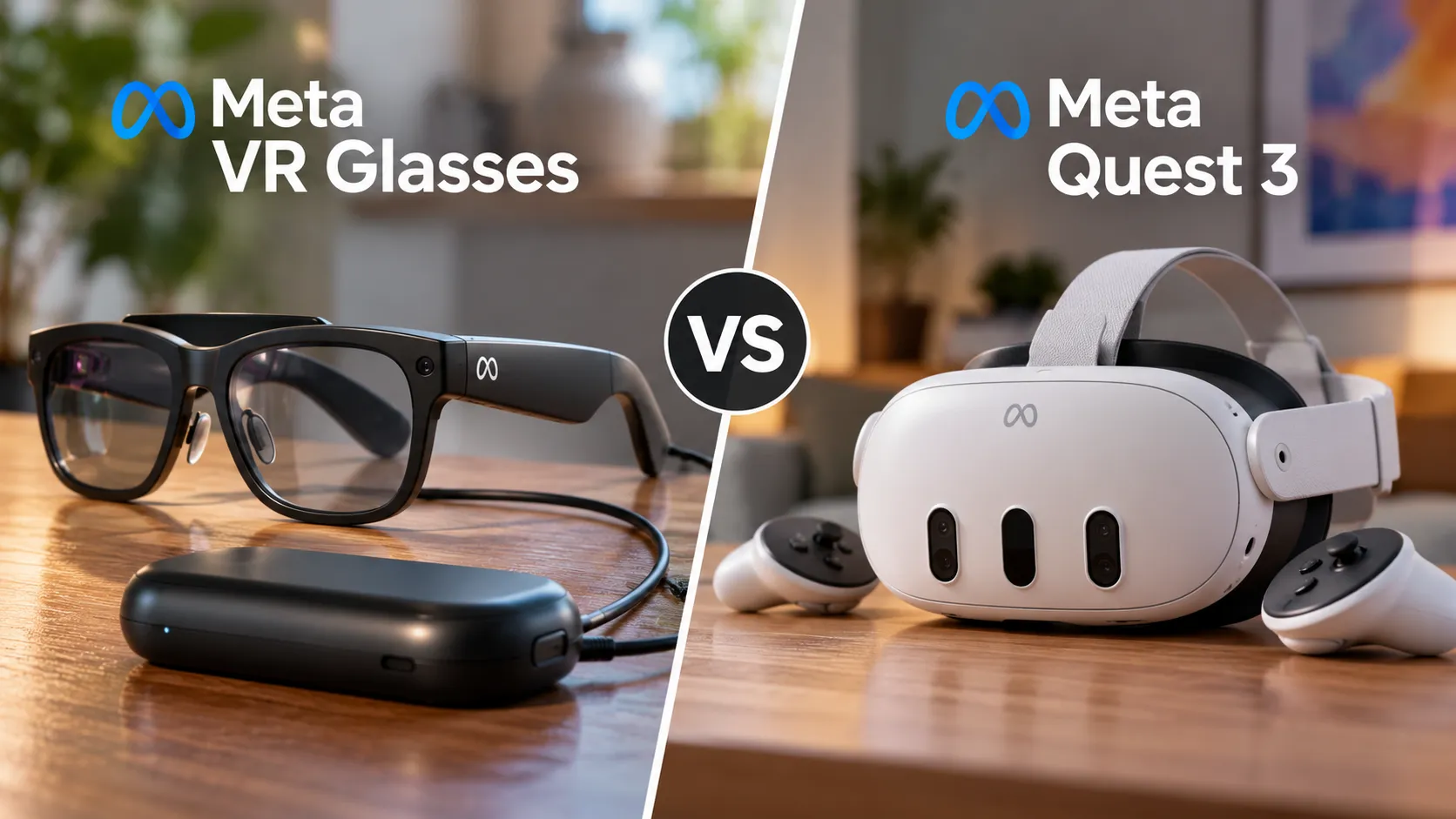
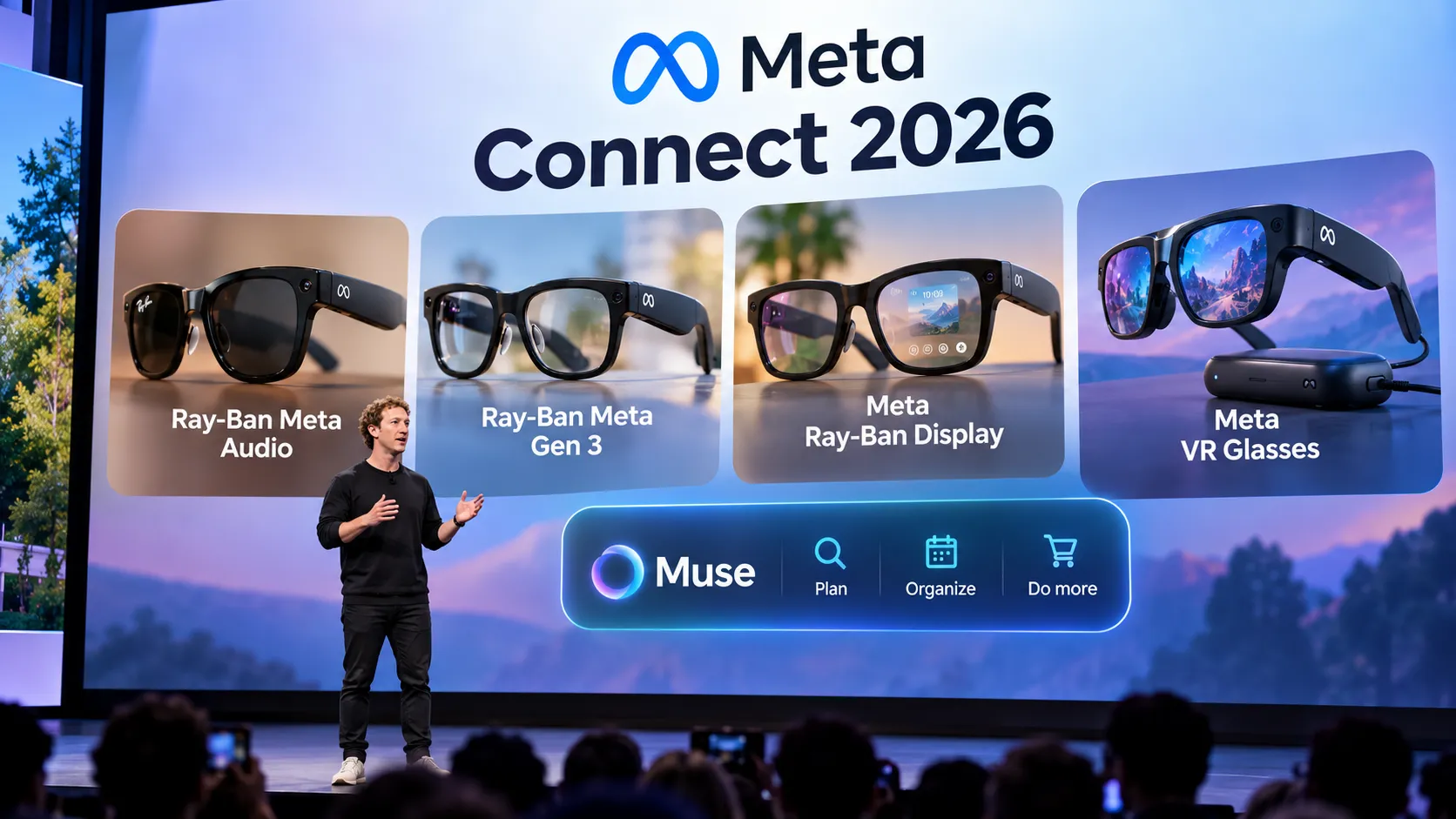
XREAL has finally put a number on its long-teased Aura glasses: $1,279 for the base configuration, the company confirmed this week. That's roughly $20 less than Meta's $1,299.99 VR Glasses, according to The Verge and WIRED, both of which tested the hardware ahead of the announcement.
The price gap is smaller than it looks on a spec sheet. XREAL says Aura will start shipping in the US, Canada, Japan, and South Korea before the end of this year, according to PR Newswire, while Meta's VR Glasses aren't due until spring 2027, per Meta's own announcement two weeks ago. That's the bigger gap: a company shipping now versus one that announced a product months before it exists on shelves.
What actually separates these two devices isn't the $20. It's a fundamentally different bet on how a pair of face-worn computers should show you the world: through actual glass, or through a camera feed. The Verge, after testing both, reported that the experiences diverge sharply because of that single design choice, even though both run on similar hardware underneath.
XREAL Aura price: configurations and regional costs
The $1,279 figure covers the base Aura, built with 12GB of RAM and 256GB of storage. Step up to 16GB and 512GB and the price climbs to $1,499, according to 9to5Google. Frame size doesn't move the price at all; the medium and large options cost the same either way.
That's below the "under $1,500" ceiling XREAL had floated ahead of launch, per 9to5Google, so the company landed inside its own promise rather than stretching it.
Outside the US, prices shift noticeably. Canadian buyers will pay $1,829 or $2,149 depending on configuration; in Japan it's ¥229,800 or ¥269,800; in South Korea, ₩1,990,000 or ₩2,290,000, all confirmed in XREAL's official release. None of that is unusual for consumer electronics crossing borders, but it's a reminder that the headline $1,279 is a US number first.
Zoom out to the wider XR glasses category, and Aura's price looks even more competitive. Snap's rival Specs run $2,195, according to WIRED, which puts Aura and Meta's headset much closer to each other than either is to Snap. In a field still working out what these devices are even for, that $20 gap between XREAL and Meta might be the closest price matchup the category has produced so far.
Transparent lenses vs. video passthrough: the real split
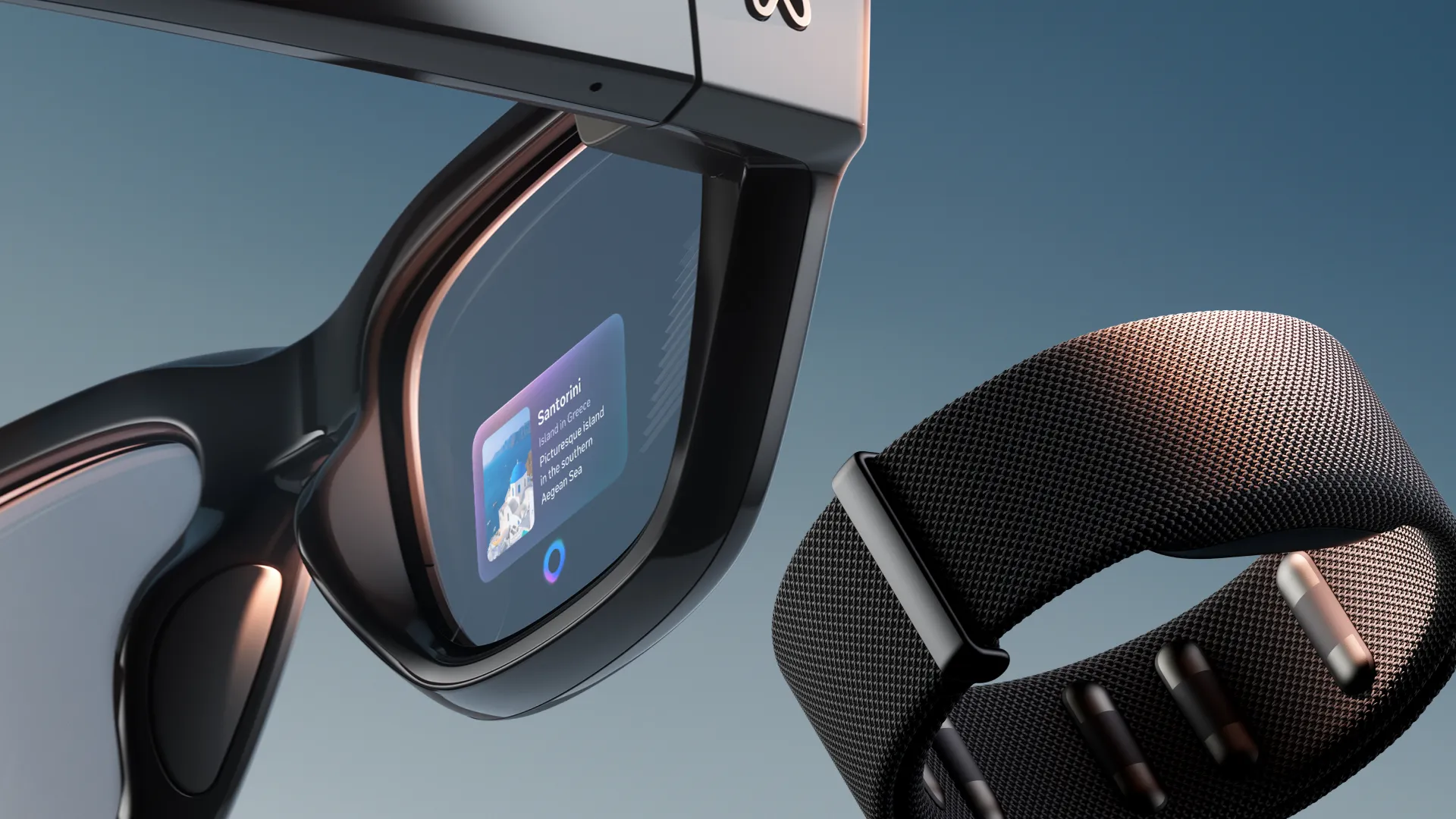
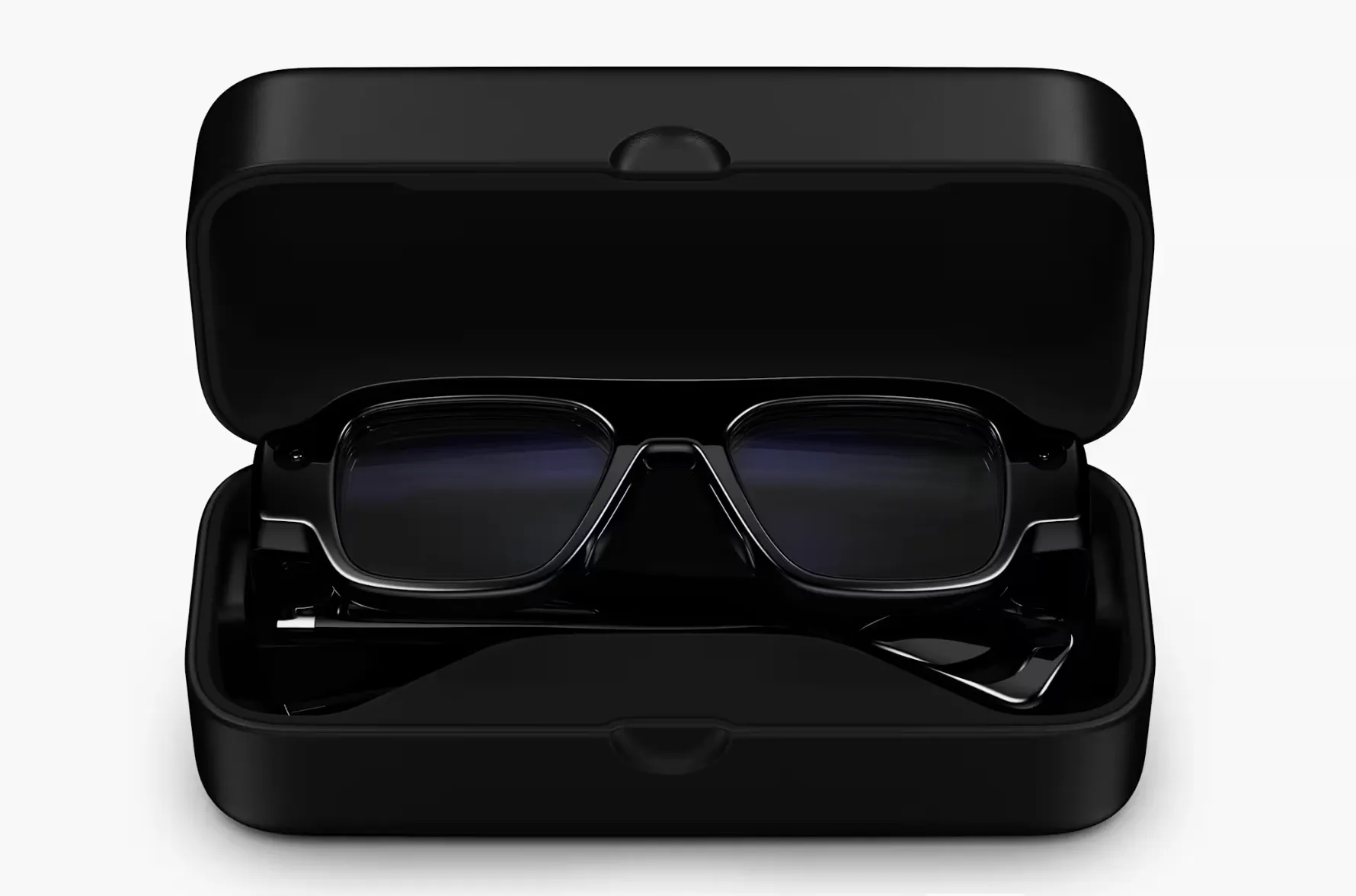
Both devices share a similar physical trick. Rather than cramming a chip and battery into the frames, each routes power and processing through a tethered compute puck, keeping the glasses themselves close to 100 grams, The Verge reported. Aura's glasses alone weigh under 95 grams and use optical see-through lenses, meaning the wearer looks directly at the real world rather than at a reconstruction of it, according to GamesBeat.
Meta went the other direction. Its VR Glasses rely on video passthrough, capturing the world through cameras and redisplaying it on internal screens. In hands-on testing, WIRED found that passthrough can look fuzzy compared to looking through actual glass, per WIRED. The Verge, testing the same hardware, reported that Meta's passthrough approach also delivers more immersion than Aura's transparent view, according to The Verge. Neither outlet called one approach definitively better; it's a tradeoff, not a verdict.
Field of view tells a similar story. Aura's 70-degree diagonal view is among the widest ever achieved on transparent XR glasses, according to The Verge, but it's still narrower than what Meta's passthrough system can offer, per the same report. Transparent optics apparently come with a viewing-angle tax that passthrough doesn't pay.
Input methods diverge too. Meta leans on eye tracking paired with pinch gestures, a setup similar to Apple's Vision Pro, letting wearers select things just by looking and tapping fingers resting in their lap. Aura instead uses hand tracking paired with a touchpad built into the compute puck, generating a virtual laser pointer for navigation, The Verge reported. Both land you in a similar grid of floating app icons, but getting there feels nothing alike.
Android XR vs. Horizon OS: two different software bets
Aura runs Android XR with full Google Play access, which means it inherits the existing library of Android apps rather than launching with a from-scratch headset storefront, according to GamesBeat. That's a meaningfully different strategy than building a walled garden from zero.
The hardware itself is a three-way effort. XREAL supplies the optics and glasses design, Google contributes Android XR and its Gemini assistant, and Qualcomm provides the Snapdragon Reality Elite chip running in the puck, according to XREAL's official release. It's less a single company's vertically integrated product and more a partnership stitched together across three firms, each handling the piece it knows best.
Meta took the opposite route, plugging its glasses directly into the existing Quest software ecosystem. That gets buyers a 5K micro-OLED display and makes the device the first IMAX Enhanced certified VR hardware on the market, per WIRED and Meta's announcement. Where Aura is borrowing from Android's app sprawl, Meta is leaning on years of Quest content it already controls.
One spec is identical either way: both devices support USB-C DisplayPort input, so users can plug in external devices and extend a desktop display straight through the lenses, The Verge noted. Whatever else separates these two, that particular convenience didn't get sacrificed on either side.
XREAL Aura preorder: who can buy first, and when
The catch behind XREAL's "ships this year" promise: right now, preordering is restricted to people who placed a paid reservation before October 7. Those customers can lock in a unit today by paying a $199 Priority Deposit, which rolls into the final purchase price, according to 9to5Google.
Everyone else has to wait. General public orders open "in the coming weeks," XREAL said in its official release, without naming an exact date. XREAL's press materials describe the launch as "just weeks away," but The Verge points out that only the first 2,000 "Founder's Edition" pairs are guaranteed to ship in that initial wave; the company hasn't said how large subsequent batches will be.
XREAL CEO Chi Xu told The Verge the initial units will ship this year, and 9to5Google reports the first delivery wave is expected before the holidays, with a second wave presumably arriving in early 2027. That timeline still beats Meta by a wide margin. Initial availability is limited to the US, Canada, Japan, and South Korea, with other markets following sometime in 2027, according to WIRED, the same year Meta says its own glasses will reach more regions after their spring sale date.
What happens next
Reservation holders can buy today; everyone else waits. What's still unclear is how fast XREAL can scale production past that Founder's Edition run, and whether Android XR's app library can build real momentum before Meta's Quest-powered glasses actually reach shelves next spring.
The price fight between these two devices settled quickly. The harder question, whether people would rather see the world directly or through a camera, is the one nobody's answered yet.





Comments
Be the first, drop a comment!