


XREAL One Pro+ AR Glasses: 0, 1,200-Nit Display, 60Hz 3D
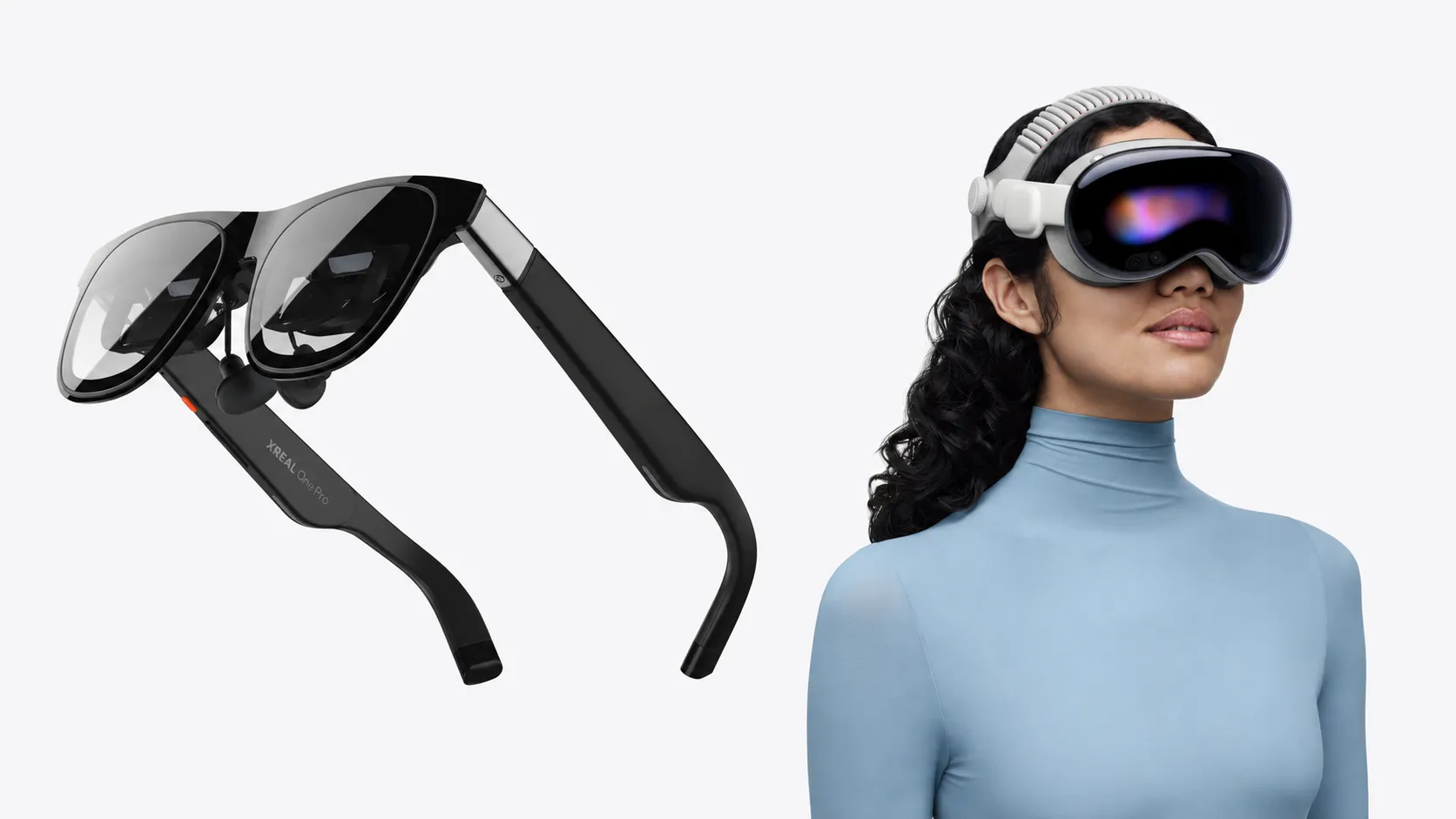
XREAL has launched the One Pro+, an upgraded version of its display glasses, priced at roughly $600 in the US, the same price as the outgoing One Pro (Engadget, today). The headline change is peak brightness, which XREAL lists at 1,200 nits, up from 700 nits on the previous model (Engadget; heise, today).
Four outlets covered the announcement today, in four different languages, and all point to the same set of changes: a brighter display, AI-assisted HDR, a faster 2D-to-3D conversion mode, and a reworked nose pad (Engadget; heise; Les Numériques; Mobiili.fi, today). That consistency reflects synchronized launch-day coverage of XREAL's own materials, not separate lab testing, so the figures below are the company's claims until reviewers get hands-on time.
What follows is a look at what the XREAL One Pro+ AR glasses actually change, which reported specifications carry over from the One Pro, and where the open questions sit.
XREAL One Pro+ price and release date: what it costs, and where
US buyers pay about $600, matching last year's One Pro price exactly, with the glasses available now through XREAL's online store (Engadget; heise, today). In Europe, the price is listed at €649, also sold directly through XREAL now, with wider retail availability, including Amazon, expected to begin by late October (Les Numériques; heise, today).
The US price holds steady, and the new features, brightness, HDR processing, and faster conversion, arrive without a surcharge. The one exception is the optional XREAL Eye accessory module, which adds about $50 to the base price when bundled in (heise, today).
XREAL One Pro+ 1,200 nits brightness and AI HDR
The glasses use Sony's 0.55-inch Micro-OLED panels, 1,920 by 1,080 pixels per eye, running at 120Hz (heise; Mobiili.fi, today). XREAL claims a higher peak brightness, listing 1,200 nits against 700 nits on the standard One Pro, from the same stated panel size and resolution (Engadget, today).
XREAL has also added what it calls AI HDR, which the company says improves highlights, shadows, skin tones, and subtitle legibility in compatible content (heise; Les Numériques, today). Three display presets, Standard, Movie, and Reading, adjust color and contrast for different kinds of content (Les Numériques; Mobiili.fi, today).
XREAL One Pro+ 60Hz 2D-to-3D conversion, explained
The real-time 2D-to-3D conversion takes ordinary flat video and renders it with a sense of depth directly in the glasses. XREAL says it has doubled the processing rate from 30Hz to 60Hz, and Les Numériques reports the company's claim that this produces noticeably smoother motion in converted footage, regardless of the connected source device (Engadget; Les Numériques, today).
That conversion, along with other spatial computing tasks, runs on the same X1 chip XREAL used in the original One Pro (heise; Mobiili.fi, today). That points to an algorithm improvement running on existing silicon, rather than new hardware doing the work.
Spatial tracking carries over too. heise describes the virtual image staying correctly anchored in space when a wearer takes a few steps, a capability the outlet notes is relevant for immersive uses like gaming (heise, today). XREAL has also added gesture control to the Plus lineup (heise, today).
XREAL One Pro+ vs One Pro: same chip, new nose pad
The reported core specifications remain similar between the two models. XREAL carries over the X1 chip, a 57-degree field of view, and native 3DoF head tracking (Engadget; heise; Les Numériques, today).
Where XREAL did put design work in is comfort. A redesigned nose-pad system is meant to improve long-term stability, which the company says it achieved without narrowing the field of view (Engadget; Les Numériques, today). Temples adjust across three positions, and XREAL builds two separate hardware versions to cover different interpupillary-distance ranges (heise, today).
The glasses do not include a built-in camera, which distinguishes them from camera-equipped smart glasses and may ease privacy concerns (Engadget, today). Audio comes from Bose-branded speakers built into the frame (Mobiili.fi, today).
Taken together, the announced upgrades concentrate in brightness, image processing, conversion speed, and fit. The reported specifications that carry over unchanged include the X1 chip, the 57-degree field of view, and native 3DoF tracking.
What's confirmed, and what reviewers still need to test
The headline figures, 1,200-nit peak brightness, 60Hz conversion, and the redesigned nose pad, all trace back to XREAL's launch materials, reported consistently across the four outlets covering the announcement today (Engadget; heise, today). None of it has been checked by an independent reviewer yet.
Outdoor visibility, how the AI HDR processing behaves across different content, and whether the nose pad delivers the stability XREAL promises are all questions that stay open until someone outside the company wears a pair. What's clear from the announcement itself: the One Pro+ keeps the One Pro's price and core platform in place while pushing brightness higher, doubling the conversion rate, and reworking the fit. Whether that's enough to matter is a question for reviewers, not press materials.




Comments
Be the first, drop a comment!