


Xreal vs Apple Vision Pro for 3D Movies: What Each Plays
"3D movie" means something different depending on which headset is on your face. Vision Pro streams studio-licensed stereoscopic films natively, no conversion required. Xreal's newest glasses display genuine side-by-side 3D files and can also generate simulated depth from ordinary 2D footage, a conversion feature the hardware gained earlier this year. That distinction shapes everything below in this look at Xreal vs Apple Vision Pro for 3D movies, from catalog size to setup time.
The technology has finally caught up with the format, more than 15 years after James Cameron's Avatar wowed theatergoers and became the highest-grossing film worldwide, The Verge reported Saturday. Vision Pro launched in 2024 with more than 150 licensed 3D movies and free 3D upgrades on eligible purchases, Apple's launch announcement said at the time. Xreal's X1-chip glasses, meanwhile, can convert ordinary 2D video into simulated stereoscopic depth directly in hardware, a feature a specialist review tested earlier this year.
Four things people mean when they say "3D movie"
Native stereoscopic 3D is filmed or rendered with true separate left and right eye images. Modern Disney animated films are rendered this way from the start, while many Marvel titles get a post-production conversion for theatrical release, according to The Verge.
Apple Immersive Video is a distinct format: 180-degree, 3D, 8K recordings paired with Spatial Audio, built to drop viewers inside a moment rather than put a flat screen in front of them, Apple's launch announcement explains. It's exclusive to Vision Pro and not a substitute for watching a stereoscopic feature film.
SBS (side-by-side) files store genuine left and right stereo images in one frame. On the Xreal One Pro, holding the right button activates independent left and right views, delivering a full 1080p picture per eye with the right content, The Verge reports. SBS toggles also exist in popular video-player apps for other VR headsets, including Meta Quest and Steam Frame, per the same reporting, while Vision Pro and the upcoming Meta VR Glasses stream 3D films natively instead. Whether Vision Pro also supports local SBS files directly isn't addressed in that reporting.
Xreal's hardware-based 2D-to-3D conversion is the newer addition, introduced earlier this year. It estimates depth from a flat image and renders it into the screen rather than reproducing a filmmaker's actual left and right capture, a different effect from captured stereo footage. The feature was capped at 30Hz pending a promised update to 60fps when Tridimensional.info tested it earlier this year; whether that update has shipped since wasn't independently confirmed for this article.
What can you watch 3D movies on: Xreal or Apple Vision Pro, right now
Vision Pro's native catalog launched with more than 150 studio 3D titles, including Avatar: The Way of Water, Dune, Spider-Man: Into the Spider-Verse, and The Super Mario Bros. Movie, with Disney+ positioned at launch as the largest 3D film catalog anywhere, Apple said. That figure describes the 2024 launch lineup rather than a verified current count; current title availability varies by region and would need checking against the Apple TV app and Disney+ directly.
Apple has announced additional Immersive Video titles since the 2024 launch, though the available data doesn't establish a complete release history. A newsroom update from Apple posted last year previewed Tour De Force from CANAL+ and MotoGP, an episode of Wild Life: Orangutans, and Elevated: Maine, which Apple scheduled for release on October 3, 2025.
That same announcement listed further titles with their own release windows: a BBC Symphony Orchestra performance slated for spring 2026, a CNN documentary on Antarctica slated for autumn 2026, and a Red Bull series spanning a December 2025 episode through a second installment sometime in 2026. This article did not independently verify which of those titles are live on the Apple TV app as of today.
Hardware-based 2D-to-3D conversion is confirmed on the X1-chip lineup: the One, the One Pro, and the 1S, the Xreal 3D movie glasses equipped with that feature, per Tridimensional.info. SBS playback, though, has been demonstrated specifically on the Xreal One Pro. Whether the One and 1S also support SBS playback isn't established in the research reviewed here, so it's worth confirming per model before buying.
That conversion reportedly works across USB-C-connected phones, laptops running Windows, macOS, or Linux, handheld PCs, consoles, and streaming apps, including DRM-protected services like Netflix and Disney+, with the stereoscopic processing happening inside the glasses rather than on the source device, according to Tridimensional.info. That's a broad compatibility claim from a single specialist review, though, and it hasn't been independently corroborated elsewhere; the reported advantage is hardware-based conversion that works regardless of what's plugged in, not exclusive access to SBS playback itself.
Xreal isn't the only device that plays SBS content, either. The Verge notes that standalone VR headsets like the Steam Frame and Meta Quest also work with 3D content through their own apps, alongside Vision Pro's native streaming.
Price, hardware, and setup time
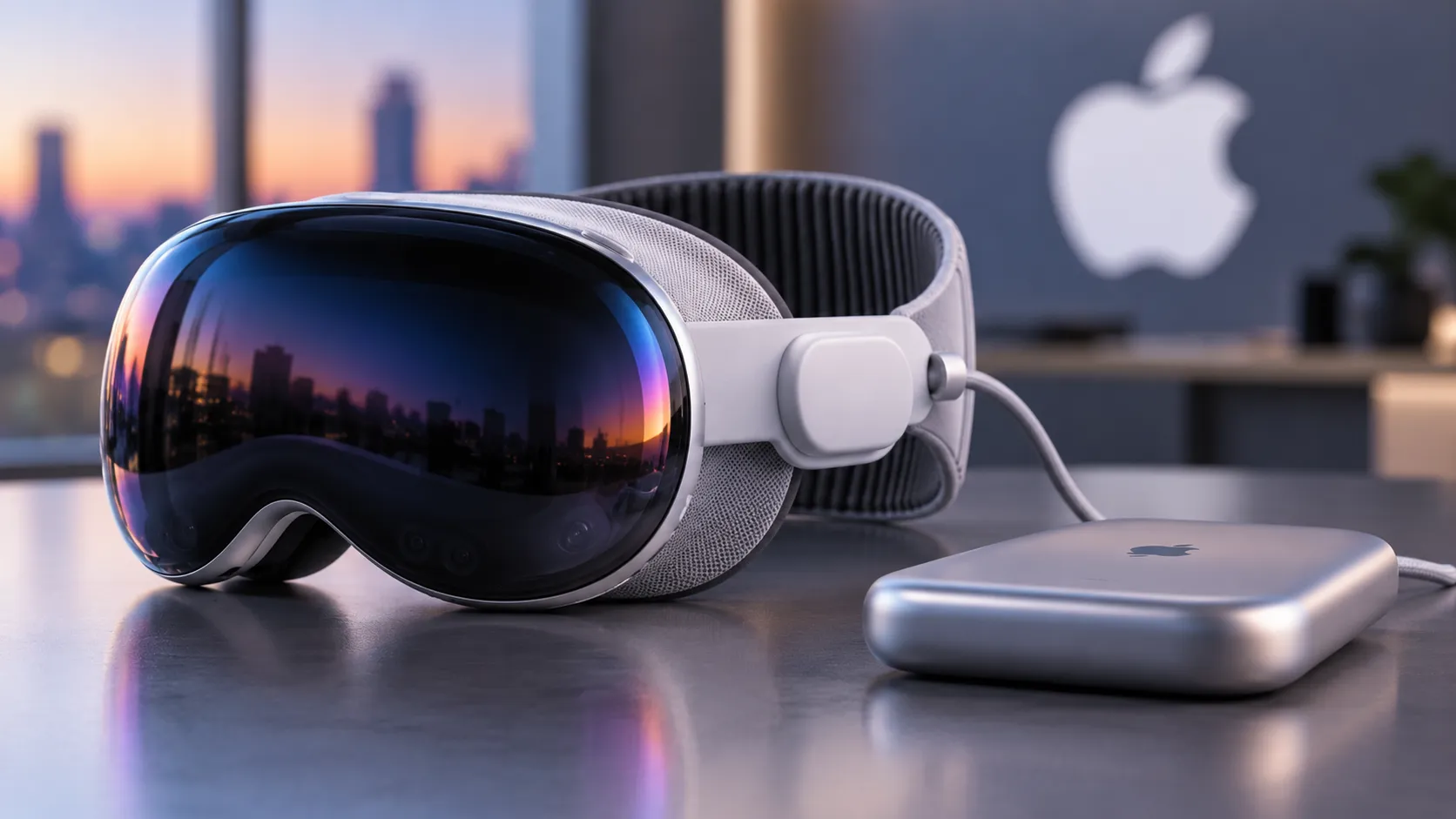
Digital Trends and The Verge have both cited Vision Pro's $3,500 launch price as the reason shoppers go looking at alternatives (Digital Trends; The Verge). That price buys a self-contained headset; no companion device is needed for native playback.
Xreal's X1-chip glasses always need to stay plugged into a USB-C video source, such as a phone, laptop, handheld, or console with an adapter, The Verge reports. The source device supplies the video signal and streaming app, while the X1 chip handles the reported 2D-to-3D conversion inside the glasses themselves. That's a different product shape than Vision Pro's all-in-one design, and it shifts part of the setup burden onto whatever device a buyer already owns.
Current prices for the X1-chip One, One Pro, and 1S weren't available in the reporting reviewed for this article. The only Xreal pricing on record covers an older, different product tier: the Air 2 glasses at $400 and its Beam Pro compute accessory at $200, Digital Trends reported two years ago. Those older models don't support the X1 chip's SBS playback or 2D-to-3D conversion, so they aren't a reliable stand-in for pricing the newer lineup.
Watching an older 3D Blu-ray on Xreal isn't plug-and-play either. In the workflow The Verge's reporter tested, it took an external USB Blu-ray drive, about 30 minutes ripping the disc into an MVC file with MakeMKV, another 50 minutes converting that into a Full-SBS file with BD3D2MK3D, then transferring the result to a device like a Steam Deck to play through VLC with the glasses flipped into 3D mode. That's roughly 80 minutes of prep before a single frame plays, and it reflects one reporter's documented process rather than a universal standard. Check the legal rules in your jurisdiction before reproducing that ripping workflow.
Xreal vs Apple Vision Pro for 3D movies, format by format
The table below draws on the reporting above; cells marked "not addressed" or "not established" indicate gaps in available sourcing rather than a confirmed absence of a feature.
| Format | Vision Pro | Xreal (X1-chip models) |
|---|---|---|
| Native streaming 3D (licensed studio titles) | Yes, via Disney+ and other apps since the 2024 launch; current regional availability unverified | Not established in available reporting |
| Local SBS files | Not addressed in available reporting | Documented on the One Pro; One and 1S not established |
| Ripped 3D Blu-ray playback | Not addressed in available reporting | Demonstrated via one reporter's documented rip-and-convert workflow |
| Algorithmic 2D-to-3D conversion | Not documented in the reporting reviewed | Yes, X1-chip hardware conversion, capped at 30Hz as of earlier this year |
| Apple Immersive Video (180°, 8K, Spatial Audio) | Yes, exclusive | Not available on Xreal in the cited reporting |
| Extra hardware required | None, for native playback | Yes, a USB-C source device is always needed for the setup described here |
What's next for 3D movies
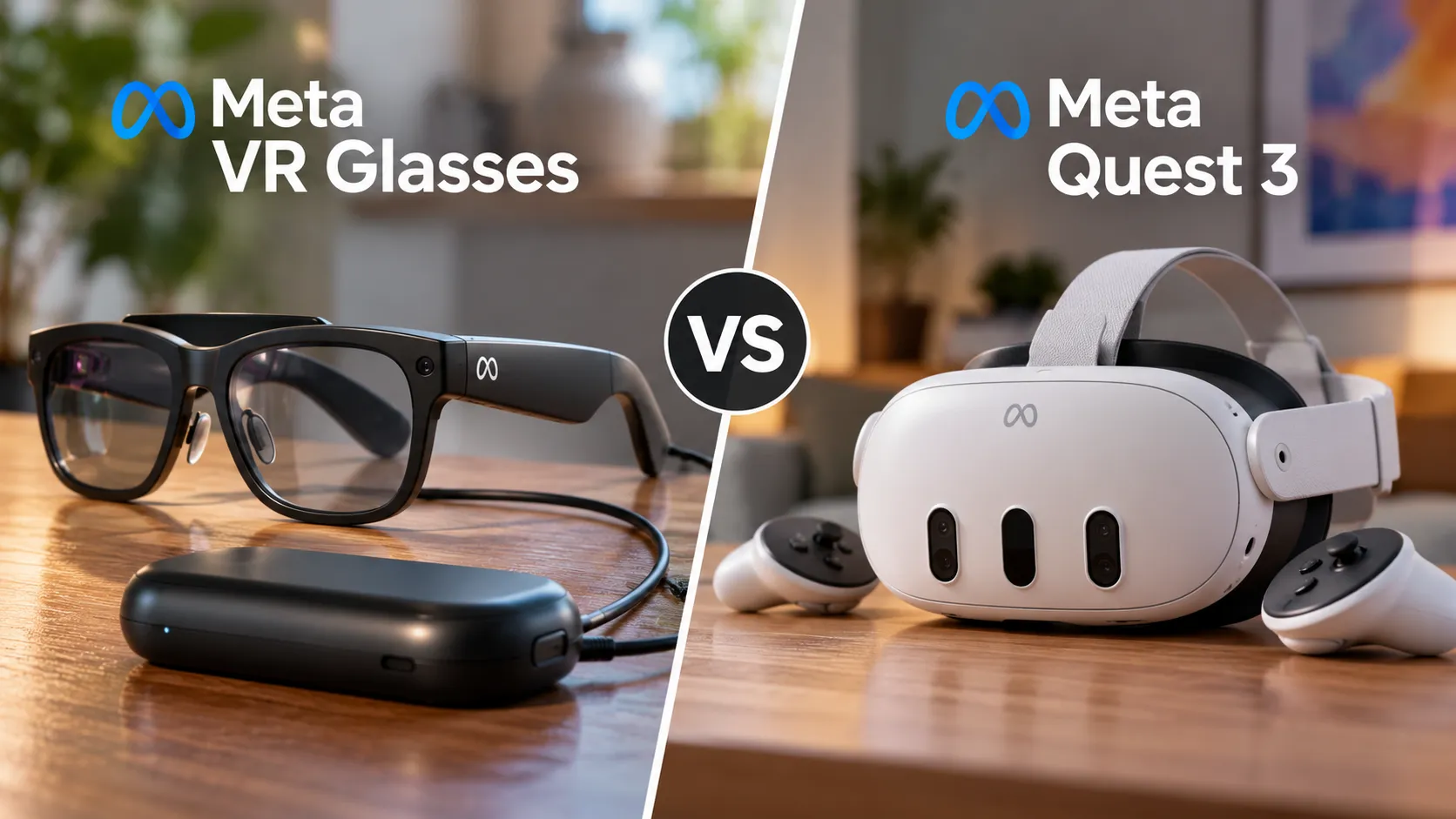
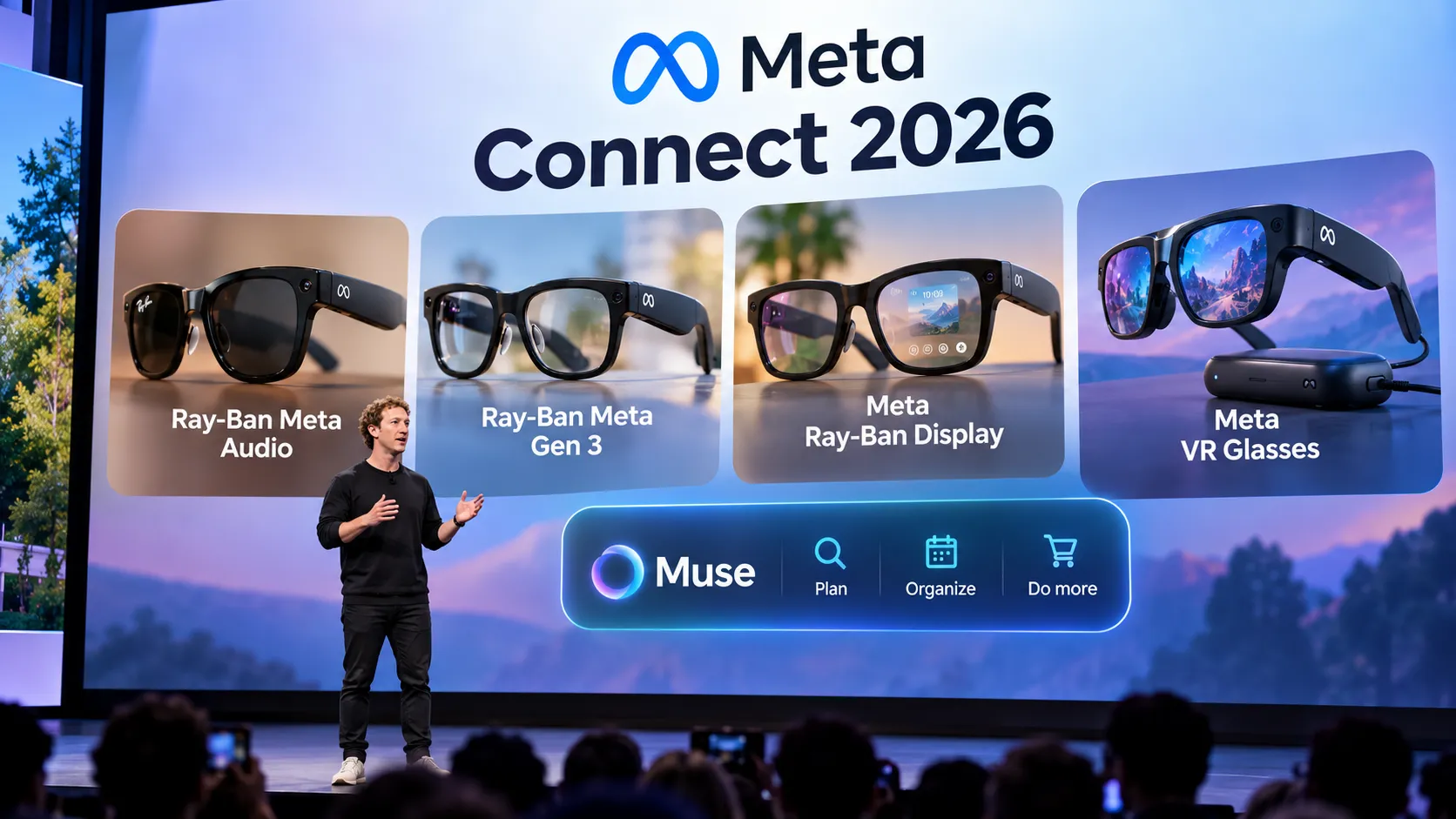
Meta's entry could change the competitive picture. The Verge described Meta's announcement as having "seemingly broken" Apple's exclusivity over next-generation 3D content. Meta's director of entertainment, Sarah Malkin, confirmed to The Verge that the $350 Quest 3S, $600 Quest 3, and the new $1,300 Meta VR Glasses will stream 3D movies through the Disney+, HBO, Paramount+, and Peacock apps, with pricing in line with typical 2D UHD rentals.
Some of that support is expected to start later this fall, Malkin said. By the time Meta VR Glasses launch next spring, she said, Meta's TV app should offer "hundreds of 3D films" to rent or buy, plus some free content. Malkin also said the glasses' three-hour battery estimate should cover a full movie in Theater mode on a full charge.
The cited report described those features as upcoming, not live; this article did not independently verify a rollout as of today. Meta's plans remain a preview of what's coming, not a factor in what plays on Vision Pro or Xreal's X1 lineup this week.
What the reporting leaves unresolved
Vision Pro remains the only device here with a native, licensed 3D movie catalog and the exclusive home of Apple Immersive Video, per Apple's launch announcement. Xreal's X1-chip glasses are the only display in this comparison confirmed to handle genuine SBS playback (on the One Pro) and hardware-based 2D-to-3D conversion (across the One, One Pro, and 1S), per Tridimensional.info and The Verge. Neither is simply the best headset for watching 3D movies in every sense; one is a closed, licensed library built into a single $3,500 device, the other a flexible display that depends on whatever source a buyer already owns.
Several questions remain open based on the research available here. Current Vision Pro title counts by region haven't been checked against the Apple TV app or Disney+ today. SBS playback on the Xreal One and 1S, beyond the documented One Pro, hasn't been confirmed. Current retail prices for the One, One Pro, and 1S weren't in the reporting reviewed. And whether Xreal's promised 60fps conversion update, pending as of earlier this year, has actually shipped remains unconfirmed.
Meta's push into 3D rentals across Quest and its upcoming VR Glasses could reshape this field, but that rollout is still described as upcoming rather than live. For now, the choice comes down to whether a buyer wants a sealed, licensed catalog with no setup, or a flexible display that converts whatever is already on hand.


Comments
Be the first, drop a comment!