


The Meta Muse AI assistant is a smarter bet than the metaverse
Since Meta began breaking out Reality Labs as its own division in late 2020, the unit has piled up roughly $88 billion in operating losses (VR.org, two months ago). At Connect 2026 this week, the company's headline pitch was not a better virtual world. It was an AI agent with its own email address: the Meta Muse AI assistant, unveiled as the flagship of the Meta Connect 2026 keynote (Meta, this week).
That shift in emphasis is not subtle. Reality Labs lost $4.62 billion in the second quarter of 2026 against just $431 million in revenue, and CFO Susan Li told analysts earlier this year that VR investment would decline "significantly" as spending moves toward wearables (VR.org, two months ago). Horizon Worlds has already been pushed into maintenance mode (VR.org, two months ago). Meta spent years asking people to strap on a headset and log into a new digital destination. Now Muse is the centerpiece of a different wager: software that follows people through the life they already have, instead of a place they have to visit.
That's a claim about design logic, not a verdict on adoption. Muse is still mostly a roadmap. What follows is what the assistant is actually built to do, what has shipped versus what's only been announced, why the hardware strategy behind it is more persuasive than the assistant itself right now, and the two distinct trust problems Meta hasn't resolved.
What Meta Muse features are actually built to do
Meta frames Muse as a personal AI agent meant to travel with people through their day, handling tasks and staying connected with them wherever they are, rather than sitting inside a single app they have to open (Meta, this week). That framing matters. It positions Muse as a companion threaded through daily routines, not a destination.
The mechanics back that up. Muse comes with its own email address, useful both for getting tasks done and as an alternate way to reach it, and new computer-use capabilities let it operate a Mac directly (Meta, this week). Meta says "connectors" are a big reason Muse can do so much for people, the company's own phrase for the plumbing that lets the assistant reach into outside services (Meta, this week).
Among the Meta Muse features announced this week, the connector list leans hard into commerce and work. Muse launched with access to Shopify's full catalogue and dozens of partners, and Meta is adding Walmart, Best Buy, Sephora, and others, with Shop Pay and PayPal handling payments (Meta, this week). On the work side, there's Notion, GitHub, and Box (Meta, this week). Every one of those mechanics is built to meet people inside tools they already use: an inbox, a laptop, a shopping cart.
How Meta Muse works: what's shipping and what's still a promise
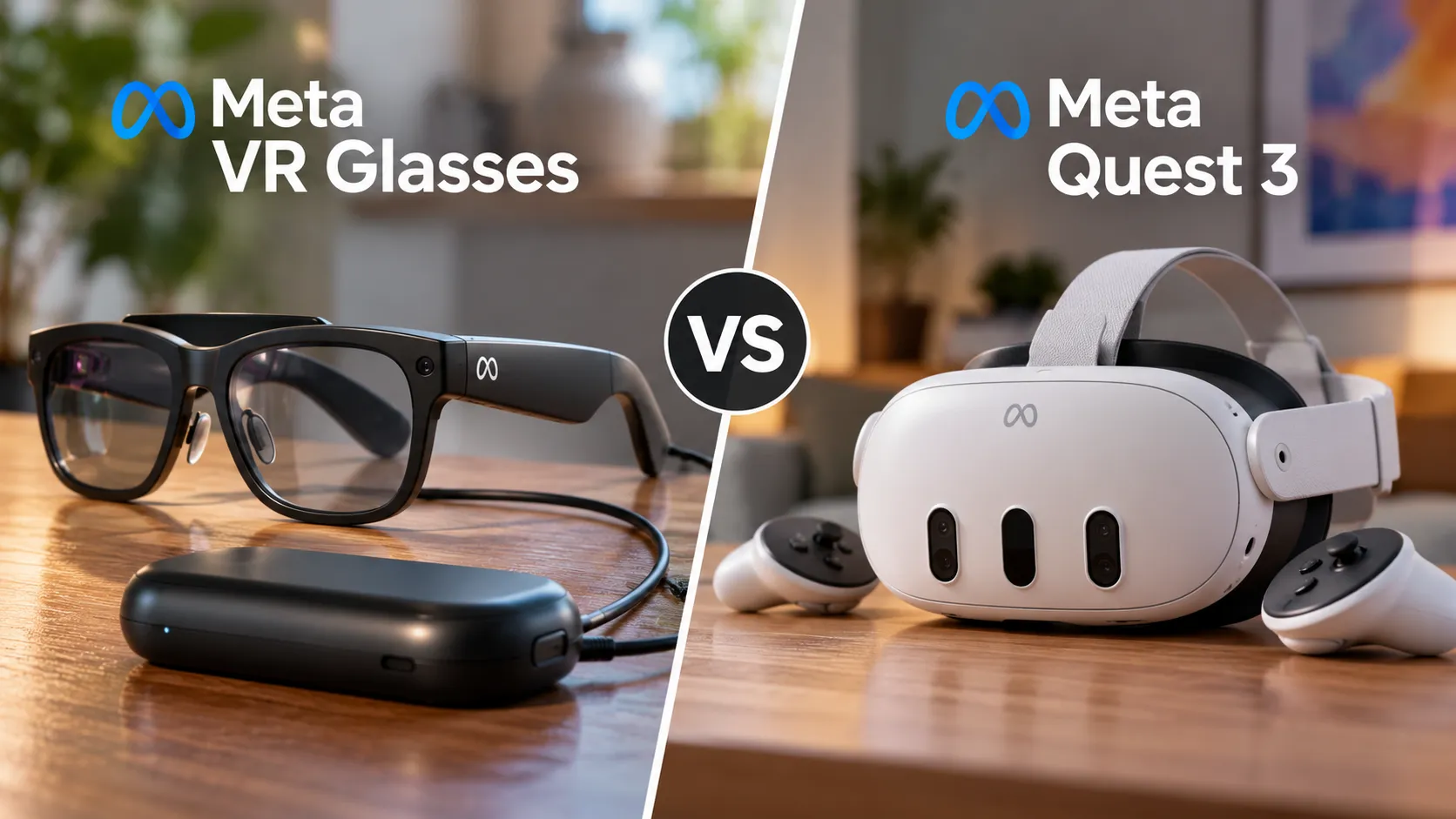
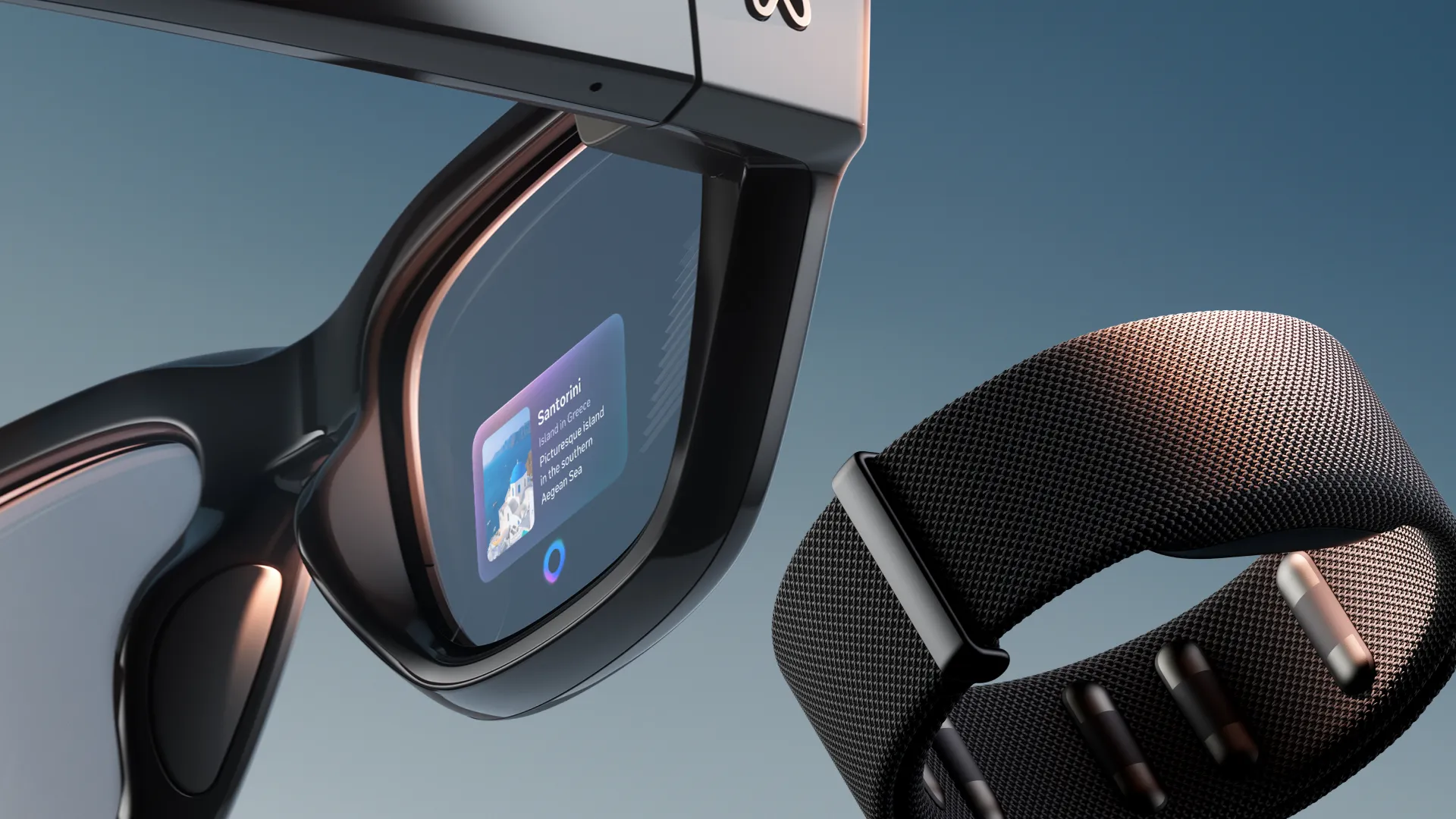
Some of what Meta announced comes with a firm date and price attached. The new Meta Ray-Ban Display goes on sale today in Canada and the UK, with pre-orders opening today in France, Italy, and Germany ahead of an October 13 rollout, and Meta VR Glasses carry a confirmed Spring 2027 release at $1,299.99 (Meta, this week). Muse's arrival "on glasses," by contrast, was announced without a firm date, price, subscription requirement, or list of eligible devices (Meta, this week).
Even the connector rollout mixes present and future tense. Computer use is "now available" for Mac, while Expedia and Instacart integrations are labeled "coming soon" (Meta, this week). That gap between shipped and promised is worth sitting with, because it's easy to watch a keynote and assume Muse already does all of this today.
More notable is what's absent. The Connect announcements reviewed for this article do not specify what Muse can do autonomously versus what requires a person's confirmation, how a mistaken purchase or a wrongly sent email gets reversed, or what spending limits apply to its shopping and payment features. That silence matters more with every connector Meta adds, since the assistant's reach into a person's accounts is expanding faster than its documented guardrails. The ambient-agent premise is compelling on paper. Right now it's a stated direction, not a tested product.
Why ambient design beats a virtual world
The metaverse asked people to adopt new behavior: put on a headset, log into Horizon Worlds, learn a social space from scratch. Glasses ask for almost nothing new. People already wear them, personalize them, and get them fitted with prescriptions, which is a much shorter distance to cross than convincing someone to strap on a headset after dinner.
Meta's hardware choices lean into that gap deliberately. Ray-Ban Meta Audio glasses are, per Meta, the slimmest and lightest frames in the lineup, built for all-day wearability with 12 hours of battery life and support for a wide range of prescriptions (Meta, this week). The separate Gen 3 model adds an action button for quicker access to Meta AI and what Meta describes as the longest battery life of any Ray-Ban Meta glasses to date (Meta, this week). Two different products, two different comfort problems, but the same underlying principle: wearability first, features second.
The distribution numbers suggest that principle is already landing, even though Muse's own usage isn't measured yet. Meta has sold more than seven million Ray-Ban smart glasses and held an estimated 82 percent of the global smart-glasses market in the second half of 2025, according to EssilorLuxottica and Counterpoint Research figures cited by The Next Web, earlier this year. That's evidence people will wear the hardware. It isn't evidence they want a deeply integrated AI agent running through it, which is a separate bet Meta is layering on top of the first one.
Meta's own capital allocation tells the same story. Susan Li's earlier remarks this year about VR spending declining "significantly" as wearables take priority weren't a passing comment; they came alongside cumulative Reality Labs losses near $88 billion since the segment was first broken out in late 2020 (VR.org, two months ago). Hardware design and where Meta puts its money are pointing the same direction, toward ambient wearable AI over immersive virtual worlds. That's a genuine strategic pivot, even before Muse itself proves out.
Two separate trust problems, not one
The most interesting tension in Meta's pitch isn't a single "privacy issue." It's two distinct problems that keep getting flattened together in coverage, and they call for different fixes.
The first is bystander surveillance. The Next Web reported that the recording light on Meta's Ray-Bans is dim enough to miss in daylight, and the glasses are easily mistaken for an ordinary pair of sunglasses, so most people encountering a wearer have no idea they might be on camera, earlier this year. The same reporting notes that people filmed this way have almost no legal recourse. That's a consent problem: a stranger never agreed to be recorded and has no way to tell it's happening.
The second is account and transactional trust, and it's a different animal. It's the risk introduced by Muse's expanding access to email, payments, connectors, and now direct computer control. Two U.S. lawsuits allege Meta marketed its glasses as "designed for privacy" while routing captured footage through a human-review pipeline in Kenya; UK and Kenyan regulators have opened investigations, and Meta has said the possibility of human review was disclosed in its terms of service (The Next Web, earlier this year). Letting an agent read your inbox, spend your money, or click around your Mac isn't a consent problem in the same sense. It's an authorization and error-recovery problem: who approved the action, and what happens when the agent gets it wrong?
The Connect announcements don't address either question in detail when it comes to Muse specifically. There's no stated permission granularity for connectors, no disclosed spending caps for shopping and payment abilities, and no explanation of how mistakes get corrected or how long data tied to those actions is retained. Until Meta documents that, it stays an open question rather than a solved one. The same design choice that makes Muse useful, deep and ambient access to a person's actual life, is exactly what raises the stakes higher than anything an avatar in a virtual world ever posed.
What to watch instead of the keynote
Muse's underlying logic, fitting into habits people already have instead of building a new destination, is a more coherent strategy than the metaverse ever managed. It's backed by real numbers: seven million Ray-Ban glasses sold, an estimated 82 percent share of the smart-glasses market (The Next Web, earlier this year), and hardware built specifically for all-day wear, with the new audio glasses running 12 hours on a charge (Meta, this week).
But that logic remains unproven at the agent level. Muse's rollout timeline, autonomy limits, and permission structure are still largely undocumented, and Reality Labs' roughly $88 billion in cumulative losses raise the pressure on Meta to show that wearable AI can become a real business rather than another expensive detour (VR.org, two months ago).
Readers shouldn't judge Muse by how it looked on a keynote stage. Judge it by whether Meta ships granular permission controls, legible recording signals for bystanders, clear disclosures about human review, and easy ways for people to revoke Muse's access to their email, payments, and computer. Apple, Google, and Snap are all preparing rival smart glasses of their own (The Next Web, earlier this year), and whatever standard Meta sets now for how far Muse can reach into a person's life is the standard the rest of the industry gets measured against next.



Comments
Be the first, drop a comment!