



Display-less smart glasses, the camera-and-microphone kind with no lens display, shipped 2.25 million units in the first three months of 2026, a 167% jump from the same quarter a year earlier, according to IDC data published in June 2026.
That single quarter came close to matching the 2.7 million units the display-less category shipped across all of 2024. Numbers like that are exactly what people mean when they talk about AI smart glasses market growth in 2026: not a slow climb, but a sudden acceleration in one specific corner of the wearables business.
That figure covers glasses without displays specifically, not the whole eyewear category. A separate measure from Counterpoint Research found AI smart glasses accounted for 88% of all smart-glasses shipments in the second half of 2025, a related but different data point about how thoroughly AI has taken over the category's feature set rather than a restatement of the shipment surge.
Counterpoint's newer August 2026 data adds another marker: global smart-glasses shipments grew 212% year over year in the first half of 2026, with Meta accounting for about 84% of shipments. The trackers use different definitions and market slices, but the direction is consistent: smart glasses are growing quickly.
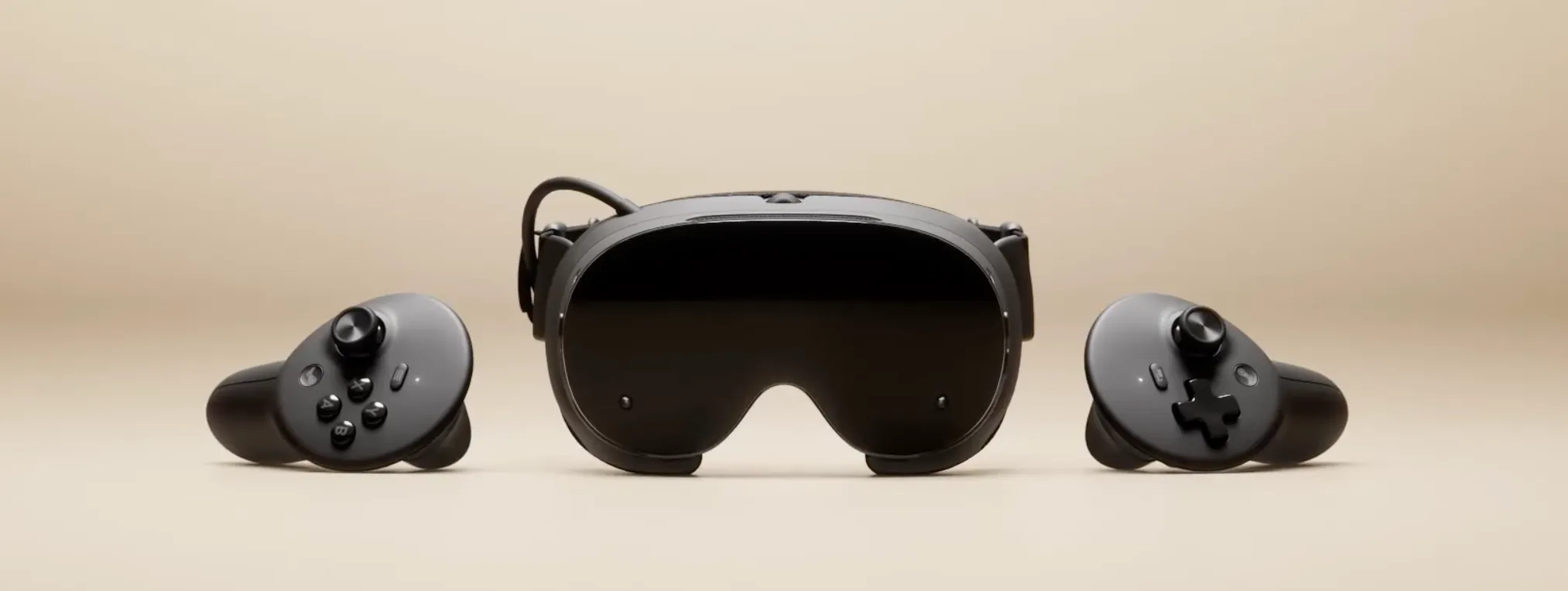
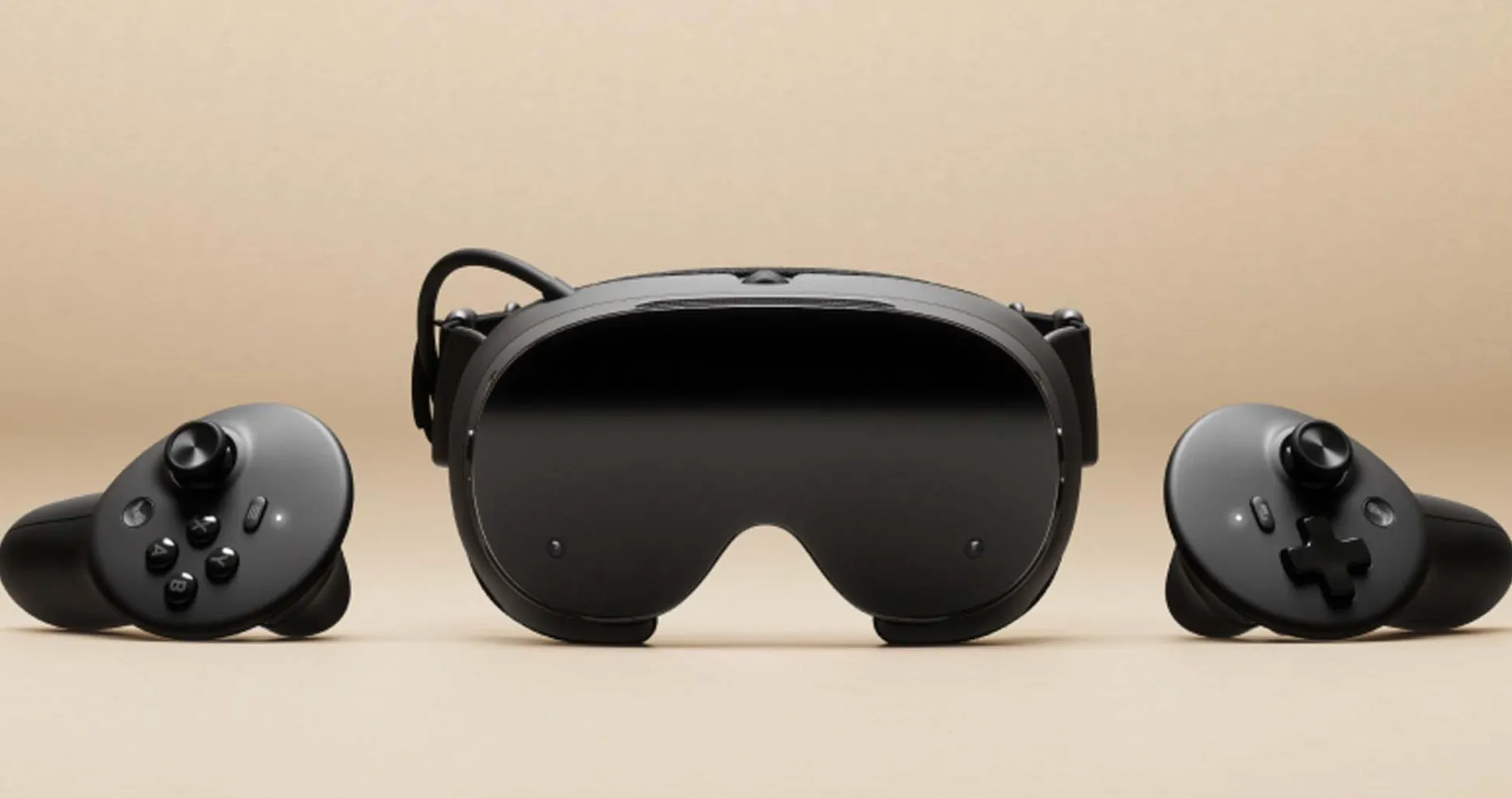
The other half of the story runs the opposite direction. VR-only headsets are forecast to fall from roughly 200,000 units shipped in 2025 to fewer than 50,000 this year, according to Computerworld reporting on IDC figures.
Put those threads together and a clean narrative writes itself: glasses win, headsets lose. It isn't quite that simple. The real story splits into two separate growth tracks inside the glasses category itself, a VR-only collapse that doesn't extend to headsets broadly, and a leadership picture that looks very different depending on which slice of the market gets measured.
Reading the 2026 smart glasses shipment numbers correctly
Start with the trackers, because IDC and Counterpoint measure overlapping but not identical things, and that's why their numbers don't always line up.
IDC's Augmented and Virtual Reality Headsets Market Insights tracker separates display-less smart glasses from eyewear with displays tracked under its broader ARVR segment. That display-equipped segment grew 86% year over year in the first quarter of 2026, a strong number in its own right but a different one from the 167% display-less figure.
Counterpoint runs its own categorization. Its first-quarter 2026 intelligent-eyewear data shows the broader market, including VR, AR, and smart glasses, growing 83% year over year. Within that total, AR glasses grew 136%, display-less smart glasses grew 210%, and VR declined 17%.
The trackers agree on direction. They diverge on scope.
That divergence shows up again in how each firm counts Meta's lead. IDC puts Meta's share at 69.2% for the first quarter of 2026, while Counterpoint puts Meta at about 84% of the smart-glasses market for the same quarter. Those figures aren't directly interchangeable because the firms use different tracker definitions and category boundaries.
Counterpoint's newer first-half 2026 tracker still puts Meta at about 84% of global smart-glasses shipments, showing that its lead persisted through June.
One caveat is worth carrying through the rest of this piece. These are shipment figures, units moved into the market, not confirmed sales to end users and not evidence that anyone is actually wearing the things past the first week.
That distinction matters more here than in most consumer electronics, because smart glasses ask people to change a habit, putting something new on their face every day, in a way a phone upgrade never does.
VR-only headsets: the VR headset market decline behind the AI glasses boom
The VR-only decline is steep, and it's specific to VR-only hardware. Shipments are forecast to drop from about 200,000 units in 2025 to under 50,000 in 2026, a contraction of more than 75% in a single year.
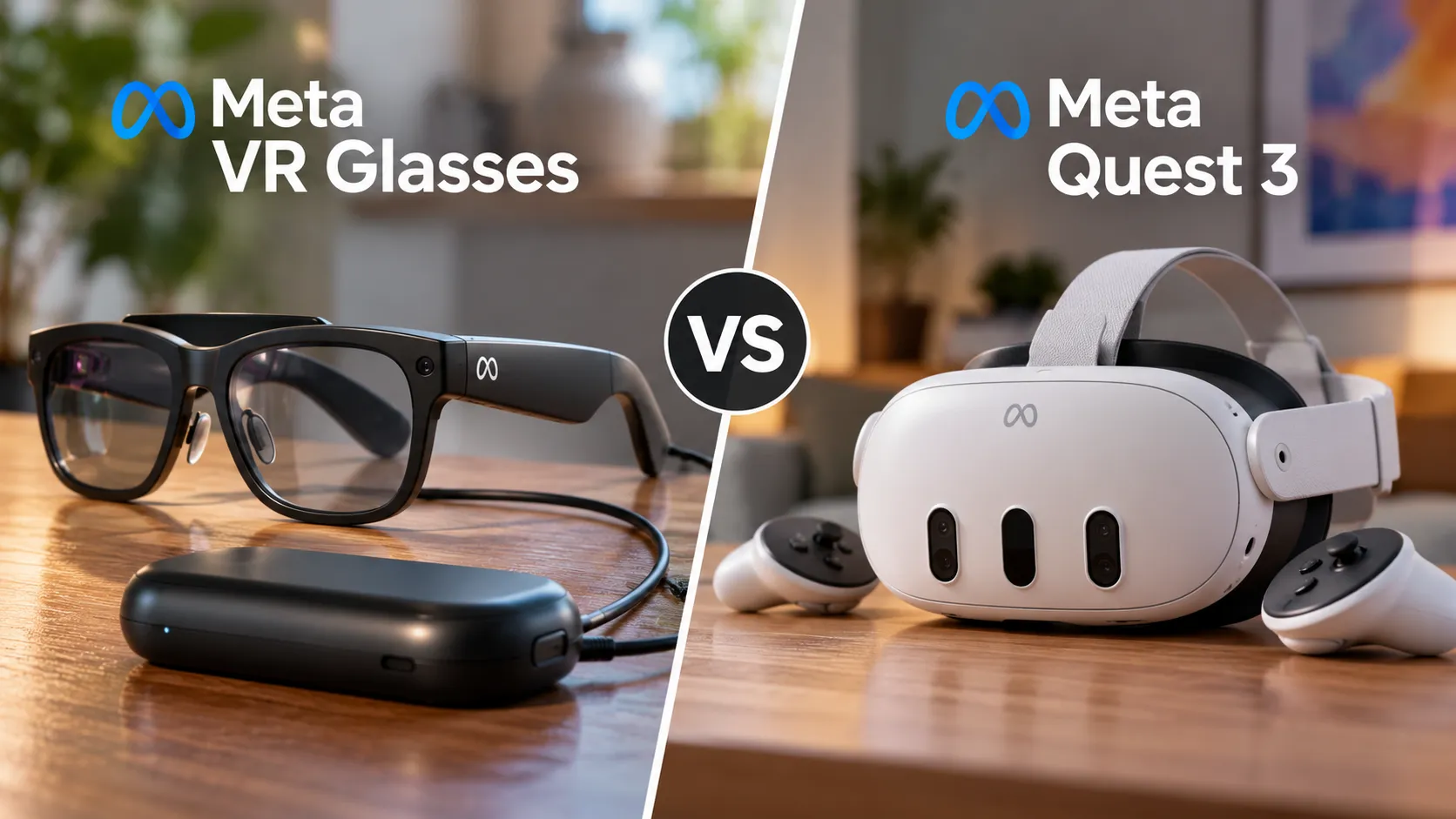
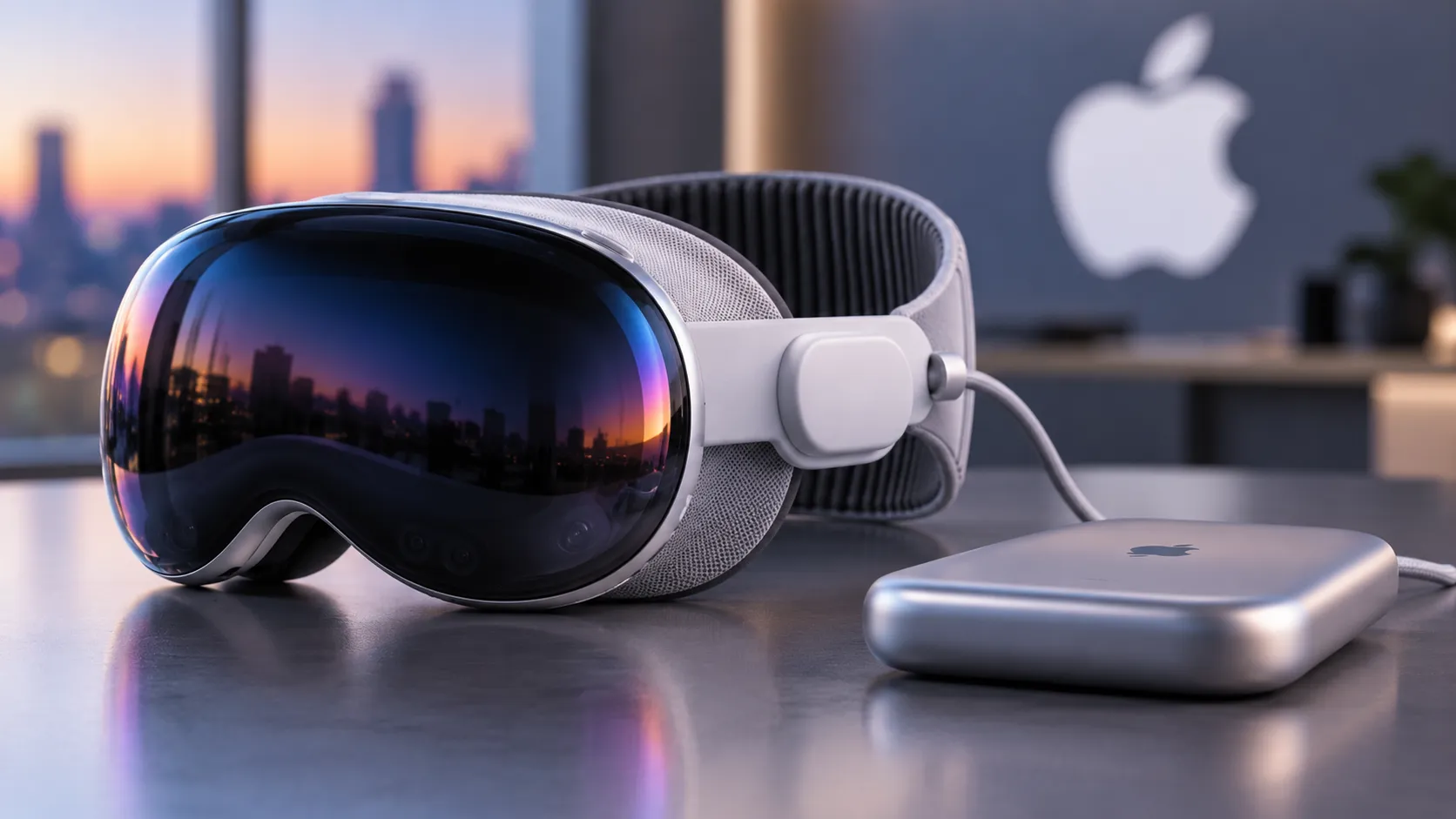
Part of the broader headset comparison is a hard product-cycle effect. The stronger 2024 market benefited from Apple's Vision Pro launch and the first full year of Meta Quest 3 availability, while 2025 had less new hardware momentum.
IDC's Ramon Llamas expects the broader headset market to rebound to 6 million units in 2026, but he tempered the framing carefully. "Our expectation is that the market's going to rebound a little bit more in 2026," he told Computerworld, "but are we going to see a hockey stick effect in 2026? I don't think so."
That 6 million figure isn't a VR-only number. Computerworld reports that mixed-reality hardware accounted for just under 4 million units in 2025, while VR-only hardware accounted for only about 200,000.
The arithmetic points somewhere: if VR-only shipments stay under 50,000 units this year, the overwhelming majority of that broader headset market has to come from mixed-reality hardware. IDC's newer forecast has mixed reality growing from 3.2 million units in 2026 to 10.4 million by 2030.
What the research can't yet explain is why VR-only demand specifically has stalled: price, a thin content library, comfort, or simply a shortage of major new hardware worth buying.
Computerworld documents weak demand and limited product momentum for VR without isolating a single cause, so the honest version of this claim is that VR-only shipments are contracting sharply amid soft demand, not that anyone has diagnosed exactly why.
Two growth tracks: AI smart glasses shipment growth splits between everyday and premium glasses
Inside the glasses category, growth is splitting rather than converging on one winner, and IDC's forecast lays out two tracks with genuinely different economics.
Track one is everyday AI and display-less glasses, the Ray-Ban Meta model and its growing set of imitators. IDC projects 13.6 million units shipped in 2026, growing to 27.3 million by 2030, an 18.9% compound annual growth rate, with revenue reaching $5.1 billion in 2026 and $6.4 billion in 2027 before pricing pressure sets in.
Average selling prices are forecast to fall from about $376 in 2026 to roughly $229 by 2030, a decline of nearly 40% over four years.
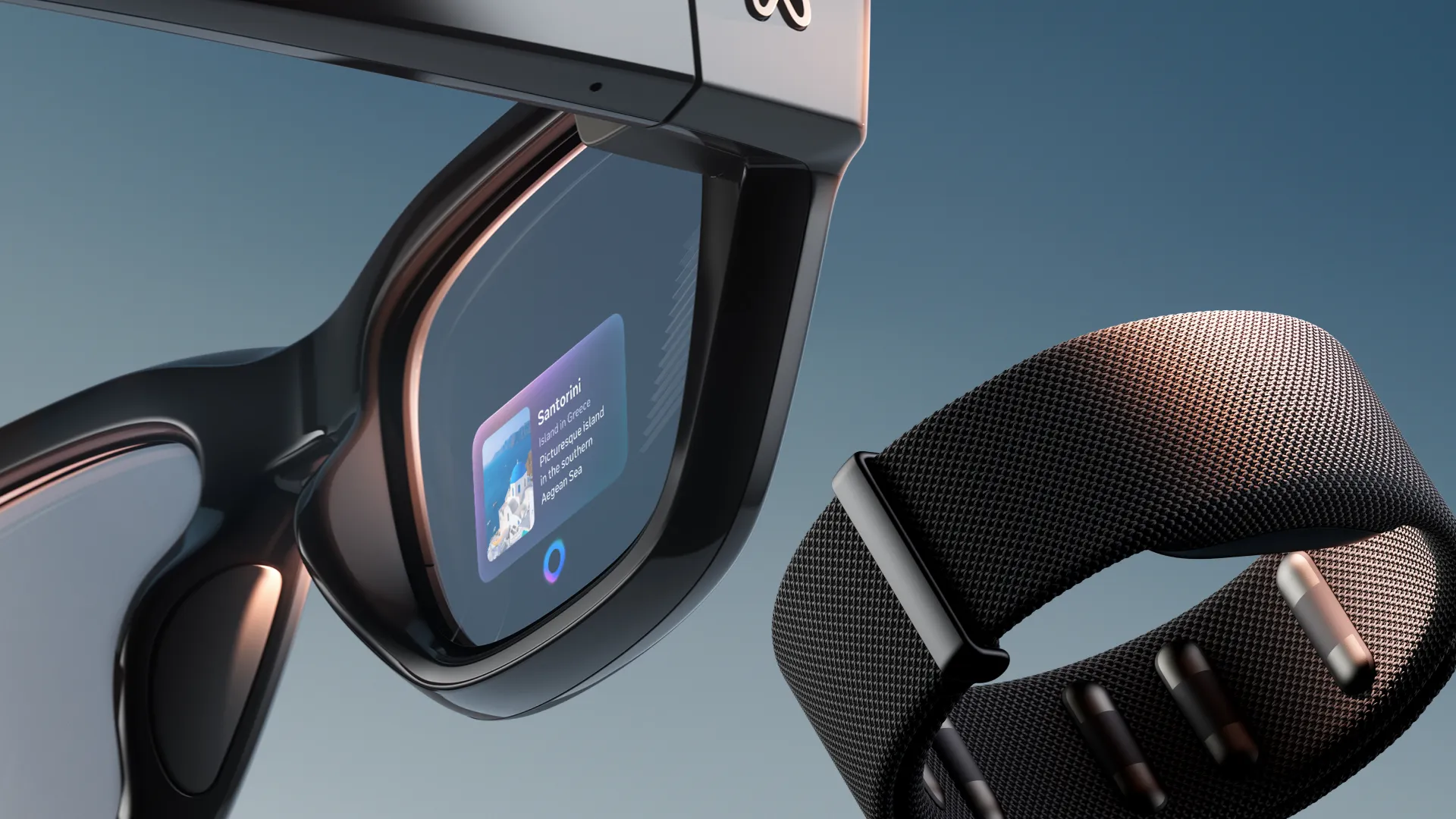
Track two is optical see-through display glasses, smaller today but growing faster: from 3 million units in 2026 to 12.2 million by 2030, a 41.9% compound annual growth rate, the fastest of any XR category IDC tracks. Prices here are forecast to remain in roughly the $516 to $547 range, while the most capable spatial-computing models sell well above $1,000.
Line those two forecasts up and the strategic split gets easier to read. The larger track, 13.6 million units in 2026, is growing more slowly and getting cheaper, the signature of a product chasing everyday, mass-market scale.
The smaller track, 3 million units, is growing faster while holding its price, the signature of a product selling a genuinely new capability, visual overlays and spatial computing, to buyers willing to pay for it.
One market is optimizing for how many people own a pair of AI glasses. The other is optimizing for what those glasses can actually show someone. Both count toward smart-glasses growth headlines, but they aren't competing for exactly the same wallet, and treating them as one undifferentiated boom obscures more than it reveals.
Mixed reality sits next to both tracks without belonging to either. IDC's forecast has it growing from 3.2 million units in 2026 to 10.4 million by 2030, a 34.4% compound annual growth rate.
Separate Computerworld reporting from earlier this year cited an older IDC forecast of 12 million mixed-reality units by 2029. Those figures come from different forecast vintages, so they're worth treating as separate projections rather than one continuous trend line.
For scale, the entire XR market, headsets and display-equipped glasses combined in Computerworld's IDC figures, shipped just under 15 million units in 2025 and was forecast to top 40 million by 2029, a reminder of how much room this category still has to grow before any single segment's numbers matter much in absolute terms.
There's another figure that belongs in neither shipment track. EssilorLuxottica, Meta's eyewear partner, reported selling more than 7 million AI-glasses units in 2025, including both Ray-Ban Meta and Oakley Meta models. That's a company-reported sales figure, not an independent shipment estimate from IDC or Counterpoint, and it shouldn't be treated as 7 million Ray-Ban Meta units alone.
Ray-Ban Meta smart glasses market share versus the rest of the field
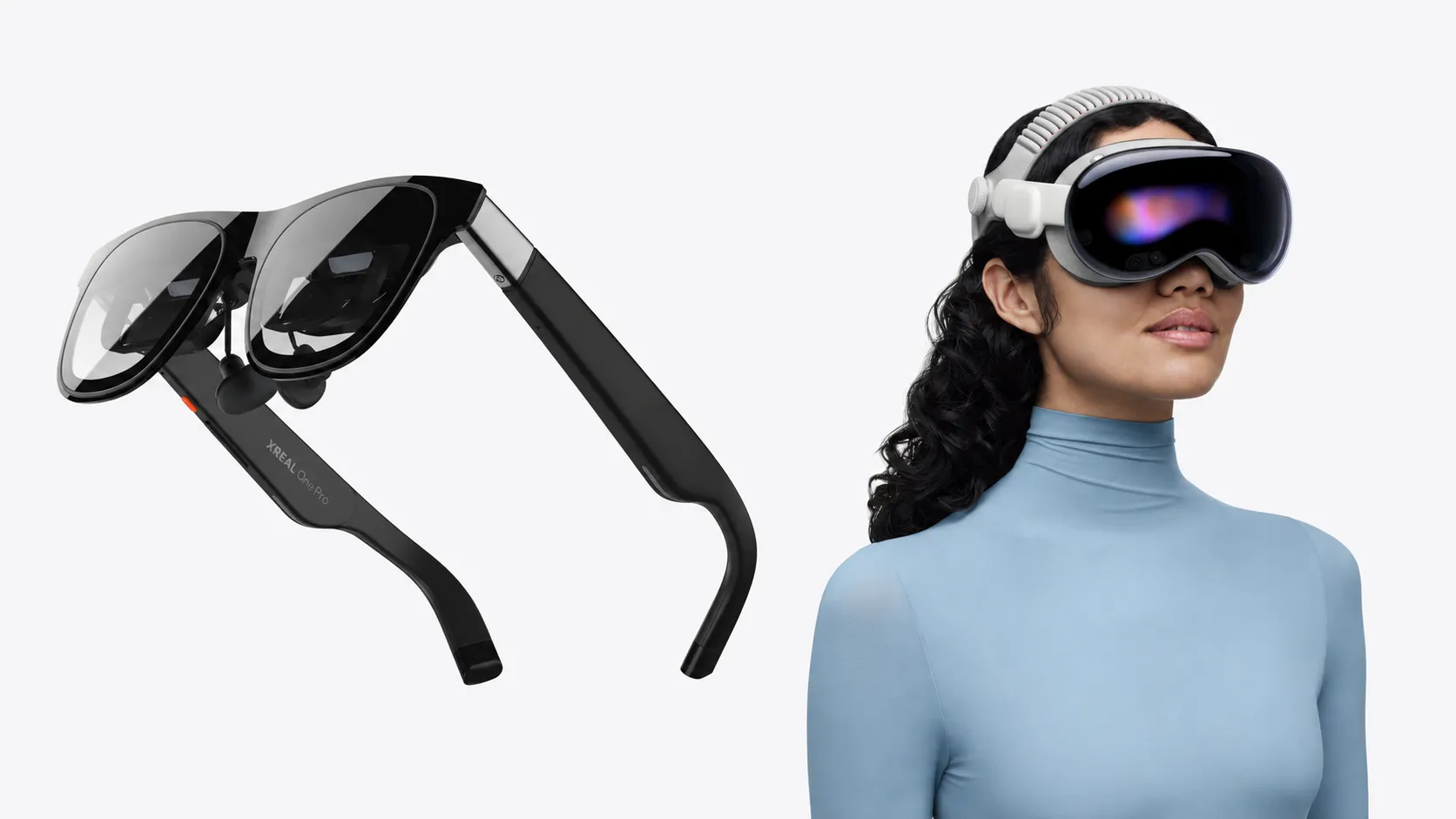
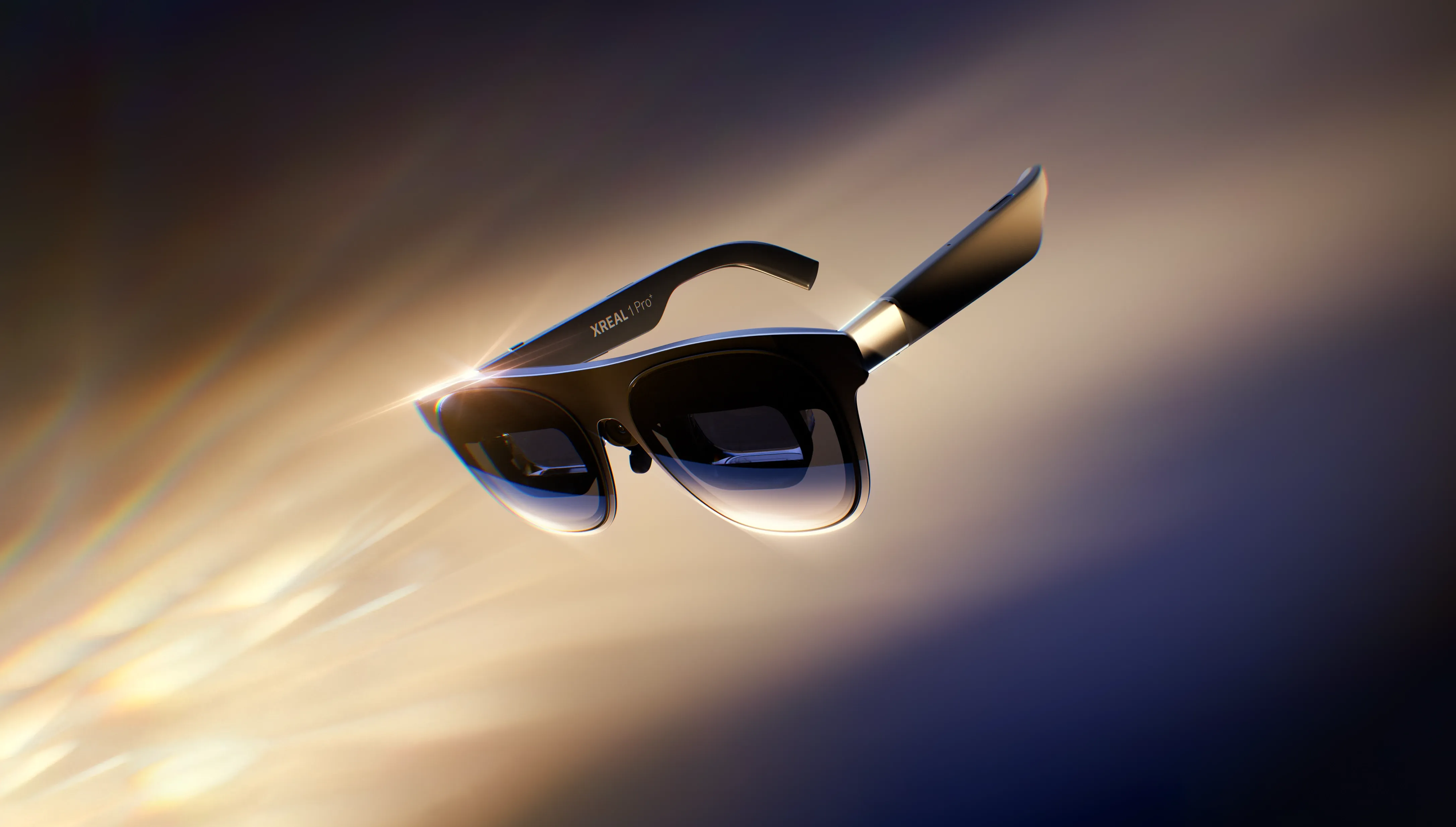
At the top line, nobody else is close. In IDC's first-quarter 2026 figures, behind Meta's 69.2% share, the next four vendors each hold single digits: RayNeo at 3.4%, Xiaomi at 3.1%, Viture at 2.5%, and XREAL at 2.0%. A long tail of other brands splits the remaining 19.8%.
Counterpoint's newer first-half tracker paints an even more concentrated top line, putting Meta at about 84% of global smart-glasses shipments.
That dominance looks less absolute once the market gets sliced by product type. In the video-centric AR segment, glasses built primarily for viewing display content rather than everyday AI assistance, RayNeo, XREAL, and Viture together held 96% share in the second half of 2025 (Counterpoint Research).
A combined share that large leaves little room for anyone else in that corner of the market, Meta included.
The waveguide-based information-display segment tells a third story. It grew more than 600% year over year in the second half of 2025, with Rokid, Meta, Even Realities, INMO, Alibaba, and Meizu all competing for share from a still-small base.
Six named companies chasing one fast-growing segment is a genuinely different competitive picture from a single company holding most of the broader display-less market.
Geography adds another layer worth separating out rather than blending together. North America accounted for 37% of global smart-glasses shipments in the second half of 2025 versus 6% for China, according to Counterpoint.
Separately, Counterpoint's first-quarter 2026 reporting notes that local OEMs in China and India are gaining traction with region-specific products, services, and AI experiences aimed at domestic buyers.
Those are two distinct observations from two different reporting periods, not one demonstrated trend. They show how uneven the market remains geographically, but they don't by themselves establish how much of Meta's global lead comes from North America.
Read the market at the top level and Meta looks nearly unchallenged. Read it by segment and real competition shows up exactly where some of the fastest growth is happening, which matters for how the market develops from here.
What the shipment numbers can't tell you yet
Two things in this data are solid and both matter. Display-less glasses shipped almost as many units in the first quarter of 2026 as the display-less category managed across all of 2024. VR-only headsets are contracting toward under 50,000 units this year even as the broader mixed-reality-heavy headset market is expected to rebound.
Shipment growth answers a narrower question than adoption does. The research documents what moved into distribution channels, not how often buyers wear the glasses once they're home, whether the AI features get used past the first week, or how return rates compare with VR headsets.
None of that usage, retention, or return-rate data appears in the research cited here, and it's the data that will eventually decide whether this is a platform shift or an expensive fad.
Two pressure points are worth watching regardless of how the shipment charts move next. One is privacy. Meta has explored facial-recognition technology for its smart-glasses ecosystem, with unreleased "NameTag" code discovered in the Meta AI app earlier this year before it was subsequently removed. Current Ray-Ban documentation says its glasses do not use facial-recognition technology.
The other is scale. Even IDC's newer forecast of 27.3 million display-less smart-glasses shipments by 2030 remains a fraction of the more than 1 billion smartphones sold globally each year.
The more durable version of this story isn't "glasses beat VR." VR-only shipments are contracting sharply amid weak demand and limited product momentum, while two adjacent categories, everyday AI eyewear and premium display glasses, are expanding on different timelines at different price points, each still unproven at real scale.
The next couple of years of usage numbers, not shipment numbers, will show which of those bets actually pays off.






Comments
Be the first, drop a comment!