


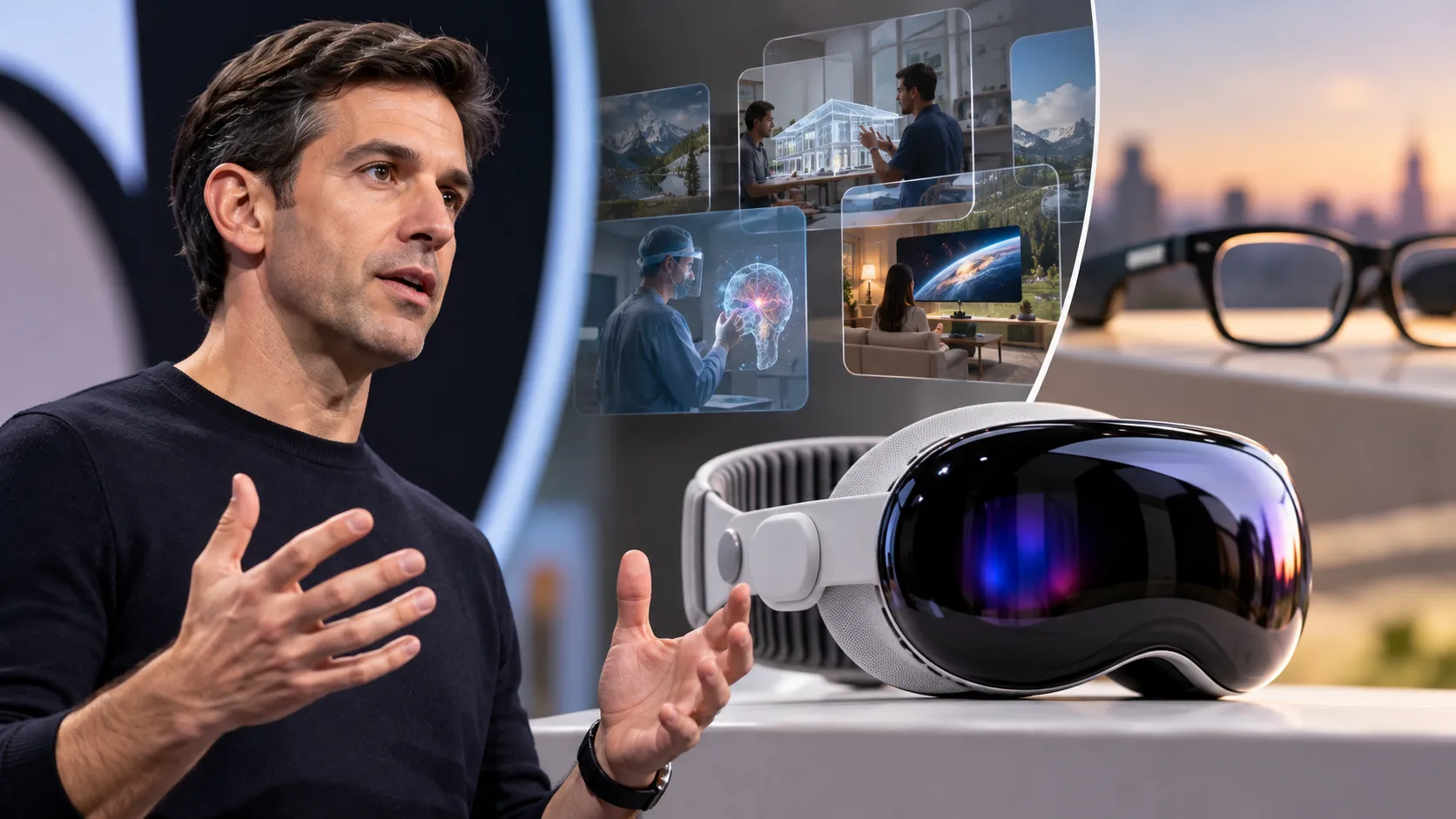
John Ternus called Vision Pro "an extraordinary product." Apple, he said, had "reached into the future and pulled it into the present."
Call it the John Ternus Vision Pro defense: a notably confident statement about a headset that has struggled to become a mainstream consumer product.
The more useful question is what Ternus is actually defending. In his April interview, he framed spatial computing as being in the "early innings" and pointed to enterprise and medicine as compelling areas of growth.
That's a case for spatial computing as a long-term platform. It isn't evidence that Vision Pro, in its current form, has found a mass-market audience.
That distinction matters even more now. Ternus became Apple's CEO on September 1, and recent reporting says Apple has reduced Vision Pro staffing while putting more emphasis on lighter smart glasses.
The current headset may therefore be less important to Ternus's argument than the spatial-computing stack Apple is building around it.
What Ternus's Vision Pro Comments Actually Defend
Ternus's April comments make two separate claims.
One is about Vision Pro as an engineering achievement. He called it "an extraordinary product" and repeated Apple's line that the company had reached into the future and brought it into the present.
The other is broader: spatial computing is still at the beginning of its development.
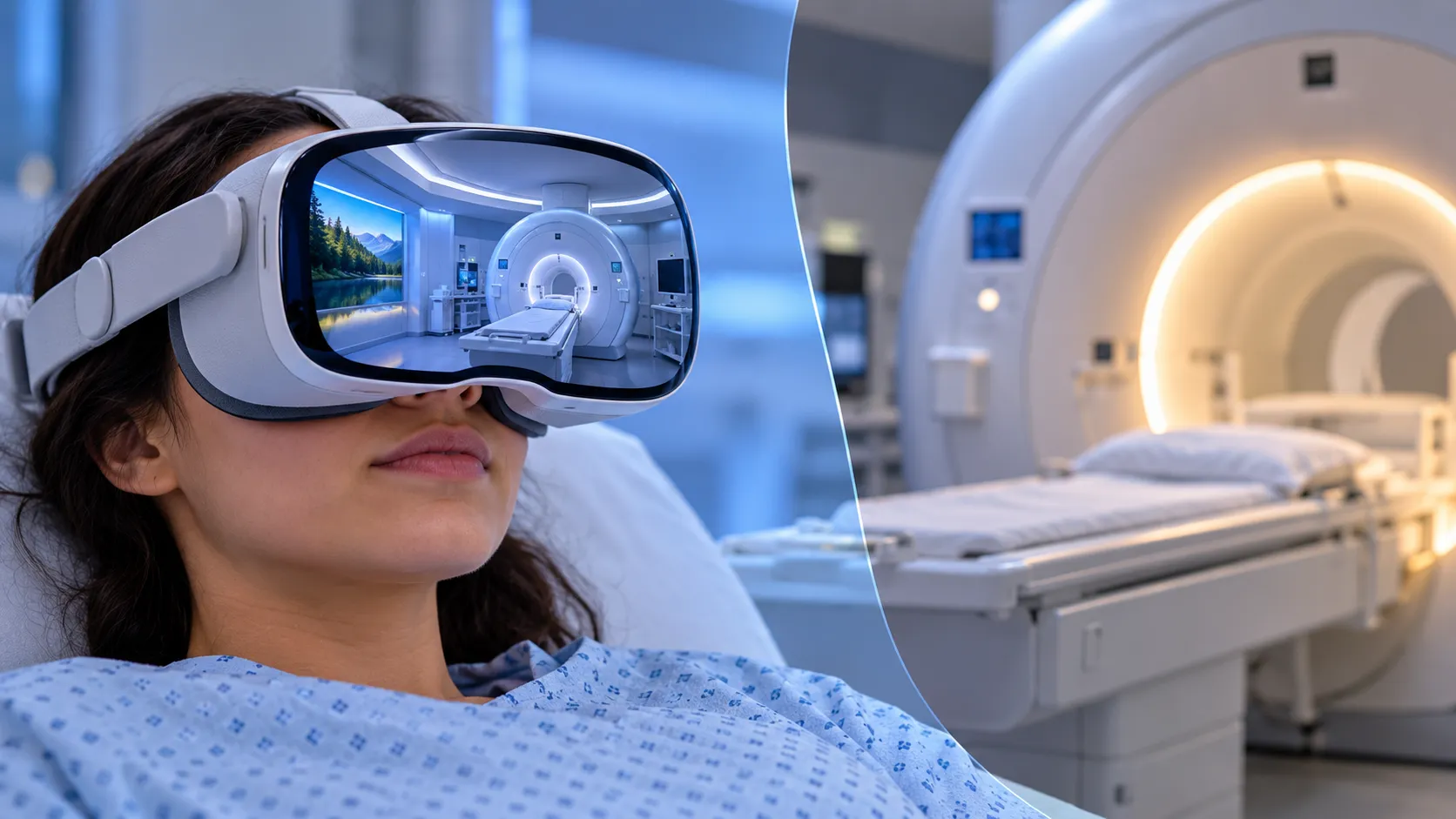
Ternus specifically cited enterprise and medicine as areas where people are finding compelling uses.
Neither claim establishes that Vision Pro itself will become a profitable mainstream consumer product.
That's important because Apple's original Vision Pro pitch was considerably broader.
When Apple unveiled Vision Pro in June 2023, it promoted work, communication, entertainment, photos, video, FaceTime, and everyday computing.
The headset actually went on sale in the US on February 2, 2024, not in 2023.
Three years after the announcement, Ternus's strongest examples are professional and specialized ones.
That doesn't mean the consumer vision is dead. It does show where Apple's leadership currently finds the easiest evidence of value.
Ternus Has More VR History Than Most Apple Executives
Ternus's optimism is notable partly because he wasn't always described as an obvious Vision Pro champion.
Before joining Apple in 2001, he spent four years as a mechanical engineer at Virtual Research Systems, an early VR headset company.
Road to VR notes that his tenure overlapped with products including the Virtual Research V8 headset.
Bloomberg's Mark Gurman has also described Ternus as historically cautious about major new product categories.
According to reporting relayed by Road to VR, Ternus had reservations about both Apple's car project and the mixed-reality effort that became Vision Pro.
The car was eventually canceled. Gurman has characterized Vision Pro's commercial performance as a "bust" relative to Apple's more successful new hardware categories.
That history makes Ternus's public support more interesting, but it doesn't explain why his position changed.
There is no sourced basis for assigning a motive.
What can be said is narrower: an executive reported to have been skeptical of the headset now publicly argues that spatial computing still has a long runway.
Apple's Software Investment Supports the Platform Argument
Apple is still investing in the software underneath Vision Pro.
The strongest current evidence is visionOS 27, released September 14.
Apple's current visionOS documentation adds Siri AI, Visual Intelligence, new spatial experiences, 4K view recording, higher-resolution mirroring, curved windows, improved Mac integration, and other platform-level changes.
That follows visionOS 26, which brought persistent spatial widgets, redesigned Personas, generative spatial scenes, support for 180-degree and 360-degree content, PlayStation VR2 Sense controllers, and new enterprise APIs.
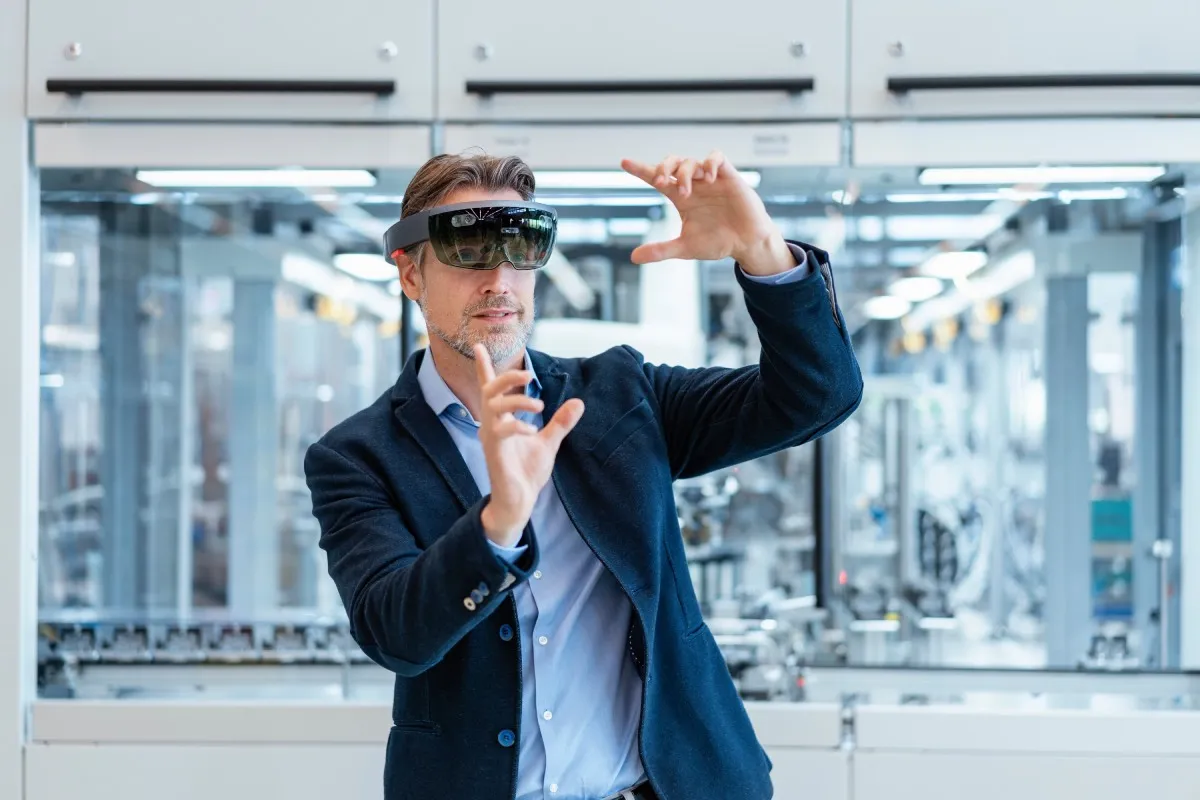
Apple also continues to market Vision Pro for professional uses including design, immersive training, guided work, healthcare, and customer experiences through its enterprise program.
Those are real signs that visionOS remains an active software platform.
They don't establish adoption.
Apple hasn't published the kind of sales, active-user, retention, or enterprise-deployment figures that would show how large the Vision Pro ecosystem has become.
Shipping software proves Apple is still developing the platform. It doesn't prove demand for the current headset.
The Hardware Story Is Much Less Bullish
Apple's recent hardware moves complicate Ternus's optimism.
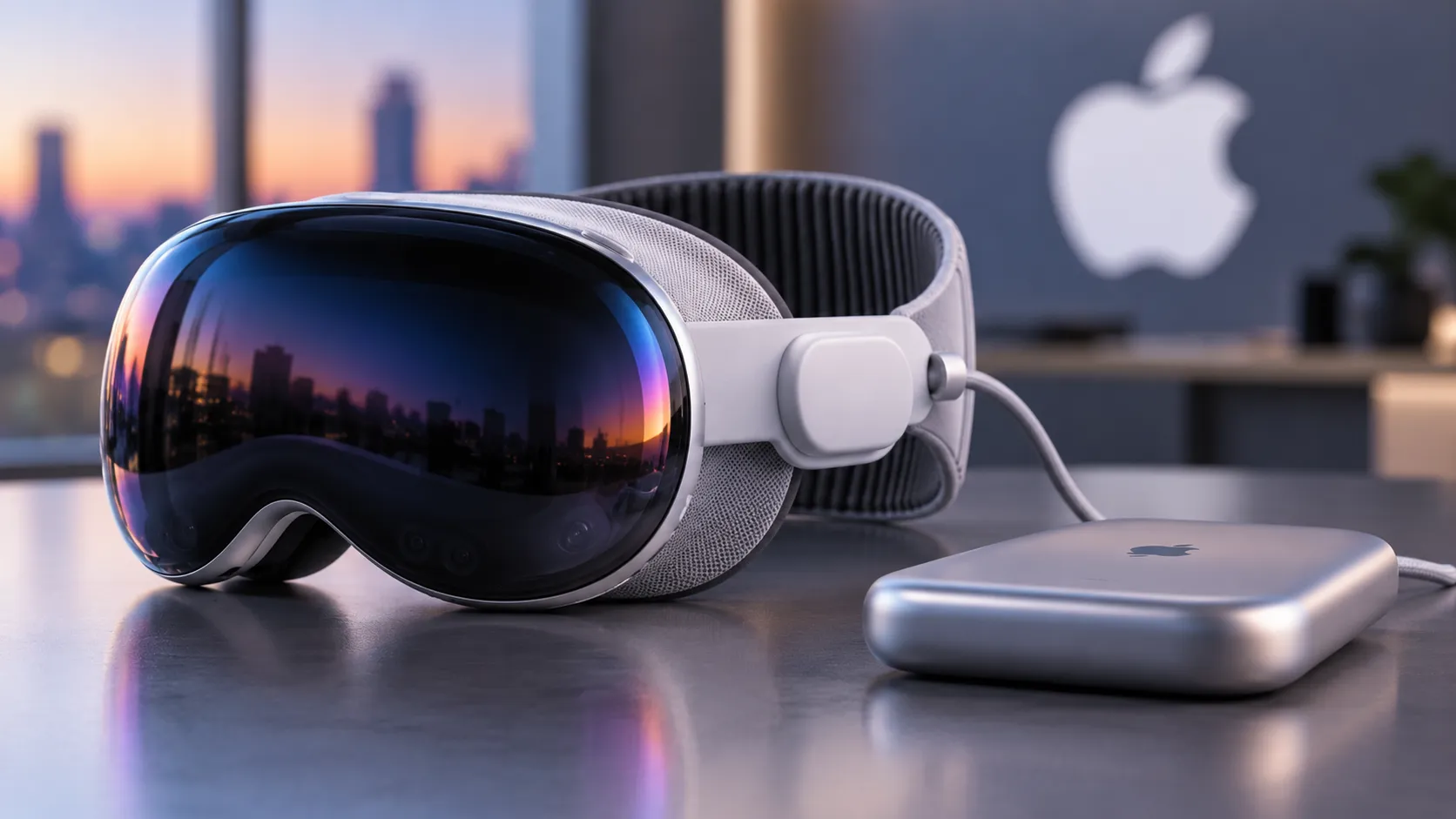
The company refreshed Vision Pro with an M5 chip in October 2025, but subsequent reporting suggests the broader headset roadmap has slowed.
MacRumors reported in September that Vision Pro-related layoffs extended beyond gaming and immersive video into areas including security, audio engineering, Siri integration, testing, and visionOS.
The report, citing Gurman, said people inside the Vision Products Group had been lobbying Ternus to continue investing in the platform.
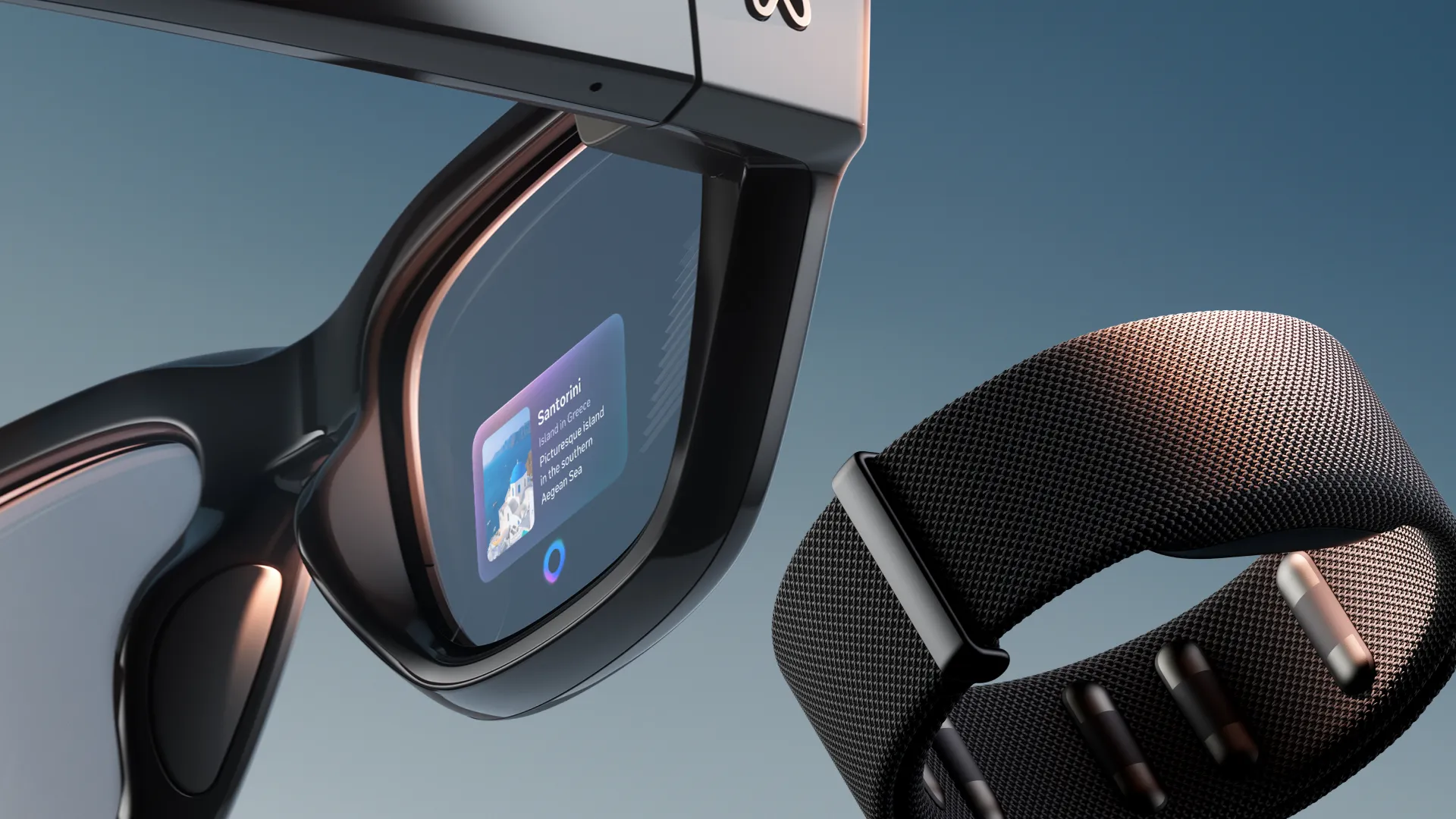
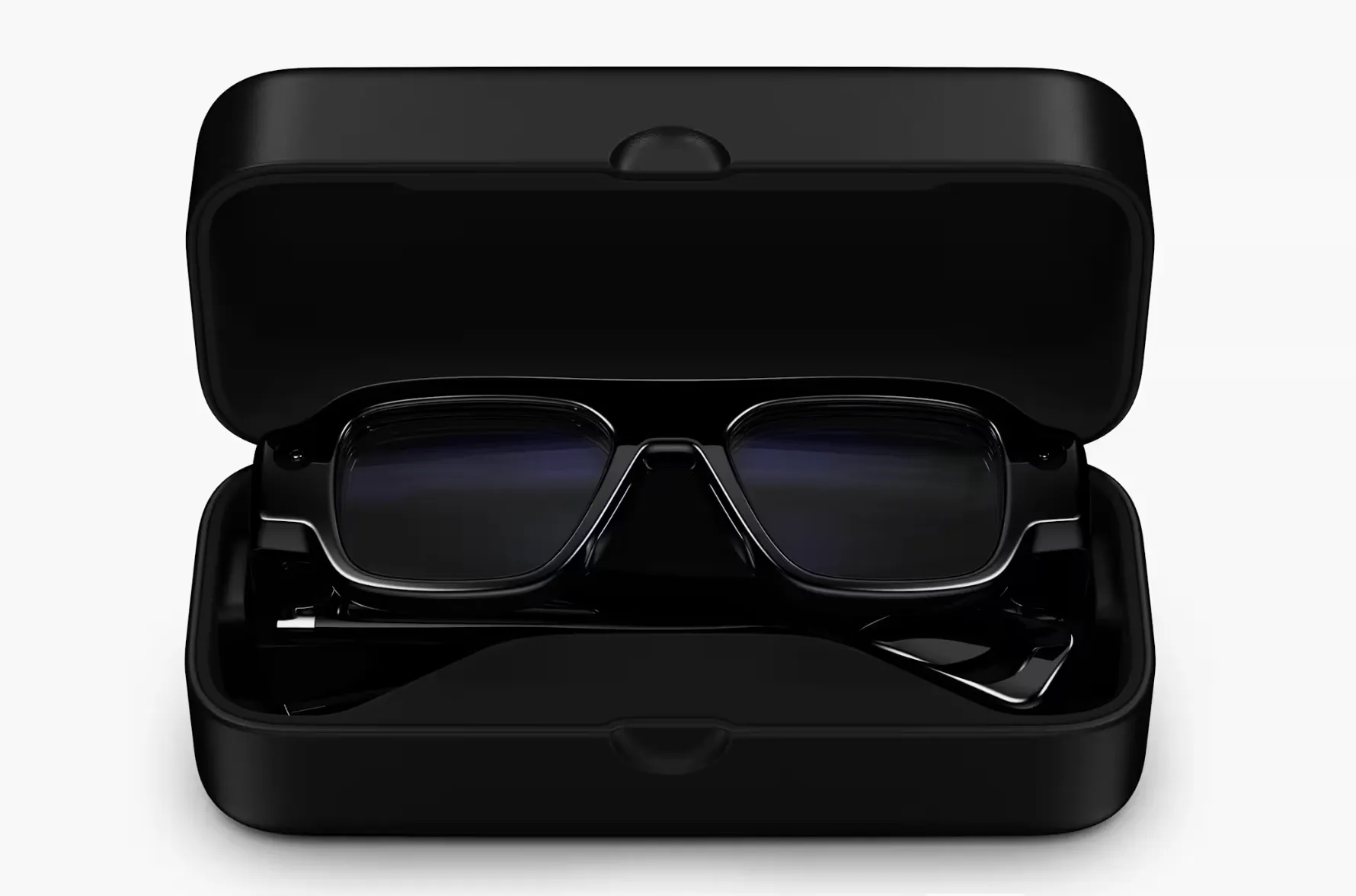
At the same time, Apple's smart-glasses work appears to have become the more immediate hardware priority.
Gurman's reporting now points to a display-less smart-glasses product targeted for late 2027.
A slimmer, cheaper Vision Pro-style headset may still eventually appear, but current reporting puts that possibility around late 2028 or 2029 at the earliest.
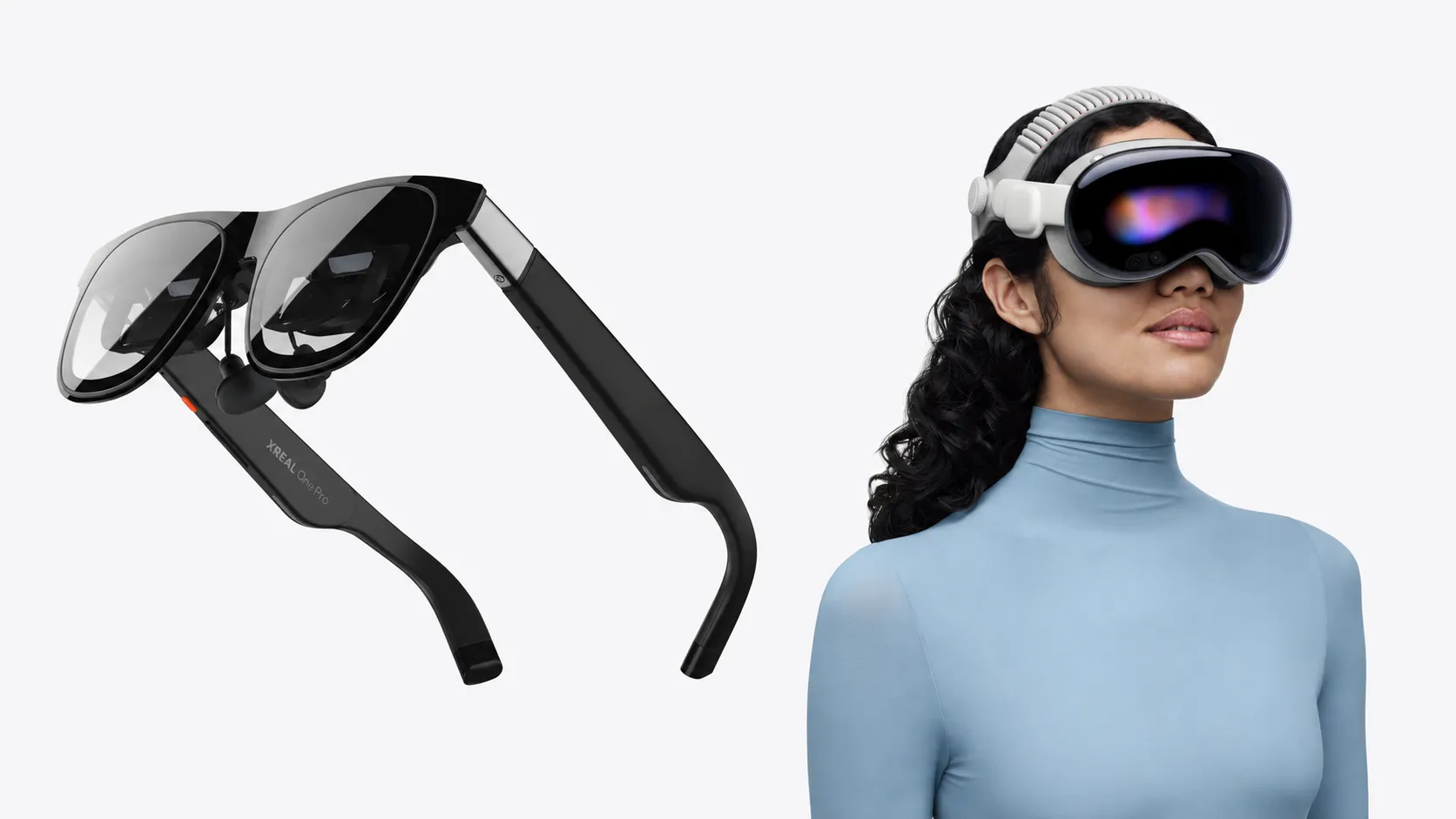
Analyst Ming-Chi Kuo has gone further, arguing that Apple has scaled its active Vision roadmap down primarily to smart glasses.
Those reports disagree on exactly what remains in development, but they point in the same general direction: Apple's near-term wearable focus has shifted away from another expensive enclosed headset.
That arguably reinforces Ternus's platform framing.
Apple can believe spatial computing is important without believing the current Vision Pro form factor is how most people will eventually use it.
Vision Pro May Be the Starting Point, Not the Destination
That possibility makes the phrase "early innings" more meaningful.
Vision Pro established several technologies Apple could reuse elsewhere:
Eye and hand interaction.
Spatial interfaces.
visionOS.
Spatial media.
Personas.
Visual Intelligence.
Developer frameworks for 3D and mixed-reality applications.
A future pair of smart glasses wouldn't need to resemble Vision Pro physically to benefit from parts of that work.
That doesn't retroactively make Vision Pro a consumer success.
It makes the headset potentially useful as the first commercial container for technologies Apple intends to carry forward.
The distinction matters.
A platform can succeed even if its first major piece of hardware remains niche.
But that outcome still has to be demonstrated rather than assumed.
What Would Actually Prove Ternus Right
Ternus's argument becomes stronger when it produces measurable results.
Several developments would provide that evidence:
Sustained visionOS development. Continued major releases would show Apple intends the spatial software stack to survive beyond the current headset cycle.
A credible next hardware step. A lighter, cheaper headset or commercially successful smart-glasses product would show that Apple can translate Vision Pro's technology into something with a broader audience.
Published enterprise adoption. Customer counts, deployed-device numbers, or repeat enterprise purchases would turn professional use cases from examples into measurable traction.
A growing developer ecosystem. More native spatial apps and sustained developer support would matter more than raw compatibility with iPad apps.
Evidence of regular use. Active-user or retention data would show whether people keep using spatial computing after the novelty wears off.
None of those outcomes is guaranteed.
They are simply better tests of the "early innings" argument than another executive endorsement.
Where the Argument Stands Now
Ternus's Vision Pro defense makes more sense as a defense of spatial computing than of the current headset's commercial performance.
Apple continues to develop visionOS, added another major software release this month, and still promotes Vision Pro heavily for enterprise use.
At the same time, reported layoffs, slower headset plans, and increased investment in smart glasses suggest Apple is reconsidering which hardware should carry that platform forward.
Those two things aren't necessarily contradictory.
Vision Pro can be technically important without becoming an iPhone-scale product.
The harder question is whether Apple can turn the technology underneath it into something enough people actually want to wear and buy.
Until that happens, "early innings" remains a plausible strategy, not proof that the bet has paid off.


Comments
Be the first, drop a comment!