


Meta Ray-Ban Smart Glasses AI Upgrade Adds Threads and Neural Input
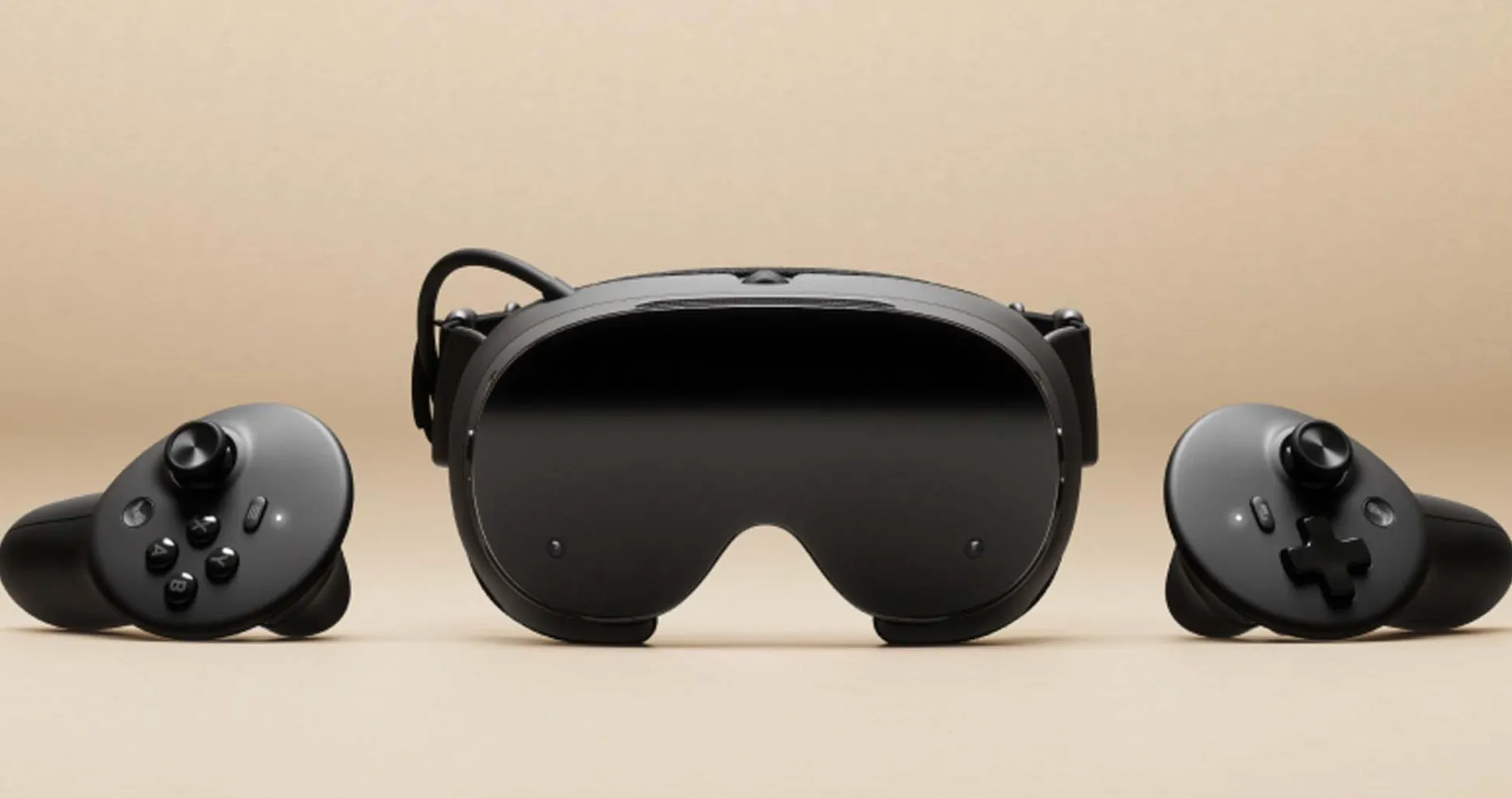
Meta pushed its Muse Spark AI model to Ray-Ban Display glasses this week, adding Threads integration, updated Instagram features, and a silent neural input option. The Meta Ray-Ban smart glasses AI upgrade follows the same model's earlier rollout on Meta's separate Meta Glasses line, The Verge reported. The improvements are substantive. They also deepen the glasses' ties to Meta's social platforms and cloud infrastructure in ways that go beyond a simple software refresh.
The market context makes this more than a niche product story. Smart glasses revenue surged 233% to $436 million in the 12 months through May 2026, according to Circana data reported by TechTimes this week, with Meta-EssilorLuxottica products dominating the field. IDC puts Meta's Q1 2026 market share at 69.2%, per the same report. EssilorLuxottica sold more than 7 million Ray-Ban and Oakley Meta glasses in 2025 alone, more than triple the combined total from 2023 and 2024, TechTimes reported.
What the Meta Ray-Ban smart glasses AI upgrade actually changes
The core of this update is a model swap. Meta says the Muse Spark-powered assistant delivers smarter answers, clearer understanding of what the wearer is looking at, and more helpful suggestions throughout the day, per the company's announcement. Those are company claims. Independent testing of Muse Spark before this rollout found the assistant's responses were still inconsistent, Popular Mechanics noted earlier this month.
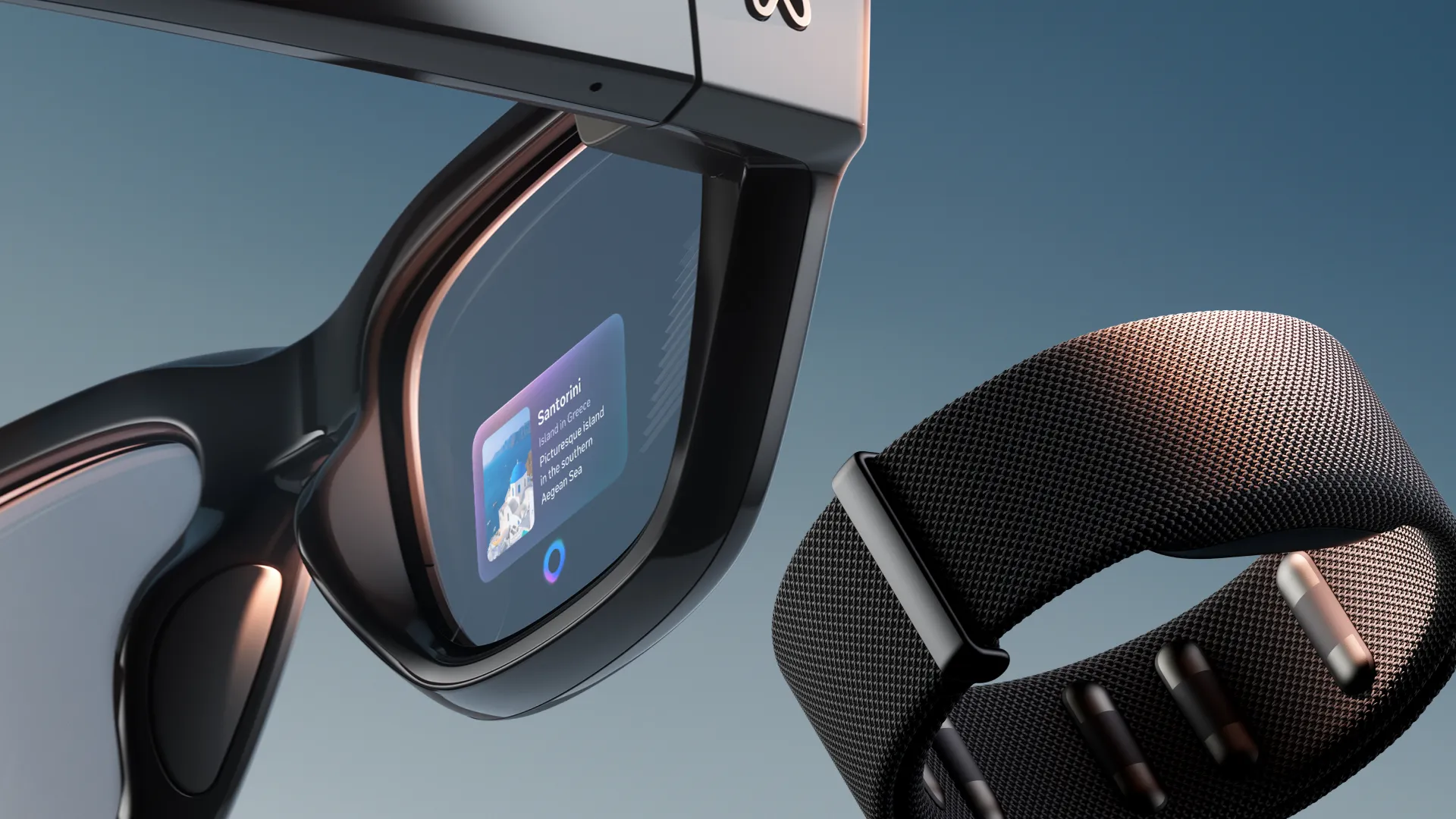
The update builds on a display capability that already includes turn-by-turn walking navigation in every US city, live translation across 20 languages, and in-lens Spotify browsing. This week's additions bring real-time weather, stock prices, and calendar data into the lens, along with voice-activated queries like asking whether a food is a good fiber source while cooking or finding a nearby coffee shop with reliable Wi-Fi, according to Meta's announcement.
Two features stand out as genuinely new territory. Threads support lets wearers browse feeds, engage with posts, and share content entirely by voice, Meta confirmed. Neural handwriting restricted to Early Access Program participants in the US and Canada lets users invoke Meta AI by tracing letters on any surface using the Meta Neural Band wristband, bypassing the "Hey Meta" voice trigger entirely, The Verge reported. Neither feature is broadly available yet. The full update began rolling out gradually to US Ray-Ban Display owners on July 27.
One architectural constraint applies to everything in this list: AI features cannot run locally on the glasses. Any AI interaction sends audio or footage to Meta's servers, as the Electronic Frontier Foundation documented in March. That is not a setting users can change it is how the product works.
Why the timing points to something larger than a software update
Software upgrades serve a commercial function beyond capability. Pushing Muse Spark to existing hardware makes a $799 device feel current without requiring a new purchase, which matters when demand is already outpacing supply. The Ray-Ban Display model has been supply-constrained since launch, with Meta and EssilorLuxottica working to clear the backlog and expand internationally, TechTimes reported. AI glasses revenue nearly doubled in Q2 2026, continuing the acceleration from a breakout 2025, per the same report.
The production investments suggest the companies are betting on a durable category, not a trend. Meta and EssilorLuxottica are in discussions about scaling annual production capacity toward 20 million units, nearly triple 2025 shipment volumes, TechTimes reported. EssilorLuxottica also signed a long-term joint development agreement with Applied Materials last month to build scalable optical platforms for next-generation AR eyewear, per the same report. That is manufacturing infrastructure, not product iteration.
The Threads and Instagram additions are where the strategic logic becomes harder to separate from the product story. Navigation and translation are utility features. A social feed you browse hands-free on the train, instant photo sharing to Instagram, voice-controlled Reels those additions deepen ties to Meta's social platforms in ways that go beyond convenience. The glasses are becoming an endpoint for Meta's apps, and the more integrated they become, the harder they are to replace with something outside that ecosystem. Taken together, the hardware demand, manufacturing commitments, and platform integrations suggest smart glasses are being positioned as a mainstream computing surface, not a wearable accessory.
The privacy tradeoff the update doesn't solve
Meta arrived at this week's AI rollout alongside separate measures aimed at addressing mounting privacy criticism. A mandatory update now disables the camera if the privacy indicator light is physically tampered with, and Instagram head Adam Mosseri said last week that the platform will remove harassment videos captured with the glasses, The Verge reported. Meta spokesperson Maren Thomas told The Verge the company is "committed to building privacy into every iteration of our glasses so they are loved both by people wearing them and those around them."
Critics are not persuaded. Uttara Ananthakrishnan, a technology professor at the University of Washington, was direct: "You cannot hinge your entire privacy policy on a single light. You can't expect everyone in the world to know that and react to that," as quoted by The Verge. Another voice in the same piece went further, calling the device "surveillance technology" and arguing that "no amount of tweaking changes that."
The underlying data architecture gives those critiques some grounding. Because AI processing is entirely cloud-side, any AI interaction sends audio or footage to Meta a structural reality, not a configurable setting, the EFF explained. Audio from Meta AI conversations is saved by default; clearing it requires manual deletion each time. Meta has also removed the option to opt out of voice recordings being used to train its AI models, The Verge reported. Meta's own terms state that interactions with AI "may be automated or manual (human)" review, language the EFF flagged directly, and an investigation earlier this year confirmed that human contractors actively review footage captured by the glasses as part of AI training, Popular Mechanics reported.
Neural handwriting adds a layer worth noting. Removing the voice trigger makes the glasses easier to use in public without drawing attention. That could also make AI invocation less visible to the people nearby. Whether that reads as convenience or concern depends on whose perspective you're considering.
The privacy measures Meta has introduced address how the camera is activated. They do not change what happens to the data once it reaches Meta's servers.
What comes next
The Muse Spark update gives Ray-Ban Display owners meaningfully improved AI responses, Threads access, expanded Instagram integration, and silent neural input all without a hardware upgrade. For anyone tracking where AI wearables are heading, the more telling details are the production discussions, the Applied Materials partnership, and the deepening social platform integrations.
The unresolved issue is bystander consent. With production targets approaching 20 million units annually and the glasses becoming a content-sharing endpoint, the combination of cloud-dependent AI, ambient cameras, and default audio retention creates questions that software updates are not designed to answer, as the EFF's March analysis laid out. The tamper-proof privacy light is a real improvement over nothing. It is not a framework for public consent.
What regulators, platform norms, and public pressure do with that gap matters as much as what the next AI model can do.




Comments
Be the first, drop a comment!