


Camera-free smart glasses: do they actually solve privacy?
Three years after Meta launched AI-powered Ray-Ban glasses in partnership with the eyewear brand, the backlash was loud enough that even the staid Financial Times ran the nickname critics had settled on: "pervert glasses." Today, Meta answers with something that would have seemed almost beside the point back then: a version with no camera at all. Ray-Ban Meta Audio, unveiled today, is the company's first entry into camera-free smart glasses, and it raises a question that outlasts any single product launch. Does removing the lens fix what went wrong, or just move the problem somewhere less visible (BBC, this week)?
The stakes are already showing up in real-world policy. JD Wetherspoon pubs, Comic-Con, a handful of UK theatres, some schools, and Faslane, the base that houses Britain's nuclear submarines, have all banned smart glasses outright (BBC, this week). Meta insists the audio-only model isn't a hasty response to that pressure; the company says it has been in development for two years (BBC, this week). What it clearly is, though, is a real fork in the product line. Some Meta glasses now have cameras, some don't, and analysts disagree sharply about what that split actually means for the company's long-term strategy.
Why camera-equipped smart glasses triggered a backlash
The "pervert glasses" label wasn't just internet snark. Ben Wood of CCS Insight says spotting the phrase in the Financial Times told him the backlash had moved past tech-critical circles into the mainstream (BBC, this week). Multiple reports have documented the glasses being used to film women and girls without consent, with the footage then shared online (BBC, this week). Those are the incidents that made headlines, but they sit on top of a more structural set of smart glasses privacy concerns.
A 15-participant diary study of camera-glasses wearers found that the people actually using the devices don't trust their own privacy indicators. Capture LEDs, the little lights meant to signal recording, were seen by wearers themselves as unreliable: bystanders often failed to notice them, misunderstood what they meant, or didn't trust them even when they did notice (ACM, "In Focus, Out of Privacy", 2024). That's not a Meta-specific flaw. Separate research on webcam LEDs, cited in the same study, found fewer than half of people noticed the light during active computer tasks, and fewer than 5% noticed it during writing tasks (ACM, citing Portnoff et al.). Camera-enabled smart glasses privacy problems, in other words, trace back to a design category, not a single company's execution.
Strip away the nickname and what's left is a narrower, harder problem: bystanders frequently have no reliable way to know when they're being recorded, or by whom, or what happens to that footage afterward. Any fix worth taking seriously has to be measured against that gap, not against how the product looks in a press photo.
What camera-free smart glasses solve, and what they don't
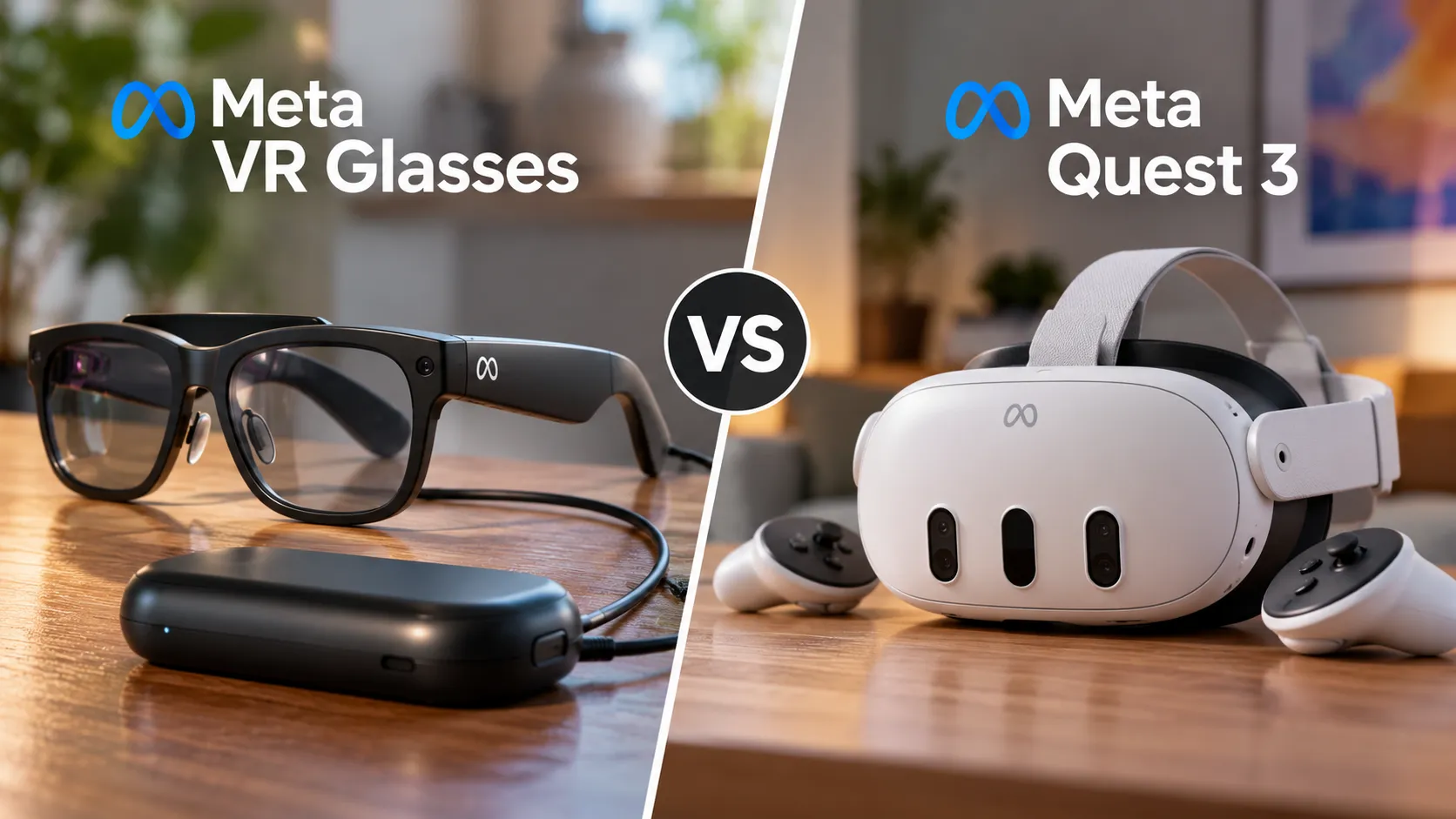
Ray-Ban Meta Audio keeps the parts of the original product that people actually liked: phone calls, music funneled directly into the ear, voice activation, and a Bluetooth link to Meta's AI app. It drops the camera entirely, and comes in cheaper, lighter, and with better battery life than its camera-equipped siblings (BBC, this week). As a piece of audio-only smart glasses hardware, it's a straightforward trade: less capability, less controversy.
The removal genuinely closes off one category of harm. A device with no camera cannot capture the images that make facial-recognition lookups, deepfakes, or stalking via photo metadata possible, risks that more than 64 civil-society organizations specifically flagged to Meta in an open letter warning about planned facial-recognition features (Australian eSafety Commissioner, earlier this month). No lens, no covert photo, no image to misuse. That's a real, bounded benefit.
It's also where the reassurance runs out. The glasses still listen for voice commands and stay connected to Meta's AI app over Bluetooth, and the available reporting doesn't explain how those voice inputs are processed, retained, or shared (BBC, this week). That's not an accusation, it's a gap. But it's a notable one for a device being marketed as the privacy-conscious option in the lineup.
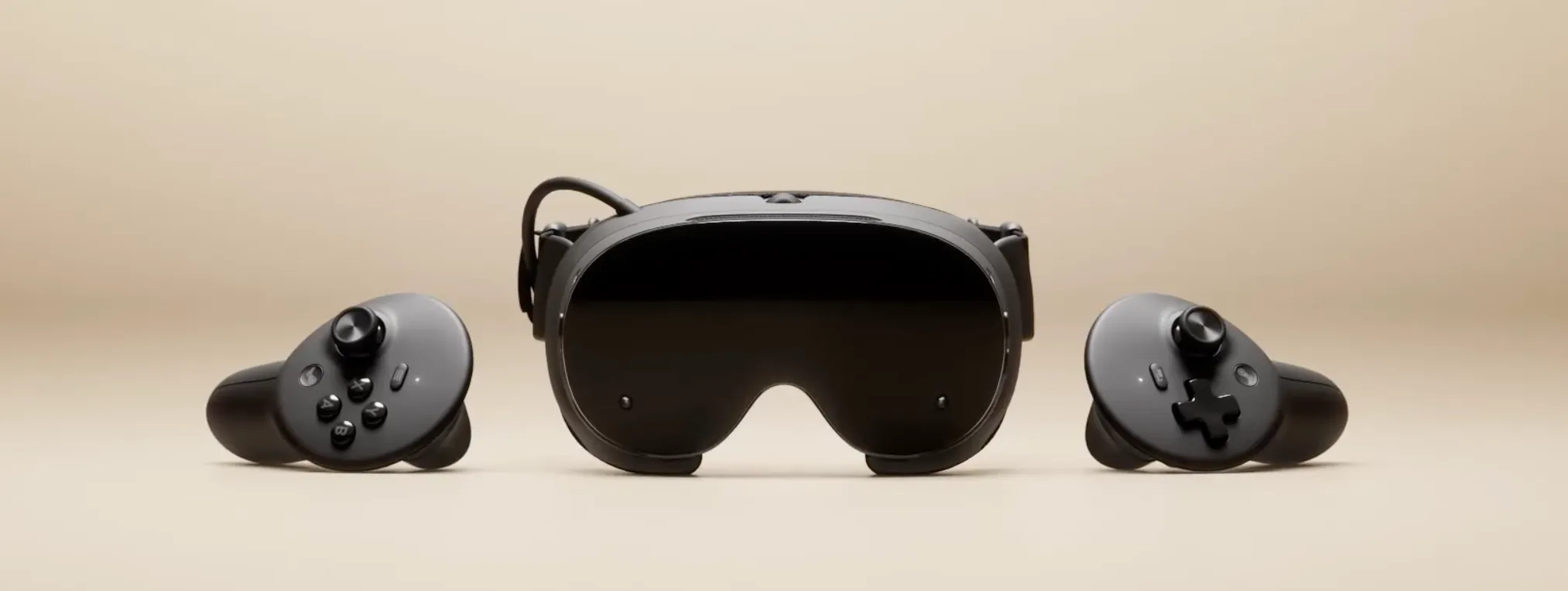
Rival hardware is handling the same problem differently. HTC's Vive Eagle glasses keep the camera but let anyone nearby deactivate it by saying "stop filming" or "stop recording," picked up by one of four onboard microphones. Recordings are then encrypted so thoroughly that even HTC can't view them, according to Vive vice president Thomas Dexmier, though he acknowledges that also means the company can't flag abusive content when it happens (BBC, this week). Two companies, two different bets on which trade-off matters more: no camera at all, or a camera you can talk your way out of.
A genuine fix, or a strategic bridge?
Analysts reading the same launch land in different places, and it's worth taking both seriously rather than picking a winner by default.
Janusz Swierczynski, a researcher at Oxford's Saïd Business School who studies smart glasses risk, calls the camera-free release a "positive sign" that Meta has listened to the criticism. He's careful to add that it's "not a perfect" response, since the camera-equipped models remain on sale right alongside it (BBC, this week). On this reading, Ray-Ban Meta Audio is a real, if partial, concession.
Forrester analyst Kate Winick sees something closer to a maneuver. She describes the audio-only glasses as a "half step to the side," a way to let people get comfortable with the form factor "so that users themselves start to say, 'Oh, this would be so much more useful if it had a camera'" (BBC, this week). She also points out a side effect that cuts the other way: once it's public knowledge that some Meta glasses have cameras and some don't, a stranger can no longer assume the person wearing them is filming, which she says could "take the heat" off camera wearers in public (BBC, this week). That's her interpretation of where the strategy leads, not a goal Meta has stated outright.
Wood's view points toward the same conclusion from a different angle. He argues camera data is "an invaluable data stream" for an AI platform trying to interpret a user's surroundings, and says flatly that camera-equipped glasses are "not going away." He compares the current moment to the 2000s, when critics insisted phone manufacturers would never get away with putting cameras in handsets (BBC, this week). The rest of the industry seems to agree with the premise, if not the ethics. Samsung is reported to be working with Warby Parker on its own glasses, and Google is said to be developing a set as well, though neither report confirms whether cameras are part of the plan (BBC, this week). Snap's case is less ambiguous: its Specs, retailing at $2,195, let users take photos with a finger snap, and founder Evan Spiegel has said he expects smart glasses to eventually replace phones (BBC, this week).
Then there's the position that treats any camera compromise as beside the point. Privacy advocate Caroline Hunter argues smart glasses should never have reached consumers in the first place, and that they belong only in accessibility contexts, such as for blind users, not on the general market. "We don't need them, we don't want them," she told the BBC (BBC, this week).
None of these readings actually contradicts the others. Ray-Ban Meta Audio can be a genuine reduction in one specific, documented harm and a product decision that leaves the industry's camera-centered growth plans fully intact. It settles the question for one SKU. It settles nothing about the market the SKU sits inside.
What would actually protect bystanders
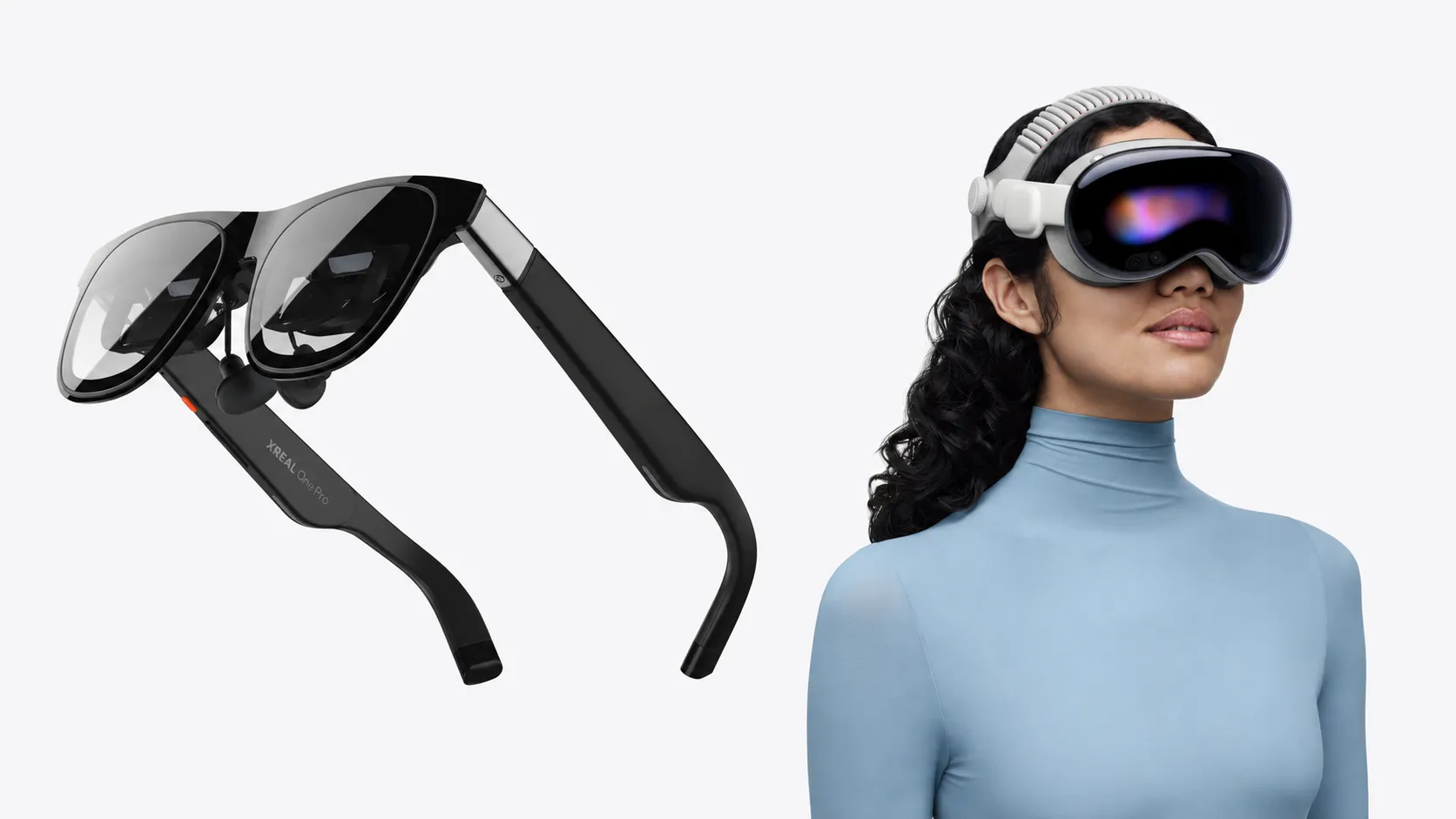
The audio-only launch is a useful test case, but the harder version of this problem is already visible one category up, in fuller augmented-reality headsets that depend on constant camera and sensor input to work at all. Researchers studying that category argue that low-level controls, such as camera access toggles, are difficult to reconcile with the always-on sensing that makes everyday AR devices useful in the first place (Zenodo AR privacy research, 2022). The same survey found nearly 70% of respondents were at least somewhat uncomfortable with the idea of these headsets seeing everyday use in public, a discomfort level that should worry an industry banking on ubiquity (Zenodo, 2022). None of that describes Ray-Ban Meta Audio directly. It describes where the road leads if cameras and sensors keep expanding without a better answer for the person standing next to the wearer.
People aren't waiting for the industry to solve this on its own. A Polish developer's app, ZuckOff, uses Bluetooth to detect nearby smart glasses and has been downloaded thousands of times, according to Wired (BBC, citing Wired, this week). That's a market signal: demand for bystander-side awareness tools that manufacturers haven't built in themselves.
Regulators are starting to treat this as more than a design footnote. Australia's eSafety Commissioner can pursue civil penalties of up to A$54.6 million against providers that fail to meet obligations under its Online Safety Codes and Standards, including requirements to tell users about safety tools and their right to file complaints (Australian eSafety Commissioner, earlier this month). That same regulator cites a 2024 Australian study in which 17% of owners surveyed reported anti-social use of their smart glasses, including recording others without consent (Australian eSafety Commissioner, earlier this month; PLOS ONE, 2024). It's a self-reported figure from owners describing their own behavior, not an independently verified rate of misuse, but it's still a rare data point in a field that mostly runs on anecdote.
Put those threads together and a workable standard starts to take shape. Can a bystander tell, reliably, when capture is happening? Do they understand what's being collected and by whom? Can they object or opt out in the moment, not after the fact? Is there an accessible way to report misuse and get a remedy? Judged against that checklist, LEDs, voice commands, and encryption promises all fall short, not because the engineering is bad, but because none of them were designed to answer questions from the bystander's side of the interaction.
The standard that matters now
Removing a camera removes exactly the harms that depend on captured images, nothing more and nothing less. Ray-Ban Meta Audio can't secretly film anyone; it doesn't follow that it collects nothing at all, and the reporting on how it handles voice data leaves that question genuinely open. Whether the audio-only line turns out to be a sincere privacy product or a stepping stone toward normalizing its camera-equipped siblings will be settled by how people actually use it and how the market responds, not by any single analyst's read today.
What's already clear is the yardstick the next wave of glasses should be measured against, camera or no camera: not whether the marketing says "privacy-first," but whether a stranger standing nearby can tell what's happening, object to it, and do something if they can't. Wood put the underlying challenge plainly: "We will have to find a societal norm, a framework for the use of these products" (BBC, this week). Until that framework exists, every new pair of smart glasses, audio-only or otherwise, will keep landing on one side of the same unresolved line.



Comments
Be the first, drop a comment!