


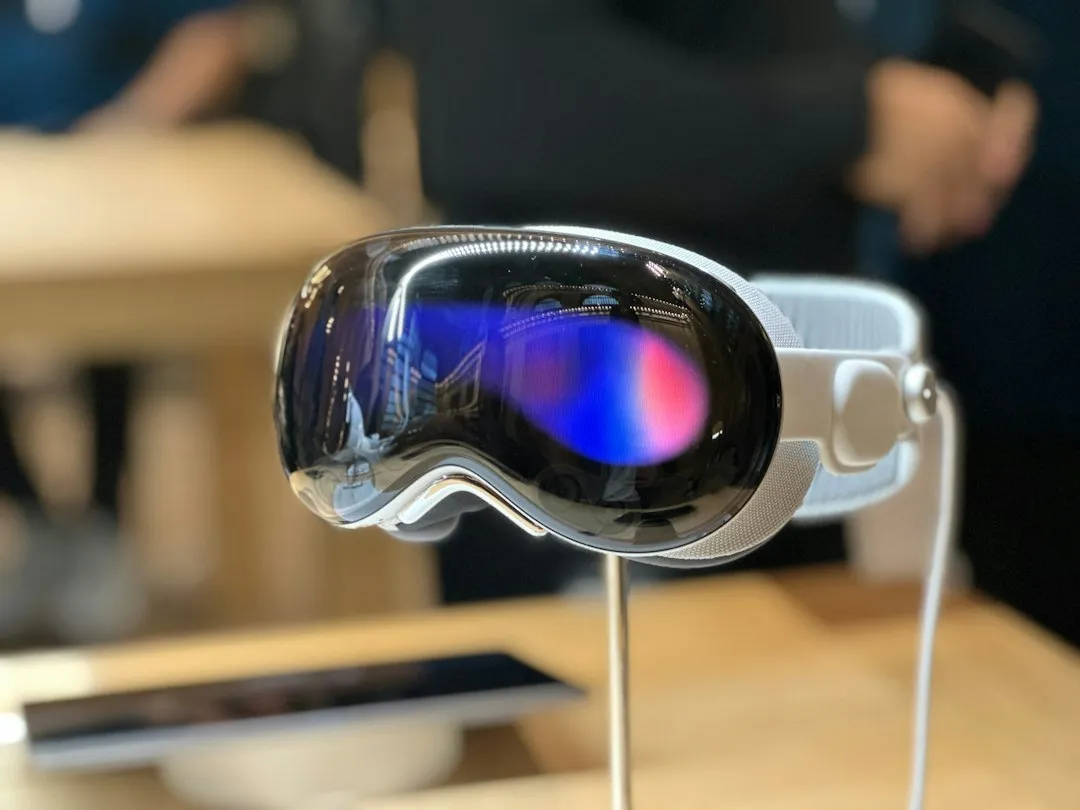
Why Apple smart glasses 2027 bet on privacy, not cameras
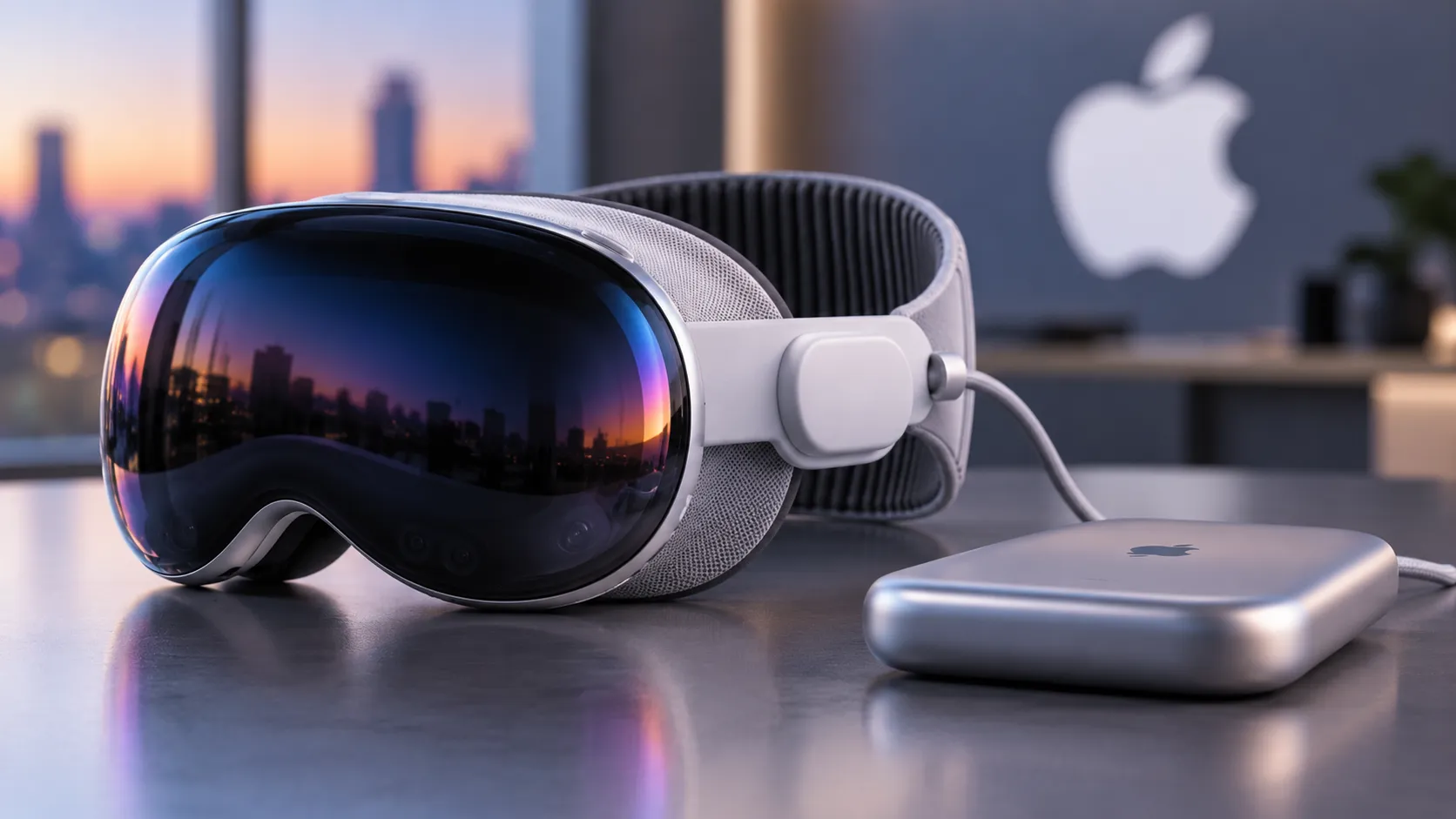
Apple plans to unveil its first smart glasses at WWDC in June 2027, with consumer sales following later that year, the clearest Apple smart glasses release date reported so far, according to The Korea Herald (two months ago) and BetaNews (two months ago). That target has already slipped once from an earlier late-2026 unveil with early-2027 shipping, and the delay sits at the center of the story behind Apple smart glasses 2027: a bet that privacy restrictions, possibly including no camera at all, can work as a selling point rather than a missing feature.
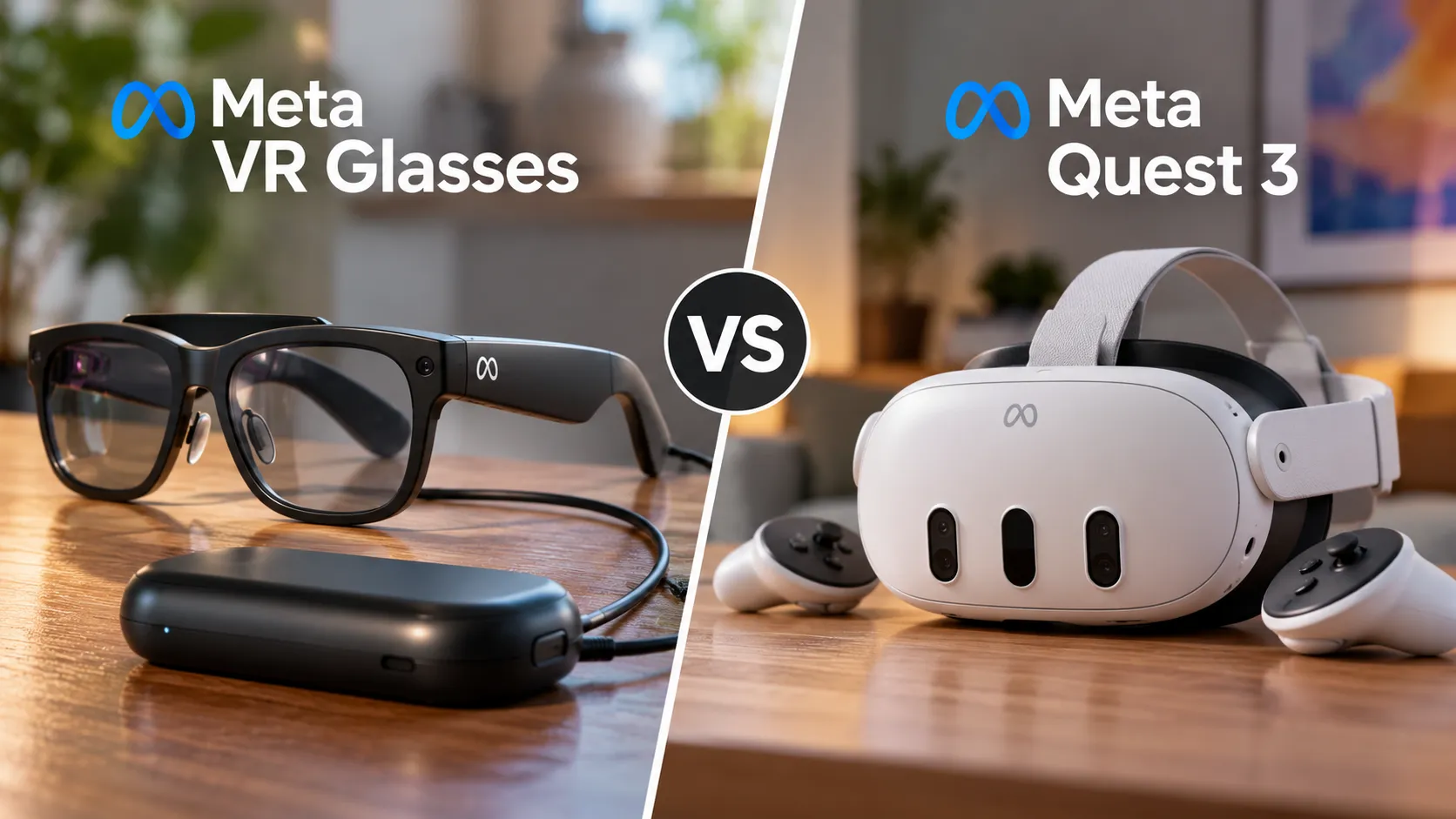
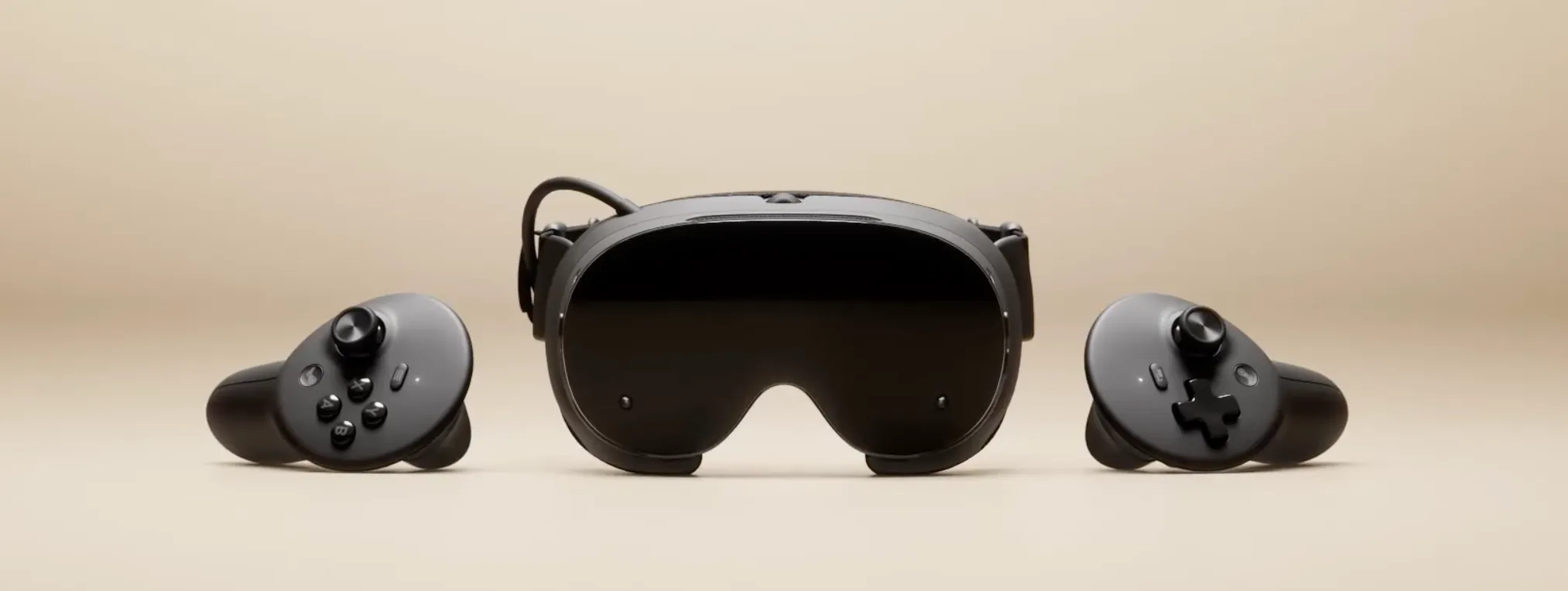
Meta's camera-equipped Ray-Ban glasses sold more than 7 million units in 2025, per The Next Web (last month). Whatever Apple ships next competes against a device that already has scale, a distribution deal through EssilorLuxottica, and roughly two years of head start. Bloomberg's Mark Gurman, whose reporting anchors most of what's publicly known about the project, frames privacy as Apple's core pitch rather than a bolt-on feature.
The category itself isn't waiting around for Apple to show up. Global smart-glasses shipments grew 167% year-over-year to roughly 2.25 million units in the first quarter of 2026, according to IDC (three months ago). Apple is entering a market that's growing fast, dominated by one competitor, and still figuring out what it wants to be.
What Apple's glasses might actually do, and what they might leave out
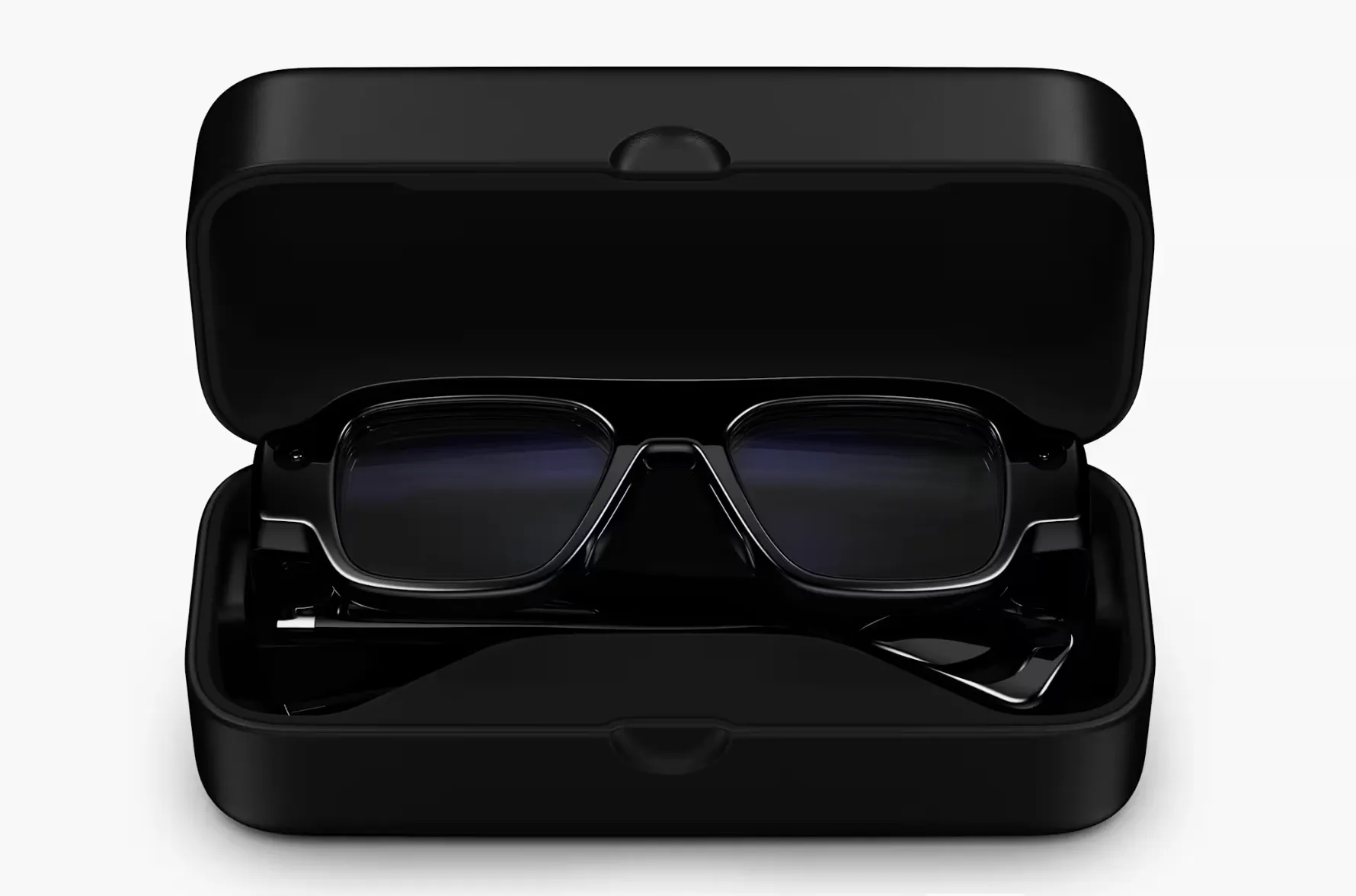
Apple has reportedly tested three camera configurations for its first-generation glasses: one with a camera under new privacy restrictions, one that feeds visual data to Siri and Apple Intelligence without letting users save or share images, and one with no camera at all, according to BetaNews (two months ago). Gurman's reporting names the restricted-camera version as the most likely outcome.
The privacy design reportedly runs deeper than the camera question. Apple is expected to prioritize on-device processing, meaning captured data stays on the glasses instead of being uploaded to outside servers by default, the same approach it already uses for Apple Intelligence elsewhere, per BetaNews (two months ago). Facial recognition is unlikely to make the cut, there's expected to be no continuous "always-analyzing" mode akin to Meta's Super Sensing, and Apple is unlikely to use customer recordings to train its AI models, according to The Korea Herald (two months ago).
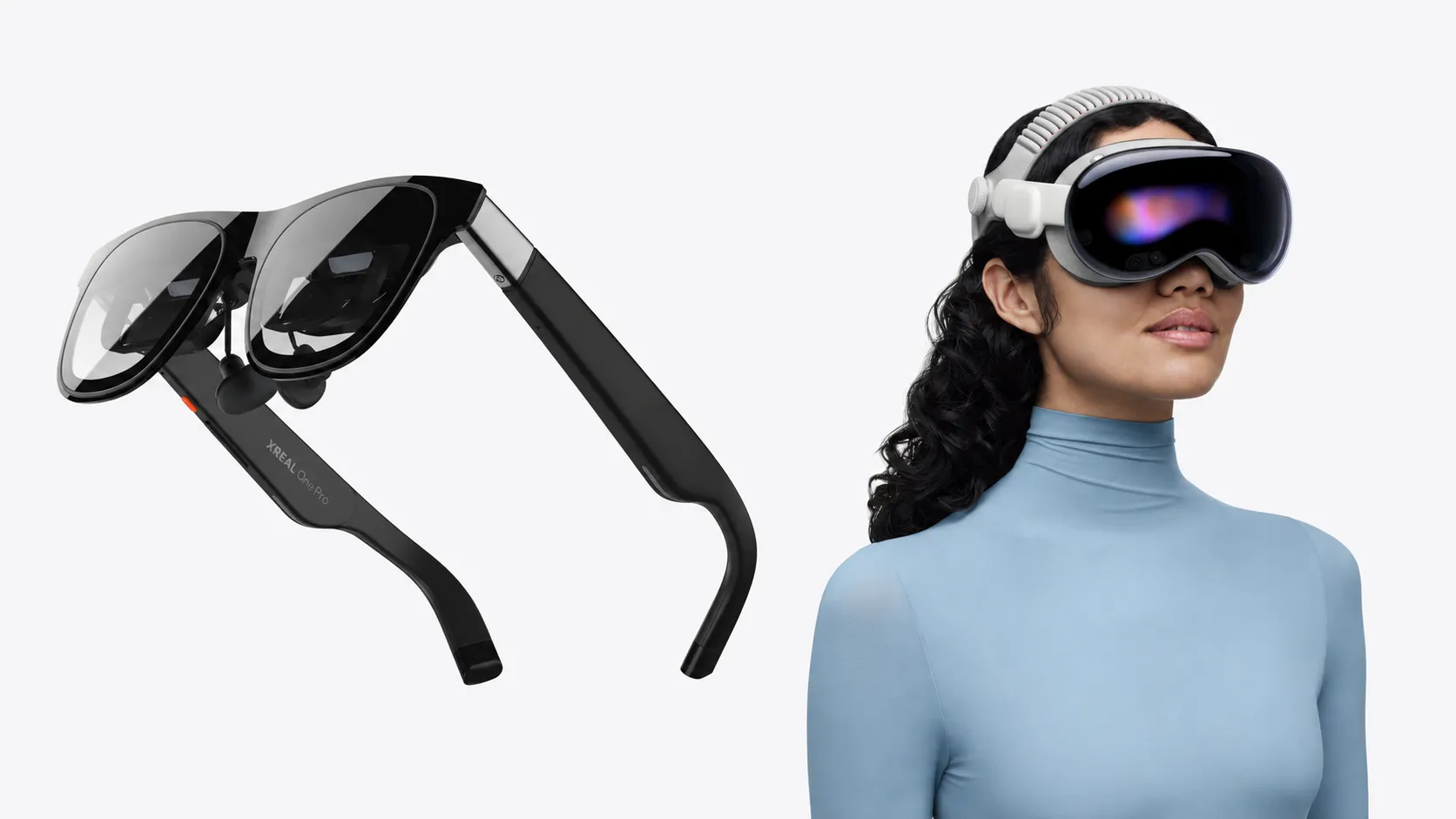
Apple reportedly envisions the glasses eventually evolving into a health device with augmented-reality displays, though the model expected in 2027 isn't confirmed to include AR features, per The Next Web (last month). The near-term product is more modest than that eventual ambition.
Apple is also building a tamper response that disables the camera if the recording-status LED is covered or removed. Meta added a nearly identical safeguard to Ray-Ban glasses on July 7, 2026, after reports surfaced of owners drilling out the light to record people without their knowledge, per BetaNews (two months ago). Copying a rival's fix rarely makes headlines, but it says something about how much the camera question has already cost Meta in public trust.
The Apple smart glasses eyewear market Apple actually wants
The smart-glasses category Apple is entering in 2027 is still small by Apple's usual standards. IDC forecasts 13.6 million units shipped worldwide in 2026, generating $5.1 billion in revenue, with average prices near $376 expected to fall to about $229 by 2030 as the market matures (IDC, three months ago).
Gurman's reporting suggests Apple isn't actually chasing that number. The real target is the $200 billion global eyewear industry, where Apple reportedly intends to compete in the $200-to-$500 price band currently held by EssilorLuxottica, Safilo, and Warby Parker, according to The Next Web (last month). That figure describes a competitive segment, not a confirmed retail price for Apple's own product.
The scale behind that ambition is genuinely large: the World Health Organization estimates 2.2 billion people worldwide have some form of vision impairment, and hundreds of millions of pairs of glasses sell every year, per The Next Web (last month). Apple reportedly believes its brand, industrial design, iPhone integration, and AI features can pull people shopping for new prescription glasses toward an Apple pair instead of a traditional optical shop, the same reporting notes.
There's a loose precedent for that kind of disruption, though not proof of it. After the Apple Watch launched in 2015, Swatch's 2025 revenue sat 28% below its 2014 level and Fossil's sales fell roughly 70%, while the Watch grew into an estimated $17 billion-a-year business, per The Next Web (last month). The reporting doesn't isolate the Watch as the sole cause of those declines, and glasses carry complications a wristwatch never had. Prescriptions, fit, and frame style all add steps Apple has never had to manage before, and unlike Meta, which sells through EssilorLuxottica's existing optical retail network, Apple hasn't said how, or through whom, it plans to fit and fill prescriptions at scale.
Meta's head start, and Apple's slower path around it
However the market gets sliced, Meta is well ahead. IDC puts its share of the global smart-glasses market at 69.2% in the first quarter of 2026, while Omdia separately reported an 85.2% share of the narrower global AI smart-glasses market the year before, different categories and different periods, but pointing to the same picture (IDC, three months ago; The Korea Herald, two months ago).
That lead has come with baggage. Journalists in Sweden reported in February 2026 that contractors reviewing Ray-Ban footage on Meta's behalf had seen recordings from users' bedrooms and bathrooms. Consumers filed a class-action lawsuit, Bartone v. Meta Platforms, in a California federal court in March 2026, alleging Meta and EssilorLuxottica misled users about how private their footage really was, and the UK's Information Commissioner's Office pressed Meta the same week for greater transparency and user control, according to BetaNews (two months ago).
Apple's rollout plan looks built with that history in mind, though the company hasn't said so publicly. Unveiling hardware at WWDC rather than a fall product event gives outside developers months to build apps before the glasses reach buyers, a contrast with Meta, which opened its Ray-Ban Display glasses to third-party apps only after the hardware had already shipped, per BetaNews (two months ago).
Getting there has taken longer than Apple first planned. The project, codenamed N50, originally aimed at a late-2026 unveil with shipping by early 2027. Gurman pushed that forecast into 2027 back in May 2026, citing doubts about whether Apple's Visual Intelligence system was ready for a first-generation device, then narrowed it further to WWDC in June 2027, reportedly to keep Apple's launch separate from the criticism aimed at Meta's Ray-Bans, per BetaNews (two months ago). Part of the holdup traces back to Siri itself: the assistant's long-promised overhaul has already slipped two years, and even the version arriving in iOS 27 may launch as a beta, per The Next Web (last month).
Apple has made no public statement on N50 and hasn't finalized whether it will ship with a working camera, according to BetaNews (two months ago). Internally, the stakes look high: Tim Cook has called the glasses his top priority, and incoming CEO John Ternus, who has led the Vision Products Group for the past two years, is described as the project's driving force, per The Next Web (last month). None of that changes the arithmetic working against Apple: every month of delay gives Meta more users, more retail presence, and more data on what consumers actually want from smart glasses, the same reporting notes.
What settles the bet
Meta's 69.2% share of a fast-growing market isn't a lead Apple can erase by showing up with better manners. It's built on real distribution, a real retail partner, and roughly two extra years of consumer feedback that Apple won't have when N50 ships.
Apple's wager, as reported, is that a recognizable brand, tighter iPhone integration, and a camera policy built around the scrutiny Meta has faced can still outsell hardware with more features but a rockier privacy record. Whether that holds will come down to specifics Apple hasn't disclosed: whether the finished product includes a working camera at all, how it handles prescriptions and fit without a stated optical partner, and whether developers actually have apps ready by the Apple smart glasses launch at the end of 2027. WWDC in June will answer some of that. The rest depends on choices Apple has reportedly not made yet.


Comments
Be the first, drop a comment!