


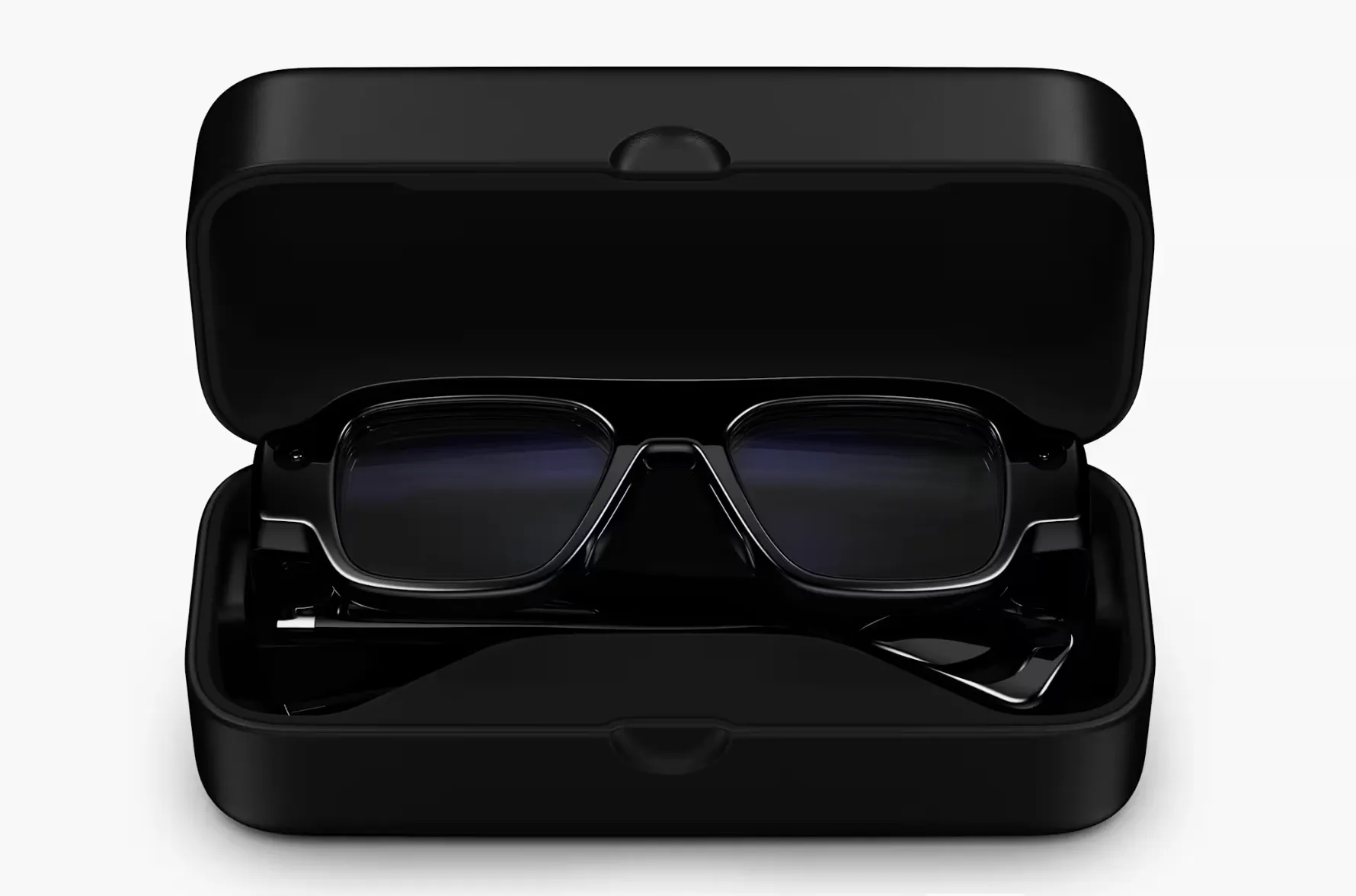
Snap CEO Evan Spiegel fielded direct questions about Snap Specs preorder interest on Monday's Q2 earnings call and gave investors no hard numbers in response. Asked about demand ahead of a planned September hands-on event for the AR glasses, he offered a read on sentiment instead of a metric: "What we're hearing from folks is really that they want to try Specs."
Specs is Snap's $2,195 AR glasses, sold with a $200 refundable deposit and expected to ship later this year, according to CNBC. The device is expected to ship first in the U.S., U.K. and France.
Spiegel had plenty to say about product philosophy and long-term timelines on the Q2 call. About how many people have actually put down a deposit, he said nothing. That gap stands out on a call otherwise full of specific figures on revenue and spending.
Snap offered no preorder figures on the Q2 earnings call
Pressed on demand, Spiegel didn't cite a preorder count, a deposit total, or a conversion rate. He called Specs "a high consideration purchase" given its $2,195 price, and shifted the discussion from preorder volume to the need for hands-on product experiences.
He drew a distinction between two audiences. "Developers and folks who are familiar with the platform really understand it and understand the technical leaps we've made with this generation," he said. For the broader public, he added, "it's going to be really important for folks to go hands-on," calling the upcoming September event "an important sort of starting point for that consumer-oriented journey."
Snap has not yet shown how broader consumers respond after trying it. That leaves the scale of early demand unclear until the company shares a number or the September event produces one on its own.
Price and hands-on demos for Snap Specs AR glasses
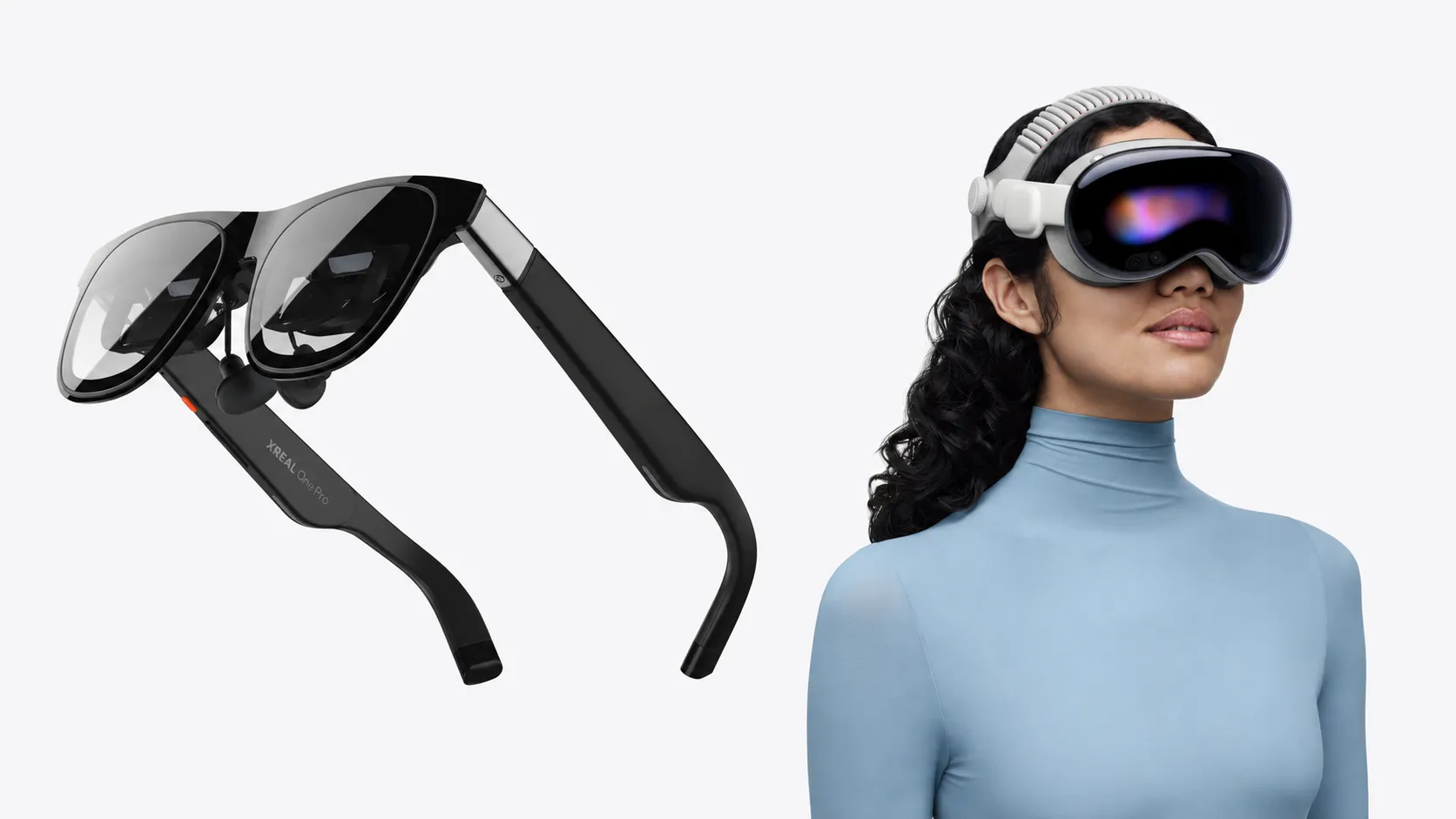
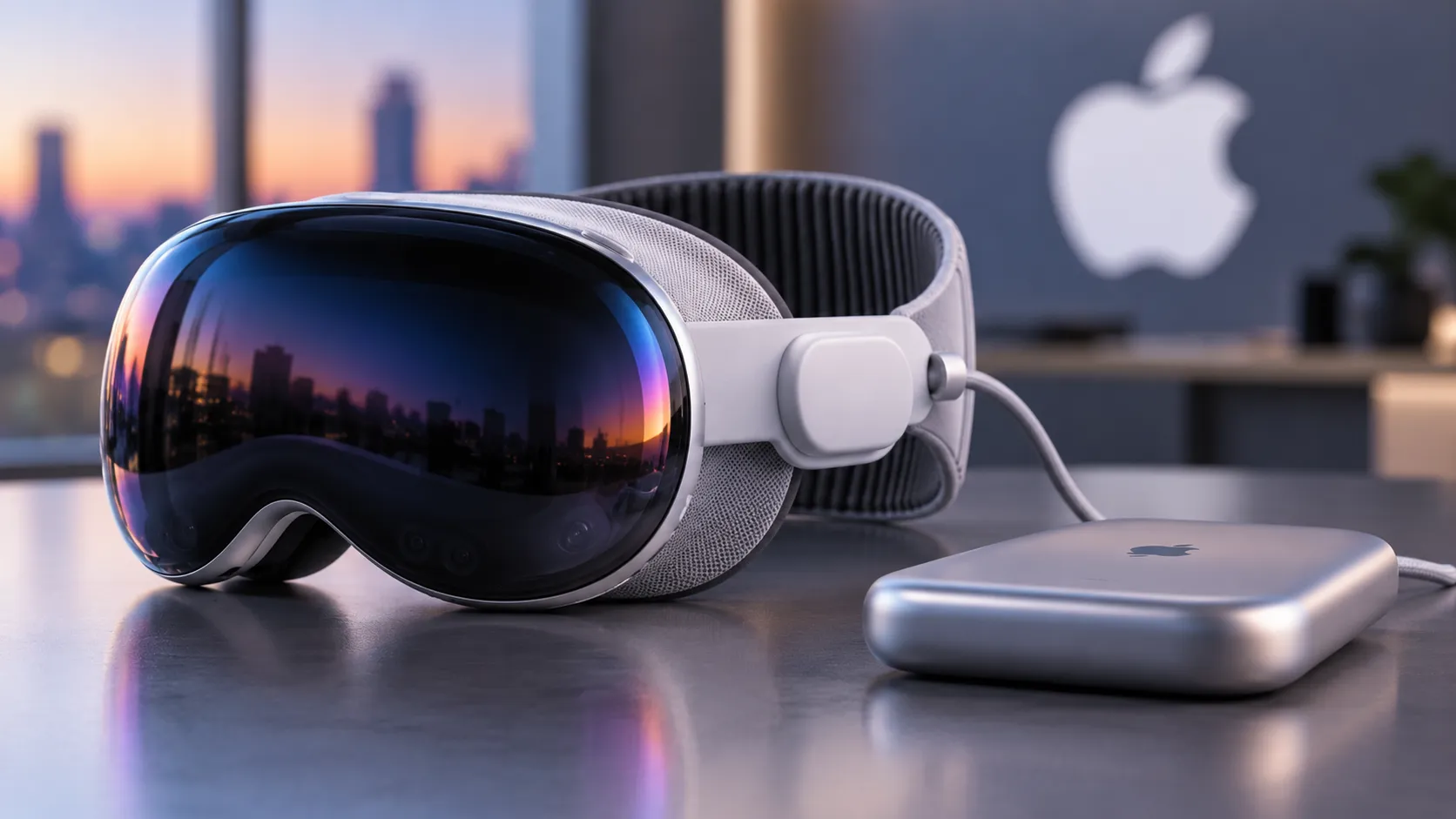
At $2,195, Specs costs more than six times the roughly $350 starting price of Meta's Ray-Ban smart glasses, and costs $1,305 less than Apple's $3,500 Vision Pro, according to TechCrunch. It's also more than 15 times what Snap charged for its camera-only Spectacles in 2016, a product that never found a mainstream audience.
IDC research manager Jitesh Ubrani called the timing rough when Specs was unveiled two months ago: "This is like the worst time for any company to be launching any kind of premium product," he told CNBC, adding that Snap's traditionally young user base "typically can't afford to spend a lot." Snap shares were down about 4% in midday trading the day the glasses were unveiled, per the same report.
What buyers get for that price has improved since the developer-only version of Spectacles. The new Specs are lighter, carry a larger display, and offer up to four hours of continuous use and support Bluetooth connectivity. Snap also plans to release parenting tools later this year that let a teenager use Specs with a more limited set of Lenses, the AR effects that run on the device, per the same report.
Spiegel, who has four sons, said he has been testing the glasses at home with his family. "Rather than having kids staring down at a single player on a little screen, you can run around and play laser tag, you can learn about dinosaurs, you can build Legos," he said, framing Specs as a shared, see-through alternative to phone screens.
When mass-market adoption might arrive
Spiegel was more specific about timing than about volume. Asked about product-market fit, he told investors mass-market consumer adoption is likely "towards the end of the decade," not this year or next. He named two variables that need to move first: "I think things, for example, like weight and cost are going to have to come down to see unit volumes really meaningfully pick up," he said.
Snap has spent more than a decade developing the device, which puts this launch phase inside a much longer arc than a single sales quarter.
At the June unveiling, Spiegel made his case for why now. "Almost 20 years since the launch of the iPhone, people are ready to think about computing differently," he told CNBC, pitching Specs as shared, see-through computing rather than another screen to stare into.
He pointed to a specific kind of fatigue, telling CNBC that more people are "actually questioning their relationships with screens," citing "neck pain they got from staring down into a small phone screen" as one motivator.
Spiegel also called Snap "the first mover in this category" on Monday's call. He addressed the tension with Snap's own 2016 Spectacles by drawing a parallel to the company's early days in social media: "When we started innovating in the social space, we were a late entrant," he said, noting that Facebook, Instagram and Twitter already existed and Snap had to out-innovate them to grow. "What's so unique about this opportunity for us is really that we're a first mover, and that really plays to our strengths as an innovator," he added.
Snap's financial discipline pitch to investors
Beyond the glasses themselves, Spiegel described Snap's approach to Specs as deliberately restrained. "We're really approaching this investment with a lot of discipline," he said on Monday's call, telling investors the focus right now is "the customer experience, the product quality and the ecosystem development" rather than near-term sales volume.
Part of that ecosystem argument rests on developer tenure. Spiegel noted that "developers have been building on the Specs platform now for several years," according to TechCrunch, and Snap has added tools that let developers build AI agent-like experiences using Anthropic's Claude Code, OpenAI's Codex and Cursor's coding tools, a feature previewed at the June unveiling, according to CNBC. Snap formed a dedicated subsidiary, Specs Inc., in January to house the glasses' development, per the same report.
The discipline framing arrived alongside a cost increase. Snap raised its full-year infrastructure cost guidance by $50 million, to a range of $1.65 billion to $1.70 billion. That increase isn't explicitly tied to Specs, but the guidance change landed on the same call where Spiegel promised restraint on the AR glasses investment.
The restraint pitch came alongside a stronger story on the core advertising business. Snap said it saw "improving momentum" in advertising, with better traction among large North American advertisers, stronger international revenue growth, and a boost from World Cup-related spending.
What comes next
Snap did not disclose preorder numbers, deposit totals, or conversion data on Monday's call. What it offered instead was a longer timeline: mass adoption isn't expected until "towards the end of the decade," and the near-term priority is ecosystem building rather than unit volume.
The planned September hands-on event, which Spiegel called the "starting point" of the consumer-facing rollout, will put hands-on demos in front of a broader audience. Watch for whether Snap follows that event with concrete figures: preorder or deposit totals, shipping volumes, or any sign of conversion from reservation to sale. The Q3 call is the next obvious point where qualitative interest either turns into numbers or Snap explains, again, why it hasn't.









Comments
Be the first, drop a comment!