


HTC smart glasses privacy features protect wearers only
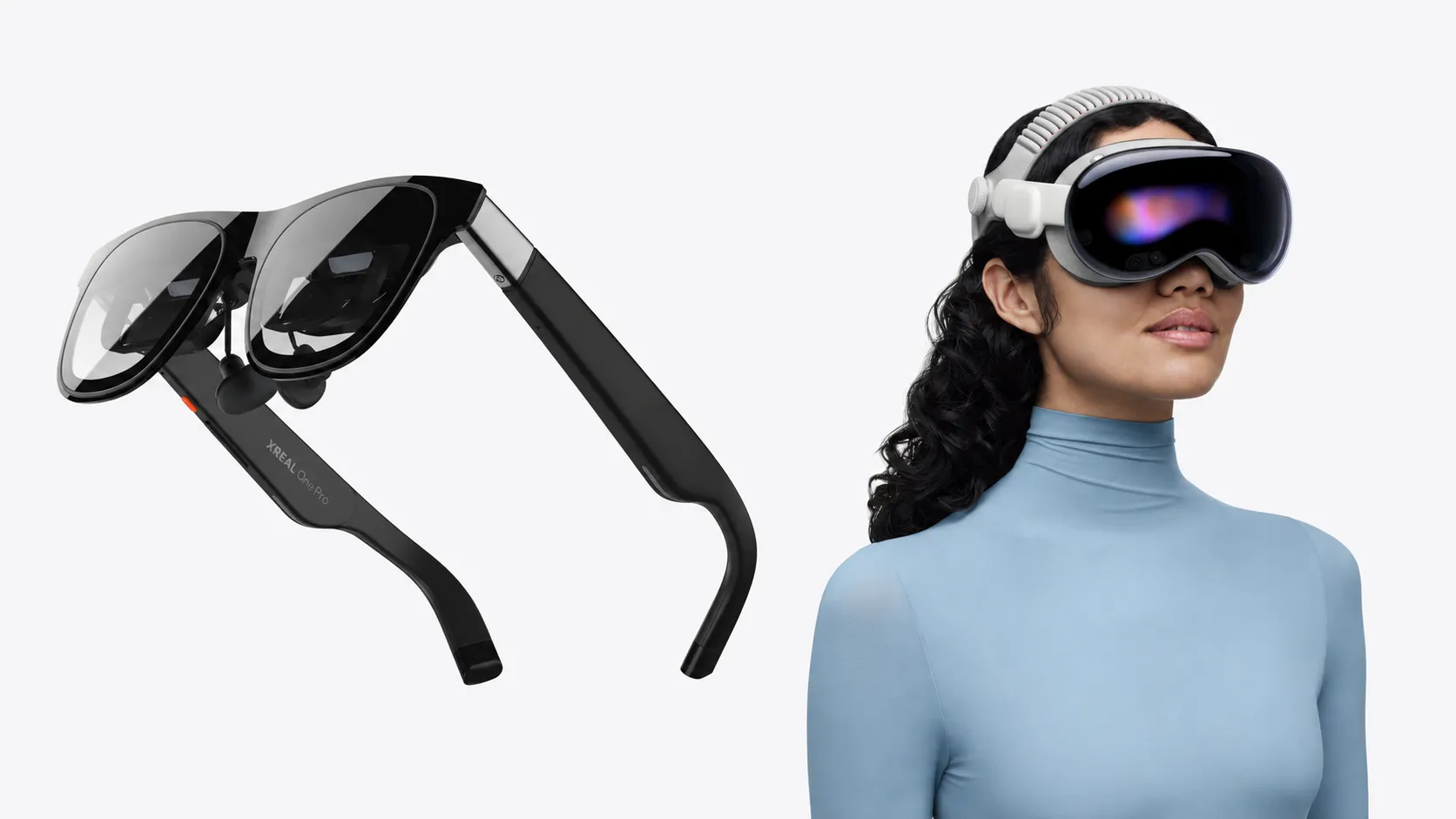
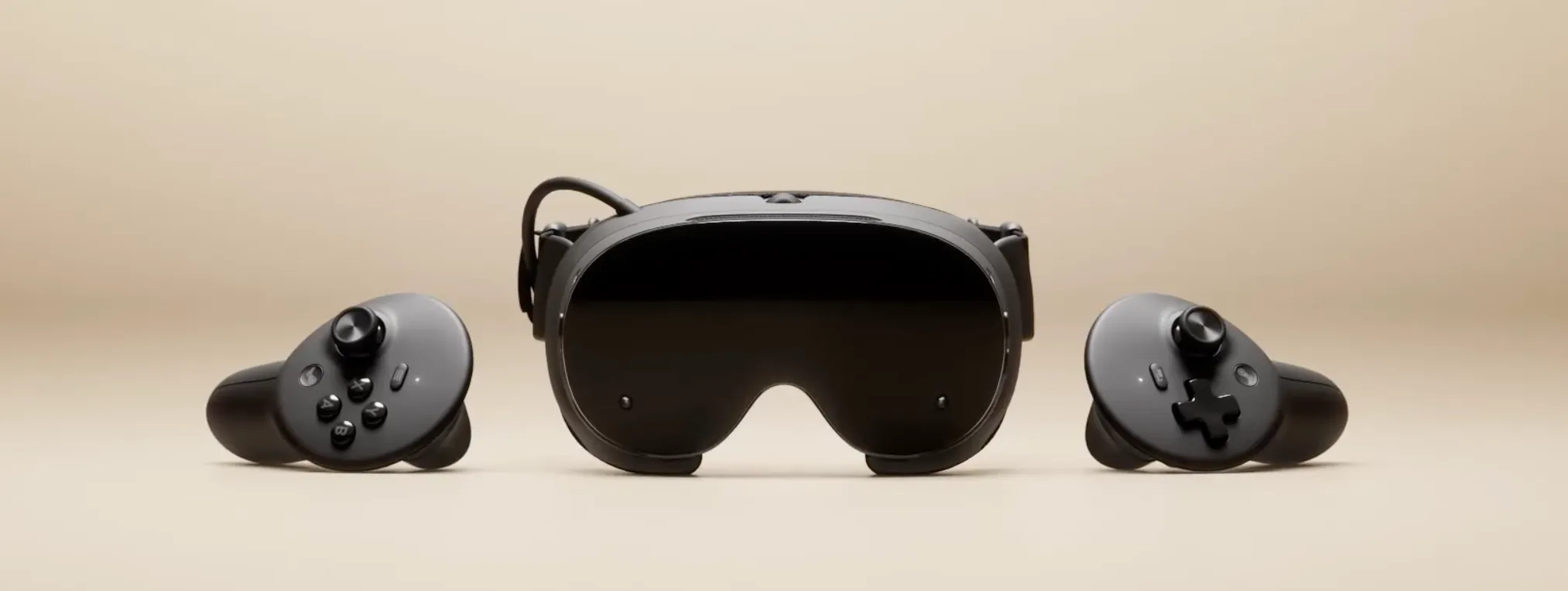
HTC wants VIVE Eagle to be the smart glasses that finally get privacy right. The company says its AI-powered eyewear stores everything locally, skips ad tracking, and doesn't use customer data to train its models (HTC). It even ships with a light that switches on when the camera is recording. Judged purely on HTC smart glasses privacy features, that's a real step past the industry default of quietly uploading everything to the cloud. But look at who those features are built to reassure: the person wearing the glasses, not the person standing in front of them.
That gap matters more than it used to. Smart glasses are having a moment, driven by AI that lets a camera on someone's face identify, translate, and answer questions about the world in real time, without anyone touching a phone (Atlantic Council). Meta is pushing its Ray-Ban partnership hard, Apple is reportedly working on its own wearable, and Google is back in the space after souring the public on it more than a decade ago (Atlantic Council). As the category becomes ordinary, the people who never agreed to be recorded are the ones privacy researchers say the law forgot (Atlantic Council).
This piece takes HTC's claims at face value first, then asks what they leave unsolved. The short version: a well-built privacy policy for the wearer's data doesn't do much for the stranger caught in frame, and no manufacturer's design choices are going to fix that on their own.
What HTC's smart glasses privacy features actually include
Give HTC credit for specifics. According to the company's launch announcement, VIVE Eagle stores user data locally on the device rather than uploading it to HTC's servers, and HTC says none of it trains the company's AI models (HTC). The glasses pair a 12-megapixel camera with an on-device assistant, VIVE AI, that handles routine commands like snapping a photo or playing music entirely offline (HTC blog). For more complex requests, users can choose to route anonymized queries through OpenAI's GPT or Google's Gemini, a third-party step HTC says strips out identifying data before it leaves the device (HTC blog). That's a meaningful distinction: routine capture and processing stay local, and only optional AI queries ever travel outside the glasses.
HTC also lists a recording indicator meant to let bystanders know when the camera is active, and says image capture only happens while the glasses are being worn (HTC blog). Storage is generous for a device this size: 32GB onboard, enough for more than 3,000 photos or upward of 50 short videos, triggered by a simple "Hey VIVE, take a photo" (HTC; HTC blog).
One caveat is worth flagging. HTC calls its encryption "military-grade," which is a marketing label rather than an independent security standard, and the company says its ISO 27001 and 27701 certifications are still pending, not achieved (HTC). That doesn't undercut the underlying design choice, though. Local storage and a no-training policy are concrete, checkable commitments, better than the alternative of silent cloud uploads.
The HTC smart glasses recording indicator problem: why a light isn't consent
This is where the pitch runs out of road. A recording indicator is a courtesy signal, not a consent mechanism, and the Atlantic Council makes a sharp point about why: even a well-designed indicator puts the burden of detection on the person being recorded, not on the person doing the recording (Atlantic Council). A stranger has to notice a small light on someone else's face, understand what it means, and decide what to do about it, all in the time it takes to walk past.
It gets shakier from there. That same reporting found that people are reportedly removing the recording LEDs from their smart glasses altogether, which raises an obvious question: if the only consumer-facing signal can be defeated, is "notice" a meaningful legal concept at all (Atlantic Council)? Lawmakers clearly think indicators matter, just not enough on their own. Pennsylvania's proposed H.B. 2603 would require a visual recording indicator on every pair of smart glasses sold in the state, but even that bill still leaves the job of catching a hidden camera on the person being filmed (Atlantic Council).
HTC hasn't published independent testing showing how visible or tamper-resistant its own indicator is, or whether it stays active across every capture mode. That's a gap in the public record, not proof the light fails, but it means bystanders are asked to trust a signal nobody outside HTC has verified.
Smart glasses bystander privacy: the gap current law doesn't close
Widen the lens past HTC and the structural problem gets clearer. Video recording in public and many semi-public spaces generally falls outside existing U.S. privacy law entirely (Atlantic Council). The Wiretap Act, one of the few federal tools that could apply, covers only audio, and it only works as a bystander remedy in the eleven states requiring everyone in a conversation to consent to being recorded (Atlantic Council). Outside those states, and for anything captured on video alone, a bystander has markedly fewer legal protections than the person wearing the device.
The stakes aren't abstract. A domestic-abuse charity spokesperson warned that instant identification features could let abusers locate and track survivors, since stalking is a common tactic among perpetrators (Suffolk Journal of High Technology Law). That warning was tied to Meta's reported internal plans for a facial-recognition feature called "Name Tag," which the company says it is still considering and has not released (Suffolk Journal of High Technology Law).
HTC's own materials describe no facial-recognition capability in VIVE Eagle, and that distinction matters when weighing risk across the category. It doesn't erase the underlying problem, though. Even a device with no facial recognition and no cloud uploads still captures images of people who never agreed to be photographed, and current law leaves them with a patchwork of state rules mostly written before cameras started living on someone's face.
What would actually fix smart glasses camera privacy concerns
On-device processing does close off some real risks. It cuts the odds of a data breach exposing strangers' faces, and it removes the incentive to sell footage for ad targeting or feed it into someone else's model. Those are legitimate wins, and HTC deserves credit for building around them rather than around convenience alone.
What it doesn't resolve is a legal question the Atlantic Council raises without a clean answer: if a faceprint is generated and processed entirely on-device, never touching a server, does it fall under biometric privacy statutes like Illinois's BIPA at all, since most of those laws were written assuming a centralized database somewhere (Atlantic Council)? Nobody has tested that question in court yet, and it will only get more pressing as on-device AI becomes the norm rather than the exception.
The category isn't shrinking while this gets sorted out. Industry projections cited by the Atlantic Council put the smart-glasses market at roughly four times its current size by 2031, and prices have already dropped from Google Glass's original $1,500 to somewhere between $250 and $500 for today's camera-equipped models (Atlantic Council). Cheaper and more common, not rarer, is the trajectory. The fixes the Atlantic Council points to are specific rather than sweeping: cover video and image capture explicitly under privacy law, treat bystanders as data subjects with standing of their own, and establish a national right to erasure so a stranger caught on camera can actually ask for the footage to come down (Atlantic Council). None of that exists yet at the federal level.
VIVE Eagle launched last year in Taiwan only, sold through 2020EYEhaus retail locations and Taiwan Mobile stores, with U.S. availability still unannounced (HTC). That doesn't mean U.S. law has nothing to say about devices like it once they cross the Pacific. It means the legal test simply hasn't been run yet, on this product or on the wave of competitors following behind it.
HTC's smart glasses privacy features mark a real improvement over quietly phoning everything home, and other manufacturers should be matching that baseline of local storage and a no-training pledge rather than treating it as optional. But a privacy policy is a promise a company makes to its customer. The stranger walking past was never party to that agreement, has no way to verify whether the indicator light is real or disabled, and has no mechanism to ask for their face back once it's been captured. Until the law starts treating bystanders as people with a stake in the recording rather than scenery, the question that matters isn't how generous a manufacturer's privacy policy sounds. It's whether the person standing next to the wearer ever gets a vote.



Comments
Be the first, drop a comment!