


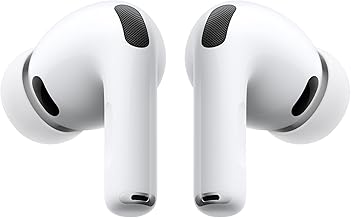


Meta AirPods-like pairing for glasses: how Orion measures up
Meta's Orion AR glasses reportedly cost around $10,000 to manufacture as a prototype, with a commercial launch still years away. The company's wearables chief has meanwhile compared the intended experience to AirPods. That gap between vision and hardware is what makes Meta AirPods-like pairing for glasses and headsets worth examining carefully: the analogy is precise enough to set a real standard, and the reported evidence shows how far Orion currently sits below it.
What Meta's wearables chief actually said
Meta's head of wearables described Orion's intended use pattern as "a bit how you think about AirPods," according to 9to5Mac in late 2024. The behavioral model is specific: you put in AirPods when you want to partially withdraw from your surroundings, and take them out to re-engage. AR glasses, in this framing, follow the same rhythm. On when you want a layer of digital information over your environment. Off when you want to be present.
That's a more disciplined pitch than it first appears. It doesn't claim AR glasses will replace your phone or restructure your workday. It claims they'll fit an existing behavioral slot, the same situational, low-commitment pattern that helped AirPods become a habitual accessory rather than a novelty. Meta's wearables chief thinks Orion can eventually occupy that same position, per the same 9to5Mac coverage.
The precision of the comparison is also what makes it demanding. By choosing AirPods as the reference point, Meta has implicitly committed to a set of conditions its hardware will have to meet. Those conditions aren't spelled out in the sources, but they follow directly from how AirPods actually work as a product.
Why Meta AirPods-like pairing for glasses and headsets sets a hard standard
The behavioral model Meta describes implies at least three conditions working in combination. These are interpretive inferences from the analogy, not claims Meta has stated directly, but they're worth making explicit because they give the comparison its teeth.
The first is frictionless setup. A device meant to move in and out of daily context constantly cannot require configuration steps or menu navigation every time it's picked up. If putting on AR glasses creates setup friction, the ambient use pattern Meta is describing doesn't survive contact with a normal morning.
The second condition is social neutrality. A wearable that draws attention in public, or makes the wearer self-conscious about being seen in it, cannot become the casual, habitual accessory the analogy promises. This isn't a cosmetic concern; it's a functional prerequisite. The situational rhythm Meta describes only works if wearing the glasses in public is unremarkable.
The third follows from the other two. A device genuinely designed for the kind of daily, situational wear Meta is envisioning would need to reach a price point where the decision to pick it up requires no deliberation. The research data doesn't specify a price target, but the AirPods analogy implies accessibility as a built-in expectation, not a premium tier aspiration.
Together, these three conditions form the clearest available benchmark for evaluating whether future Meta announcements are closing the gap or still clearing engineering problems. They also provide a framework for reading Apple's moves in the same space.
Where Orion stands against its own benchmark
The publicly reported evidence is straightforward on all three counts, and none of it is favorable. That's not a criticism of Meta's direction, just a description of where the hardware is right now.
On cost: the Orion prototype carried a production cost of roughly $10,000, per 9to5Mac last year. That figure isn't primarily a pricing decision Meta can revise in the next product cycle. It reflects the underlying manufacturing processes and supply-chain infrastructure that don't yet exist at scale for this class of hardware. Closing that gap is an engineering and logistics problem that plays out over years, not product generations.
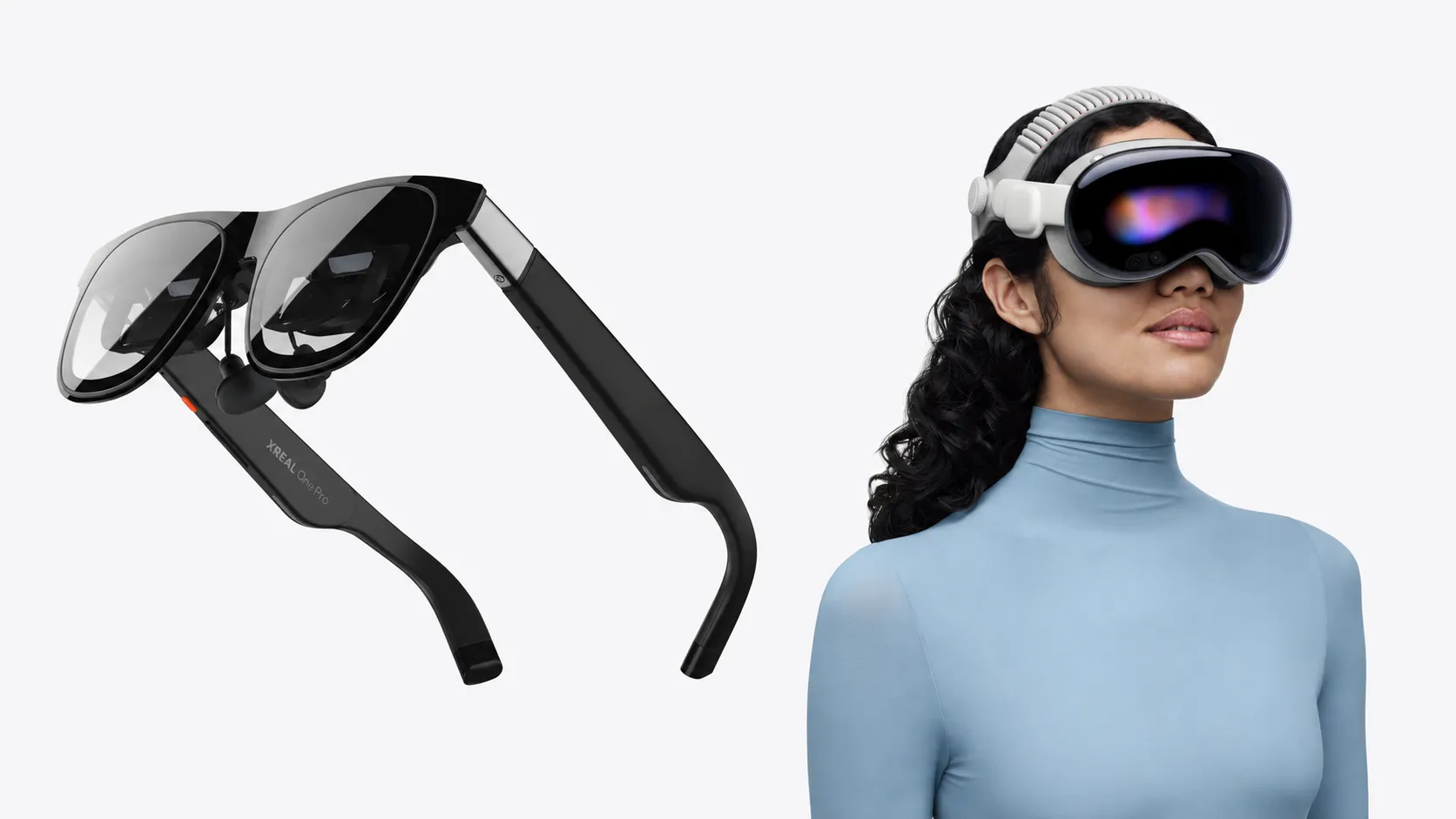
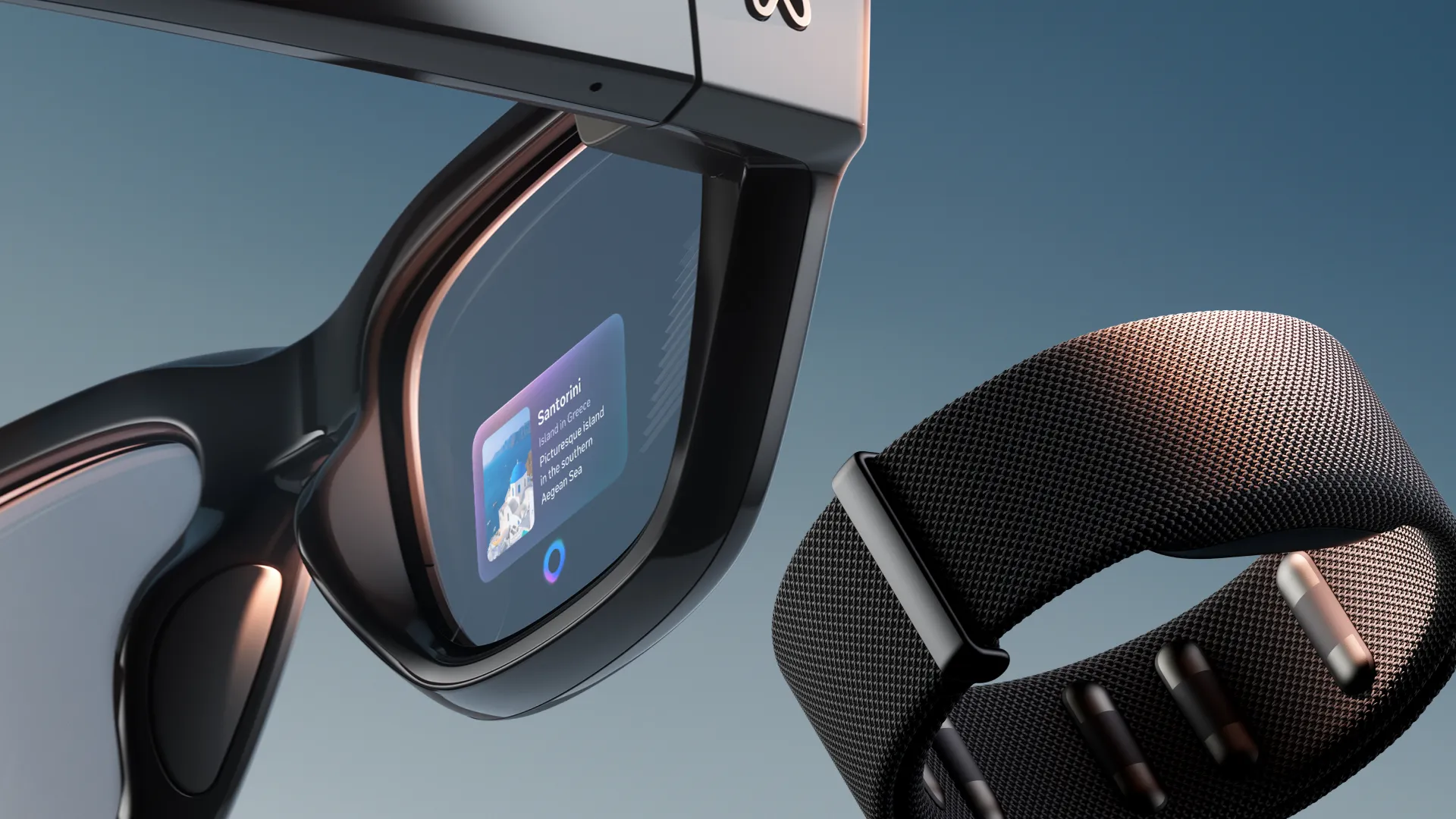
On design: Meta described Orion as having "the look and feel of a regular pair of glasses." Hands-on coverage from 9to5Mac in late 2024 pushed back directly. The reviewer wrote that the glasses look like "exactly what they are: an early prototype." That assessment cuts at the second condition. A device that reads as conspicuously unusual cannot function as the ambient, socially invisible wearable the AirPods comparison describes. The design gap is as much a functional problem as the cost gap.
On timeline: a commercial version is likely years away, according to the same 9to5Mac reporting. Battery life, field of view, thermal performance, and input methods don't appear in the available sources at all. For a device meant to be worn across a normal day, those aren't secondary specs. What can be said from the reported evidence is that Orion currently fails the three-part test its own analogy implies: the prototype is expensive, visibly prototype-grade, and not commercially available.
None of that disqualifies Meta's long-term ambition. Every consumer product starts as research hardware. But the company has chosen one of the most successful consumer electronics launches in recent history as its benchmark, and the current state of the hardware makes that comparison premature by any honest reading of the evidence.
The Meta headset and smart glasses ecosystem race is already accelerating
The competitive backdrop doesn't change what Orion is today. It does explain why the AirPods framing carries more than marketing weight.
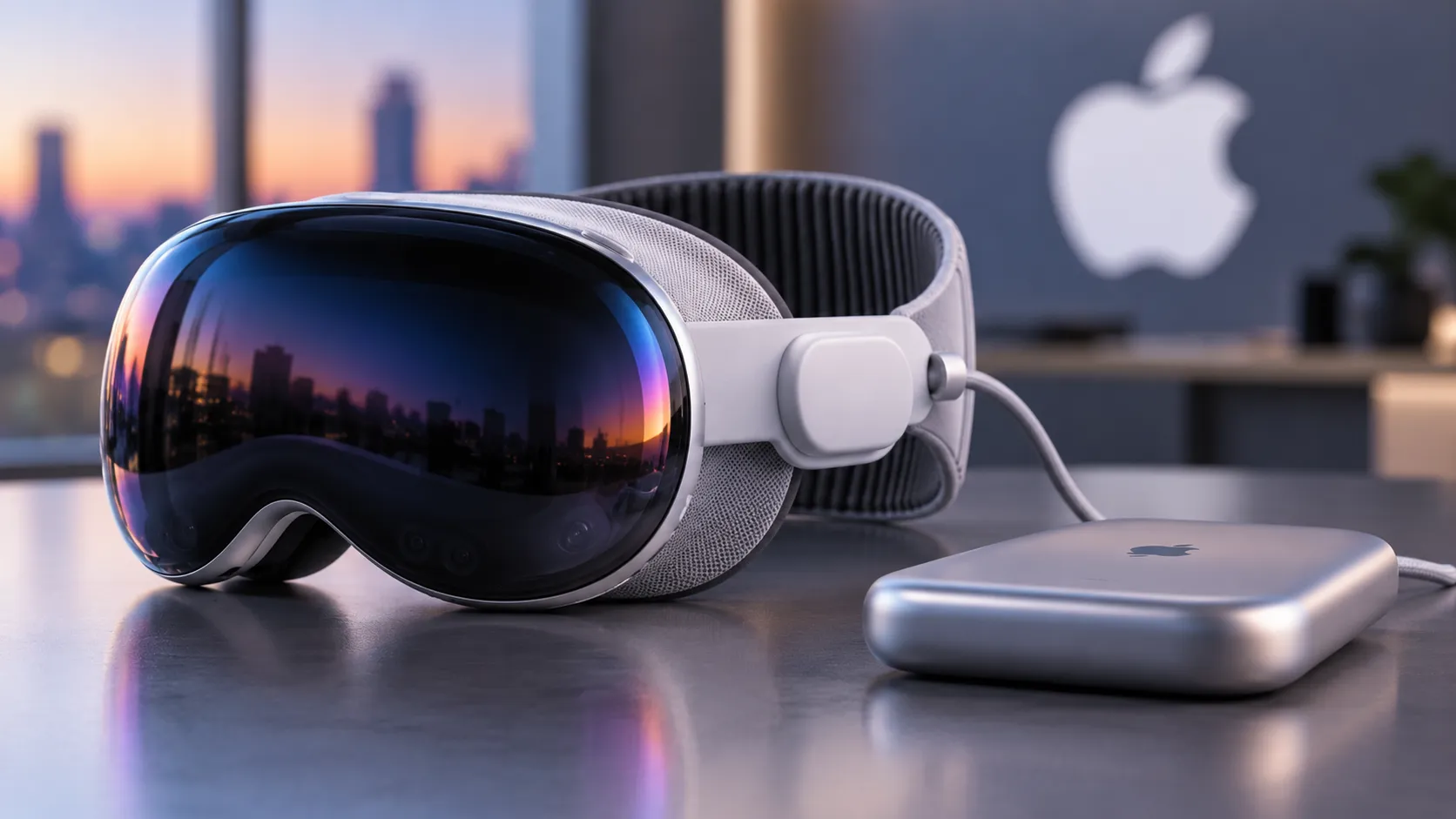
9to5Mac reported last year that Apple's development timeline may be compressing, with Tim Cook potentially pushing the glasses team to accelerate. Apple doesn't need to win the prototype phase. It needs to enter the consumer market before someone else has established what the default pairing experience for AR glasses feels like, and what behavioral norms come with it.
That's the strategic weight behind Meta's AirPods framing. Whichever company defines how AR glasses connect to the devices people already carry will have significant use over how the category develops. That's the logic Meta's positioning implies, not a claim from the available sources directly, but it's consistent with how platform entry points have worked in adjacent hardware categories.
Privacy is a related signal worth noting. Meta has said it plans to handle Orion's data collection with what 9to5Mac described as a "surprisingly Apple-like" approach to privacy. The specifics remain vague. But outward-facing, always-on glasses that capture what the wearer sees will face real public skepticism, and Meta reaching for Apple's trust language this early suggests the company understands there's a credibility gap to close alongside the hardware one. Whether the eventual privacy policy matches the framing is something the reporting will need to track as the hardware matures.
What to watch for in future announcements
Meta's AirPods comparison is most useful as a diagnostic tool. It gives observers a concrete set of questions to hold against future announcements, from Meta and from Apple, without having to take any particular launch at face value.
The three conditions the analogy implies don't all have to be solved at once. Progress on manufacturing cost, or a design revision that passes a genuine social wearability test, would each be meaningful steps. But partial progress isn't the category-defining moment either company is chasing. A device that pairs invisibly but looks like a science fair exhibit, or one that looks unremarkable but costs as much as a used car, still doesn't match what Meta's own analogy promises.
The Orion prototype, a $10,000 research device with a years-away commercial timeline, sits well short of all three conditions, based on available reporting. That's the reported state of things. The benchmark Meta chose is precise enough that future announcements will either close the gap visibly or they won't. When a device shows up that handles setup without thinking, disappears on your face in public, and costs what a good pair of headphones costs, that's the AirPods of AR. The next few years will show whether Meta reaches it first, or whether Apple forces the answer before Meta is ready.






Comments
Be the first, drop a comment!