


Samsung Smart Glasses Release Date: What's Confirmed So Far
No Samsung smart glasses release date has been announced. What is confirmed: Samsung has been publicly named as a hardware partner inside Google's Android XR platform, making a Samsung-built model part of the first serious multi-OEM push at consumer smart glasses since Google Glass failed a decade ago. The timing question is real, the competitive window is narrowing, and the signals point toward movement but no company has committed to a ship date.
The market context makes the silence notable. Global intelligent eyewear shipments grew 83% year over year in Q1 2026, according to Counterpoint Research. EssilorLuxottica sold more than seven million Ray-Ban and Oakley smart glasses in 2025, more than tripling its prior annual total, VR.org reported in May. Smart glasses stopped being a category that needs defending. The argument now is about who ships what, and when.
Samsung smart glasses release date: what's confirmed so far
Samsung's involvement in Android XR is on the record. A Samsung-built model is one of three hardware names attached to the platform so far, alongside fashion-partner frames from Warby Parker and Gentle Monster marking the first time Google has approached glasses as a multi-OEM platform with fashion partners rather than a single reference design.
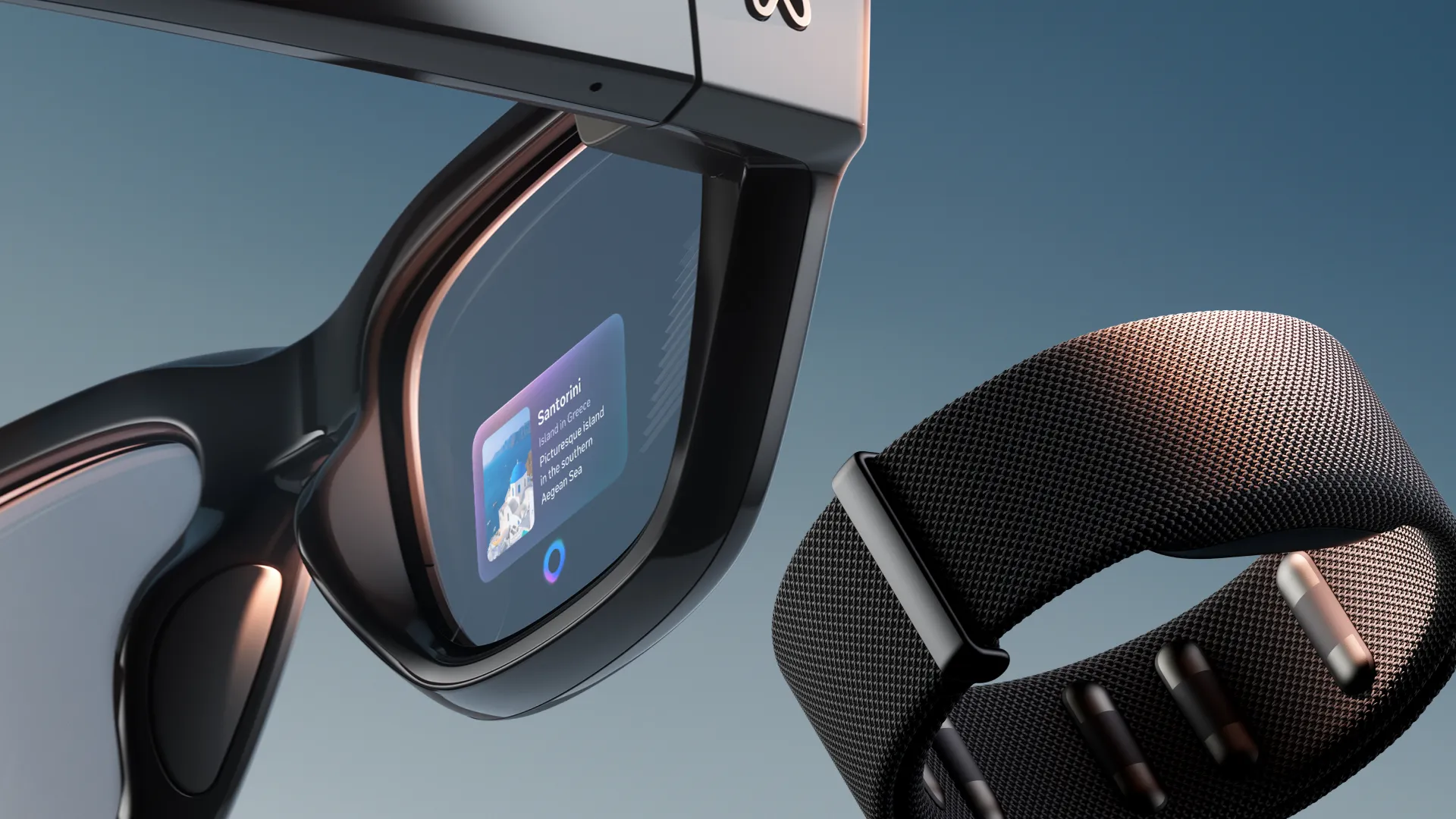
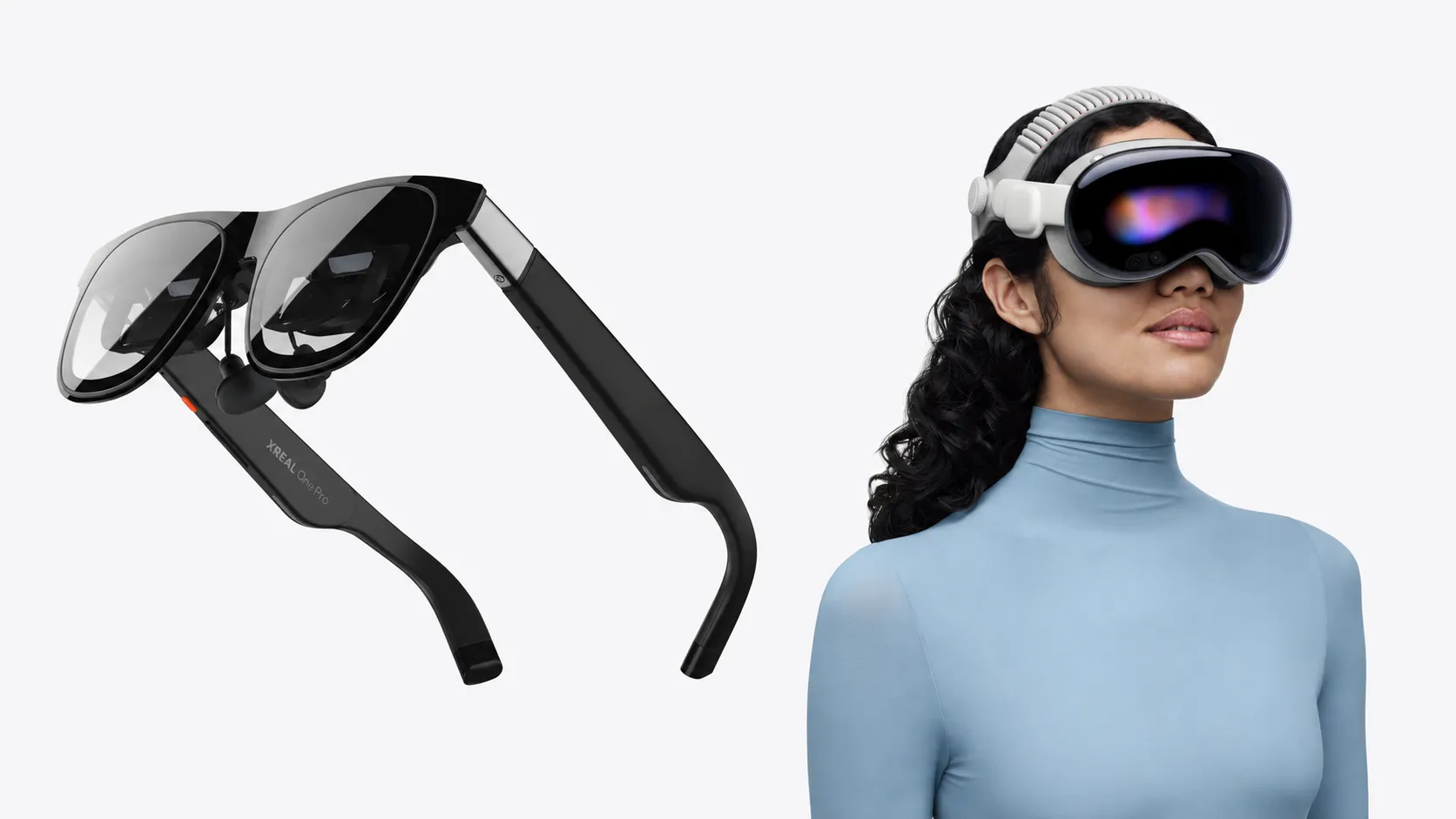
The platform itself is defined. Android XR glasses run Gemini 2.5 Pro for real-time translation, navigation, messaging, and visual understanding, with a paired Android phone handling compute. Two hardware configurations exist within the framework: one with an optional in-lens display that surfaces contextual information privately, and an audio-first variant with no screen. None of the cited reports includes a confirmed ship date from Samsung, and Samsung has disclosed no product name, pricing, release window, display specifications, or design details.
The three-party structure is the clearest signal of direction: Samsung handles hardware, Google supplies the OS and Gemini, Qualcomm provides the silicon, according to VR.org. That division of labor means Samsung isn't building an AI stack from scratch. The audio-first, phone-tethered architecture also means the product doesn't require standalone compute to ship. Those are real structural advantages for getting to market faster but design, manufacturing readiness, and software ecosystem depth remain unknown, and none of that is visible in current reporting.
Why Google is treating this differently than Google Glass
A 2025 industry analysis published by SPIE made the underlying tension explicit: the Google Glass era assumed hardware would come first and developers would find the killer apps. That didn't work. The analysis concluded that strong consumer adoption requires a genuine use case dictating the right hardware not the reverse. Android XR's audio-first, AI-native framing is a direct response to that lesson.
Google naming fashion partners alongside Samsung reflects the same thinking. The platform is designed for multiple OEMs from the start, which is structurally different from how Google has approached hardware in the past. If that model holds, a successful Samsung launch could draw additional manufacturers and developers into the Android XR ecosystem. Whether it holds depends on execution specifically Samsung's.
The unanswered questions are practical: whether Samsung ships the display-equipped version or the audio-first variant first, how tightly integrated Galaxy phone ownership needs to be, and how pricing compares to Meta's existing lineup. Those specifics will shape the product's actual market position far more than platform architecture.
The competitor Samsung is entering behind
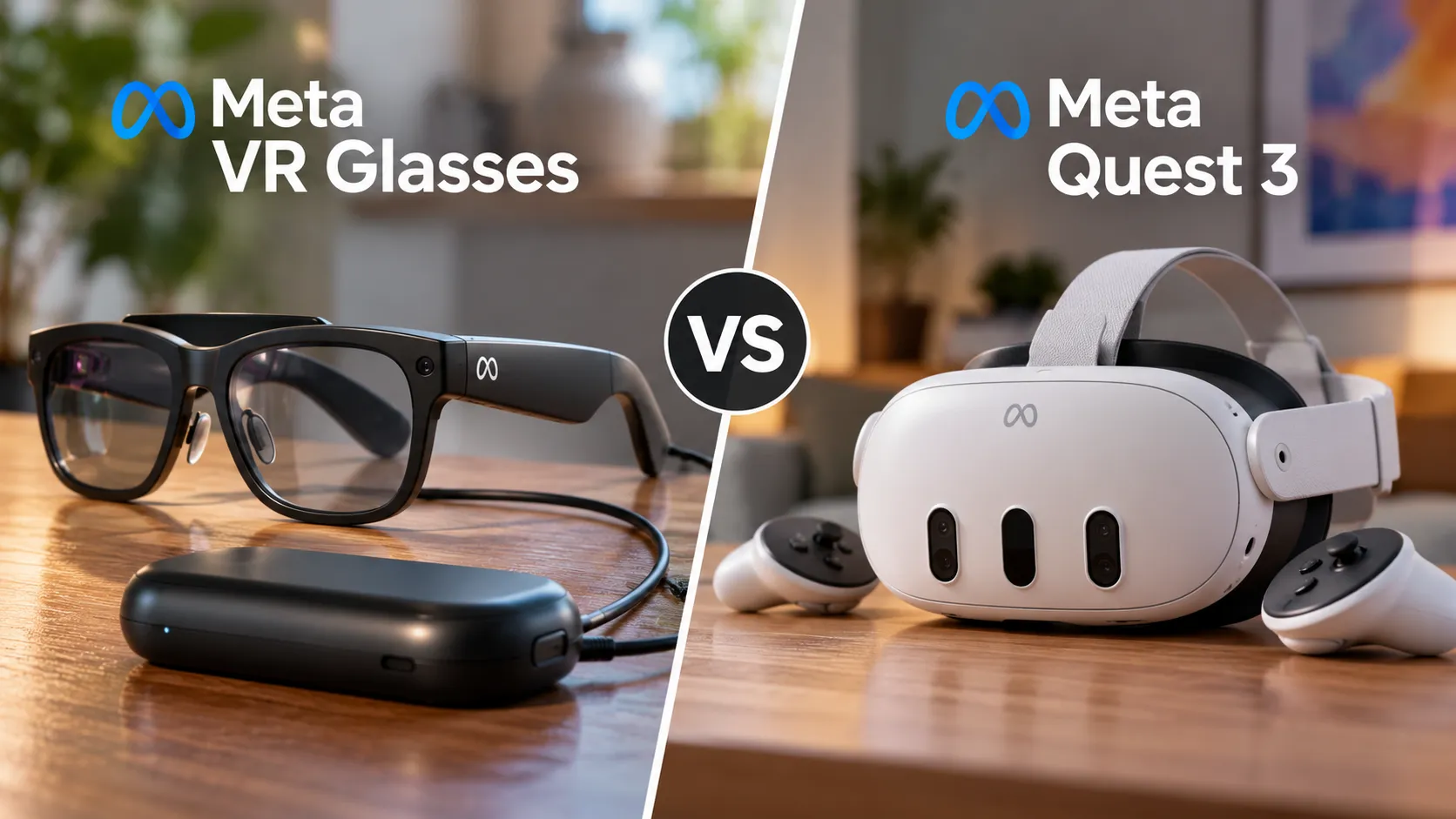
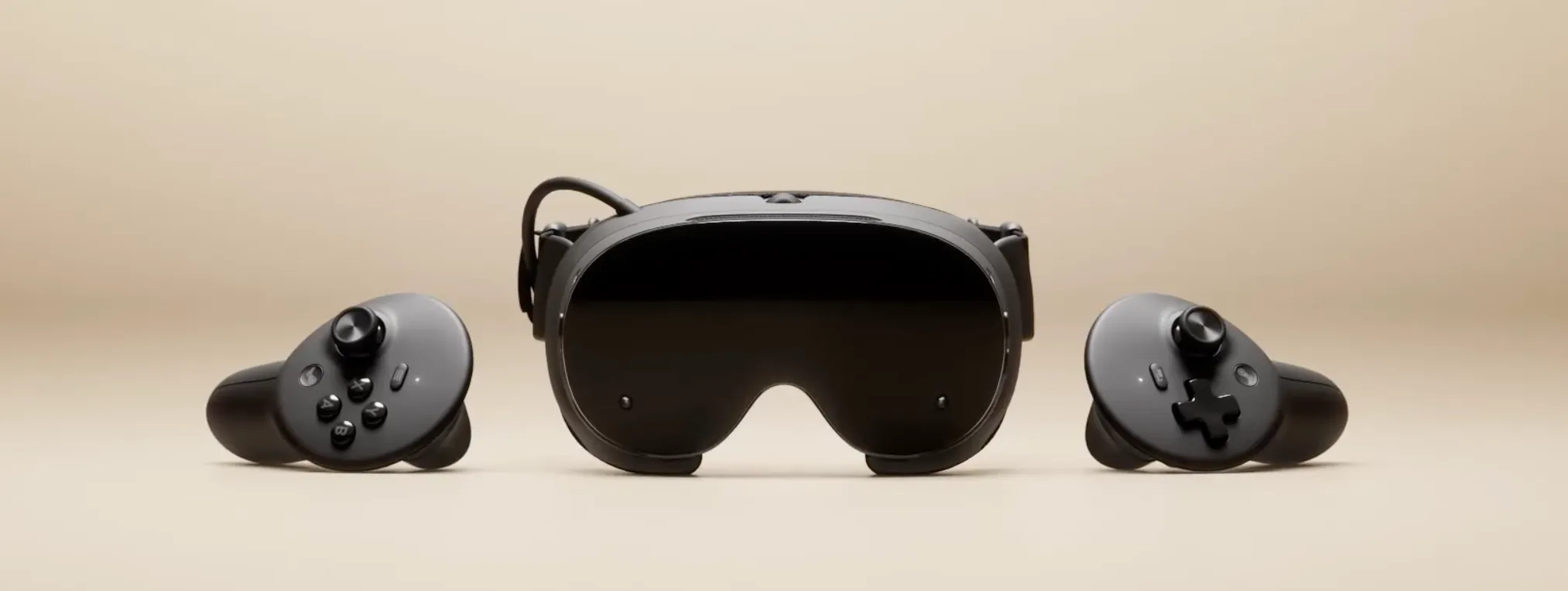
Meta held roughly 82% of the global smart glasses market in the second half of 2025, according to Counterpoint Research via VR.org. Its Ray-Ban Display glasses reportedly exceeded internal sales projections by more than 300%. US demand was strong enough that Meta paused its planned expansion into the UK, France, Italy, and Canada due to supply constraints. Meta is reportedly scaling toward ten million units of annual production capacity by end of 2026.
VR.org's framing from May was blunt: the word that describes Meta's position is shipping. Google was previewing Android XR while Meta was already selling by the million. That gap between platform announcement and product in consumers' hands is the central challenge Samsung and Google face.
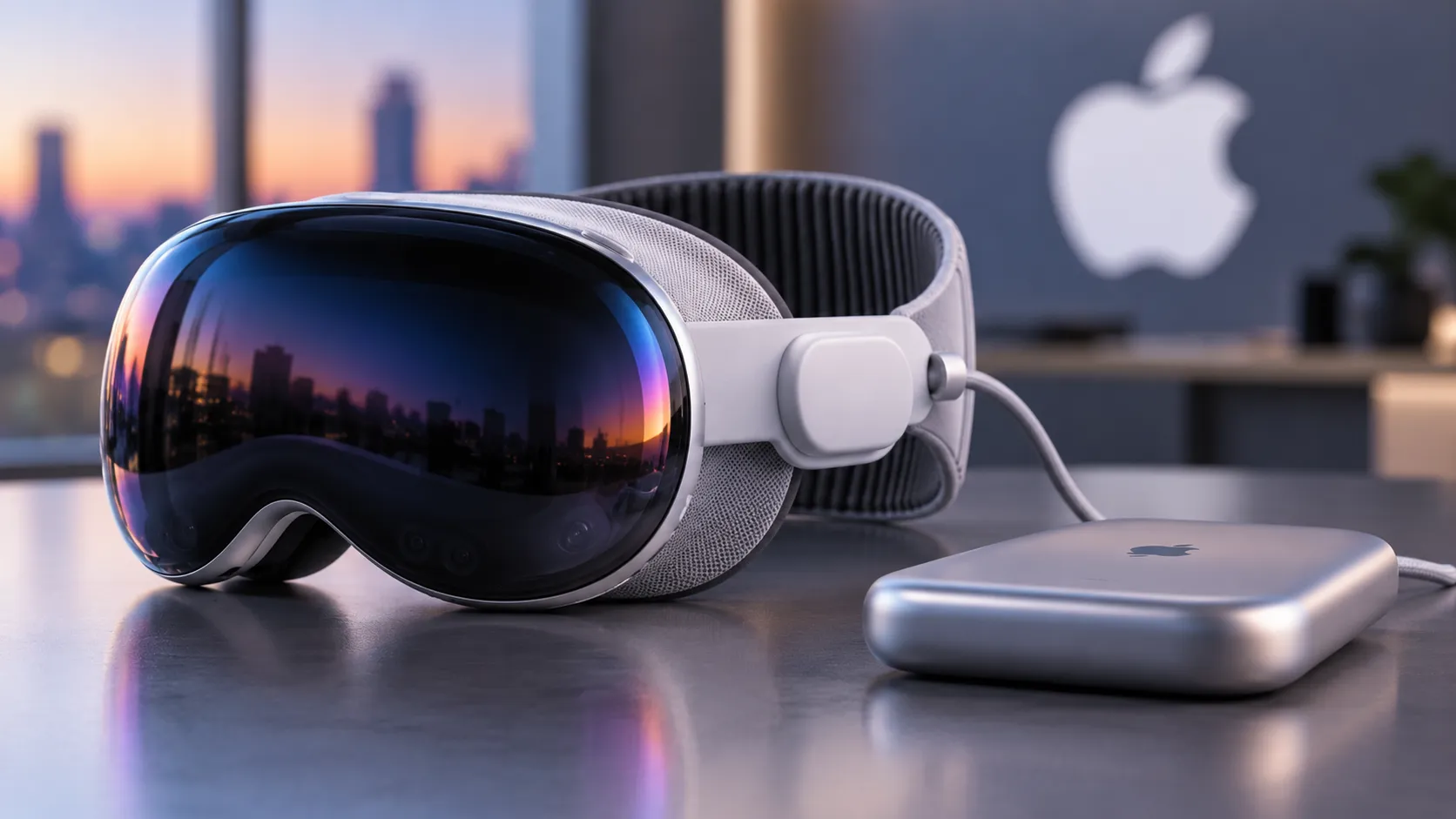
Apple's position matters too, though differently. Apple's glasses program reportedly has no display planned for near-term versions, and its next Vision Pro is not expected before 2028, VR.org reported. That gives Android XR a period without Apple competing at scale how long that lasts depends on when Samsung and its platform partners actually ship.
Samsung's realistic differentiation over Meta isn't the glasses hardware. It's the broader Android ecosystem Galaxy phone integration, carrier relationships, and Gemini infrastructure already deployed across hundreds of millions of devices. Meta built a closed stack and captured the market's first wave. Samsung's bet is that a collaborative, more open platform structure creates more entry points for consumers and developers alike. That's a reasonable strategic thesis. It still requires a product.
What the glasses will actually do and where they'll fall short
Research on AI-first wearables published on arXiv in April gives a useful picture of real-world use patterns. A deployment study tracked 555 voice-initiated interactions across daily use and found six categories: Retrieve (30%), Shop (19%), Save (16%), Communicate (14%), Recall (12%), and Control (9%). That distribution aligns well with what Gemini integration on Android XR is built to support.
The same research found that combining always-on visual perception with AI agent execution produced 13-37% faster task completion and 7-46% lower perceived difficulty compared to using either capability alone. Worth being clear about the scope: the controlled study had 12 participants, and the deployment study involved four researchers using their own system. Directionally useful; not statistically conclusive at scale.
The hardware constraints in that research are worth naming plainly, with the caveat that they reflect one specific implementation. In VisionClaw, which ran on Meta Ray-Ban glasses, video was throttled to approximately one frame per second to manage bandwidth and battery costs, an audio-only fallback mode existed to extend outdoor battery life, and median end-to-end response latency for agentic tasks ran about 12 seconds. Those figures are specific to that system's architecture, not a universal ceiling but they illustrate the physics any current smart glasses product navigates. Useful for ambient, voice-driven tasks. Not frictionless.
What to watch for
Samsung's participation in Android XR is confirmed, the platform structure is defined, and the audio-first phone-tethered architecture means Samsung doesn't need next-generation standalone compute to ship something. None of that adds up to a release date none of the cited reports includes one, and no primary source has announced a launch window.
The intelligent eyewear market grew 83% year over year in Q1 2026, and Meta is reportedly scaling toward ten million units annually, per VR.org. The competitive pressure on timing is real. When Samsung does announce, the details that will actually matter are design, price point, and how much of the Android ecosystem integration is seamless versus theoretical. Those are the specifics that determine whether Android XR becomes a genuine platform or another Google hardware preview that never quite closes.





Comments
Be the first, drop a comment!