


Cheaper Apple Vision Pro Scrapped: Supply Chain and Demand Issues
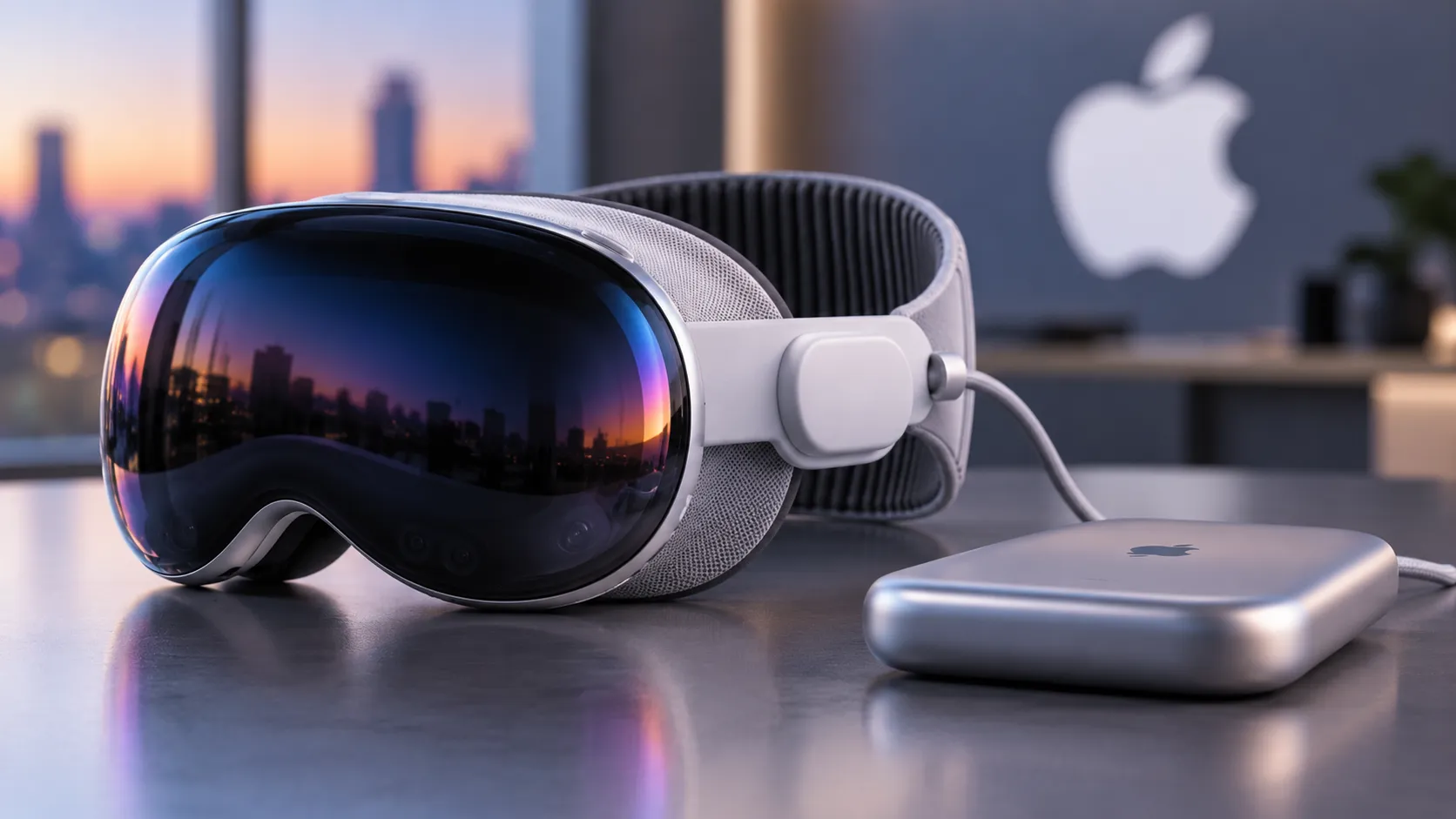
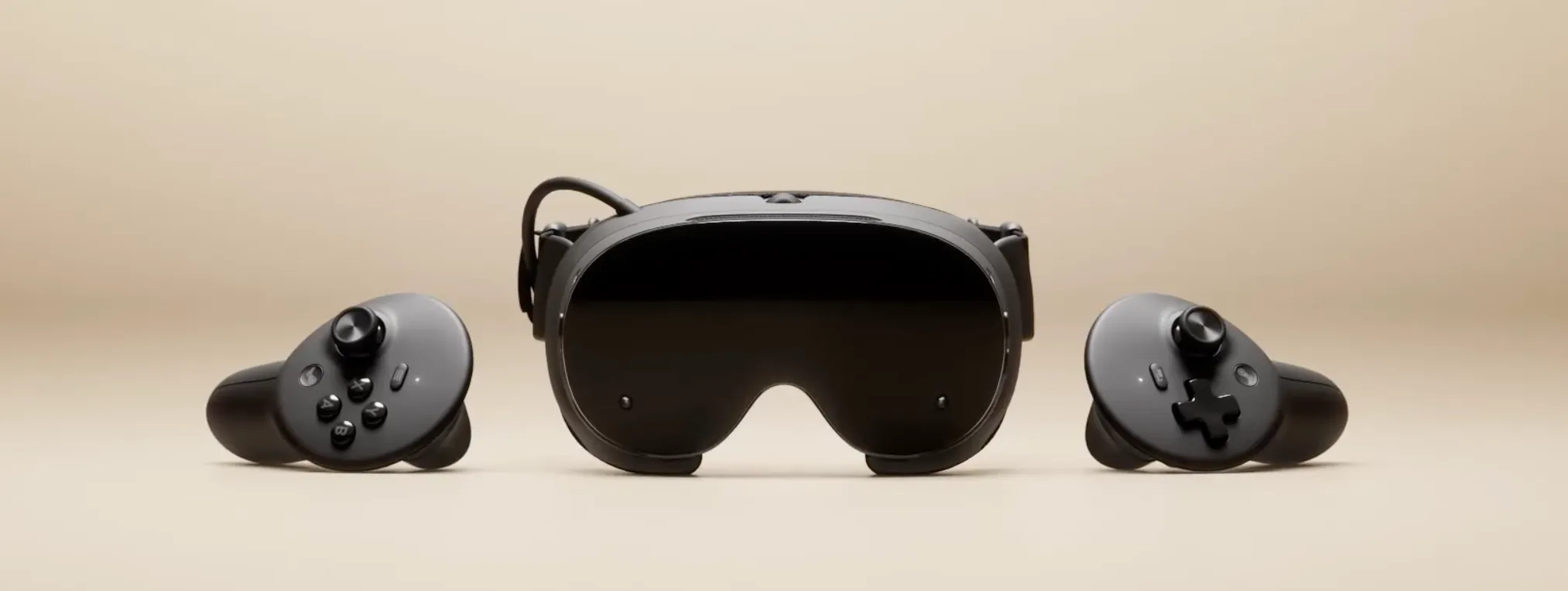
Apple's cheaper Vision Pro has been scrapped. Last month, analyst Ming-Chi Kuo reported that incoming CEO John Ternus signed off on canceling both a second-generation Vision Pro and a lighter "Vision Air," redirecting the company's headset roadmap toward smart glasses instead, according to MacRumors. For anyone tracking why the cheaper Apple Vision Pro scrapped timeline kept slipping, the reasons were already visible in the supply chain data: displays too expensive to source from anyone but one manufacturer, a parade of failed supplier qualifications, and a platform that never generated the user base needed to justify fixing either problem.
Bloomberg's Mark Gurman believes a cheaper, lighter Vision headset will eventually ship, but not before late 2028 or 2029 at the earliest, MacRumors noted. That's a slip of roughly four years from the end-of-2025 target Apple had been working toward when, two years ago, it suspended work on a premium Vision Pro successor specifically to prioritize a cheaper model and sent formal requests for information to Samsung and LG about alternative display components, per UploadVR.
The near-term cheaper Vision Pro is gone. The long-range version remains contingent on conditions that don't yet exist. What follows is the sequence: why weak demand removed the justification for the program, why the hardware economics couldn't be rescued regardless, and what Apple's turn toward glasses reveals about where this category is actually heading.
Demand was the trigger: why Apple stopped pushing
The economic argument for a cheaper Vision Pro was always platform logic. Drop the price, grow the user base, attract developers, build an ecosystem. That argument required the existing product to show it could generate momentum. It didn't.
Luxshare, the contract manufacturer assembling Vision Pro, apparently halted production entirely at the start of 2025, MacRumors reported earlier this year. Apple found itself caught in a self-reinforcing bind: too few users to motivate developers to build compelling apps, and too few compelling apps to attract new users, according to the same report. That cycle proved resistant even at $3,500, where the buyer pool had already self-selected for enthusiasm.
The cost structure made the problem structural rather than cyclical. Omdia estimated Vision Pro's bill of materials at roughly $1,542, before accounting for R&D, marketing, packaging, or any profit margin, CNBC reported in early 2024. A cheaper version rumored to target $1,500 to $2,000, per 9to5Mac, would have required substantial component redesign at scale. Without demonstrated platform growth to justify that investment, the business case for absorbing that cost and complexity disappeared.
Why the cheaper Apple Vision Pro scrapped program couldn't be rescued on hardware alone
Weak demand removed the motivation to keep pushing. Display economics and supplier fragility are why the program couldn't have been rescued quickly anyway.
The Vision Pro's micro-OLED panels are the most expensive single component in the device. Each Sony-supplied panel costs Apple approximately $300, down from around $350 at the start of mass production, meaning the two displays together account for roughly $600, or about 20% of the $3,500 retail price, according to 9to5Mac. Those panels run at 3,386 pixels per inch with 3,660 × 3,200 resolution per eye, more pixels per eye than an iPhone 15 has across its entire screen, which is what makes them so technically demanding and so difficult to source from anyone other than Sony, per CNBC.
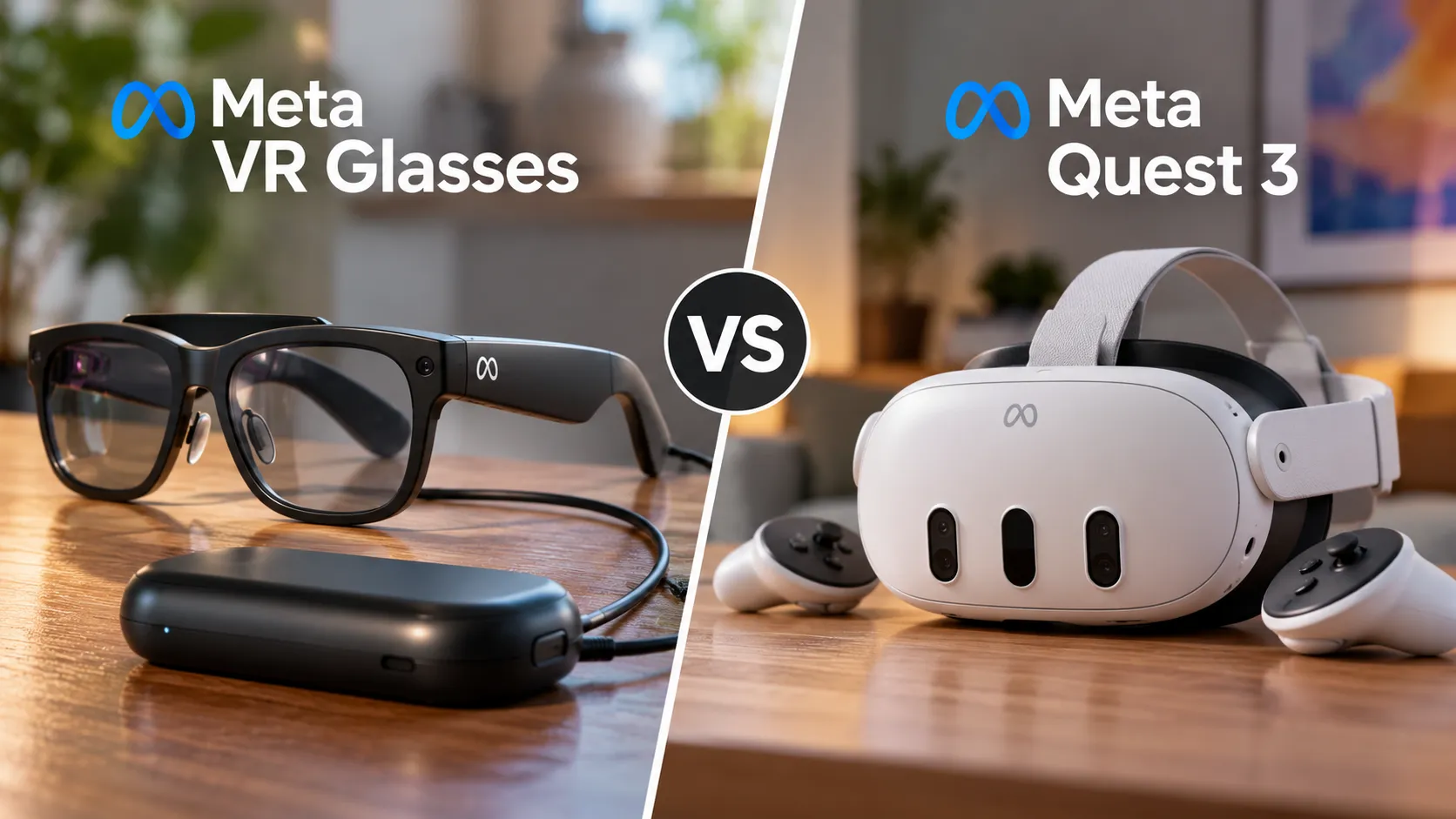
Apple's request for information to Samsung and LG specified a lower-spec alternative: panels roughly 2 to 2.1 inches with a pixel density around 1,700 PPI, which would have yielded approximately 2,600 × 2,300 resolution per eye, UploadVR reported. Consider what that actually means. Meta's Quest 3 runs at 2,064 × 2,208 per eye, per CNBC. Apple's "cheaper" specification was still materially more demanding than its nearest mass-market rival. This wasn't an entry-level screen Apple was trying to source. It was something premium-adjacent at a consumer price, with no proven manufacturer and no established cost path.
The single-supplier constraint made everything harder. Sony is the only manufacturer capable of producing Vision Pro's ultra-dense micro-OLED panels at volume, with an estimated annual capacity of around one million panels, enough for approximately 500,000 complete headsets, and no reported plans to expand production, according to UploadVR. The outreach to Samsung and LG was an attempt to escape that ceiling by qualifying an alternative supplier for the lower-cost headset's less demanding panels.
Before that outreach, Apple had already tried and failed to qualify Chinese manufacturers SeeYa and BOE as lower-cost micro-OLED alternatives, both reportedly struggling to meet Apple's quality requirements, per UploadVR. Omdia projected Sony's panel costs would fall to around $210 per unit by 2026, but even at that price, the two-panel total of roughly $420 would consume a substantial portion of the $1,500 to $2,000 rumored target price, 9to5Mac noted, and that's before accounting for the rest of the device. The arithmetic was always tight. The supply chain was always fragile. Neither condition was anywhere near resolved when Ternus made his call.
It's also worth noting that 9to5Mac reported more suppliers were expected to eventually enter the micro-OLED supply chain, which would help with both supply and price competition. That expectation hasn't materialized on any timeline useful to the cheaper Vision Pro program.
Why glasses: the strategic tradeoff
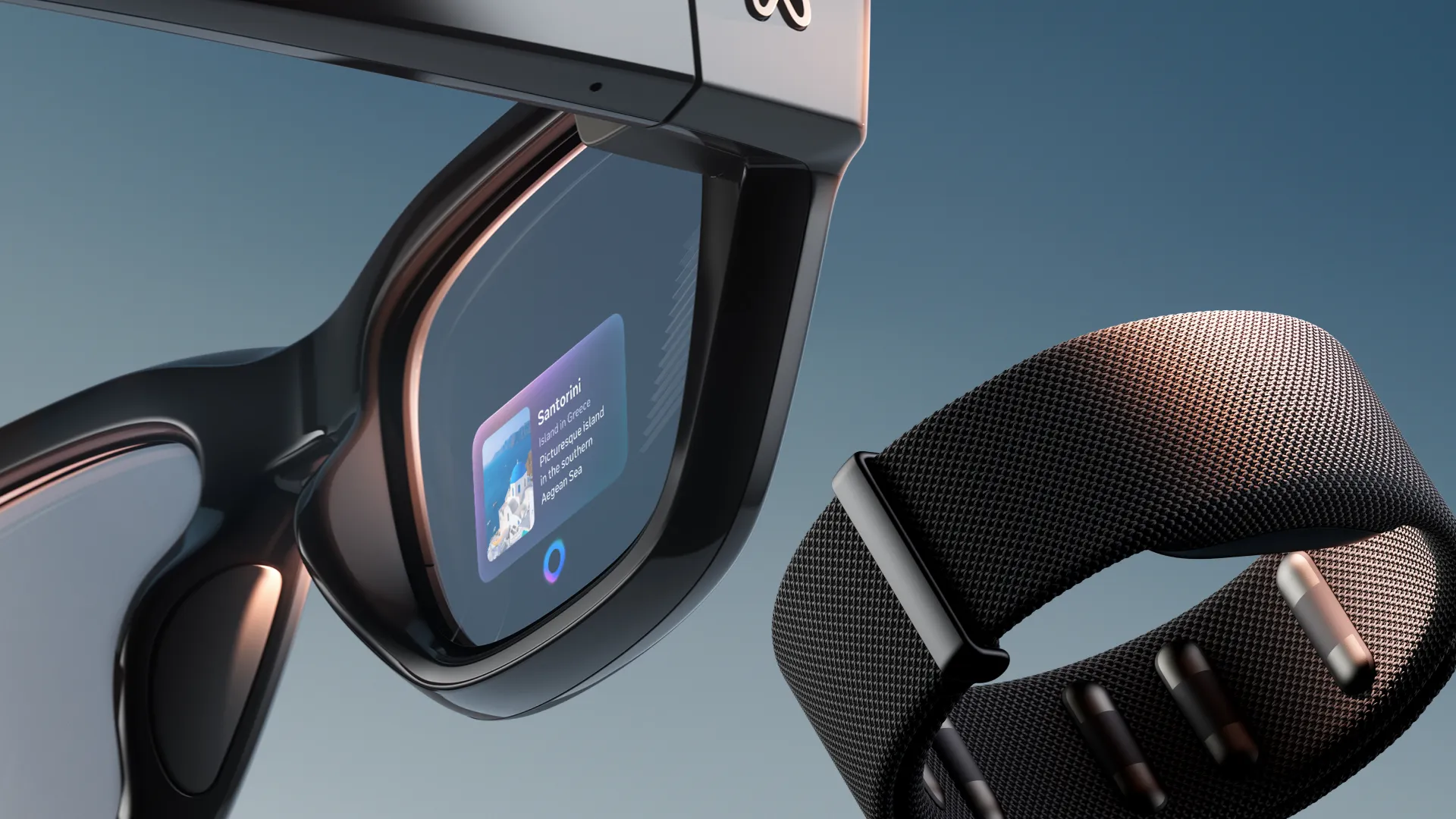
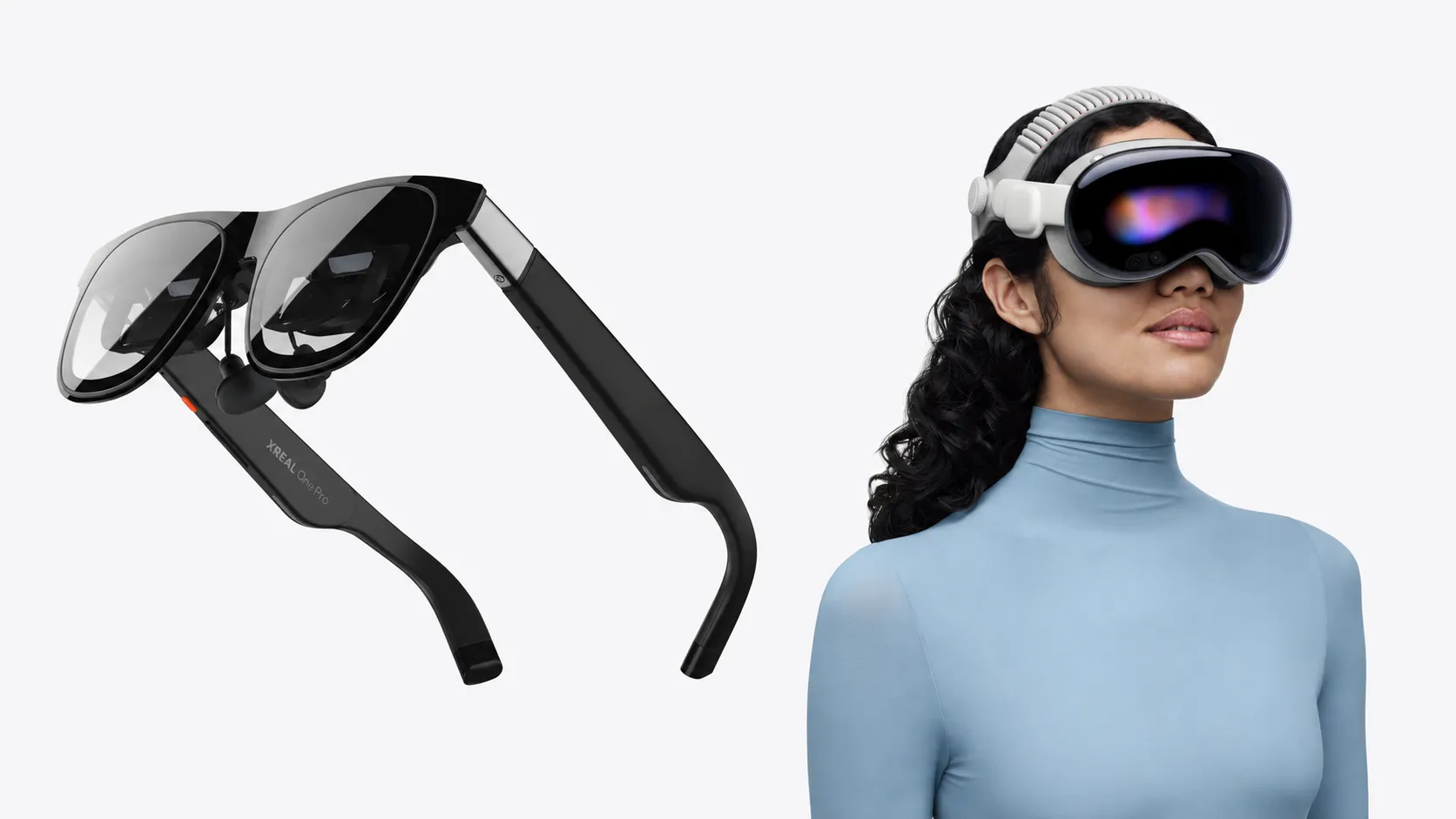
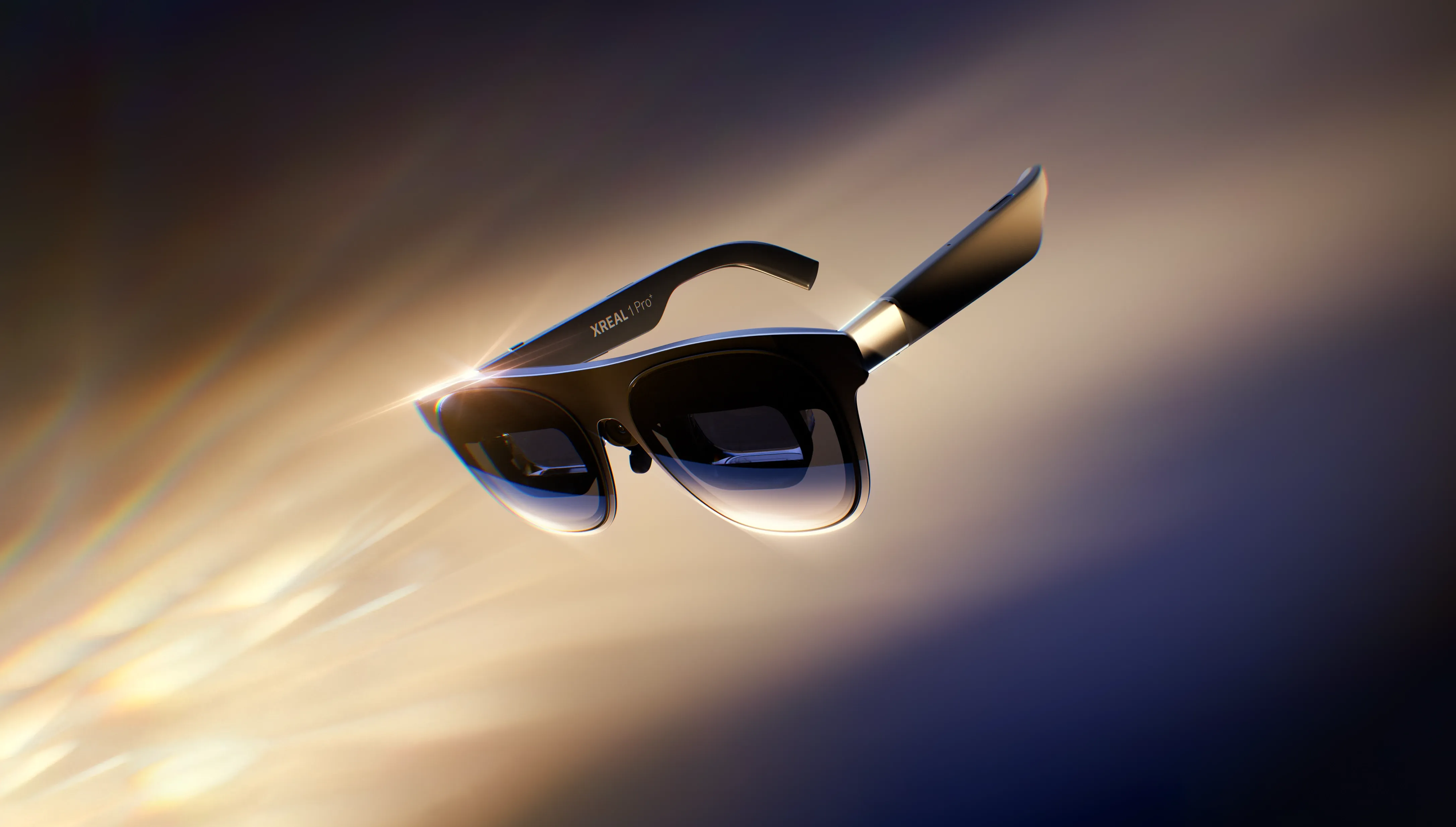
Kuo's report frames Apple's revised roadmap as two smart glasses products: AI-enabled glasses aimed at the same consumer category as Meta's Ray-Ban collaboration, and a separate display-equipped AR glasses product, per MacRumors. In Kuo's framing, this is where Apple's near-term spatial computing investment is now concentrated, with any affordable Vision headset at least two to three years away on current timelines.
Smart glasses sidestep the specific bottlenecks that killed the cheaper headset program. No exotic micro-OLED supply chain. No two-panel display stack consuming 20% of the bill of materials before a single other component is counted. No immersive computing platform that needs a critical mass of apps before it becomes useful to a general consumer. The form factor is simpler by design, and the supplier constraints that plagued the headset program don't apply in the same way.
Whether glasses can generate the platform traction that Vision Pro failed to build is a different question, and not one the current evidence answers. What Kuo's report suggests is that Apple has concluded the glasses path is a lower-risk way to develop the spatial computing habits and developer relationships that a headset revival would eventually require, rather than waiting for headset component economics to converge on their own schedule.
The broader read, if that framing holds, cuts across the whole category. When the most resourced consumer hardware company in the world cannot bring a premium mixed reality headset to mass-market pricing within four years of launch, the near-term growth in spatial computing is more likely to come from simpler wearable form factors than from closing the cost gap through component reduction alone.
What a real headset revival would require
The long-range headset idea, Gurman's late 2028 or 2029 target, remains possible but rests on conditions that currently don't exist.
Display costs would need to fall further, and more critically, a second panel manufacturer would need to clear Apple's quality and yield standards at scale, the supply-chain prerequisite everything else depends on, per 9to5Mac. The platform would also need demonstrated traction, which Apple is now attempting to generate through smart glasses, according to MacRumors. Any timeline shorter than 2028 or 2029 would require reversing decisions made at the CEO level, which is not impossible, but it is not where the current roadmap points, MacRumors reported.
The one concrete development worth watching is narrow: another panel manufacturer clearing Apple's quality and yield standards for micro-OLED production. That's the single supply-chain signal that would indicate the headset track is genuinely alive again. Until it happens, the cheaper Vision Pro is a deferred ambition, with no hardware foundation and a company that has already moved on to build something else.


Comments
Be the first, drop a comment!