



Meta Smart Glasses Instagram Ban Explained: Gaps and Limits
Instagram will remove videos filmed with Meta's Ray-Ban smart glasses that harass or exploit people, and Meta has already deactivated two prankster accounts under the new rule, The Verge reported this week. The Meta smart glasses Instagram ban covers covert pickup-line videos and pranks targeting workers and it puts Meta in the position of writing content rules for a product it designed, sold, and posts footage from through Instagram.
The glasses have picked up an ugly informal label: "pervert glasses," TNW reported this week. Men wear them to film women on the street; pranksters use them to ambush shop workers, TNW noted. The backlash has been swift, with public concern focused on the erosion of privacy and the expansion of surveillance, per The Verge.
Critics say the ban treats a symptom, TNW reported. The hardware was built to make ambient public recording frictionless and invisible, and the only physical deterrent it shipped with was defeatable in seconds.
What Meta announced, and what it still hasn't said
Instagram head Adam Mosseri set out the policy in an Instagram Story last week. "If you're posting content that is taking advantage of people and harassing them, like a lot of these pickup line kind of videos, then we're going to take the content down," Mosseri said. "We don't want people to be surreptitiously taking videos of other people and harassing them and then posting them on our platform."
Business Insider found that two major prankster accounts posting smart glasses content had already been deactivated; Meta confirmed they were banned under the new harassment policy, as Gizmodo reported this week. Meta spokesperson Albert Aydin told The Verge the company is working to disable cameras on devices where tampering with the recording indicator is detected, and to remove content from accounts associated with those devices. "We're trying to fight surreptitious filming and LED tampering in every way we can," Aydin said.
What Meta has not provided is more telling than what it announced. The company declined to share the actual policy text with The Verge, meaning there is no published definition of what qualifies as harassment, no disclosed detection method, and no confirmed scope beyond Instagram, The Verge reported. Whether bans are triggered by automated systems, human review, or user reports remains unspecified, Gizmodo noted.
Two accounts removed is proof that enforcement began. It is not proof that it scales.
Meta smart glasses privacy concerns: the design problem underneath the ban
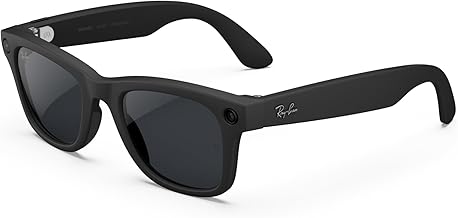
The Ray-Ban glasses record up to 3K ultra-HD video from a point-of-view perspective in a form factor indistinguishable from ordinary eyewear, according to legal analysts at JURIST last month. The glasses carry a small LED that activates during recording, but JURIST analysts note the light can be concealed with tape, rendering the safety feature ineffective. Meta has since added a firmware fix that shuts the camera off when the light is covered, though TNW notes it has not run long enough to assess.
When critics say the ban treats a symptom, they are pointing at a design issue, not a moderation one. Platform takedowns are performing retroactive triage. The product's architecture optimized to minimize friction between recording and uploading is what made some version of this problem predictable from launch.
The legal landscape makes that harder to fix through content rules alone. In the US, 38 states operate under one-party consent laws, meaning an individual can legally record audio as long as they participate in the conversation; the remaining 12 require all parties to consent, per JURIST. No universal international statute addressing covert filming of this kind exists, JURIST analysts noted a gap that places more weight on platform rules than they can realistically carry.
The harms JURIST documents extend well past embarrassing viral content. Footage from these glasses is increasingly feeding the non-consensual intimate imagery market, with women and girls disproportionately targeted, JURIST analysts argue. Young women often don't realize they've been filmed until a video is already online. Once copied across servers, content can persist even after deletion, leaving victims in a cycle of re-victimization, JURIST noted. That dynamic connects the prank content and the more serious abuse into a single product-design thread.
JURIST also reports that Meta faced two lawsuits after preliminary investigations showed third-party contractors had access to user-captured footage and could inadvertently view women filmed in private environments findings that, JURIST analysts argue, mean the glasses' ecosystem can function as a supplier to the non-consensual pornography market at multiple points, not just at the moment of recording. These conclusions come from legal commentary, not confirmed aggregate data, but the harm profile they describe is different in kind from prank videos.
Meta's reported roadmap points the other way
The credibility of this week's announcement rests on specifics Meta has not yet provided. Publishing the actual policy text with a working definition of harassment and a disclosed enforcement method would be the minimum needed to make the stated commitment auditable. Enforcement numbers beyond two removed accounts would show whether the system scales or stays symbolic.
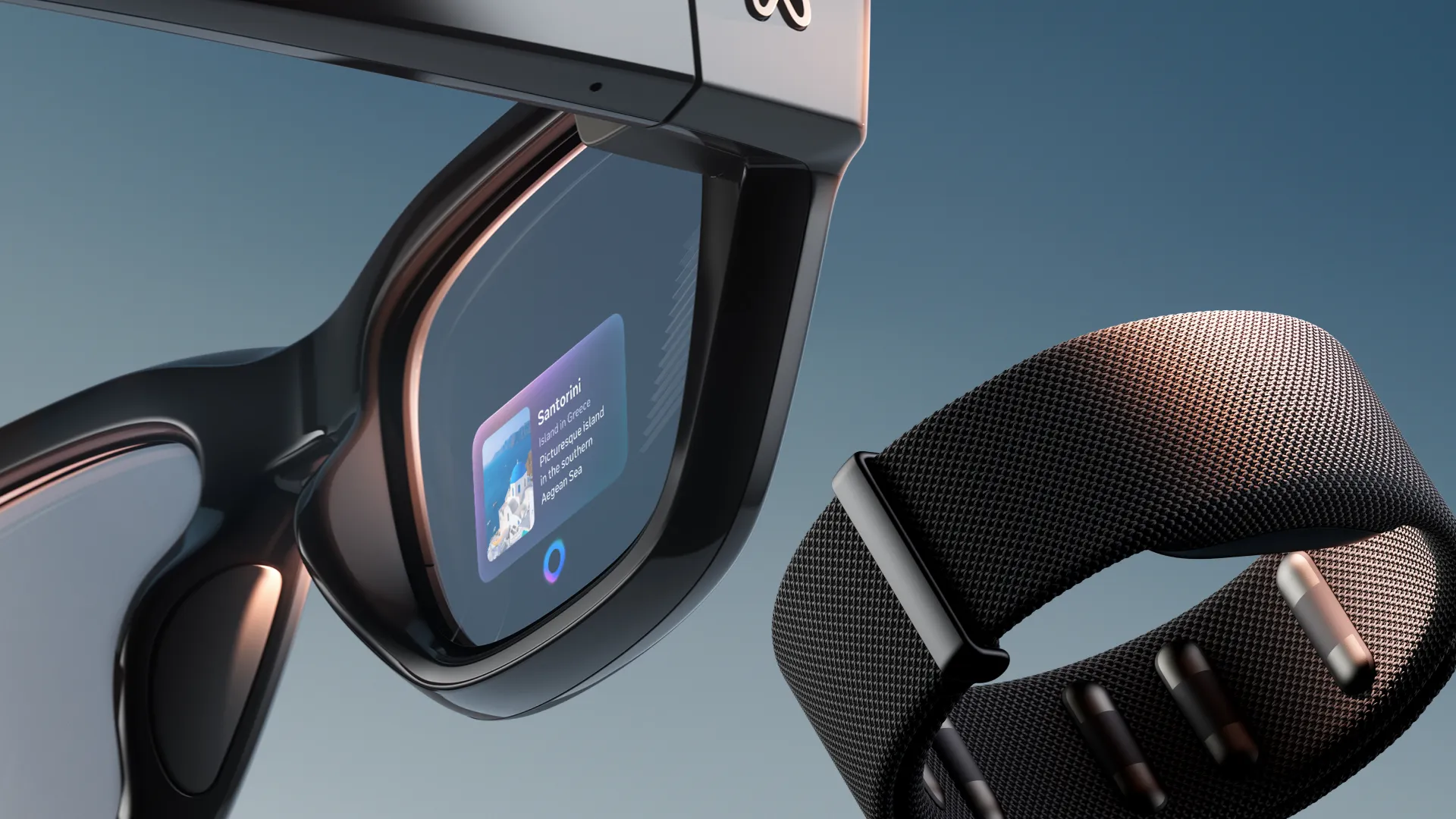
That question sharpens against what Meta is reportedly building next. TNW reports that Meta is exploring glasses that record continuously. An internal memorandum reported by Suffolk JHTL earlier this year indicates Meta has explored adding real-time facial recognition, referred to internally as "Name Tag," which would let users identify individuals and pull real-time information about them through Meta's AI. These are reported plans, not confirmed products.
The same memo, as reported by Suffolk JHTL, indicates Meta considered timing the feature's release to coincide with a period of political unrest in the US, on the grounds that civil society groups "would have their resources focused on other concerns." That framing appears in an internal document, not a public statement, and should be read as such.
Privacy groups EPIC and EFF have urged regulators and attorneys general to investigate the reported facial recognition plans, warning it could "significantly expand surveillance risks and threaten civil liberties," according to Suffolk JHTL. Suffolk JHTL also notes that a "Name Tag" feature would raise immediate compliance questions under Illinois's Biometric Information Privacy Act, which requires written consent before collecting biometric data, and could expose people at public events to identification without their knowledge with implications for First Amendment-protected activity like protests.
Facebook settled a privacy investigation with the FTC for $5 billion in 2019 following claims about deceptive facial recognition settings, per Suffolk JHTL.
A content moderation policy on one platform addresses what users post after the fact. Continuous recording and real-time facial recognition, if they arrive, would change what the glasses can do to anyone in their field of view whether or not that person ever appears on Instagram. Whether the moderation system Meta is now building could keep pace with that expansion is a question the company has not yet tried to answer.





Comments
Be the first, drop a comment!