


New York Smart Glasses Courthouse Ban: Why Old Rules Weren't Enough
New York became the first US state to ban smart glasses from all its courthouses this week, with the policy taking effect July 20 and covering every person who enters any of the state's 1,240-plus courts, according to Bloomberg Law. The New York smart glasses courthouse ban does not create a new legal prohibition. New York courts have long forbidden "taking photographs, films or videotapes, or audiotaping, broadcasting or telecasting, in a courthouse including any courtroom, office or hallway thereof, at any time or on any occasion, whether or not the court is in session," as Engadget reported this week.
The problem smart glasses created was not legal. It was operational. Wearable cameras that look like ordinary eyewear made the existing prohibition effectively unenforceable inside a building, which is why courts stopped trying to enforce it there and moved the line to the door.
What the New York courts smart glasses ban requires: no exceptions by role, device, or prescription
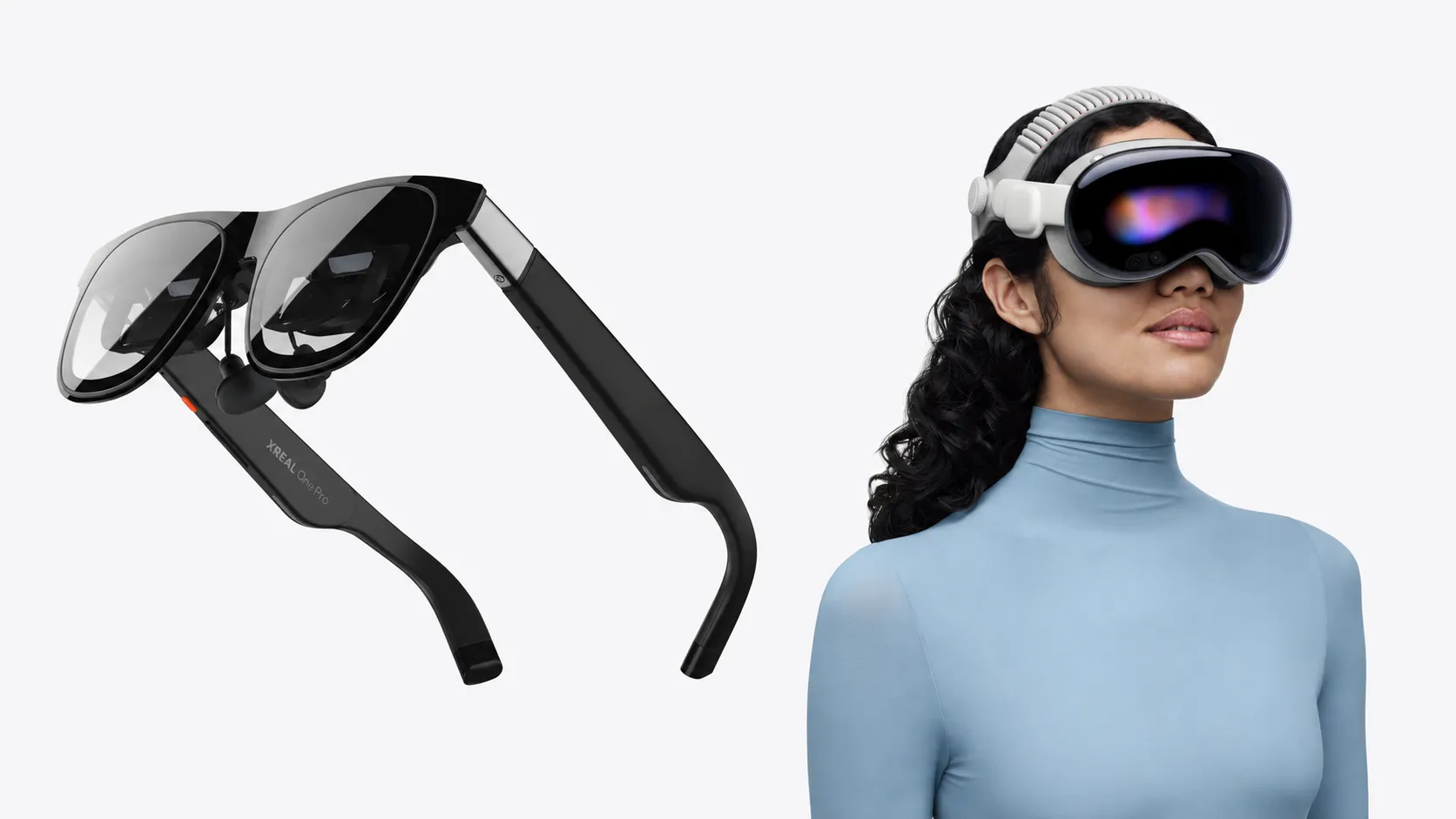
The scope is deliberate and broad. Any eyewear or headwear containing a camera, microphone, computer, or other recording-capable technology is prohibited, including prescription smart glasses, News10 reported this week. Signage already appearing on courthouse entrances tells affected visitors to bring a conventional pair as backup.
No professional role provides an exemption. The one-page memo from the Office of Court Administration, dated July 1 and sent to administrative judges and chief clerks, covers UCS employees, attorneys, litigants, witnesses, family members, and anyone entering a facility for any reason, News10 reported. All of them must surrender covered devices to uniformed court officers before being admitted.
The policy also makes technical compliance arguments beside the point. Meta's glasses are designed to stop recording when the capture LED is detected as covered, and the company announced an update to disable the camera if the LED is physically tampered with or destroyed, Engadget noted. None of that changes the outcome at the security checkpoint. Modified or supposedly compliant devices are barred at entry regardless.
Courthouse notices tell visitors who use prescription smart glasses to bring a conventional pair. The memo itself does not describe any accommodation process for people who rely on smart eyewear for assistive functions.
Why smart glasses required a separate policy: the enforcement gap
The core problem, as Daniel J. Siegel, chair of the Pennsylvania Bar Association's Committee on Legal Ethics and Professional Responsibility, described it two months ago, is visual. Smart glasses can be nearly indistinguishable from ordinary frames, making in-building enforcement of any recording ban practically unverifiable. "That's the hard part of all of this, how do you enforce it? It's hard to enforce no recording and other things because devices are very small," Siegel told Law.com.
The stakes in a courthouse are specific. A recording made during proceedings could identify jurors, capture witness testimony for public distribution, or intimidate participants. During a Pennsylvania hearing two months ago, one court official framed the principle directly: "There is no justice without courtroom safety," describing smart glasses as intimidating specifically because footage can be uploaded to the internet in near-real time, Law.com reported.
A February courtroom incident in New York put the risk in concrete terms. Members of a litigant's entourage entered a courtroom wearing Meta Ray-Ban glasses. No recording was confirmed, but the presiding judge issued a warning focused on the risk that jurors could be captured and identified, Engadget reported. That incident highlighted, in a visible and documented way, exactly the enforcement gap the July memo is designed to close.
The recording indicator that manufacturers cite as a safeguard has not reassured courts. As summarized by Barnes & Thornburg, citing BBC reporting, the LED on Meta's glasses can be covered or disabled, and none of the women covertly filmed by influencers in that investigation reported noticing the indicator light. For institutions where undisclosed recording carries legal consequences, a defeatable LED is not a workable compliance mechanism. Exclusion at entry is the only check a court officer can actually execute.
What the policy leaves unresolved
The surrender-for-safekeeping requirement raises practical questions that public reporting on the memo has not answered. How court officers will identify smart glasses, which can pass visually as standard frames, is unclear. Whether officers will ask screening questions, what happens when someone disputes a device classification, and what liability applies to surrendered devices are all open.
The harder gap involves people who rely on prescription smart glasses for assistive functions, including enhanced vision or hearing amplification. The policy, as reported, includes no disclosed accommodation process. Courthouse signage tells visitors to bring a conventional backup pair, but that assumes such a pair exists and performs the same function, which may not hold for everyone who appears in one of these 1,240 courts.
The memo's framing, that the ban enforces existing Civil Rights Law rather than creating new prohibitions, is legally coherent. Courts already prohibit recording; as Siegel put it, "a new technological tool shouldn't allow a loophole," Law.com reported. But closing the loophole at the door transfers the practical burden to visitors with prescription or assistive smart eyewear, and nothing in the public record addresses how those cases will be handled.
How other courts have been moving in the same direction
New York's statewide scope is what sets it apart, but the underlying logic had been developing for months before this week's announcements. Philadelphia's First Judicial District banned smart glasses from all courthouse facilities without prior court authorization in March. Montgomery County, Pennsylvania, followed with its own administrative order signed by President Judge Carolyn T. Carluccio in May, Law.com reported two months ago.
Federal and state courts have acted on their own timelines. The US District Court for the Western District of Wisconsin imposed a ban. Separately, Los Angeles County Superior Court Judge Carolyn Kuhl, presiding over the social media addiction trial against Meta, warned anyone recording proceedings to delete the material immediately or face contempt, Law.com noted.
What New York adds to this pattern is a centralized administrative mechanism. A single memo to all administrative judges and chief clerks, applied uniformly across 1,240 courts in 62 counties, replaces the patchwork of case-by-case and county-level orders. That model is the more consequential precedent for other state court systems watching this play out. Whether they follow will depend, in part, on how New York's implementation resolves the enforcement and accessibility questions the memo leaves open.
Those are the details that will determine whether this approach is replicable: how officers distinguish covered devices at entry, whether any accommodation pathway emerges for assistive eyewear users, and whether penalties for noncompliance are publicly defined. The rule itself is clear. The mechanics, not yet.






Comments
Be the first, drop a comment!