


Cirrus Let's Go Fly Apple Vision Pro App Turns Headset Into Aircraft Showroom
Cirrus Aircraft launched Let's Go Fly! on June 2, a free native Apple Vision Pro app built around a seven-minute immersive flight over the American Southwest in a Cirrus SR22T, followed by an augmented reality walkthrough of full-scale SR Series and Vision Jet models placed in the user's physical environment. The app is free on the App Store. It was built, according to Cirrus, specifically for settings where a real aircraft cannot be present: trade shows, premium retail locations, shopping centers, and weather-limited demo days.
That last detail is the whole story. Cirrus isn't releasing a consumer entertainment product. It's turning Vision Pro into a portable demo environment for a product that most prospective buyers will never sit inside before they decide whether to pursue a purchase. The headset becomes the showroom.
The launch fits into a growing cluster of aviation apps on Vision Pro, each targeting a different point in the pilot journey. Let's Go Fly! sits at the earliest and most accessible entry point: pure discovery, before anyone has touched a throttle or called a flight school.
What the Cirrus Let's Go Fly Apple Vision Pro app actually does
The experience has two distinct components. The first is passive: the seven-minute flight film, shot in 180-degree 3D video with spatial audio, available both streamed and downloaded for offline use, per the Cirrus announcement. Offline availability is a practical signal. It points toward controlled, venue-based deployment rather than casual home viewing, where a dropped Wi-Fi connection at an airshow booth would kill the demo.
The second component is interactive. Users can explore full-scale Cirrus SR Series and Vision Jet models in an augmented reality environment, per the same release. Cinematic opening, then hands-on product inspection. The sequencing is deliberate: build aspiration first, then let the prospect examine what they just experienced from the outside.
What the app is not: a flight simulator, a training tool, or anything close to cockpit instruction. Cirrus frames it explicitly as an introduction to "Personal Aviation" and a vehicle for growing the aviation community. It generates interest; it doesn't build pilots.
The film itself draws on Apple's Immersive Video format. Cirrus describes it as delivering "an exceptional and unexpected sense of presence," language that maps directly onto what the format is designed to produce. For aviation content specifically, that presence matters more than it would for, say, a furniture showroom. A Cirrus SR22T costs north of $900,000. What a prospect feels during those seven minutes is the entire point of the exercise.
The commercial logic: free as a sales infrastructure decision
CEO Zean Nielsen described the launch as "investing in immersive technology to bring Personal Aviation to the masses," but the use cases Cirrus enumerates are grounded in sales friction, not mass-market access, according to Cirrus. Weather-limited flight demo days. Trade shows. Premium retail locations where a real aircraft cannot be present. Cirrus removes the cost barrier entirely; no prospect is asked to pay for the privilege of being introduced to the product.
The practical scenario is concrete. A Cirrus sales team at a regional airshow runs the seven-minute Southwest flight on a Vision Pro, then moves into an AR walkthrough of the aircraft the prospect just experienced from the inside. No plane on the ramp, no weather dependency, no ferry cost. The qualification conversation starts from a very different place than it would from a brochure or a static photo.
The contrast with Flight Sight, the platform's other prominent aviation app, makes Cirrus's pricing choice legible. Flight Sight, from Rogue Labs, combines Apple Immersive Video footage with scalable 3D helicopter models and spatial airport procedure maps, and costs $9.99 with additional in-app purchases to unlock training content, as reported by 9to5Mac seven months ago. The two apps have different conversion goals. Flight Sight charges upfront because its value is ongoing training content; users are paying for an educational product. Cirrus charges nothing because the conversion event isn't a download or a content unlock. It's a follow-up call with a sales representative. The app is marketing infrastructure, and its price reflects that exactly.
This model has a recognizable profile for where it applies. High purchase price, physical inaccessibility at the point of sale, and an experience gap large enough that seeing it described is nearly useless compared to inhabiting it. Aircraft sit at the extreme end of that profile. But the template is legible enough to recognize in high-end marine, custom real estate, and luxury automotive contexts anywhere the demo problem looks structurally similar.
Why Vision Pro and not a cheaper headset
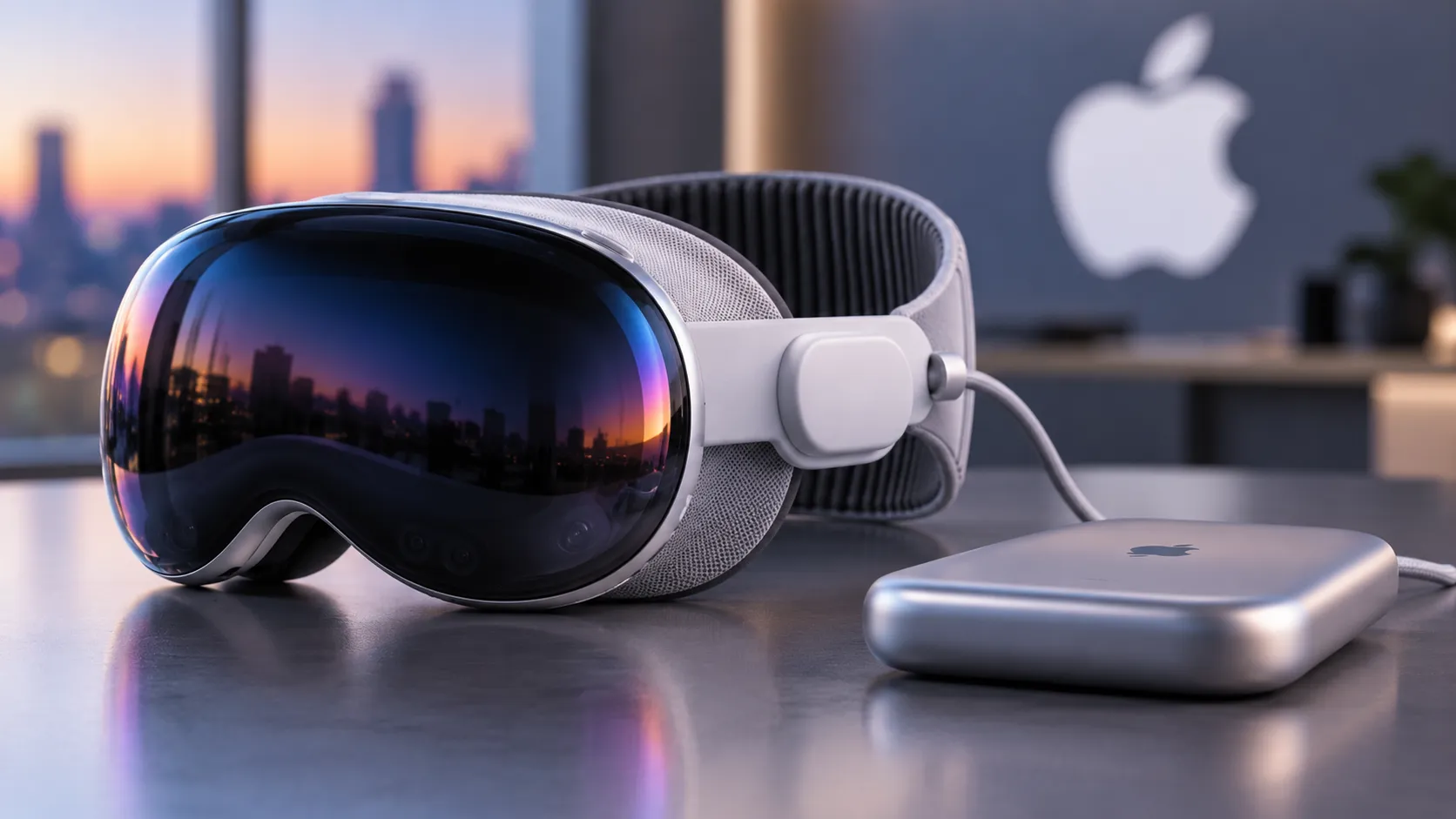
The platform choice carries as much weight as the pricing decision. Apple Immersive Video runs at 180-degree stereoscopic 3D with 4K×4K per-eye resolution, 90FPS, HDR, and spatial audio, according to UploadVR seven months ago. Separately, 9to5Mac describes the format as creating "an unparalleled sense of presence" and the most engaging way to consume content on the headset. Cirrus built its film directly into that format.
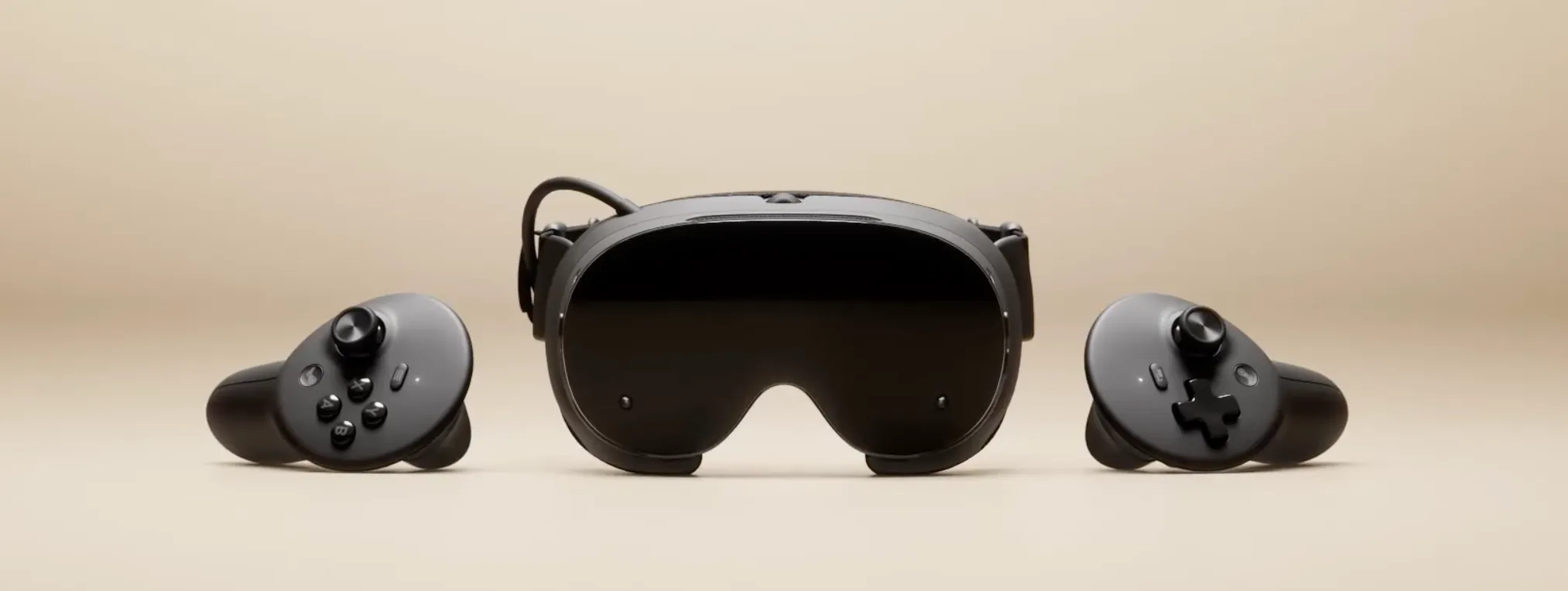
The display quality argument has direct precedent in aviation content. Barnes, founder of Rogue Labs, said the team previously attempted comparable experiences on Meta Quest but ran into hard limits on display quality that Vision Pro cleared, per 9to5Mac. That's a developer who built aviation immersive content on both platforms and chose Vision Pro for the results, not the install numbers. Cirrus is making the same call.
Vision Pro also arrives at this moment with a credible aviation foundation already in place, which matters for where Let's Go Fly! sits in the broader ecosystem. ForeFlight Voyager lets users explore airports in 3D with live air traffic and real-time ATC audio, per the App Store listing. Flight Sight brings immersive helicopter training footage and spatial procedure maps to student pilots who need to visualize flight patterns before they fly them, according to 9to5Mac. X-Plane 12 is expected to reach the platform through a visionOS companion app using NVIDIA CloudXR 6.0, pending the visionOS 26.4 release, 9to5Mac reported three months ago.
That stack runs from pre-discovery all the way through serious simulation. Let's Go Fly! is the front door.
What the launch does and doesn't prove
Let's Go Fly! demonstrates a specific go-to-market structure: a premium physical product, a production-quality immersive asset, a free price point, and a deployment strategy built entirely around venues where the real thing can't show up. Whether that structure generates completed demos or actual sales inquiries is unknown at launch and may never be publicly disclosed, per the Cirrus release.
The more useful question is what follows from here. Does Cirrus expand beyond a single seven-minute film, adding routes, aircraft variants, or updated AR models as the product line evolves? Do competing manufacturers look at this and build comparable experiences, or does the production cost and platform specificity keep the field thin? The real test will come at trade shows, where the app is designed to operate. If it generates qualified leads, the format will spread. If it draws curious headset owners who wander off without a follow-up conversation, the experiment ends quietly.
What the launch does establish, without speculation, is that Apple's Immersive Video format is capable enough to anchor a serious commercial strategy. A company selling aircraft priced for a narrow, affluent buyer did not choose this platform casually. The production investment and the deliberate free pricing both point toward an organization that ran the numbers on where Vision Pro fits in its sales process and decided it was worth building for.
Anyone with an Apple Vision Pro can download the app now and find out what seven minutes over the Southwest in a Cirrus feels like. Whether a sales conversation follows is between them and the rep.






Comments
Be the first, drop a comment!