


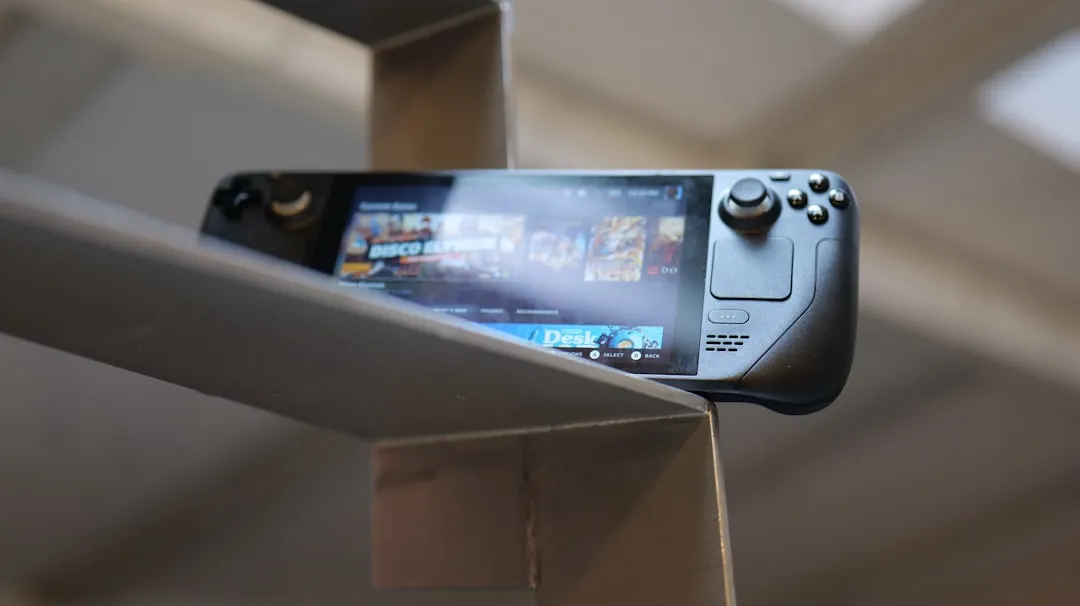
Valve Steam Machine Summer Launch: What's Confirmed and What's Missing
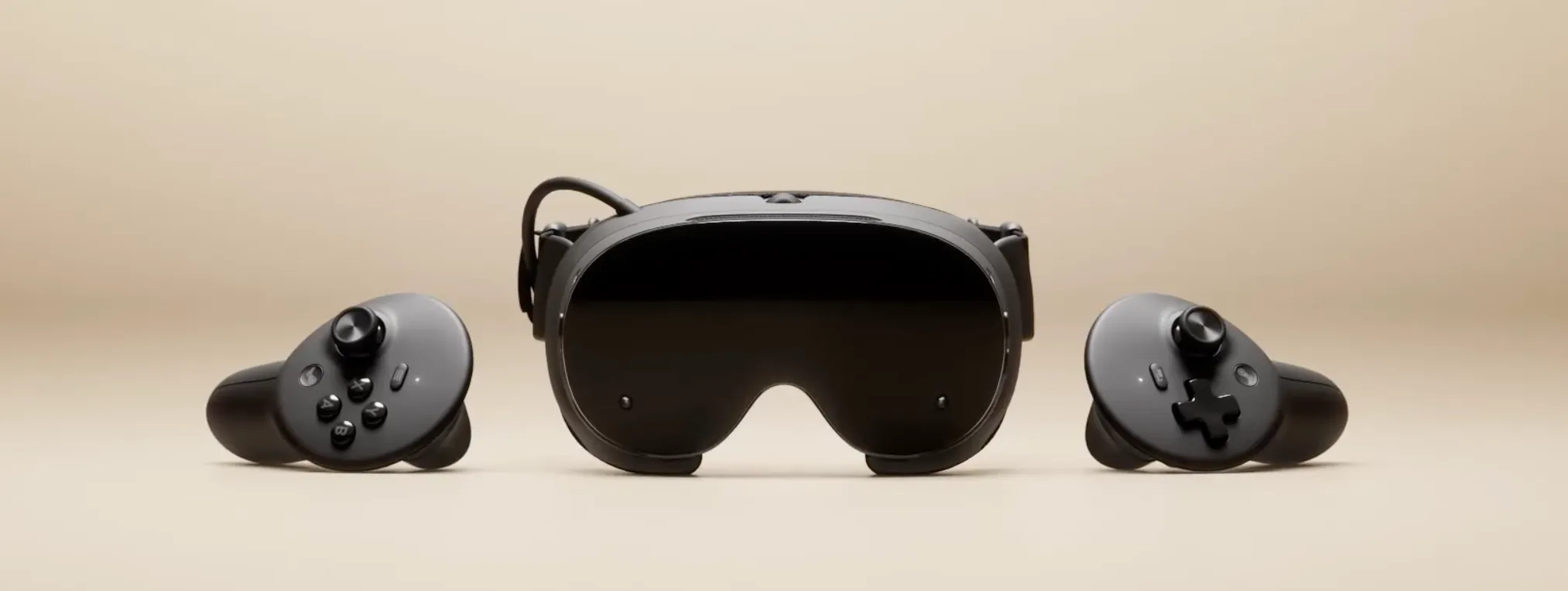
Valve said this week that the Steam Machine and Steam Frame VR headset will both launch "this summer," the company's most specific timing commitment since it announced the hardware last November. The statement didn't come from a press release. It appeared at the end of a developer-facing blog post detailing new Verified certification programs for both devices, The Verge reported which is exactly why it carries more weight than a marketing announcement would.
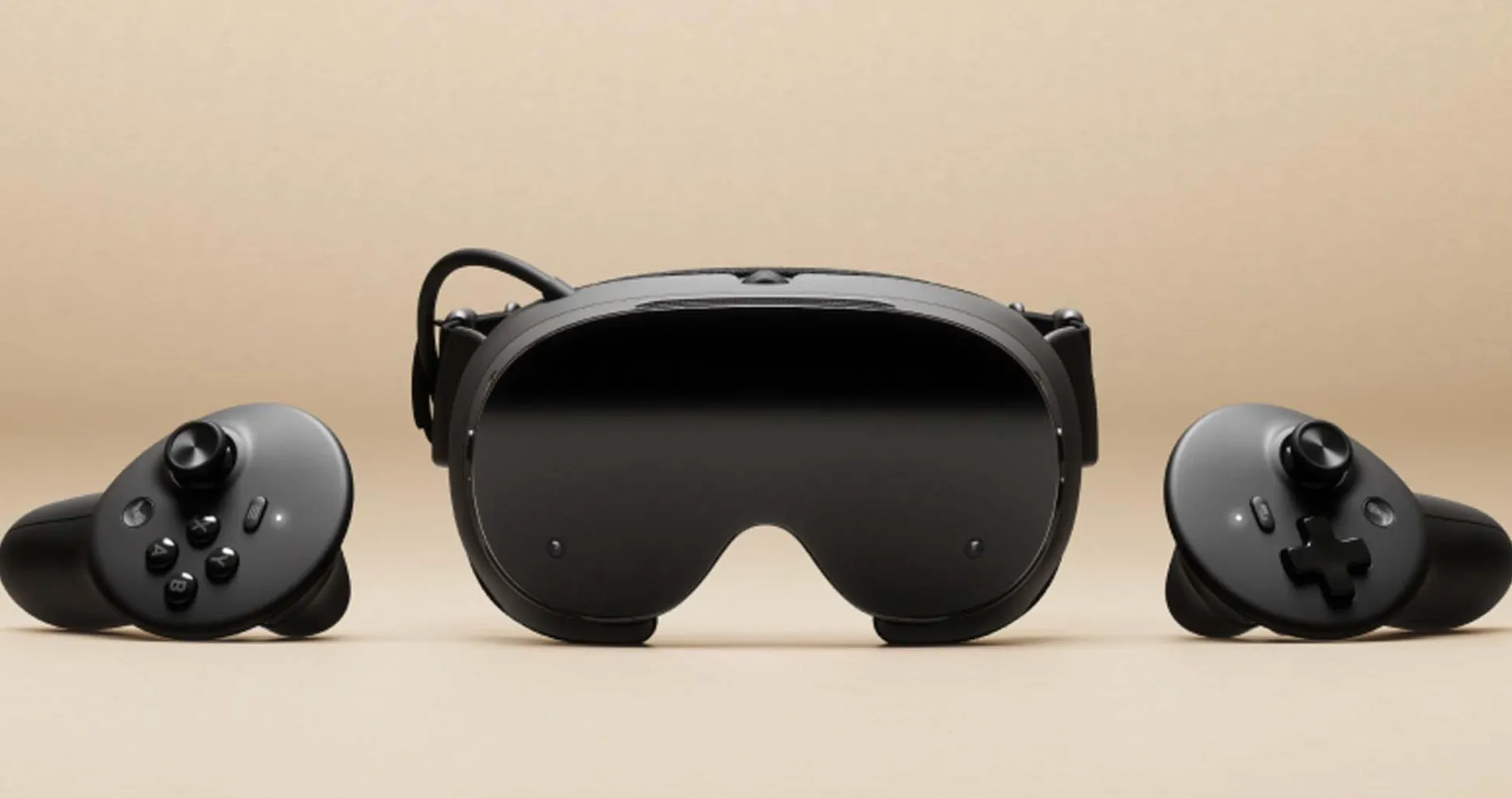
The two products are not in the same position. The Steam Machine is a living-room PC with a relatively clear software story. The Steam Frame is a VR headset that has already forced Valve to acknowledge it was "revisiting" both its schedule and its pricing, driven by a global shortage of the memory components the headset requires, VR.org reported last month. Buyers are effectively watching two separate launches under one announcement.
The Steam Controller, the third product in the lineup, shipped in early May and sold out quickly, according to VR.org. It confirms at least one piece of this hardware strategy is already in market. The bigger question what the Machine and Frame will actually cost, and when exactly they'll ship remains unanswered.
What Valve's Steam Machine launch date update actually confirms
The blog post itself is the signal worth paying attention to. It wasn't a launch announcement; it was a technical document laying out new Verified certification programs for both devices, structured closely after the Steam Deck Verified system. Companies don't build developer certification infrastructure for products that aren't close, and Valve doesn't move through these steps casually.
For the Steam Machine, Valve says it's testing every title that previously fell below Deck performance thresholds. Given that the Machine is roughly six times as powerful as the Deck, The Verge reported, many of those borderline games are expected to clear the bar. The goal is a well-labeled, large compatible library ready at launch.
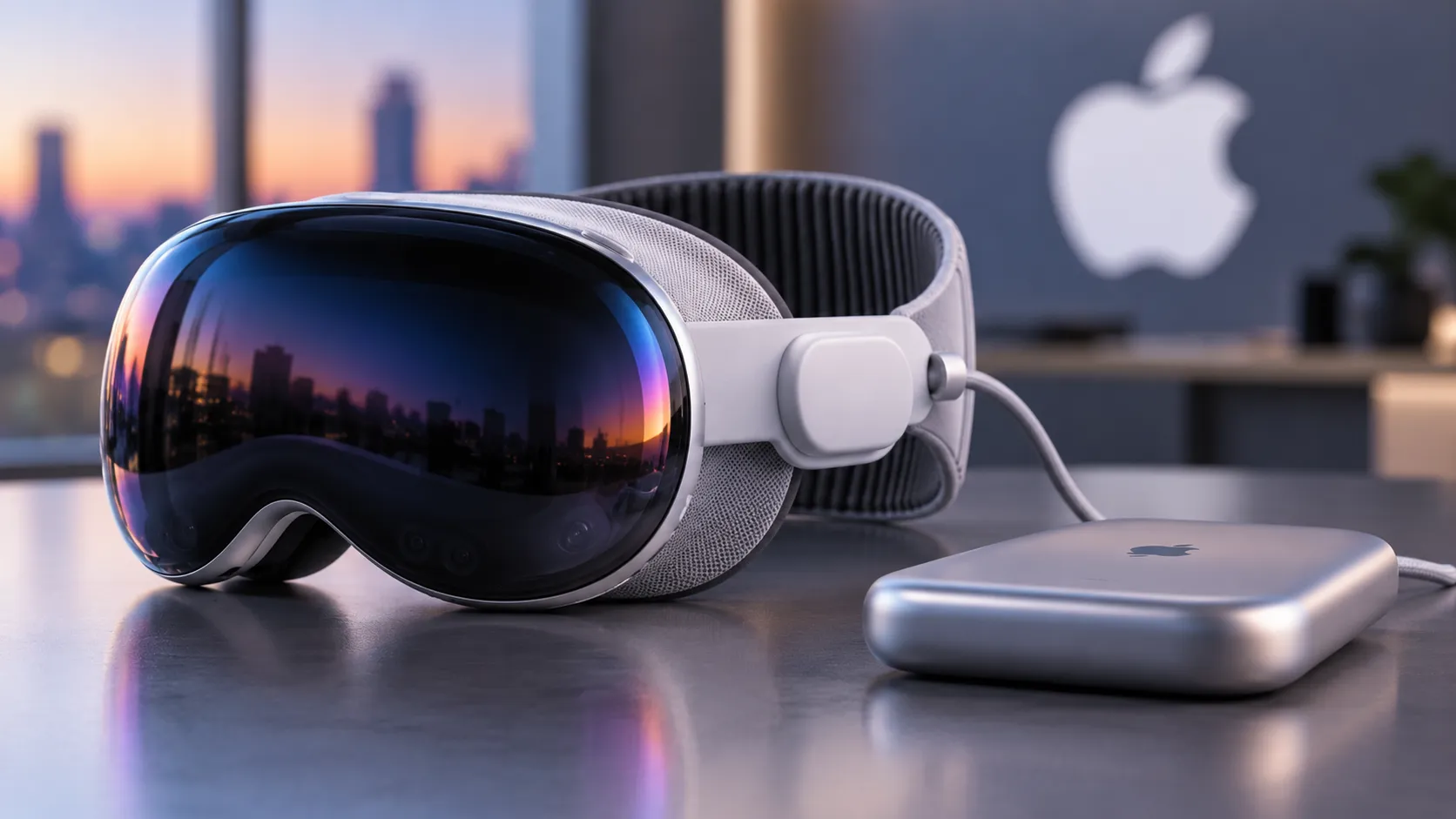
The Steam Frame Standalone Verified badge is narrower. It covers only games running natively on the headset's internal hardware, with minimum requirements of 90 FPS for VR titles and 720p at 30 FPS for flatscreen games criteria Valve laid out at GDC 2026 in March, VR.org reported. The Frame is also listed as "coming soon" on the Steam backend, a status VR.org noted Valve doesn't apply without intention.
There's a catch worth understanding. The Frame's headline capability is a 6GHz wireless adapter that streams a full Steam library from a PC or Steam Machine with minimal latency, per VR.org. When streaming, the Verified program doesn't apply at all compatibility in that mode depends on the connected PC, not the headset's internal chip. Valve's certification covers the standalone experience; the use case most Steam users will actually rely on has no quality label attached. Reviewers and buyers may end up weighting those two experiences very differently.
Price, supply, and the RAM shortage that could still blunt the launch
The most significant unresolved risk isn't Valve's readiness. It's components. A global shortage of LPDDR5X RAM and high-speed storage, driven by surging AI infrastructure demand, has already pushed Valve to publicly acknowledge it was "revisiting" both the Frame's schedule and its pricing strategy, VR.org reported. The Steam Deck OLED has gone out of stock across multiple regions for the same reason; the Frame and Deck share a 16GB LPDDR5X memory configuration that AI data centers are currently buying in bulk.
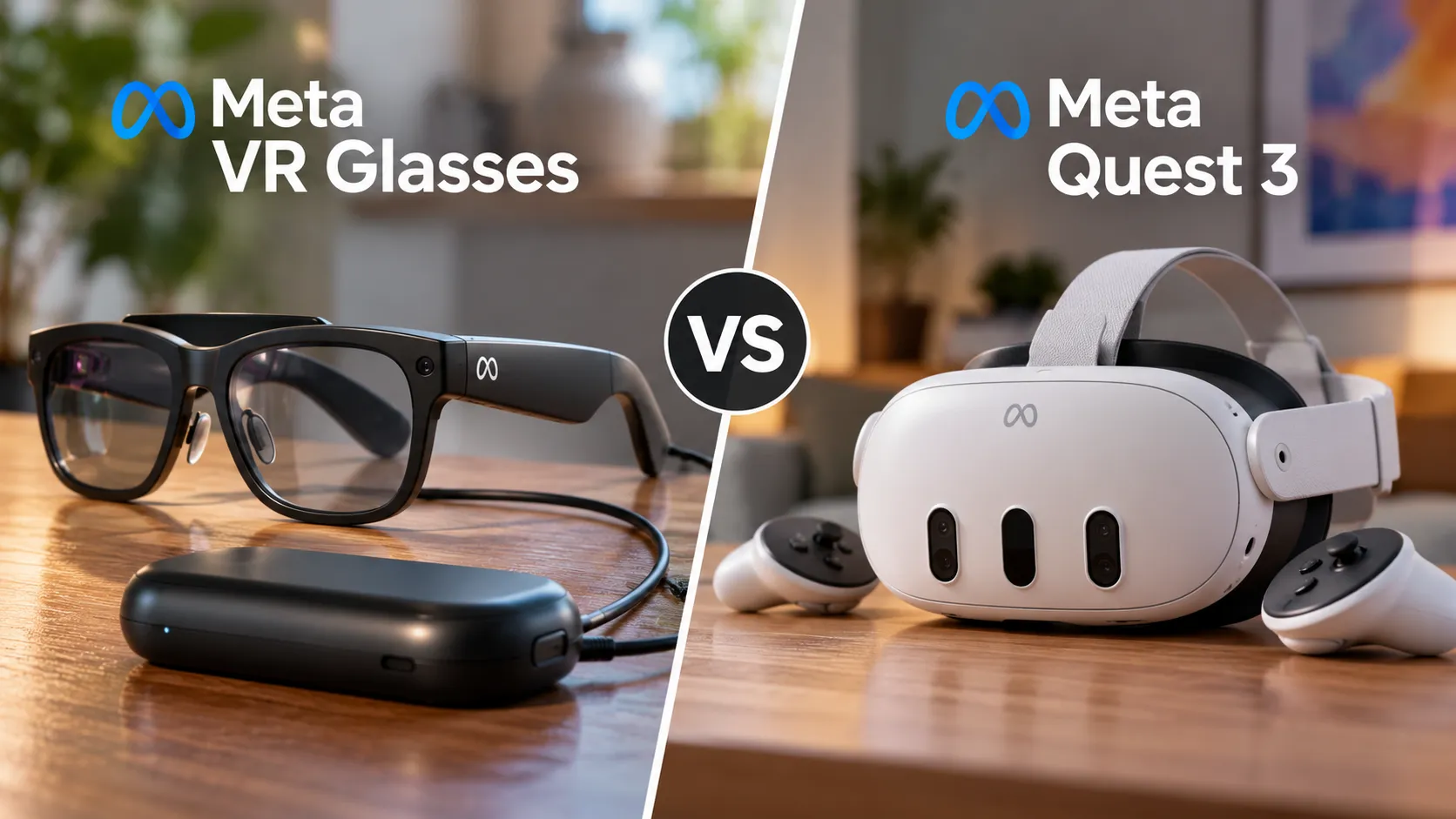
The pricing implications are concrete. Valve originally indicated the Steam Frame would be cheaper than the Valve Index, which launched at $999 in 2019. If component costs push the headset to $799-$899 instead of the $599-$699 range many expected, it occupies a substantially different market position, VR.org noted sitting well above the Quest 3 at $499 and the Quest 3S at $299, both of which already have established content libraries and brand recognition behind them.
The shortage isn't unique to Valve. Samsung's Galaxy Glasses, Apple's upcoming smart glasses, and next-generation Quest hardware all depend on the same components, per VR.org. If it holds through the rest of 2026, most major XR hardware launches face some version of the same schedule-versus-price tradeoff.
Import records add a data point, though not a definitive one. A roughly 12.5-ton shipment classified as "Game Console" arrived at a Valve logistics address from China-based Tech-Front Chongqing Computer Co. on May 20, Notebookcheck reported. The same customs classification covers Steam Deck inventory, so this is supporting context rather than confirmation of either new product specifically.
For the Steam Machine, Valve's stated position on pricing is that it will be "comparable to a PC with similar specs," The Verge reported last November. That's a transparent answer. It's also not a reassuring one for buyers hoping for something closer to console economics.
Why this time has to land differently than 2015
Valve has been here before. The original Steam Machines launched in 2015 through a range of third-party hardware partners and failed badly enough that Valve eventually walked away from the brand entirely. Valve veteran Pierre-Loup Griffais acknowledged as much when the new hardware was announced last November: "Those didn't go too well," he told The Verge.
The structural difference this time is the same factor that helped the Steam Deck succeed: Valve controls the hardware, the operating system, and the software stack end-to-end. Hardware engineer Yazan Aldehayyat described the goal to The Verge as "the easiest PC gaming experience we can give our customers," with background updates for the OS, games, and cloud saves keeping everything current without user intervention. The 2015 failure was partly a fragmentation problem; Valve is trying to eliminate that by owning the whole product.
VR.org reported that journalists who visited Valve's headquarters came away with positive impressions of both devices. The historical problems that undermined the original Steam Machines fragmented hardware, compatibility gaps, a poor out-of-box experience are at least being addressed this time. Whether they've been solved won't be clear until the hardware ships and reviewers spend real time with it.
What still needs confirming before this becomes a purchase decision
This week's update moves the story forward in one specific way: "this summer" is the most precise timing language Valve has used, and the Verified program rollout signals active launch preparation rather than indefinite planning. VR.org also noted that Valve's Asian distributor KOMODO Station has listed all three new hardware products, which VR.org said has historically preceded availability.
What remains open: no confirmed price for either device, no specific date within summer 2026, no confirmed regional rollout, no announced standalone game count for Steam Frame at launch, and no official guidance on what buyers should expect from the streaming experience that will define how most people actually use the headset.
Five things to watch: confirmed pricing for both devices, a specific release date, regional availability details, a count of Verified titles ready on day one, and particularly for the Steam Frame whether Valve addresses the streaming experience that its own certification program deliberately leaves unrated. The timing is now credible. Everything else is still missing.



Comments
Be the first, drop a comment!