



L'Atitude 52°N Smart Glasses vs Meta: Can the Camera Gap Be Closed?
A Berlin-based startup called L'Atitude 52°N is preparing to launch its first smart glasses at IFA 2025, betting that the one thing buyers reliably criticize about the category leader is also the one thing two hardware generations haven't fixed. The Ray-Ban Meta glasses have crossed 2 million units sold, according to The Verge, a genuine commercial milestone. But across multiple independent reviews, the camera output keeps drawing the same complaints. The L'Atitude 52°N smart glasses are explicitly targeting that gap.
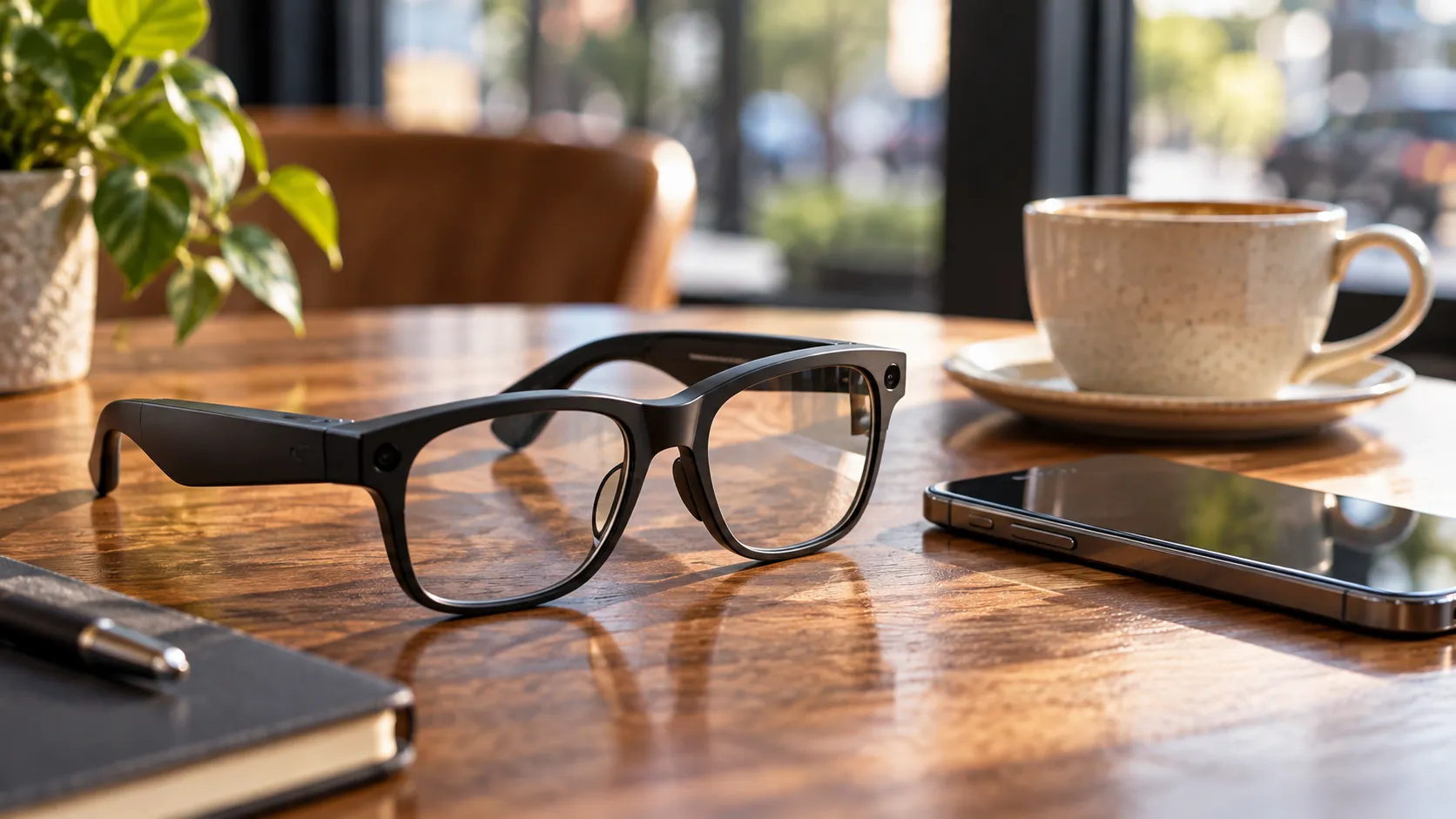
The Departure Collection debuts at IFA 2025 with three frame styles. The company's IFA exhibitor profile describes a POV camera that can switch between landscape and portrait capture, AI features without any stated account requirement, and frames designed to pass as ordinary eyewear. What's absent: sensor specs, resolution figures, battery data, pricing, or any independent verification. The gap in the market is real. Whether L'Atitude can fill it is a different question.
Camera quality is the obvious battleground, but Meta's account requirements create a second opening. Both are worth examining before IFA 2025 footage and pricing settle the debate.
Meta's camera progress has a ceiling built into the hardware
The Ray-Ban product line has covered real ground since 2021. Understanding where it stalled requires tracing the specific releases.
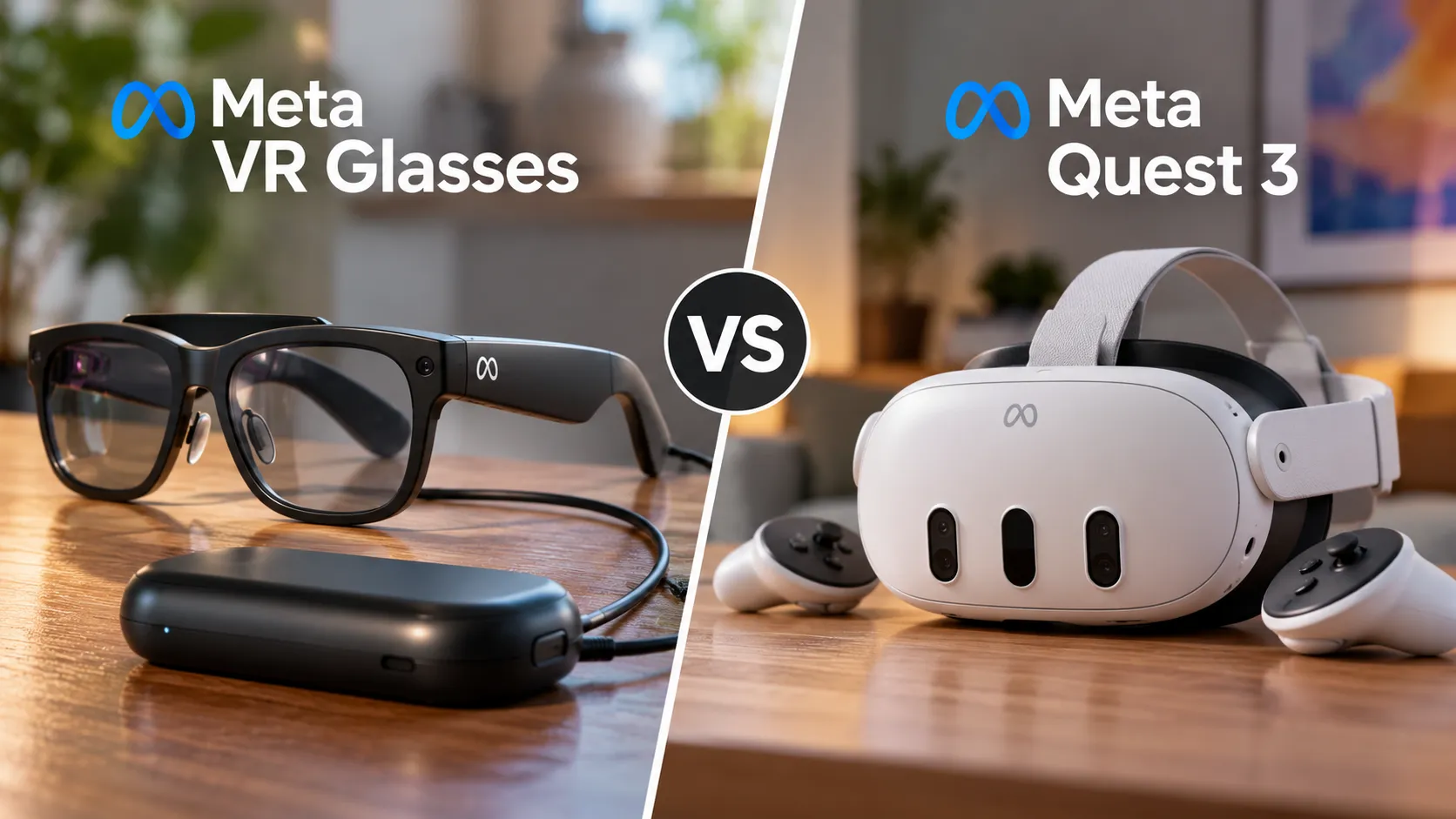
Ray-Ban Stories launched in 2021 with a 5-megapixel sensor. The first Ray-Ban Meta glasses, announced at Meta Connect in 2023, moved to a 12MP ultrawide camera and bumped photo resolution from 2,592 x 1,984 pixels to 3,024 x 4,032, per The Verge. The second-generation Ray-Ban Meta, reviewed by The Verge last year, pushed video to up to 2,203 x 2,938 at 30fps, up from 1,440 x 1,920 on the first-generation model, but still uses the same 12MP sensor, according to that review. Meta continues to list a 12MP camera despite the higher video resolution.
The practical result isn't just a spec complaint. Gen 2 footage can still be nauseating to watch because the lens is strapped to a moving head, as The Verge noted. A Digital Camera World hands-on of the first-generation model found that image stabilization still failed to prevent blurry shots in low light, and concluded that "most photographers will be disappointed," per Digital Camera World. That review covered the prior hardware, but the sensor hasn't changed. Whether the limitation persists to the same degree in Gen 2 remains subject to reviewer testing.
Where Meta genuinely improved is battery. Gen 2 promises eight hours of use, twice the previous generation, with the charging case adding another 48 hours and capable of pushing the glasses to 50 percent charge in 20 minutes, according to The Verge. The reviewer found that claim held up across a full day of use. Battery had been a consistent friction point. Capture quality has not seen the same fix.
What the L'Atitude 52°N smart glasses camera claims would need to prove
L'Atitude 52°N's most specific differentiator is orientation switching: the POV camera can move between landscape and portrait capture without the wearer repositioning anything, according to the company's IFA exhibitor profile. That targets something concrete. Meta's current glasses are primarily pitched around vertical-first social capture, which works for Reels and TikTok but limits anyone who wants wider framing for travel footage, documentary-style clips, or content that will need to live in multiple aspect ratios. A camera that handles both orientations on command could give creators something a phone mounted to a selfie stick cannot: framing flexibility without breaking stride.
Orientation switching is one axis of a "better camera" argument. The full checklist is longer. Stabilization determines whether footage is actually watchable. Low-light performance is where Meta has the most documented failures. Image processing and color output affect whether clips need heavy editing before they're usable. And the ease of getting footage off the device matters as much as the capture itself. Since L'Atitude's IFA 2025 debut, the company still has not published sensor specifications, sample footage, or resolution data. None of those criteria can be evaluated from a product description alone.
The platform dependency question adds a separate dimension to the L'Atitude 52°N vs Meta smart glasses comparison. Using the Ray-Ban Meta glasses requires a Meta account, the Meta AI app installed on a paired phone, and agreement to eight consent documents, two mandatory and six supplemental, according to The Verge. L'Atitude's available materials mention no comparable account requirements. That could matter to buyers already wary of Meta's data practices. It also means nothing concrete has been disclosed about app dependency, whether processing happens locally or in the cloud, or how user data is handled. That's not a clean win for L'Atitude; it's just an unanswered question that will need to be answered before the glasses earn wider trust.
Then there's price. Meta's Gen 2 starts at $379, per The Verge. L'Atitude has disclosed nothing. Whether this product competes as a mass-market alternative, a premium design-forward option, or a creator-focused niche entry depends almost entirely on a number that doesn't exist publicly yet.
What still needs to happen before this is a credible Meta competitor smart glasses challenge
The argument L'Atitude is making is plausible. It maps onto real, documented weaknesses. None of it has been tested.
Independent footage is the minimum threshold. Meta's camera problems are established through reviewer testing, not manufacturer claims. The same evidentiary standard applies to any challenger claiming to do better. Orientation-switching functionality, low-light output, and stabilization quality all need to be evaluated on actual recorded clips, and none of that exists in the public record yet.
A competitor doesn't need to beat Meta on every dimension to find an audience. The narrower version of this argument is actually sharper: a product that pairs genuinely usable capture with fewer platform strings attached and frames that don't read as a conspicuous gadget would target buyers Meta is currently underserving. Digital Camera World observed that the category could evolve meaningfully for photographers and content creators if someone paired AI features with a better sensor in a small, wearable footprint. That's exactly the product L'Atitude is describing. The description and the delivery are two different things.
IFA 2025 was where L'Atitude moved from an interesting angle to a testable product. What comes next, independent reviews with footage, confirmed pricing, and clear answers on app dependency, is where this either becomes a real alternative to Meta or stays a well-positioned story. The opening exists. The proof is still pending.




Comments
Be the first, drop a comment!