


Pennsylvania smart glasses recording light law: a meaningful floor with a critical gap
Pennsylvania state Rep. Joe Ciresi introduced House Bill 2603 last Thursday, requiring smart glasses manufactured, sold, or used in the state to display a visible indicator whenever they record or stream audio or video. Disabling or covering that indicator would be illegal under the bill. No equivalent requirement exists at the federal level; the U.S. has no national standard obligating wearable device makers to include recording indicators at all, Android Authority reported this week.
The bill would create something that doesn't currently exist anywhere in U.S. law: an affirmative obligation to signal when wearable glasses are recording. Whether that obligation would translate into bystanders actually knowing they're being recorded is a separate question, and the research record on that point is not encouraging.
Key details that would determine real-world effect, including what brightness, size, or placement qualifies as a compliant indicator and what penalties apply for violations, are not described in the publicly available press materials and coverage reviewed for this article.
What H.B. 2603 would actually require
The core obligation is straightforward. Under the bill, smart glasses would need a visual indicator that activates during recording or streaming, and deliberately disabling or obscuring it would be prohibited, per the PA House press release. Retailers selling these devices in Pennsylvania would also be required to inform buyers of the state's recording laws at the point of sale, so purchasers understand their obligations before they leave the store, per ABC27.
Ciresi, the majority chair of the House Communications and Technology Committee, said the legislation would fall under Pennsylvania's existing wiretapping laws rather than create a new regulatory regime, per the PA House press release. The framing is deliberate: this is an extension of established consent-based recording law to a new class of device, not a fresh legal framework built from scratch.
The bill applies only within Pennsylvania. Manufacturers may opt not to sell non-compliant devices in the state, though users who bring those devices into Pennsylvania would still be subject to state law regardless of where they were purchased, Android Authority reported.
Why the baseline matters now
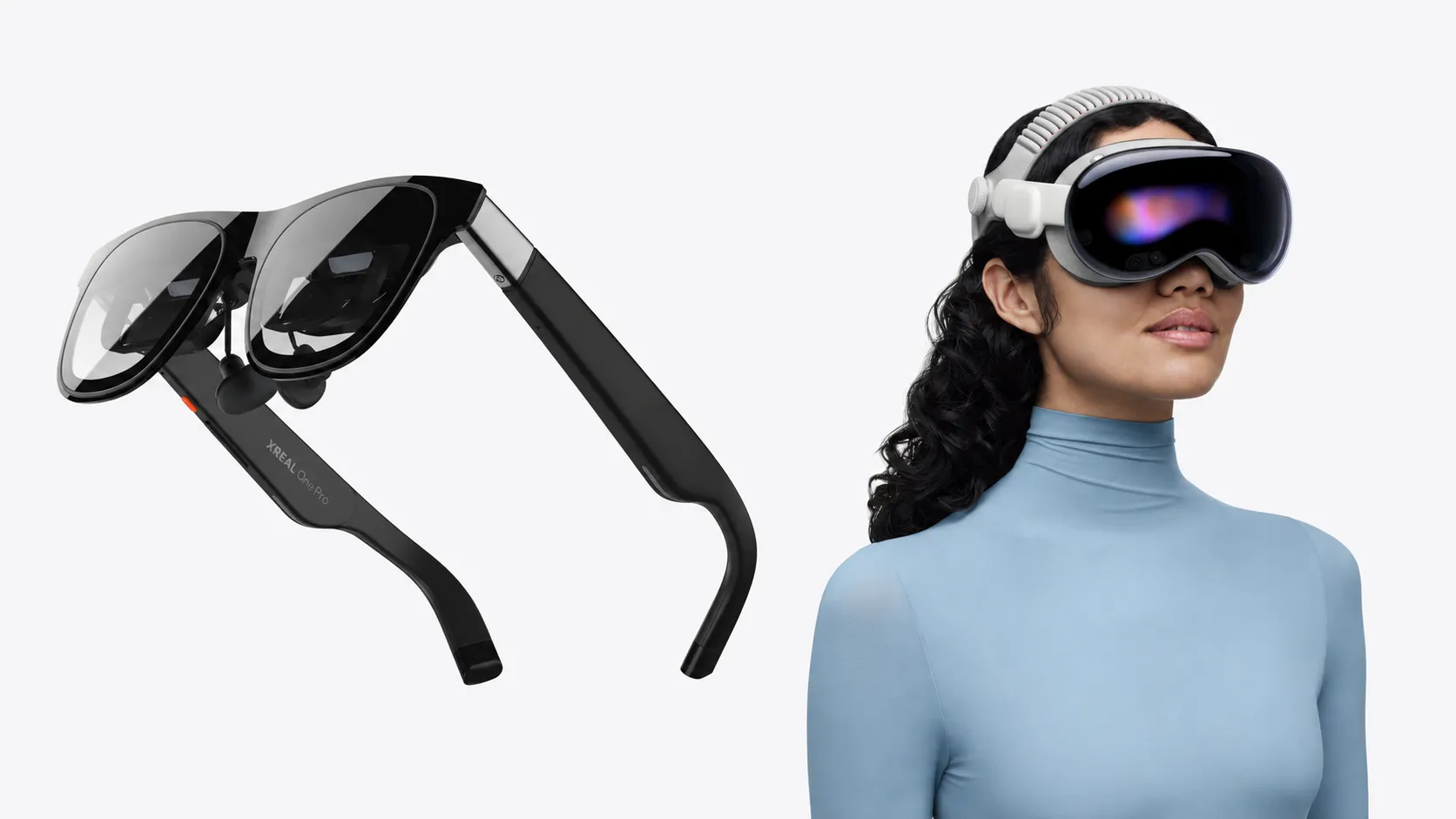
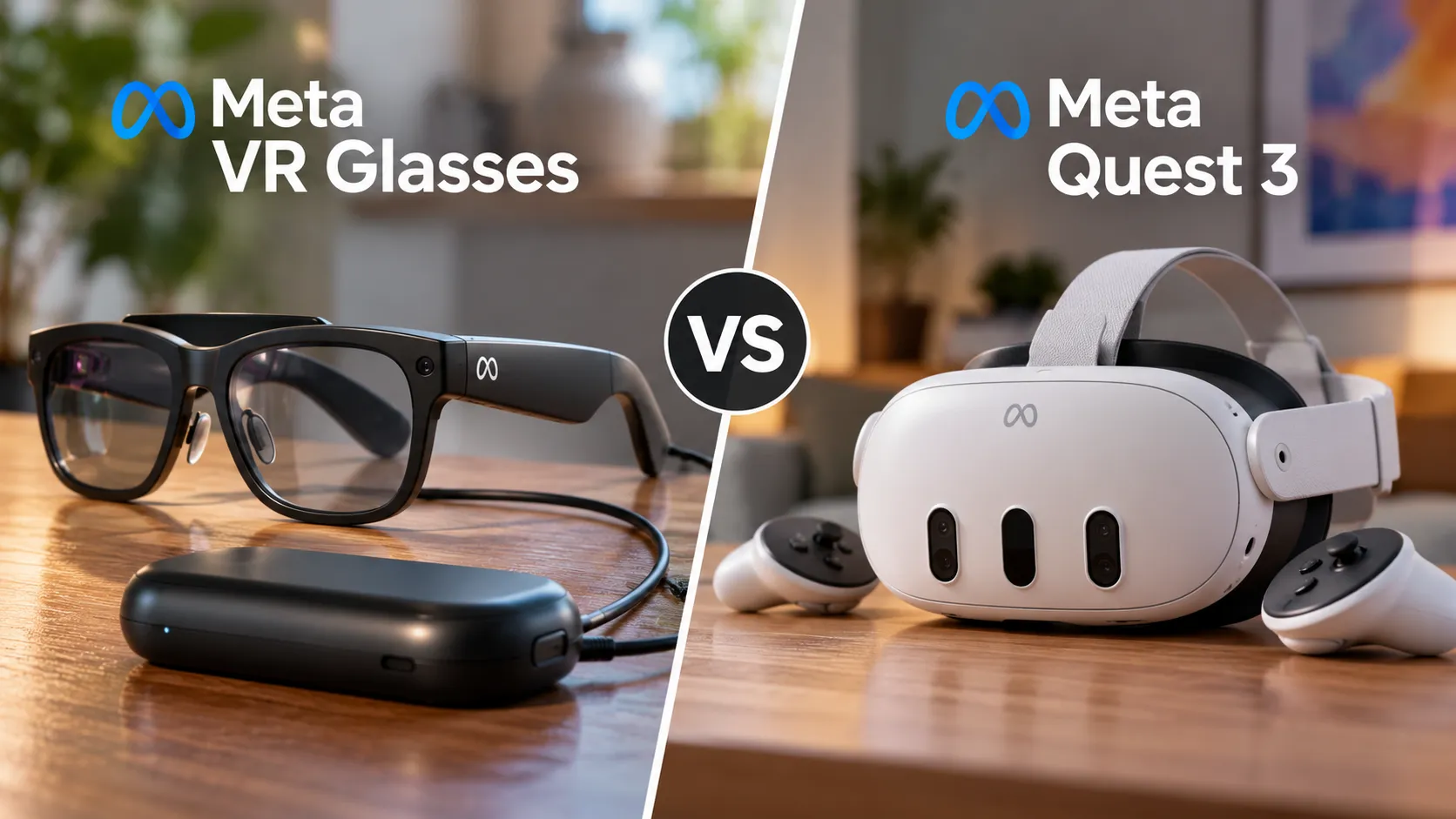
Most smart glasses currently on the market, including Meta's Ray-Ban line, already ship with built-in recording indicator lights. But nothing in U.S. law prevents a manufacturer from dropping that feature in a future model, Android Authority noted. The voluntary compliance that exists today persists entirely at manufacturers' discretion.
Ciresi put the concern directly in his bill introduction: "Smart glasses are an innovative technological advancement, but their design also allows them to easily record or stream without anyone noticing," per the PA House press release. Wearable cameras that look like ordinary eyewear are the specific design problem the bill tries to address.
The potential misuses Ciresi identifies go further than covert recording. He named real-time facial recognition as a scenario the bill aims to guard against, where a wearer could silently identify strangers without their knowledge or consent. The Electronic Frontier Foundation described adding facial recognition to smart glasses as something that would "obliterate the privacy of everyone," EFF wrote earlier this year.
An indicator light doesn't address that scenario. A light signals that capture is happening; it says nothing about what the device is doing with what it sees.
Why existing smart glasses recording lights may not give bystanders meaningful notice
The visibility problem isn't new, and it isn't theoretical. When the original Ray-Ban Stories launched, digital rights group Access Now noted that the only recording signal was a small white LED that couldn't be seen from a distance in daylight, per Access Now's 2021 privacy review. Ireland's Data Protection Commission asked Facebook to demonstrate that the light provided effective notice to bystanders, Access Now reported.
Research published two years ago confirmed the problem from the other direction. A peer-reviewed diary study found that people who actually use camera glasses consider existing privacy indicators ineffective. Participants said the devices' design and appearance conceal the recording function from nearby people who don't know what to look for, and that failure had real consequences: wearers reported feeling emotionally burdened with protecting bystanders' privacy themselves, because no reliable technical mechanism existed to do it for them, per the ACM CHI Conference study.
That's the practical weight of the finding. When indicators fail, the burden of notice doesn't disappear; it shifts to the person wearing the device.
H.B. 2603 would make an indicator legally mandatory, which matters because that requirement doesn't currently exist. The problem the Access Now critique and the ACM research together identify is a floor without a height requirement. A law mandating "a visual indicator" can be satisfied by the same barely-visible LED that regulators in Ireland were already questioning in 2021. Based on the public descriptions available, it is unclear whether the bill would rule out that kind of indicator.
What a mandatory light doesn't cover
Two broader concerns sit outside the bill's scope, and they're worth separating cleanly.
First, facial recognition. A recording light signals that the camera is active. It doesn't signal that the device is running identification software against faces in the frame. H.B. 2603 is a notice law; surveillance capabilities that operate alongside recording without separate disclosure fall outside what the bill addresses.
Second, data retention. Audio from interactions with Meta AI on the Ray-Ban glasses is saved by default; users who don't want that must manually delete recordings each time, and Meta may review interactions through automated or human means, according to EFF. The bill doesn't reach those data-governance questions. A light tells a bystander they may be recorded; it says nothing about where that recording goes or how long it stays there.
These aren't criticisms of H.B. 2603 so much as boundary markers. Ciresi's bill targets one specific problem: covert recording without notice. It doesn't claim to be a thorough answer to AI-enabled surveillance in wearable devices.
The question the bill leaves open
Under H.B. 2603 as described, manufacturers would be responsible for building in a compliant indicator, retailers would carry a disclosure obligation at point of sale, and users would be prohibited from disabling the indicator. What wouldn't change for people encountering these devices in public is the underlying difficulty of identifying, in real time, whether a pair of glasses is recording.
The ACM research makes a specific point relevant here: the burden of protecting bystanders currently falls on wearers precisely because the technical mechanisms fail, per the ACM CHI Conference study. A mandatory indicator that fails the same way relocates legal responsibility without solving the practical problem. That is where the specificity of any final standard will matter most.
With no federal framework in sight, Pennsylvania's proposal tests something worth watching: whether state-level hardware mandates can shape device design in a market where manufacturers currently set their own standards. If the bill passes, whether it changes anything for bystanders will hinge less on the existence of the requirement and more on what, exactly, it demands.




Comments
Be the first, drop a comment!