


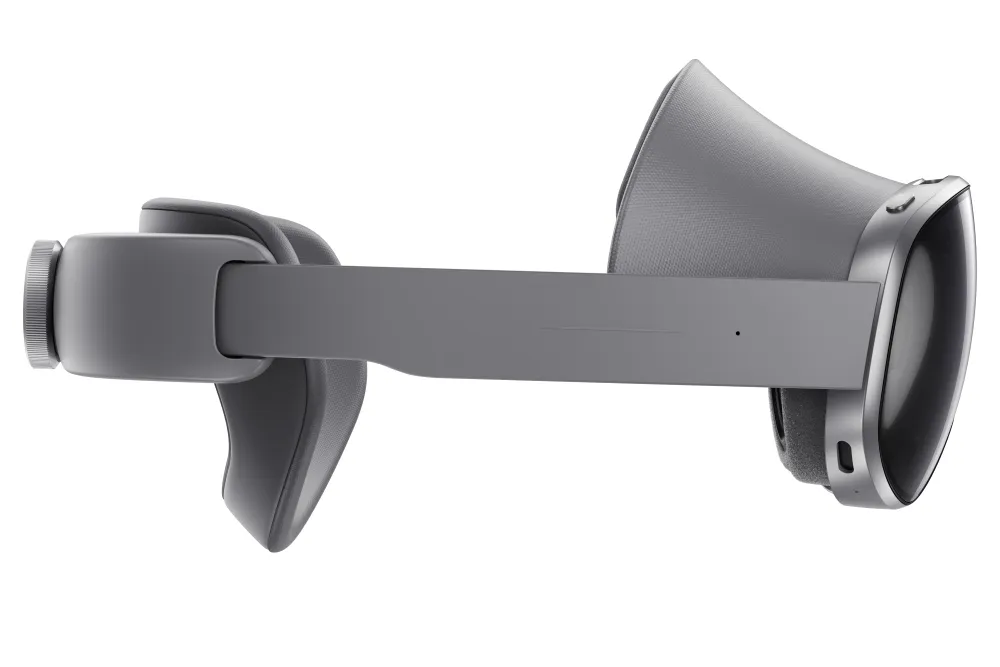
Samsung's Galaxy XR Headset Gets SmartThings Integration: Smart Home Meets Spatial Computing
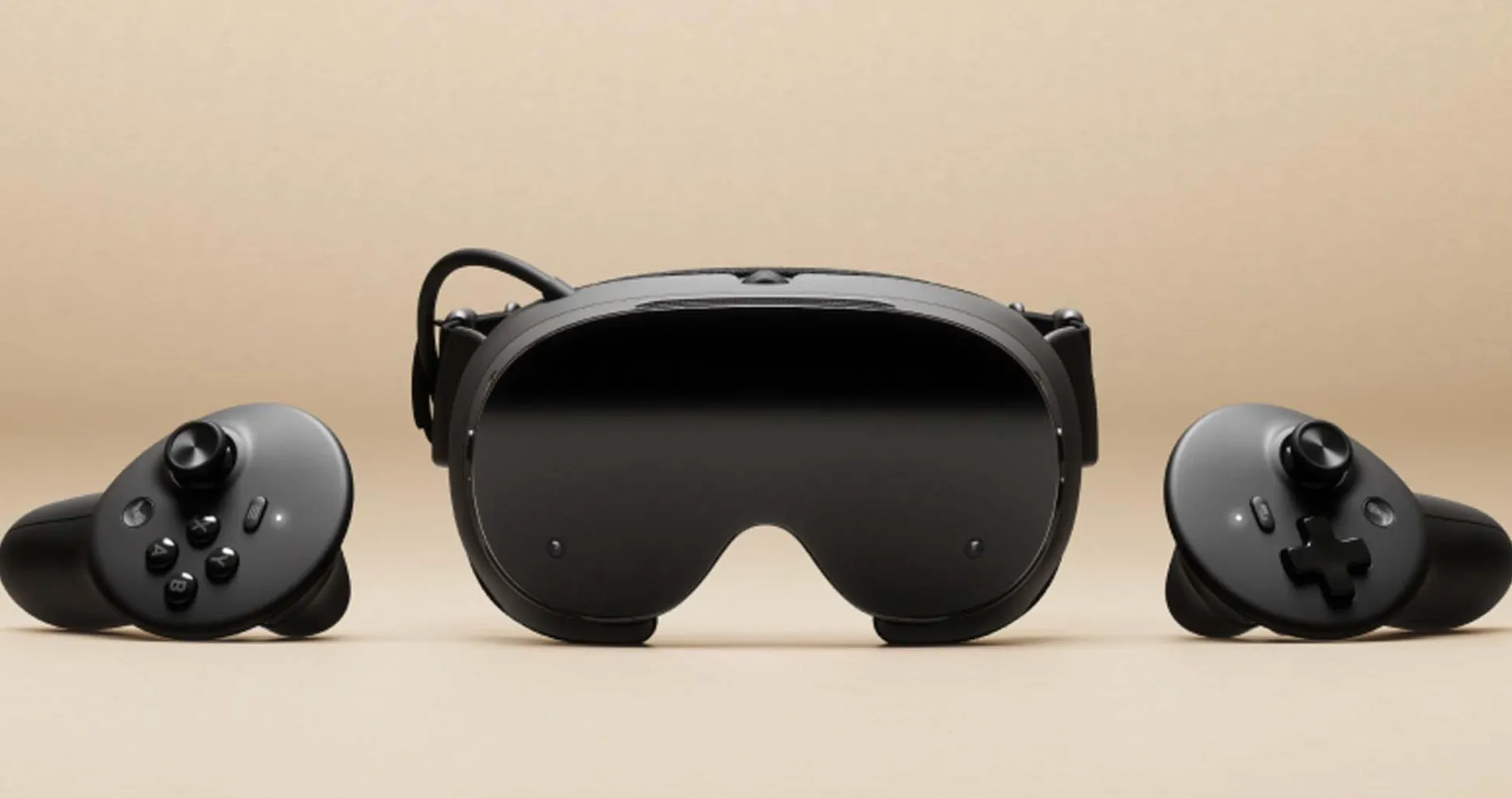
Samsung's Galaxy XR headset is about to blur the line between your smart home and mixed reality. According to Android Authority, the company is integrating SmartThings smart-home controls directly into the headset's interface, transforming what was primarily an entertainment and productivity device into a central hub for managing your connected home.
This isn't just another feature announcement—it's a signal that Samsung sees mixed reality headsets evolving from occasional-use gadgets into persistent, always-ready interfaces for daily life. The integration positions Galaxy XR as more than a competitor to Meta Quest or Apple Vision Pro; it's Samsung's bid to make spatial computing genuinely indispensable. For anyone who's invested in the SmartThings ecosystem—or curious about where mixed reality is headed beyond gaming and video—this development deserves a closer look at what it means for the headset's practical utility and Samsung's broader XR strategy.
Why smart-home control in a headset actually makes sense
The concept of controlling lights and thermostats through a VR headset might sound like a solution searching for a problem, but Samsung's approach reveals a more nuanced vision for mixed reality's role in everyday routines. Android Authority reports that the SmartThings integration will allow Galaxy XR users to access their connected devices without removing the headset, addressing one of the biggest friction points in current XR workflows: the constant need to break immersion for mundane tasks.
Think of it as eliminating the "one more thing" barrier—if you're already wearing the headset for work or entertainment, managing your environment becomes a natural extension rather than a separate chore. You're watching a movie in a virtual theater and the room gets too bright? Dim the lights without breaking the experience. Working in a virtual workspace and need to adjust the temperature? Handle it without pulling out your phone or taking off the headset.
But the convenience story goes deeper than individual comfort. For users with mobility limitations, the ability to control their entire home environment from a single interface—one they're already wearing—could represent a meaningful accessibility improvement over juggling multiple apps or physical controls. In multi-user households, spatial interfaces could make it clearer who's adjusting shared devices, reducing the "who changed the thermostat?" friction that plagues families. These aren't hypothetical benefits; they're practical extensions of the core convenience proposition that reveal why Samsung might be onto something substantive here.
The implementation suggests Samsung is betting on mixed reality headsets becoming ambient computing devices, worn for extended periods rather than donned for specific sessions. This aligns with a broader industry shift toward spatial computing as a persistent interface layer, where digital controls overlay physical spaces seamlessly.
Here's where Samsung's existing infrastructure becomes a genuine competitive advantage rather than just a nice-to-have: SmartThings reportedly supports over 5,000 compatible devices across hundreds of brands. That's not just breadth—it's depth in categories that matter for daily living. Security systems, energy management, health monitoring devices, entertainment systems—Galaxy XR won't launch into a void, hoping developers create compatible devices. The infrastructure is already deployed in millions of homes, and this integration immediately activates that entire ecosystem for XR control.
What's interesting is how this flips the traditional value proposition. Most headset manufacturers obsess over specs—resolution, field of view, processor power. Samsung's taking a different angle here, asking whether the killer feature might actually be ambient utility rather than peak immersion. If you can manage your entire connected home while doing literally anything else in the headset, that's the kind of everyday value that could justify keeping the device within arm's reach instead of stashed in a drawer after the novelty wears off.
Pro tip: If you're considering Galaxy XR specifically for smart-home control, audit your current SmartThings setup first. The value proposition scales directly with how many compatible devices you already own—a couple of smart bulbs won't justify the investment, but a fully integrated home with security, climate, lighting, and entertainment controls starts to make this feature genuinely compelling.
How Galaxy XR stacks up against Vision Pro and Meta's smart-home plays
Samsung's SmartThings integration doesn't exist in a vacuum—it's entering a competitive landscape where Apple and Meta have their own smart-home ambitions tied to spatial computing, though with notably different strategic approaches and current capabilities.
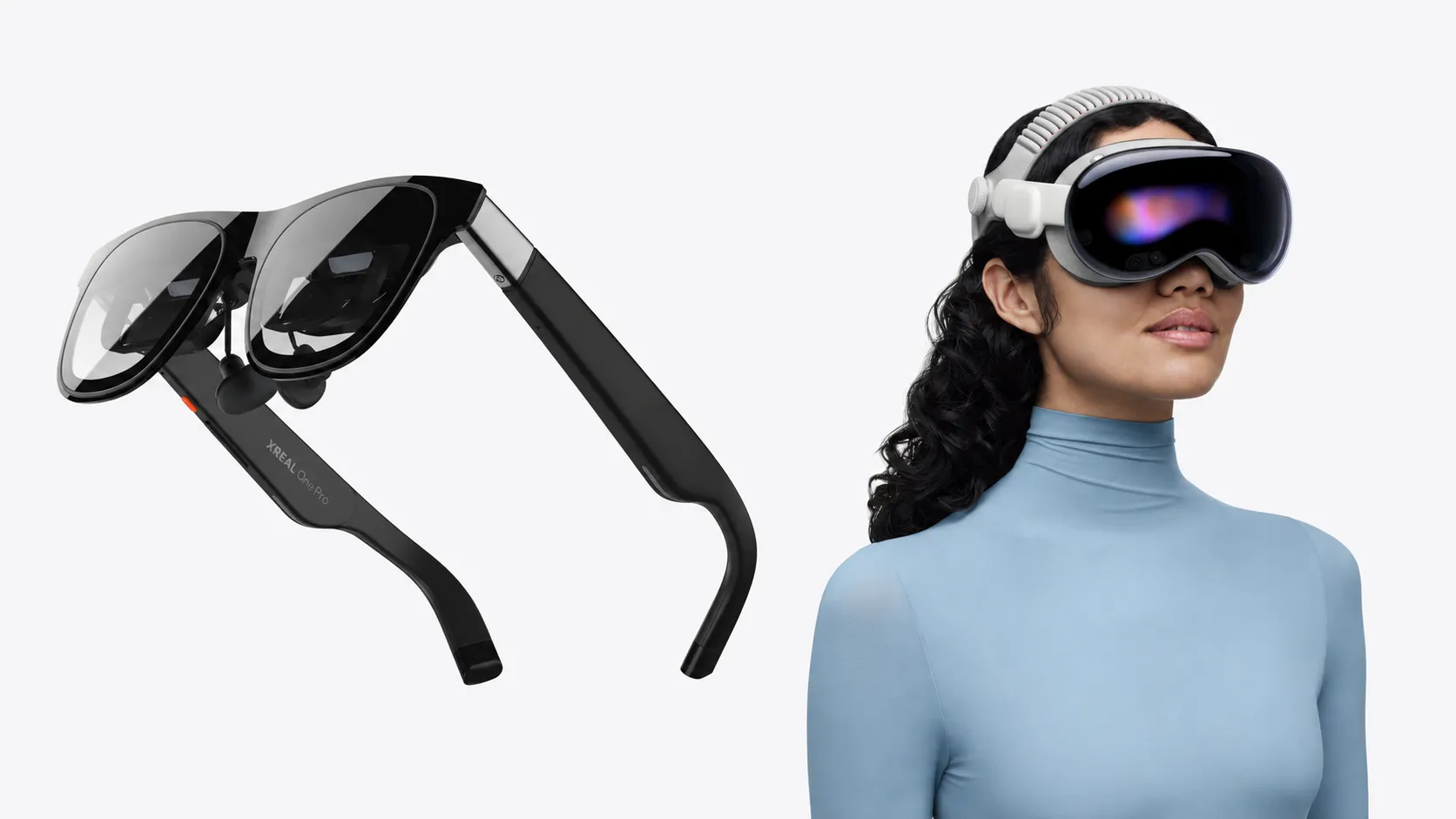
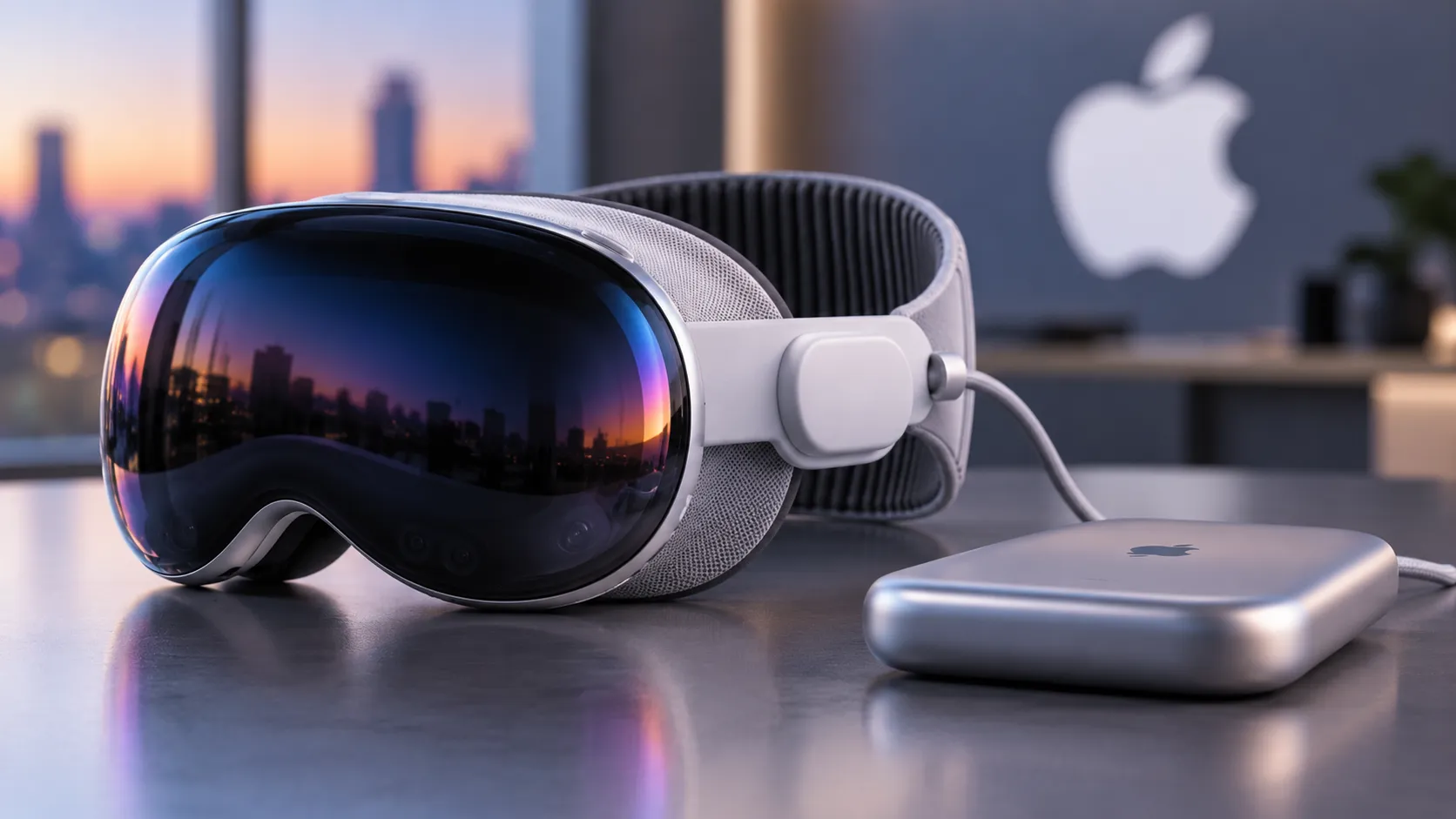
Apple's Vision Pro currently lacks deep, headset-native integration with HomeKit controls in its interface. Users can access HomeKit through iPad and iPhone apps running in visionOS, but that's different from what Android Authority describes Samsung building: native, spatial controls designed specifically for the XR environment rather than adapted smartphone interfaces. Apple benefits from ecosystem lock-in that makes iPhone-based home control second nature to many users, but Samsung's creating a headset-first experience that could feel more intuitive for tasks you're performing while actually wearing the device.
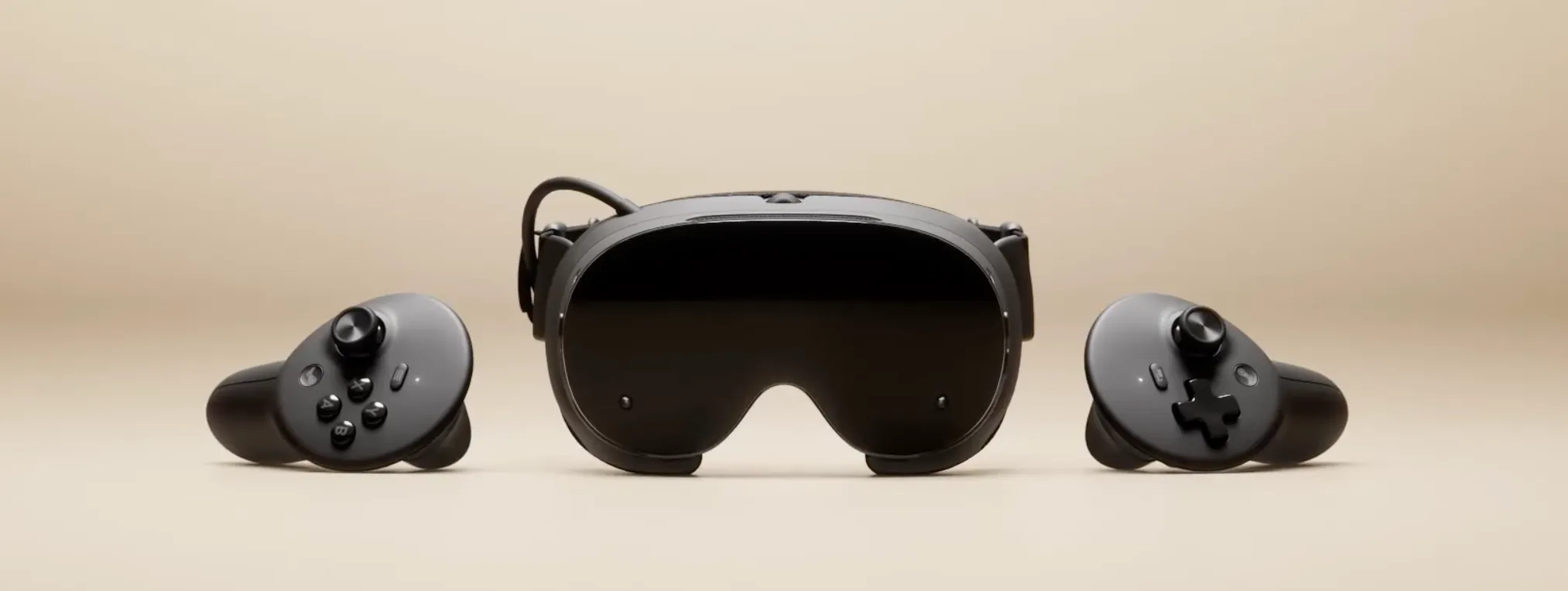
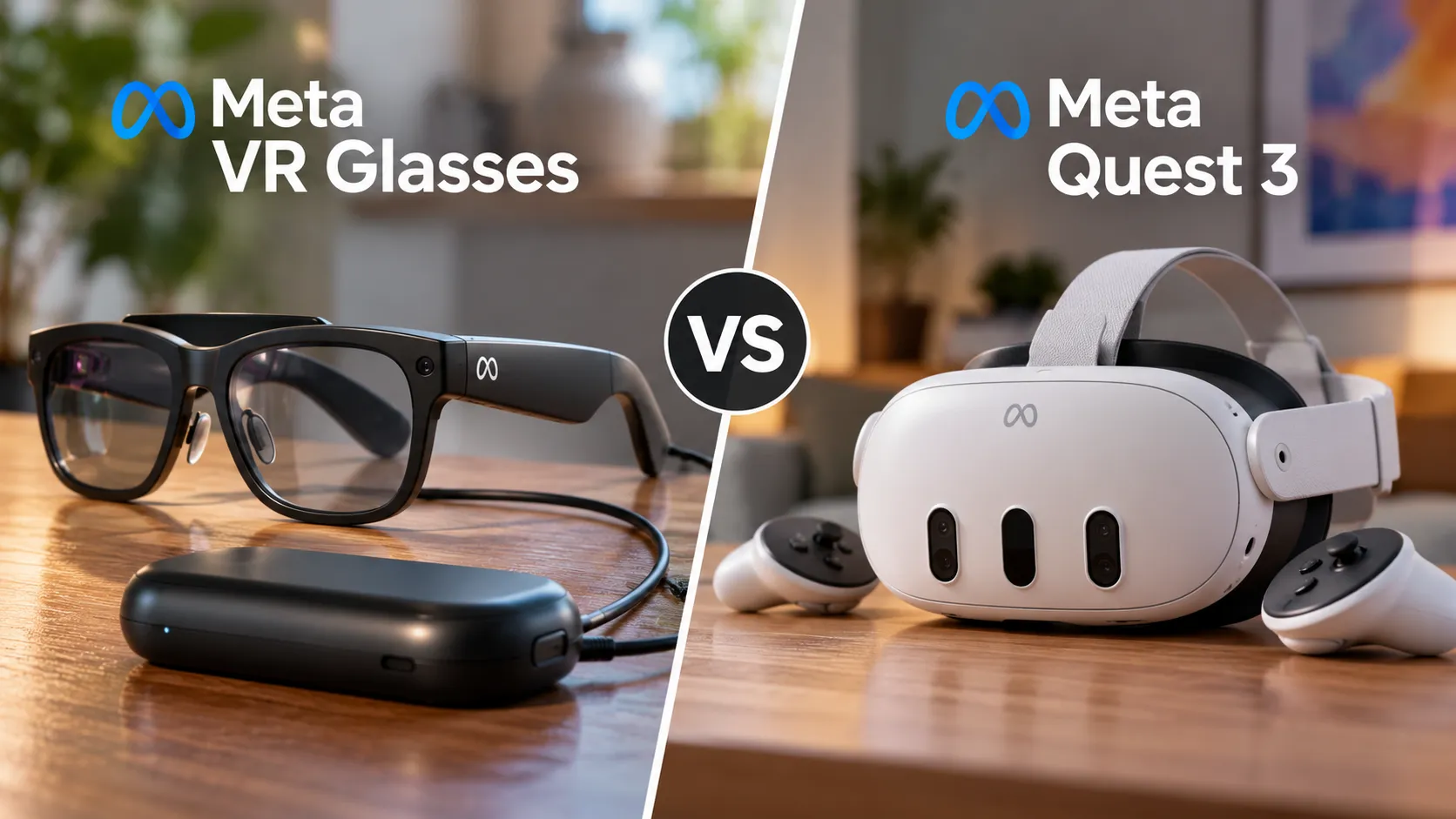
Meta has experimented with smart-home integrations through Quest's app ecosystem—you can find third-party apps for controlling various IoT devices—but the company hasn't positioned home control as a core platform feature or selling point the way Samsung appears to be doing with Galaxy XR. Meta's energy remains focused on social VR experiences and gaming, which makes sense given their user base and content ecosystem strength, but it does leave an opening for competitors who want to pitch mixed reality as more than entertainment.
The timing of Samsung's announcement suggests the company sees an opening to differentiate on practical utility rather than just hardware specs or content libraries. Where Vision Pro emphasizes productivity and cinematic experiences, and Meta focuses on social VR and gaming, Samsung is carving out territory around ambient computing and IoT convergence. This positioning could resonate particularly well in markets where SmartThings already has strong adoption—South Korea, parts of Europe, and increasingly North America—creating geographic pockets where the Galaxy XR value proposition becomes substantially stronger than competitors.
The real test will be execution across three critical dimensions: interface design, hardware endurance, and ecosystem openness. Whether the controls feel genuinely useful or like a gimmick depends entirely on UI/UX decisions we haven't seen yet. Whether the headset's comfort and battery life support extended wear determines if the use case is even viable—nobody's going to wear a headset for hours just to have convenient access to their thermostat if the thing weighs too much or dies after ninety minutes. The hardware needs to support the software vision, or this becomes another "cool demo, impractical reality" situation. And whether Samsung opens this integration to third-party developers or keeps it proprietary will determine if the smart-home control becomes a platform advantage that attracts innovation or just a first-party feature that stagnates.
If you're already invested in SmartThings, this integration adds genuine value to hardware you've already purchased, potentially tipping the scales toward Galaxy XR over competitors. If you're building a smart home from scratch or locked into Apple or Google ecosystems, the calculus gets murkier. The strategy here seems focused less on converting everyone and more about deepening loyalty among existing Samsung users, creating sticky cross-device experiences that make switching platforms progressively harder. That's a perfectly viable business model, but it does raise questions about market ceiling and how Samsung plans to expand beyond their existing base.
What this means for privacy, security, and the always-on headset question
Now here's where things get complicated. Integrating smart-home controls into a mixed reality headset introduces layers of privacy and security considerations that go beyond traditional XR concerns, and Samsung's execution here will likely determine whether this feature becomes a selling point or a liability.
Android Authority's coverage highlights the convenience of headset-based home control, but it also raises critical questions about what data the headset collects, how it authenticates commands, and what happens if the device is compromised. A headset with access to your locks, cameras, and security systems becomes a uniquely sensitive piece of hardware—one that combines visual sensors, microphones, and network connectivity with privileged access to your physical environment.
Think about it: your phone can control your smart home, sure, but you're (presumably) more protective of your phone. You lock it, you don't lend it to strangers, you notice when it's missing. A headset sitting on your coffee table? That's a different security profile entirely, especially if it maintains persistent authentication to critical home systems.
Samsung will need to address several specific security questions that remain unanswered: How will Galaxy XR handle authentication for sensitive commands like unlocking doors or disarming security systems? Will it require biometric verification (eye tracking, facial recognition) for high-stakes controls? Are smart-home commands processed locally on-device or routed through Samsung's cloud infrastructure? How does the system prevent unauthorized access if the headset is borrowed, stolen, or left unattended? What granular permissions exist—can you grant lighting control without also granting access to security cameras?
Samsung has relevant experience here through their Knox security platform, which has earned certifications for government and enterprise use. If they extend Knox-level security architecture to Galaxy XR's smart-home integration—hardware-based encryption, secure boot processes, isolated trusted execution environments—that would address many technical concerns. But Samsung hasn't publicly detailed whether Knox protections will cover SmartThings integration in the headset, and without that confirmation, these remain open questions.
The integration also amplifies the "always-on" headset debate in new ways. If the device becomes genuinely useful for routine tasks like adjusting lighting or checking door cameras, users may wear it more frequently and for longer durations. But that increased usage brings heightened scrutiny around surveillance, data retention, and the social acceptability of wearing cameras in shared spaces. Every additional sensor, every cloud connection, every persistent authentication token represents another potential vulnerability—and also another potential privacy intrusion that users and the people around them need to consent to.
There's a real tension between convenience and control here that Samsung needs to navigate transparently. The smart-home integration essentially turns the headset into a master key for your physical space—which is powerful, but also means the stakes for security failures escalate dramatically beyond typical consumer electronics risks. A compromised smartphone is serious; a compromised device that controls your locks, cameras, and alarm system is a physical security threat.
For Samsung, building trust around this integration isn't optional; it's foundational to whether users will embrace this vision of persistent spatial computing or reject it as too invasive. The company needs to be transparent about data practices, offer granular privacy controls that let users choose exactly which smart-home functions the headset can access, and probably invest heavily in security certifications and third-party audits if they want this to succeed beyond early adopters. The technology might be ready, but the trust infrastructure around it? That's going to take deliberate effort and clear communication about exactly what's happening with user data.
Pro tip: Before using any XR device for smart-home control, create a threat model for your specific setup. Which devices control physical security? Which collect sensitive data? Set up separate user profiles or permission tiers so that smart-home access can be revoked independently from other headset functions if needed. And seriously consider whether certain high-stakes controls (door locks, security systems) should remain on dedicated, isolated devices rather than integrated into multi-function hardware.
Where spatial computing and IoT convergence go from here
Samsung's SmartThings integration in Galaxy XR is less about a single feature and more about signaling a direction for the entire mixed reality category—one where headsets become genuine computing hubs rather than specialized entertainment devices. Android Authority points out that this move positions the headset as a hub for managing physical and digital environments simultaneously, a concept that's been theorized in spatial computing circles but rarely executed with the backing of a major platform and mature ecosystem.
If the implementation proves compelling, it could accelerate a shift where XR headsets are judged not just on immersion or app libraries, but on how seamlessly they integrate with the rest of your connected life. That's a different value proposition. It means competing on ambient utility and persistent value rather than peak experiences or content exclusives—and it opens doors for deeper IoT convergence that goes well beyond simple remote controls.
Consider where this integration model could evolve: Galaxy XR's environmental sensors could detect that you're working in a space that's too warm and automatically suggest adjusting the thermostat, or even learn your preferences and make adjustments preemptively. Your smart lights could automatically adapt not just to the virtual content you're viewing (syncing Philips Hue bulbs to the on-screen tension in a horror movie), but to optimize your physical environment based on what task you're performing (bright, cool-toned lighting for focused work, warm, dimmed lighting for relaxation). Health monitoring devices integrated with SmartThings could surface alerts directly in your XR field of view when they detect concerning patterns, making the headset a genuine health and wellness hub rather than just an entertainment device.
These scenarios depend on several enabling technologies that are maturing in parallel: edge computing that can process sensor data locally without cloud latency, AI models sophisticated enough to make contextual decisions about environmental controls, and interoperability standards like Matter that could let Galaxy XR control devices beyond Samsung's ecosystem. Whether Samsung invests in these deeper integration layers—and whether they open the platform to third-party developers who could build even more creative IoT-XR convergence apps—will determine if this becomes a platform advantage or just a feature checkbox.
The announcement also puts competitive pressure on Apple and Meta to articulate their own visions for headset-IoT integration, potentially driving innovation across the industry. Apple could leverage their HomeKit ecosystem and tight hardware integration to create similarly seamless experiences in future Vision Pro iterations. Meta could partner with smart-home platforms or acquire IoT companies to build capabilities they currently lack. The question isn't whether competitors will respond, but how quickly and whether they can match Samsung's head start with an established platform.
For Samsung, success here means proving that Galaxy XR isn't just another VR headset with AR passthrough—it's a genuinely new category of ambient computing device that earns its place on your face through utility, not just novelty. The smartest move Samsung could make next? Demonstrating real-world use cases that show why managing your home in mixed reality feels natural, not forced. Not promotional videos of perfect scenarios, but actual user testimonials showing how the integration solves real friction points in daily routines. Because if they can nail that user experience—if they can make smart-home control in XR feel as intuitive as pulling out your phone feels awkward by comparison—they'll have built something competitors will struggle to replicate.
The hardware might be similar across manufacturers, but a well-designed integration with an established smart-home platform creates the kind of ecosystem advantage that generates network effects and switching costs. Every SmartThings device you add strengthens the Galaxy XR value proposition. Every automation you create that leverages the headset's unique capabilities makes leaving the Samsung ecosystem more painful. That's platform lock-in done right—not through artificial restrictions, but through genuine, accumulated value that compounds over time.
It seems like Samsung's betting that the future of XR isn't about escaping reality, but about enhancing your relationship with it—making the physical and digital worlds work together more intelligently. Whether that vision resonates with consumers beyond the early adopter crowd remains to be seen, but as a strategic direction, it's refreshingly pragmatic in a category that's often been accused of chasing science fiction without delivering everyday value. If Galaxy XR can prove that mixed reality becomes genuinely more useful when it's connected to your actual, physical environment, that might be the shift that finally moves spatial computing from "expensive curiosity" to "daily driver."




Comments
Be the first, drop a comment!