


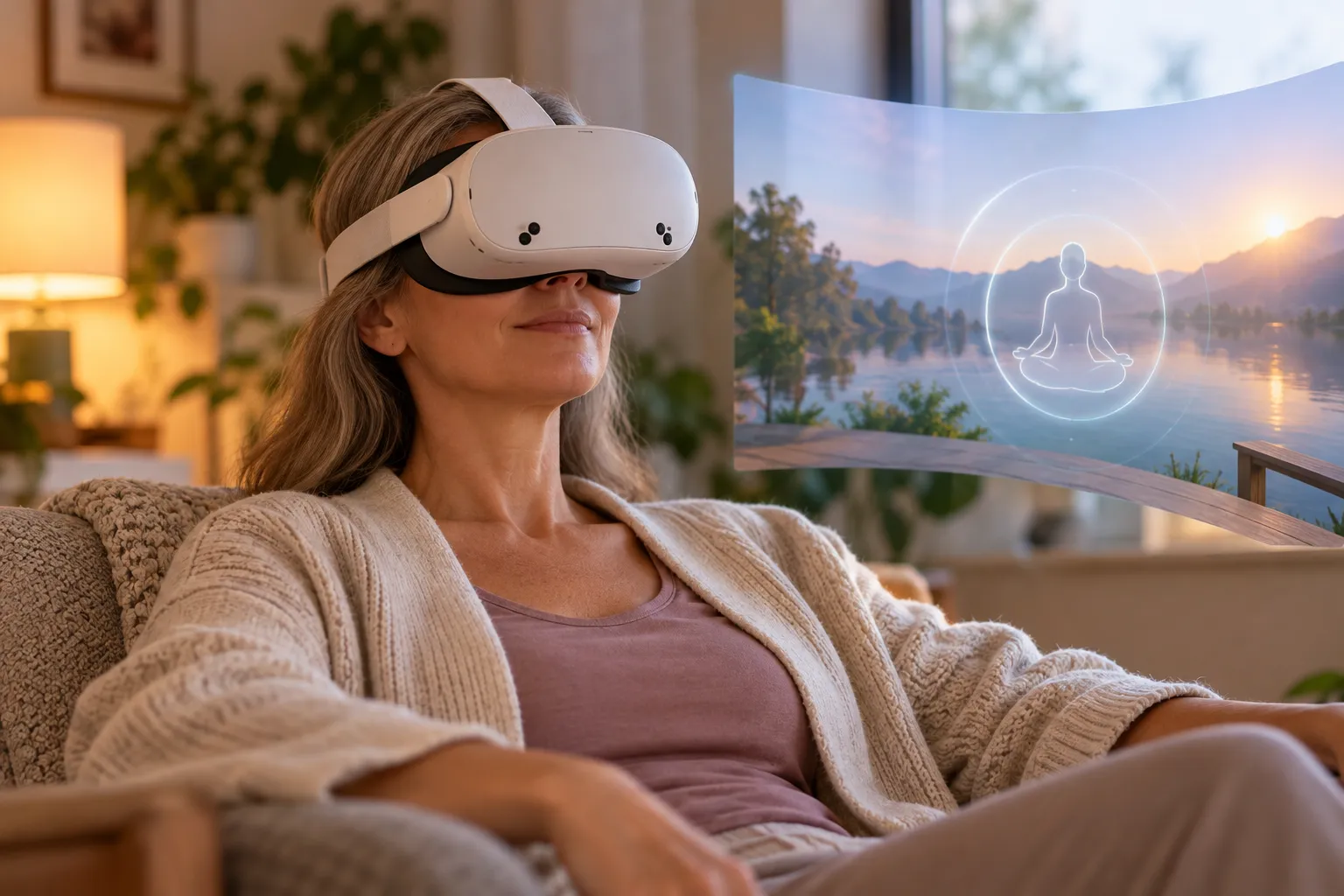
Mayo Clinic has started recruiting participants for a study titled "MenoZen VR for Menopause Symptom Management: Phase 2," testing an AI virtual reality program for menopause symptoms. The trial, registered as NCT07633743, started Sept. 28 and is recruiting women ages 45 to 60 with moderate to severe hot flashes.
Despite "Phase 2" appearing in the study's official title, the registry formally lists its phase as "Not Applicable" because MenoZen is being studied as a device rather than a drug.
The trial is also more clearly defined than its title alone suggests. It's an open-label, single-group study with an estimated enrollment of 40 participants, meaning everyone receives MenoZen and there is no comparator arm. Researchers will assess whether symptoms change over eight weeks, but the design won't establish whether MenoZen performs better than another treatment or a control intervention.
Cognitive behavioral therapy already has a track record against several menopause symptoms, including hot flashes, insomnia, depression, and sexual dysfunction, The Menopause Society notes. The access problem is separate from the evidence supporting CBT: finding someone qualified to deliver it can remain a bottleneck. "Many women struggle to access evidence-based nonpharmacologic treatments for menopause symptoms because of barriers such as availability, cost, and convenience," said Dr. Stephanie Faubion, The Menopause Society's medical director and a study author.
About 80% of midlife women experience hot flashes and night sweats, according to The Menopause Society. A separate 2026 study found that only 1.7% of commercially insured and Medicare Advantage women ages 40 and older in its US data set used systemic menopausal hormone therapy in 2023. That low use has helped drive interest in nonhormonal options such as CBT, while MenoZen is being studied as another way to deliver behavioral interventions.
What is MenoZen VR cognitive behavioral therapy?
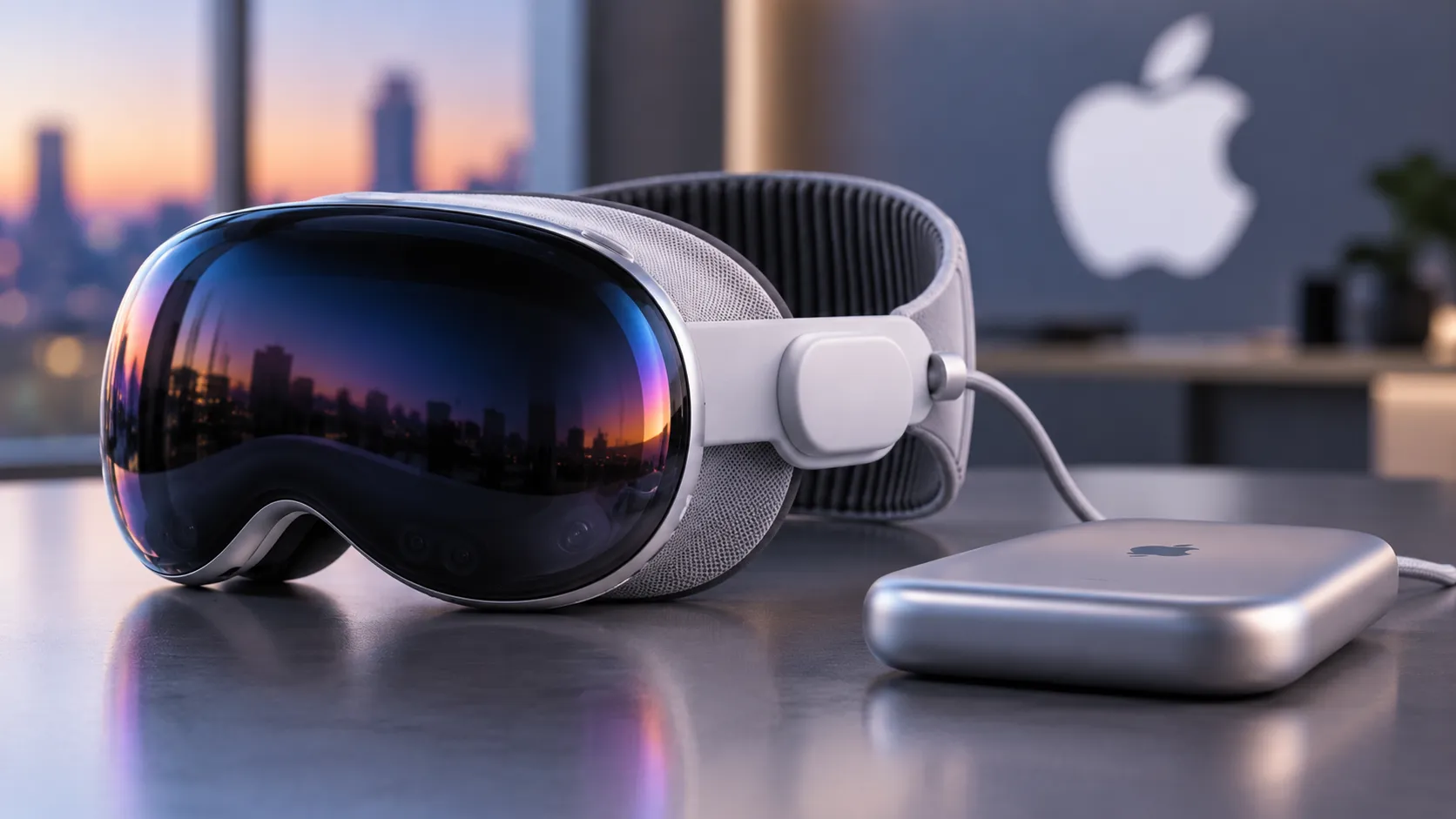
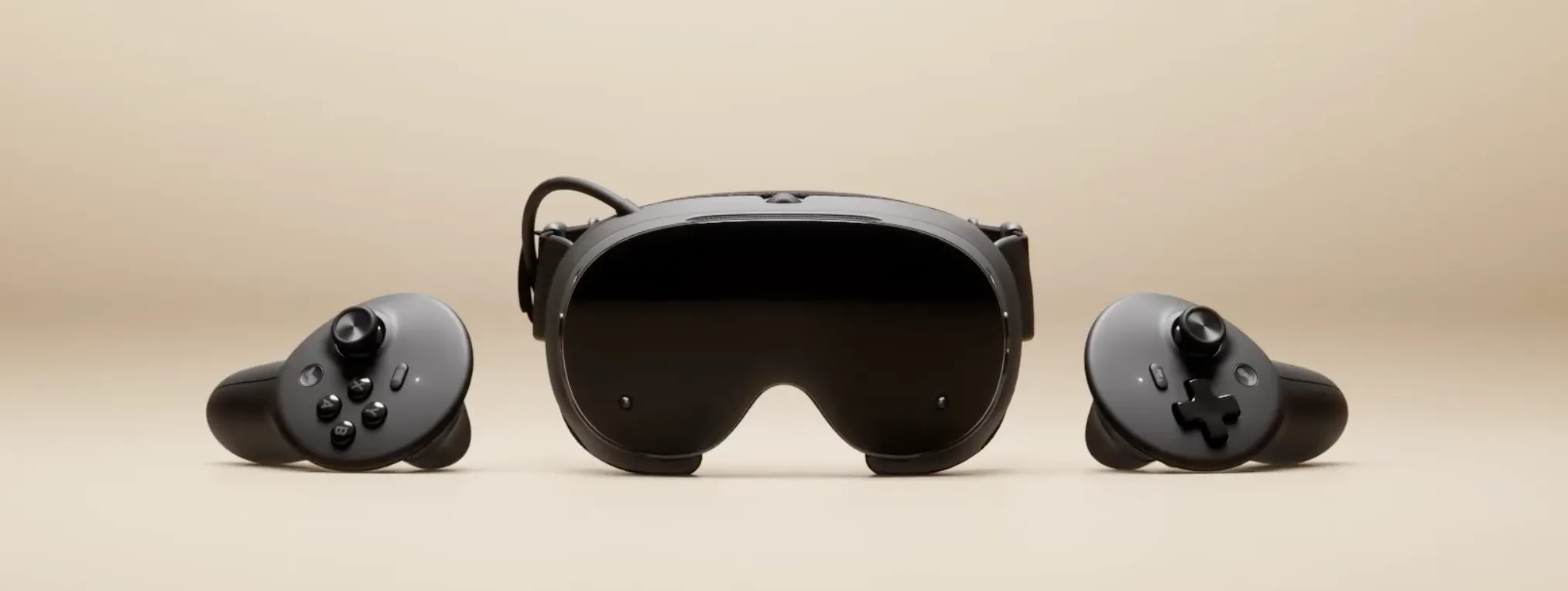
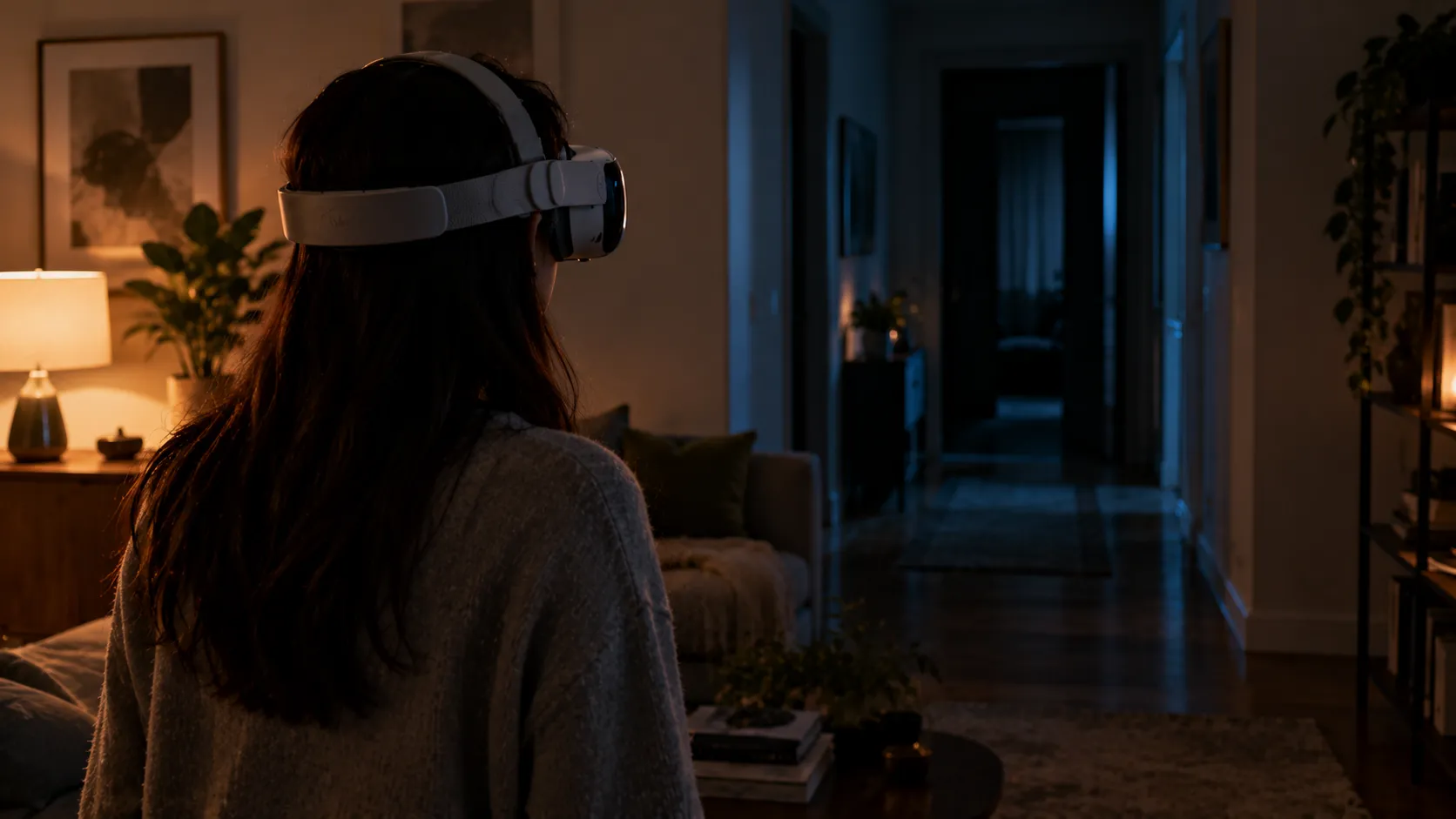
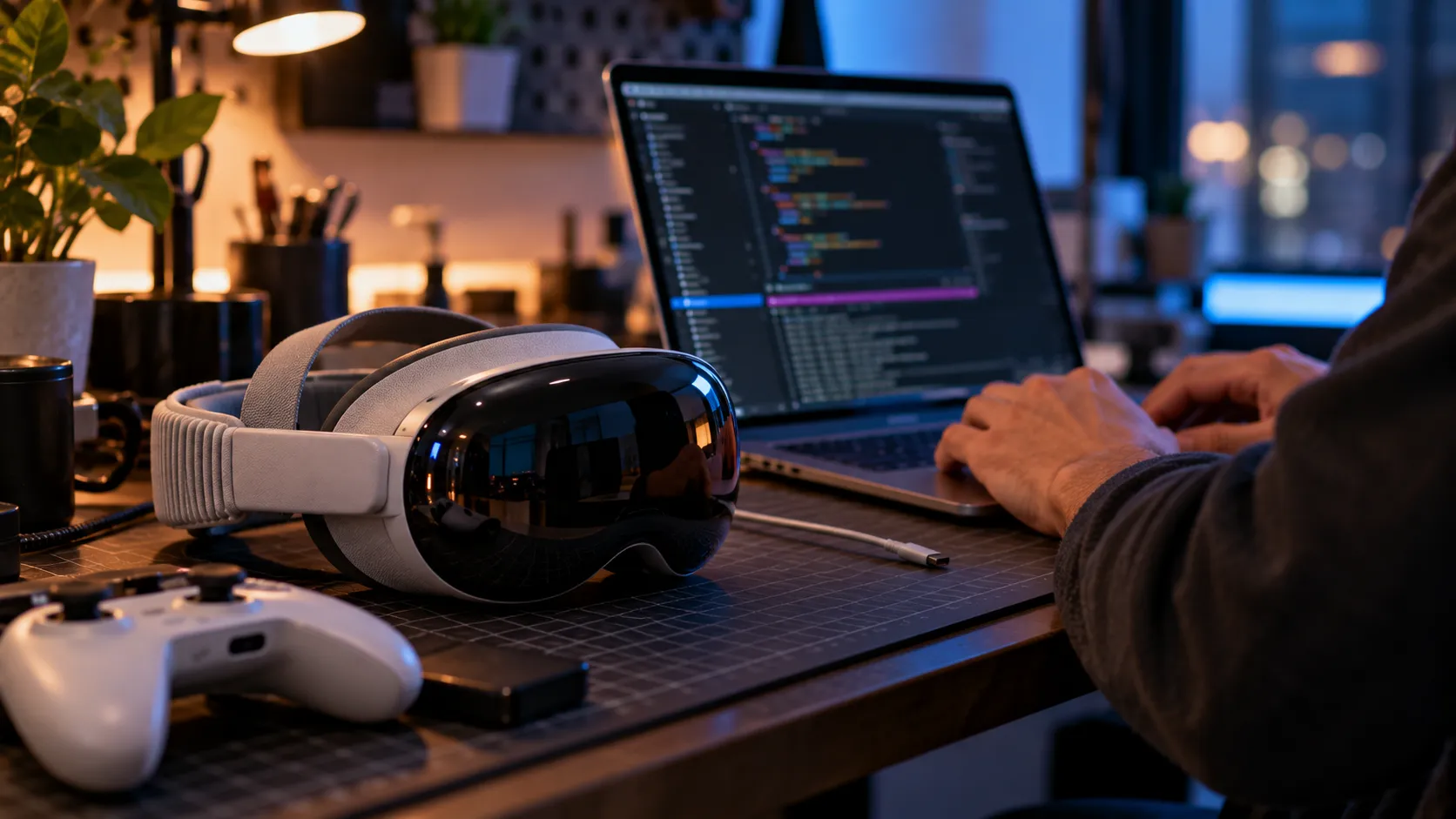
MenoZen VR has been tested on a Meta Quest 3S, a consumer headset rather than custom medical hardware. In the qualitative study being presented this week, an AI-driven avatar named Maia guided participants through modules incorporating CBT, talk therapy, mindfulness, psychoeducation, and paced breathing.
The new Mayo Clinic study expands that work from a single session to repeated use. Its registry says participants will complete one self-administered MenoZenVR session each week for eight consecutive weeks using a VR headset.
Dr. Karisma Suchak of Cedars-Sinai's Center for Virtual Medicine and Health System Transformation is identified as the lead author of the qualitative study being presented at The Menopause Society's annual meeting. She described those results as demonstrating "early feasibility and acceptability" of the AI-VR approach. That's different from demonstrating that MenoZen reduces menopause symptoms.
MenoZen VR isn't a newly established treatment for menopause. It's an experimental delivery system incorporating behavioral approaches, including CBT, that already have evidence behind them. Whether repeated use of this particular program is tolerable and associated with meaningful symptom changes is what the new Mayo Clinic study is designed to explore.
Can virtual reality CBT for hot flashes help?
Findings specific to MenoZen VR so far come from a small qualitative study, not from the newly recruiting trial. Results are being presented at The Menopause Society's annual meeting in San Diego, running Oct. 20 through 24.
That earlier study recruited 20 women ages 45 to 60 with bothersome vasomotor symptoms of at least 28 episodes per week who weren't receiving hormone therapy. Each participant used MenoZen VR for one 45-minute session on a Meta Quest 3S and then completed usability and session surveys and a semi-structured interview.
All 20 participants said they would use the program again and recommend it to a family member or friend going through menopause. Those findings address acceptability and interest, however, not whether symptoms improved. The Menopause Society says larger studies are needed to determine clinical effectiveness.
The new Mayo Clinic study is designed to begin addressing that gap. Its two primary outcomes are changes in hot-flash frequency and severity from baseline to eight weeks, measured with a Hot Flash Daily Diary.
Secondary outcomes include menopause-specific quality of life, menopause symptom ratings, system usability, simulator sickness, sleep disturbance, depression, and anxiety. The registry lists July 31, 2027, as the estimated primary completion date and July 31, 2028, as the estimated overall study completion date.
Because the study has only one group and no control arm, any symptom changes will need to be interpreted within that limitation. The trial can provide early clinical efficacy, feasibility, usability, and tolerability data, but it isn't designed to show that MenoZen VR outperforms another intervention.
Eligibility rules show where VR therapy has limits
To join, candidates must be women ages 45 to 60 experiencing at least 28 hot flashes or night sweats a week, with symptoms severe enough to have prompted them to seek treatment. They also need to speak English, have access to a computer or smartphone and home Wi-Fi, and be willing to participate in weekly VR sessions for eight weeks.
Participants can't be receiving systemic menopausal hormone therapy, although low-dose topical vaginal estrogen is permitted. The trial also excludes women taking specified nonhormonal treatments for hot flashes, including fezolinetant, elinzanetant, SSRIs or SNRIs, oxybutynin, or gabapentin when prescribed for hot flashes. CBT specifically for hot flashes is also excluded, although CBT for mood symptoms is allowed.
The exclusion criteria screen for VR-specific concerns as well: severe visual, auditory, or vestibular impairments that could interfere with VR use, a facial or head condition that prevents wearing the headset, a history of acute or severe motion sickness, or a seizure within the past year.
The protocol includes the Simulator Sickness Questionnaire at baseline and eight weeks, so tolerability is one of the outcomes researchers will measure alongside symptoms.
Removing the need for an in-person therapist could potentially expand access to behavioral interventions, but a VR headset introduces its own usability and tolerability requirements.
How MenoZen VR fits among other digital menopause tools
MenoZen VR isn't the only digital approach being tested for menopause symptoms. The differences across these studies show how varied digital menopause interventions can be.
A separate 149-person randomized controlled trial tested Caria, a mobile digital care program, against web-based menopause education over six weeks. The published study found significantly greater improvement in hot-flash distress in the Caria group after six weeks. Depression and sleep measures also improved within the intervention group, while anxiety improved in both the intervention and control groups.
Importantly, the Caria study didn't find a significant reduction in hot-flash frequency. Its primary finding concerned the distress associated with hot flashes, which is different from showing that the app prevented the episodes themselves.
Mayo Clinic is also sponsoring an estimated 900-person study of EMMII, a nonimmersive educational app designed to help women recognize menopause symptoms and prepare a discussion guide for a primary care visit, according to its trial registration. That intervention isn't designed to deliver therapy itself. It's intended to support recognition and conversations about menopause care.
Another approach skips apps and headsets. A 38-person feasibility study is evaluating group Compassionate Mind Training delivered through six 90-minute online sessions for adults in the menopause transition, according to its registry entry.
Together, the programs represent different delivery models: immersive AI-guided VR, a mobile digital care program, group video sessions, and a pre-visit education tool. None of these studies directly compares those four approaches against one another.
The new MenoZen study is designed to measure symptom change alongside feasibility, usability, and tolerability over eight weeks. Its single-group design means it won't settle whether VR works better than an app, therapist-delivered CBT, group video sessions, or another intervention.
For now, MenoZen VR remains experimental. The early 20-person study provides evidence that participants found the experience acceptable and usable, while the newly recruiting 40-person study will add data on repeated use and symptom changes. Determining whether an AI avatar in a headset offers a clinical advantage over less immersive ways of delivering behavioral support will require stronger comparative evidence.

Comments
Be the first, drop a comment!