


Apple Vision Pro surgery: what Stryker's FDA app reveals
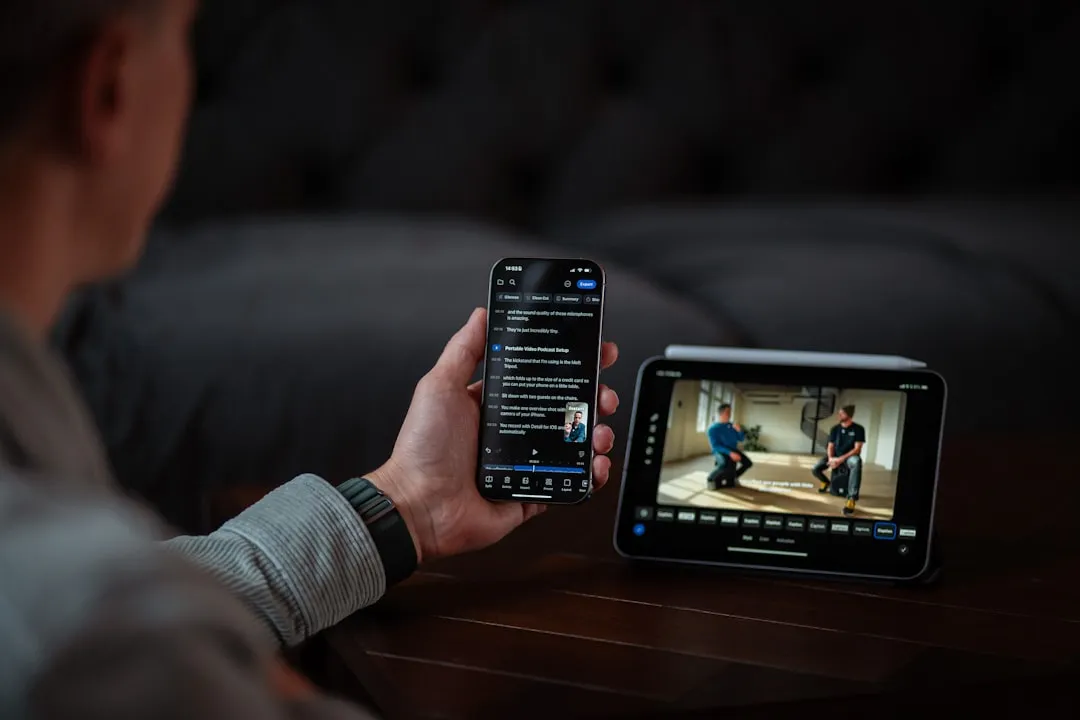
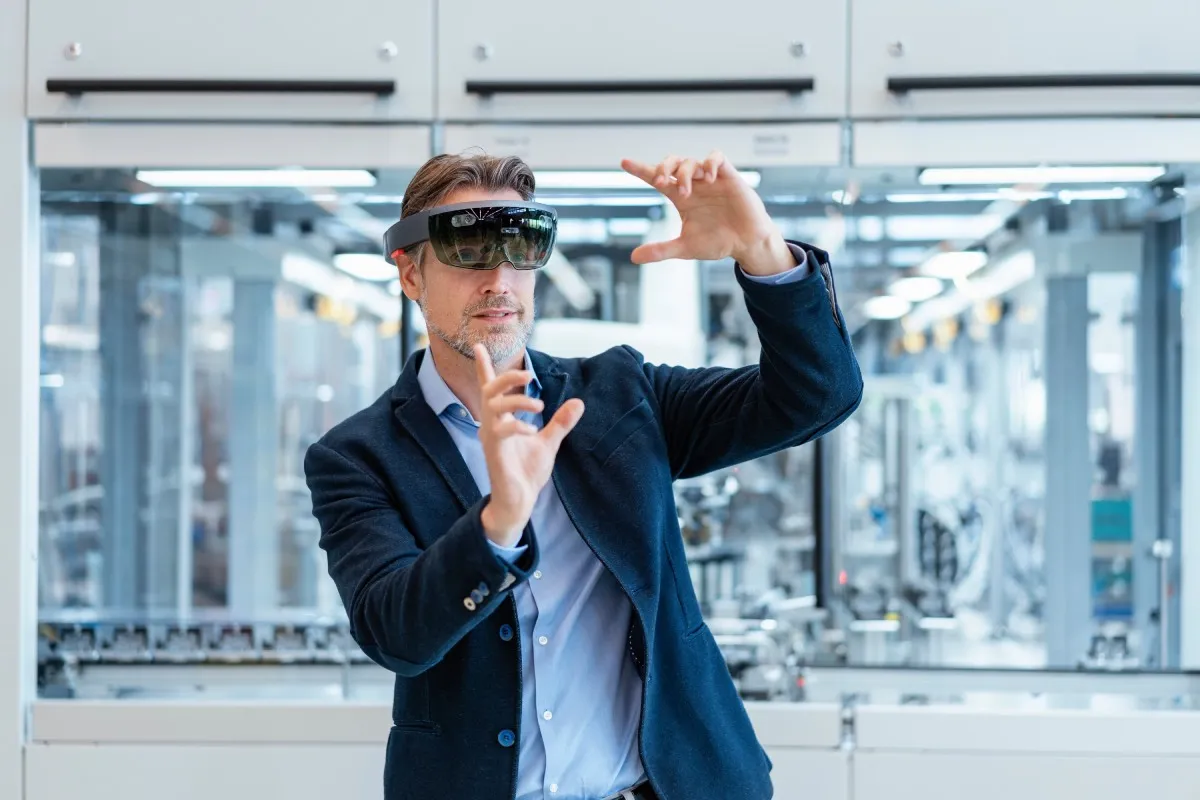
Stryker says surgeons at an academic medical center have completed the first hip arthroscopy performed with SportSuite Vision, a newly authorized Apple Vision Pro surgical application, giving Apple Vision Pro surgery its clearest regulatory milestone to date (MarketScreener). The FDA cleared SportSuite Vision through its De Novo pathway, and Stryker calls it the first surgical application authorized for intraoperative use with the headset (MarketScreener).
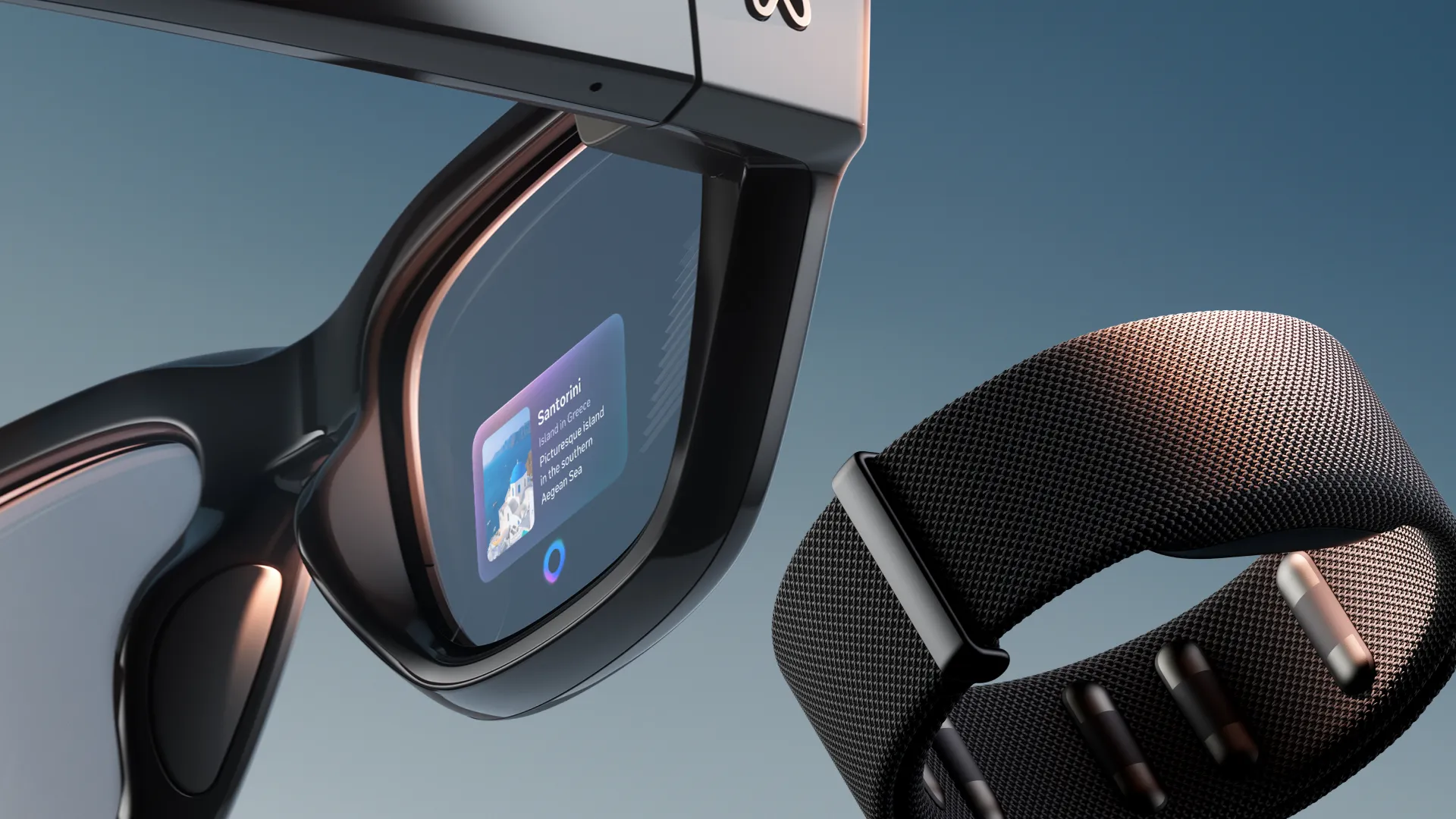
The app pulls arthroscopic video, CT imaging, and data from Stryker's HipCheck and HipMap tools into a single spatial display that the operating surgeon views through the headset (MarketScreener).
The announcement lands as a small but growing body of published research starts to map where Apple Vision Pro earns its place in the operating room, and where it doesn't. A study published in Surgical Endoscopy last year found surgeons could rely on the headset as their primary monitor across 41 minimally invasive general-surgery procedures, with no intraoperative complications and no 30-day morbidity or mortality (Surgical Endoscopy). Other studies, testing simulated tasks rather than live surgery, found the same device struggling once the job turned to hands-on precision work like guiding a needle or tying a suture. Together, the two strands of evidence sketch where the technology is gaining ground and where it stalls.
Stryker's SportSuite Vision and the FDA's De Novo authorization
The authorization is narrow. SportSuite Vision is indicated for the intraoperative display of arthroscopic video and imaging during femoroacetabular impingement and labral repair procedures, plus the display of HipCheck and HipMap data (MarketScreener). That covers the display of information, not surgical navigation or autonomous guidance.
Stryker frames the app as a fix for a familiar OR arrangement: surgeons performing hip arthroscopy typically work across several physical monitors scattered around the room to track video and imaging feeds (MarketScreener). Consolidating that information into the surgeon's field of view, the company says, supports a more simplifyd, ergonomic workflow (MarketScreener). That's Stryker's own characterization of the benefit, not a finding from an independent trial.
Even with the headset in use, Stryker's labeling requires the rest of the surgical team to keep working off traditional monitors (MarketScreener). The technology changes what the operating surgeon sees. It doesn't replace the OR's display infrastructure for everyone else in the room.
Apple Vision Pro in the operating room: the virtual-monitor case
The most detailed published account of Apple Vision Pro in surgery doesn't come from Stryker's app at all. It comes from a case series in Surgical Endoscopy, published last year, in which three attending surgeons and four trainees used the headset's virtual displays as their primary surgical monitor across 41 laparoscopic and endoscopic procedures, including a 121-minute gastrectomy (Surgical Endoscopy).
Open-source software let surgeons position up to three video feeds at once. That proved especially useful during procedures involving intraoperative endoscopy, since surgeons could view laparoscopic and endoscopic images side by side without physically repositioning OR equipment (Surgical Endoscopy).
Perceived workload stayed low, with a mean NASA-TLX score of 22.3 ± 4.7, and surgeons reported no video latency (Surgical Endoscopy). The series recorded no intraoperative complications and no 30-day morbidity or mortality (Surgical Endoscopy). The authors also noted that a single $3,500 headset costs less and takes up far less space than a fleet of surgical monitors, though the 121-minute case required a battery change or a plug into a charger (Surgical Endoscopy).
The authors flagged the limits of their own data: it was a single-center study with a small sample, and the findings may not generalize given the headset's cost and the extra hardware needed to route OR video into it (Surgical Endoscopy). Still, the pattern lines up with Stryker's pitch. In procedures already mediated by a screen, the headset held up as a stand-in for a monitor's fixed location, with no reported lag and no device malfunctions (Surgical Endoscopy).
What Apple Vision Pro surgery can and cannot do in the operating room
The evidence above comes from live operations. The two studies below don't; both tested Apple Vision Pro on controlled, simulated tasks rather than on patients, which matters before drawing conclusions about the device's fitness for direct surgical work.
A study in Health Technology Letters, published earlier this year, compared HoloLens 2, Magic Leap 2, and Apple Vision Pro on a simulated needle-insertion task modeled on sacral nerve stimulation. It put 11 users through a randomized protocol in its main evaluation, drawn from 17 participants recruited across the study's two phases (Health Technology Letters). Magic Leap 2 posted the highest median success rate, at 84.62%, and the fastest median puncture time, at 12 seconds, differences the researchers found statistically significant. Apple Vision Pro, despite offering higher visual fidelity, proved unsuitable for that specific navigation task, the study concluded (Health Technology Letters).
The gap showed up most clearly in failed attempts. Apple Vision Pro insertions that missed carried a median lateral error of 19.39 mm, more than double HoloLens 2's 8.40 mm (Health Technology Letters). Researchers linked that result to unstable marker tracking and the device's weight, and noted that one clinician couldn't finish the trial at all because of cybersickness (Health Technology Letters).
A separate study, published last year, asked 20 health care professionals to perform simulated suturing tasks under three conditions: Apple Vision Pro, HoloLens 2, and no headset at all (PubMed). Apple Vision Pro took significantly longer to complete the tasks, with a mean total task time of 570 seconds against 456 for HoloLens 2 and 472 for the no-headset baseline, even though suture quality didn't differ significantly across the three conditions (PubMed).
Workload and sickness scores followed the same pattern. Apple Vision Pro produced a NASA-TLX workload score of 43.9, against 21.5 for HoloLens 2 and 19.1 for the no-headset baseline, and a virtual-reality sickness score of 66.9 against HoloLens 2's 41.1 (PubMed). The study concluded that Apple Vision Pro shows promise for applications that aren't time-sensitive and don't hinge on real-world perception, while HoloLens 2 remained the better choice for time-critical, precision-demanding work (PubMed).
Weight, battery life, and fit
Part of the problem is straightforward hardware. A review of the device's surgical use puts its weight at 600 to 650 grams with roughly 2 to 2.5 hours of battery life, which may require a battery change or a charger connection during longer cases (NIH/PMC); the general-surgery series' 121-minute gastrectomy needed exactly that (Surgical Endoscopy).
Clinicians in the needle-insertion study flagged the headset's incompatibility with prescription glasses and its unstable tracking as workflow disruptors. HoloLens 2, by contrast, comfortably accommodated users' own eyewear (Health Technology Letters). Participants in the suturing study described neck strain, blurred vision, restricted peripheral awareness, and difficulty judging depth. "I think it is risky if you operate on veins or arteries. I don't want to take any risk when operating on a patient," one surgeon said (PubMed).
Those are participant complaints, not independent measurements of visual performance, but they turn up consistently across two separate studies and two different tasks. Ergonomics and perception issues together help explain why the same headset performed reliably in the single-center monitor-replacement series, yet ran into trouble on tasks that demanded continuous hands-on maneuvering.
What's still unknown
Taken together, the published evidence points to a narrow niche: Apple Vision Pro performs reliably when consolidating video and imaging feeds a surgeon would otherwise view on separate monitors, and performs worse once the job shifts to direct, hands-on precision work such as needle insertion or suturing (Surgical Endoscopy; Health Technology Letters; PubMed).
Stryker's announcement adds a regulated, procedure-specific example to that picture rather than changing it. The company hasn't disclosed how long the hip arthroscopy took, how much setup time SportSuite Vision required, what backup protocols were in place, or how the patient fared afterward (MarketScreener). Nor has it said whether the app will see use beyond this first case.
For now, the evidence supports a display tool for a narrow, procedure-specific setting, not a general-purpose navigation system.




Comments
Be the first, drop a comment!