


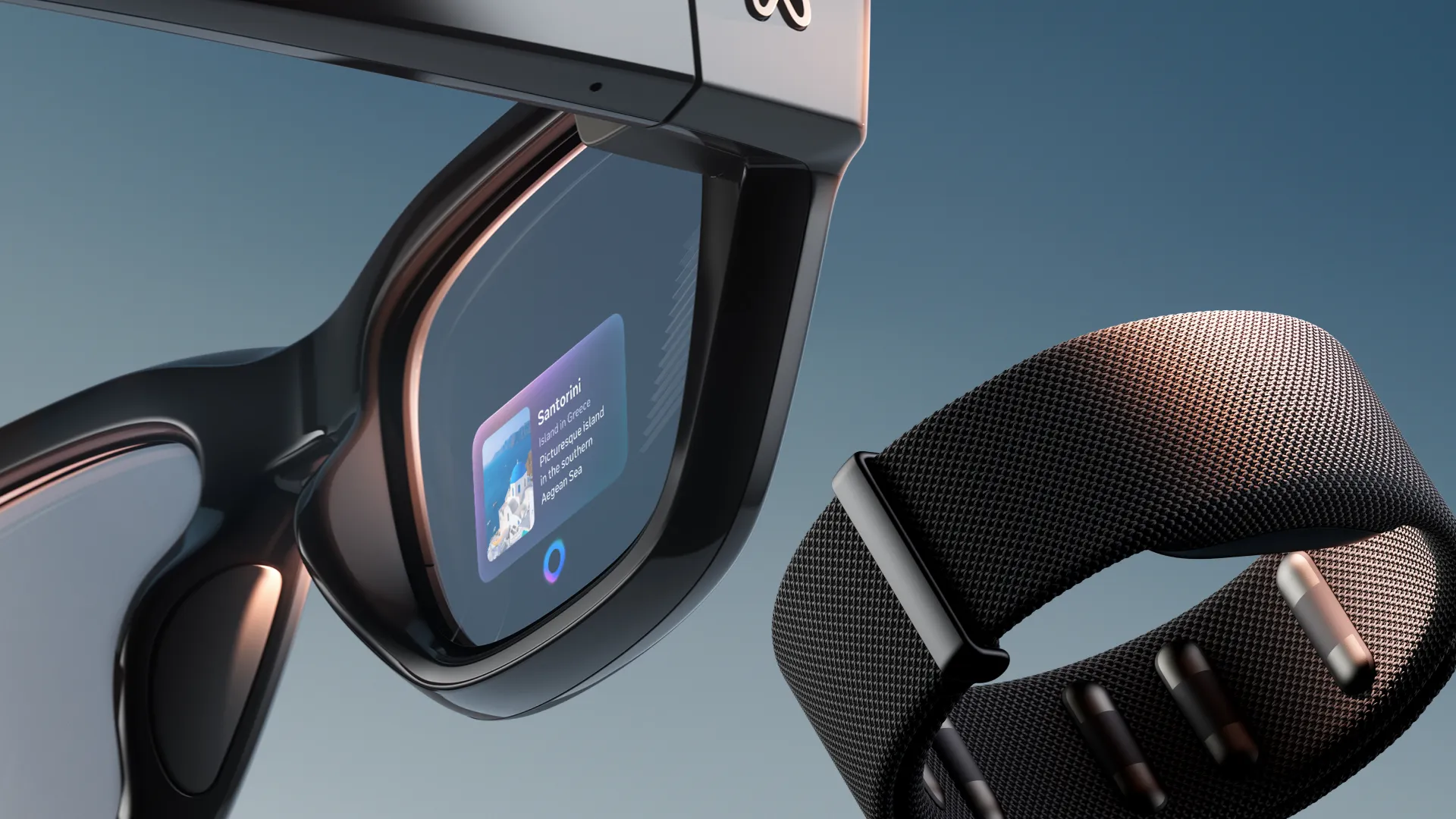
Hamburg's data-protection commissioner, Thomas Fuchs, told German broadcaster ARD in July that Meta's smart glasses amount to "disguised cameras" that could fall under a German law written to catch hidden recording devices tucked into everyday objects, and said a ban on the specific products "could be possible."
France's CNIL raised a similar alarm earlier this summer, warning that the devices create a significant risk of surveillance that is "almost invisible and ubiquitous." Meta and EssilorLuxottica, meanwhile, reported selling more than 7 million AI glasses in 2025, including Ray-Ban Meta and Oakley Meta models. Xiaomi, RayNeo, and Rokid have all launched their own camera-equipped eyewear.
Meta is the best-known name in this fight, which makes its glasses the test case: whatever policy an event settles on will need to hold up once the same camera-and-microphone combination shows up under a different logo.
That test gets harder once accessibility enters the picture. Some attendees use camera-equipped glasses not to record other people but to navigate a room, read a screen, or follow a conversation they'd otherwise miss, which means a rule aimed at one brand's logo can end up aimed at someone's assistive technology instead.
Banning the device outright is the wrong fix. The evidence doesn't support a clean line between wearing the hardware and doing something wrong with it, and some assistive uses genuinely depend on capture. The better answer classifies spaces by sensitivity, states plainly what's allowed in each, builds accessibility accommodations in from the start, and admits enforcement will never be airtight.
Smart glasses privacy at events: what regulators found
Hamburg's data-protection office tested the recording indicator on Meta's glasses and found its visibility limited to a narrow field of view, short distances, and suitable lighting conditions. The regulator concluded that the LED cannot reliably ensure nearby people notice when recording is taking place.
A 2026 study of 525 people, split between wearers and bystanders, found only 41.3% of bystanders and 35.3% of wearers considered the indicator adequate. That's one China-based study, so treat the numbers as suggestive of a design gap, not a settled finding across the whole population.
Wearers themselves are skeptical. A CHI study of 15 participants, run as a diary study followed by exit interviews, found they considered existing privacy indicators ineffective and wanted better indicators so bystanders could tell when recording was happening.
Meta has responded to pressure like this before. After Ireland's Data Protection Commission raised concerns, the company introduced a larger, blinking indicator light along with controls designed to make recording less covert. Meta has since tightened that safeguard further: its current glasses are designed to stop recording if the capture LED is covered.
That's a real design fix, but Hamburg's testing and the CHI participants' own doubts both point to unresolved gaps in how recording gets communicated to people standing nearby.
The open inquiries add to the picture. Hamburg's data-protection authority has been examining the glasses since 2025, including their AI functions, the visibility of recordings, and whether data generated through the glasses is used for Meta's AI training.
Ireland's DPC also sought information from Meta after reports surfaced that sensitive footage was being reviewed by contractors in Kenya. Meta has said photos and videos remain private unless users choose to share them and that human review of AI content happens with user consent. Meta later ended its contract with the Kenyan data-annotation company Sama after the reports surfaced.
None of the reporting establishes wrongdoing in either inquiry. But open regulatory scrutiny paired with a design fix whose real-world reliability is still disputed is exactly why organizers can't take a vendor's assurances at face value, especially around embargoed demos, investor conversations, or screens full of customer data, where a missed recording light matters most.
Why smart glasses accessibility for low vision undercuts a device ban
For a person with low vision, smart glasses can read room numbers, identify products, or describe an unfamiliar space. Someone hard of hearing may lean on live speech-to-text. Someone with a cognitive disability might capture a lecture to review later through transcription, because catching everything in real time simply isn't realistic, according to Blindspot Solutions.
Each of these depends on the camera or microphone actually capturing something, which puts a device-shaped rule and a genuine accessibility need on a collision course before anyone even gets to etiquette. Whether the assistive function requires keeping that footage afterward is a separate question, one a good policy should ask rather than assume.
That tension isn't theoretical. An Australian university drew attention after concerns about camera-equipped smart glasses led to restrictions around their use, and the case shows the risk plainly: a rule written with covert recording in mind can leave an attendee unable to use an accessibility tool.
The rule targets one risk on paper. The person wearing the glasses experiences it as losing independence.
A ban doesn't fully solve the security side either. The Atlantic Council noted that tutorials had circulated showing how people could defeat recording indicators. Meta's latest safeguard now stops recording when its LED is covered, but a badge check at registration still wasn't built to stop someone determined to record covertly with another device.
That's a practical judgment, not a data point, but it points at something real: banning the visible, compliant version of Meta smart glasses at conferences mostly filters out the attendees who were going to follow the rules anyway.
The more useful framing comes from accessibility researchers. Covertly photographing people is a behavior. Recording a confidential meeting without permission is a behavior. Uploading sensitive material to an unapproved AI tool is a behavior. Retaining recordings longer than necessary is a behavior. Wearing glasses that contain a camera is not, by itself, any of those things.
The two overlap often enough in real venues that the honest policy accepts the overlap instead of pretending a device rule can substitute for a conduct rule.
A camera smart glasses event policy should follow the room
Start with the legal ground organizers are actually standing on. In the United States, video recording in public and many semi-public spaces generally falls outside existing privacy law, and bystanders recorded without consent typically have fewer legal protections than the device's wearer, though the details vary sharply by state.
Badge terms and venue rules are the lever an event actually controls, alongside whatever wiretap, biometric, or consent laws apply in the jurisdiction where the conference is held. Those rules can shape conduct on-site, but they can't override a state's wiretap or biometric statute.
Zoning offers a better design principle than one universal rule. A 2026 study evaluating twelve privacy mechanisms found that participants preferred protections matched to context: passive visibility in public areas, structured negotiation in semi-public ones, and automatic restrictions in sensitive spaces.
Geofencing-based controls received the highest privacy-protection ratings overall from both HCI researchers and experienced camera-glasses users. That's one study's result, not a proven operational playbook, and geofencing at a live venue raises its own reliability and legal questions.
Still, it's a workable starting model, one organizers can adapt with venue counsel, publish before registration opens, and train staff to apply consistently:
Open floors and recorded sessions. Glasses permitted under the event's standard conduct rules, the same as any other camera.
Semi-public areas like lounges and meeting zones. General event photography of the space is permitted under the event's policy; targeted images of individuals, audio recording, or biometric identification should require that person's consent, with specifics defined by the organizer and its counsel.
Restricted zones such as embargoed demos, investor suites, and green rooms. No-capture policy stated in badge terms and posted at the entrance, with staff able to ask attendees to power down or stow devices, an accommodation path for anyone who needs the device for access, and a named contact for appeals.
Confidential settings such as one-on-ones or arbitration-style sessions. Device-off is justified, following the same logic New York applied when it banned smart glasses from courtrooms under state civil rights law.
This model doesn't replace the law that already applies. Wiretap statutes, biometric privacy laws, and disability accommodation requirements may still govern the venue depending on jurisdiction, and a policy should say so explicitly rather than implying it overrides them.
The accessibility piece has to be built in before the event, not handled as an exception request at the door. Accessibility researchers argue that bolting accommodation on afterward, where an attendee has to explain why they need different treatment, gets the design process backwards.
In practice, that means registration lets attendees flag assistive-technology needs in advance without disclosing more than necessary, and restricted zones come with a pre-arranged alternative: shared materials, a captioning feed, or an escort, so nobody has to trade confidentiality for independence.
None of this closes the gap entirely. Jakub Zientala, founder of EU public affairs consultancy Ungovern, has proposed a brighter, harder-to-defeat indicator and automatic shutdown if the warning light is covered. His principle is simple: "the less visible the camera becomes, the more visible the warning must be." Meta's latest update now implements part of that idea by stopping recording if the LED is covered.
That could reduce covert recording. It won't eliminate it. Conduct rules work as a deterrent and a basis for consequences, not a guarantee, which is why a genuine device-off requirement should be reserved for the rooms where confidentiality actually matters most.
Beyond cameras: what a capability-based policy has to cover
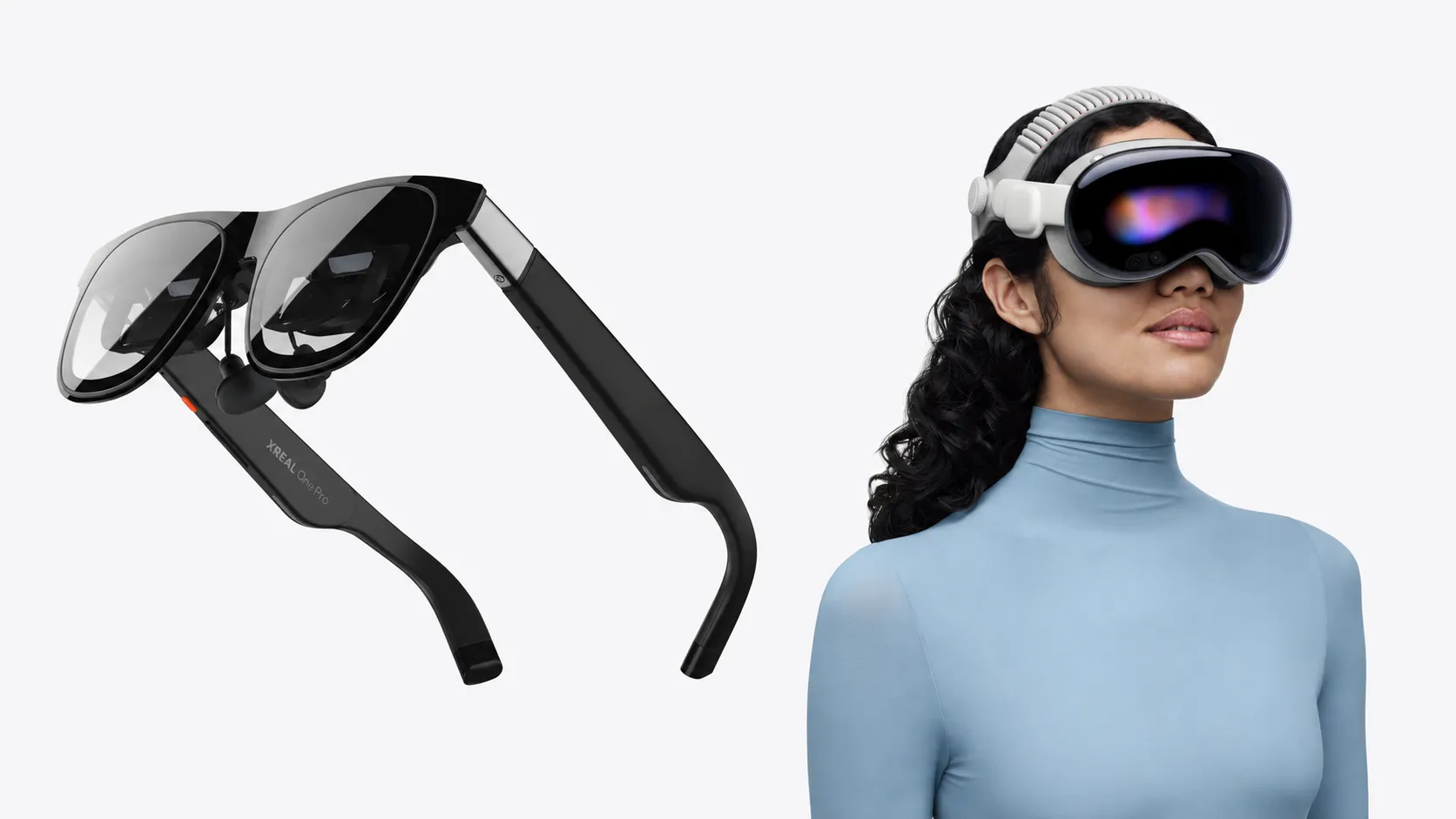
A rule keyed to "Meta smart glasses" already lags the market. Meta is heavily promoting its Ray-Ban and Oakley partnerships, Apple reportedly plans to unveil its own wearable in 2027, and Google, having stepped back from the category after Google Glass, is reentering it.
Prices have already dropped from Google Glass's $1,500 launch to $250-$500 for glasses offering a comparable suite of vision capabilities today.
A policy tied to one brand risks looking dated the moment a competitor ships a similar device under a different name.
That's the case for writing rules around capability rather than logo, and capability means more than the camera. Accessibility researchers point out that AI is turning audio capture, transcription, summarization, and information retrieval into everyday assistive tools, not just recording features.
A policy that only asks whether a device has a camera misses a microphone doing the same job, or an AI layer interpreting what the camera sees without ever saving the image.
The practical questions a policy should answer are more durable: Is the device capturing or merely processing information? Is anything stored? Where? Is it transmitted externally? Is a recording indicator visible? Can assistive processing happen without retaining the underlying image or audio at all?
Those questions don't have single right answers, and organizers won't work through them without technical and legal input. But they hold up regardless of which company's name is stitched into the frame.
Zone the venue, state the rule at each zone plainly, build the accessibility path in before badges go out, and staff will still be enforcing the same policy long after Meta's glasses stop being the headline.


Comments
Be the first, drop a comment!