


Reviewed by: Y. Garcia
Meta is rolling out the v21 software update (announced Dec. 16, 2025) that's transforming their Ray-Ban smart glasses from simple recording devices into something much more sophisticated. The company is tackling what's known as the classic "cocktail party problem" with their new Conversation Focus feature (FindArticles). This isn't just another tech gimmick — it's artificial intelligence being deployed to amplify nearby voices while suppressing background noise in chaotic environments (WebProNews).
What makes this particularly clever is how seamlessly it integrates with real-world use. Users can fine-tune audio intensity through subtle gestures on the right temple or adjust settings directly on the device (FindArticles). Think about it — you're at a conference networking event struggling to hear potential collaborators, and with a quick swipe, their voices cut through the ambient chatter. When you move to a quieter corridor, another gesture dials it back to natural levels.
How the technology actually works behind the scenes
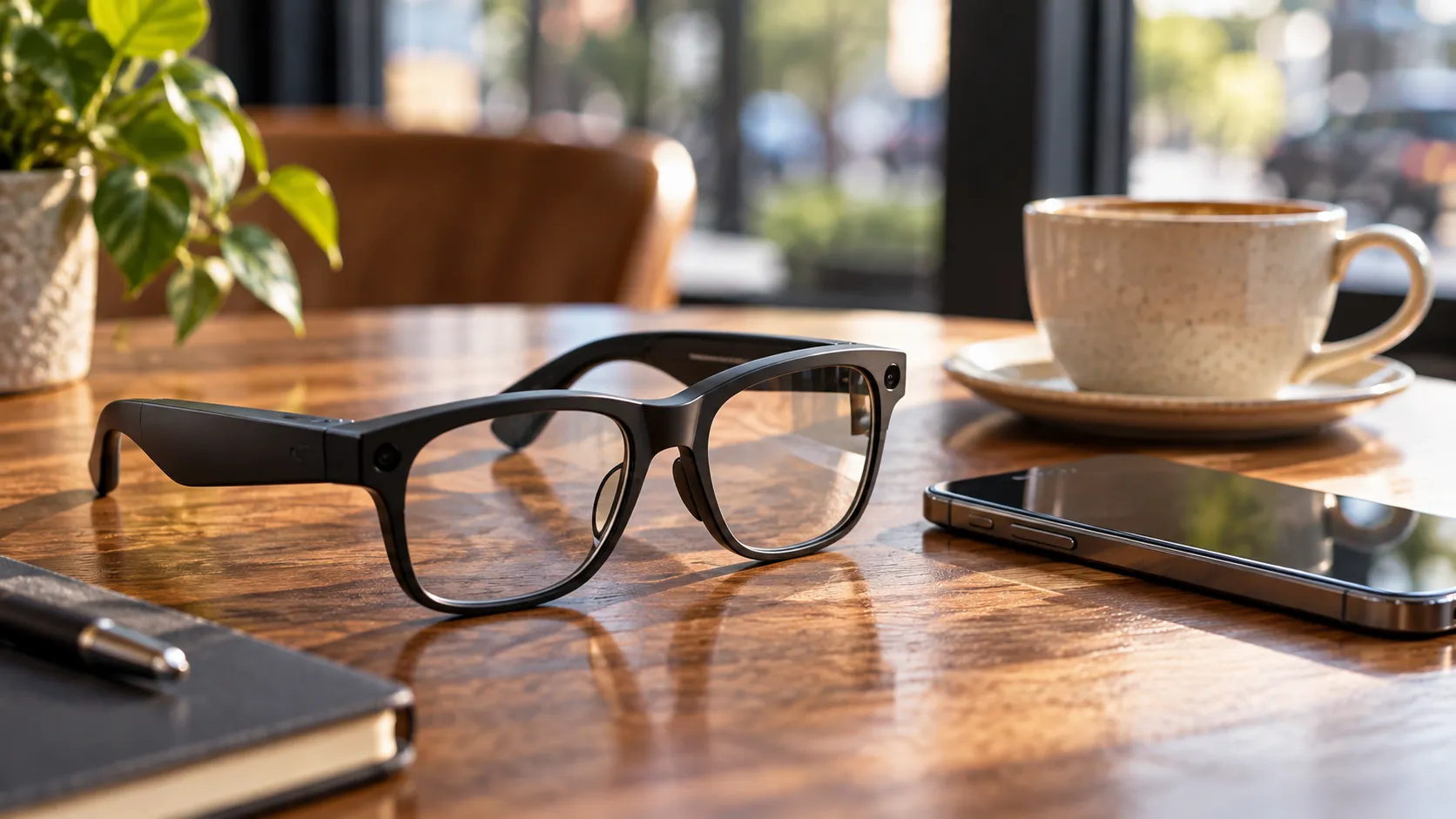
The engineering here is more sophisticated than it might initially appear. Meta's Ray-Ban glasses already feature a five-microphone array that was originally designed for clear calls and video recording, which now serves as the hardware foundation for this targeted voice amplification (FindArticles). The system combines directional audio technology with Meta's artificial intelligence investments to isolate and boost specific voices (WebProNews).
Here's what's particularly thoughtful about Meta's approach: the amplification remains purposefully subdued. It provides enough enhancement to separate conversational partners from ambient noise without turning the frames into obvious loudspeakers (FindArticles). This design choice maintains the social naturalness that makes these glasses compelling in the first place.
The touch controls demonstrate real attention to practical usage patterns. The gesture system on the right temple is designed for quick adjustments as users move between different acoustic environments — boosting the feature during busy restaurant conversations and dialing it back for quieter coffee shops (FindArticles). Behind the scenes, Meta's research team has invested heavily in combining audio and visual cues through their VisualVoice and Visually-Informed Dereverberation models, which utilize both video and sound data to differentiate conversation partners from background noise (HearingTracker).
PRO TIP: The processing happens entirely on-device, which means there's minimal latency between sound input and enhanced output — crucial for maintaining natural conversation rhythm.
Why this matters beyond just convenience
Now here's where things get genuinely interesting from an accessibility perspective. This feature represents a significant step toward making smart glasses genuinely assistive technology rather than mere novelties. Hearing clearly in noisy environments remains challenging even for experienced hearing aid users and creates barriers for millions who struggle with auditory processing (FindArticles).
While Conversation Focus isn't positioned as a medical device or hearing aid alternative, it can meaningfully reduce the cognitive effort required for listening in typical social situations (FindArticles). Consider the mental exhaustion that comes from straining to follow conversations in restaurants, coffee shops, or busy offices — that constant effort of trying to separate signal from noise.
Meta has previously established their smart glasses as comprehensive assistive devices through partnerships with Be My Eyes, offering live assistance for blind and low-vision users through the built-in camera (FindArticles). The Conversation Focus feature extends this accessibility mission to hearing enhancement, positioning the glasses as multi-modal assistive technology that addresses various sensory challenges in a single device (FindArticles). This approach signals Meta's broader ambition to make artificial intelligence ubiquitous through practical features that solve real-world problems (WebProNews).
Competing in the audio enhancement landscape
What's particularly smart about Meta's positioning here is how they're differentiating from existing solutions. Conversational enhancement features already exist in products like Apple's Conversation Boost on AirPods Pro and focus modes from Bose and Sony, but Meta's approach uses open-ear audio (FindArticles). This design choice allows users to maintain awareness of their surroundings while avoiding the social friction that comes with wearing obvious earbuds during face-to-face conversations (FindArticles).
The trade-off involves managing sound spillage from open speakers, which is why Meta carefully calibrated the gain to maintain natural interaction dynamics (FindArticles). You might be wondering how well this actually works in practice — and Meta is being refreshingly honest about the limitations. This update positions the glasses as direct competition to both hearing aids and noise-canceling earbuds (WebProNews).
Meta acknowledges that the feature may struggle in extremely crowded scenarios with multiple overlapping conversations, but they're planning ongoing software improvements to refine accuracy (WebProNews). This iterative approach suggests they're treating this as a foundational capability that will improve over time rather than a finished feature, potentially incorporating user feedback about specific acoustic environments and conversation patterns.
PRO TIP: For optimal performance, Meta recommends positioning yourself within six feet of your conversation partner and facing them directly when using Conversation Focus in particularly noisy environments.
Privacy considerations and rollout strategy
The enhanced audio capabilities inevitably raise surveillance concerns, particularly given that equipment improving audio pickup tends to attract scrutiny (FindArticles). Privacy advocates, including researchers at the Electronic Frontier Foundation, have consistently warned about always-on microphones in public spaces (FindArticles). These concerns aren't without merit — devices that can selectively amplify conversations could theoretically be used for eavesdropping.
Meta addresses these concerns by clarifying that Conversation Focus is an audio processing setting rather than a recording feature, though the glasses retain their front-facing LED indicator for video capture (FindArticles). The distinction matters: processing audio for playback through speakers is different from capturing and storing conversations. However, Meta's response includes transparency measures, such as user controls over data sharing, ensuring users understand what information flows through their systems (WebProNews).
The company is taking a measured approach to deployment, initially releasing the feature through their Early Access Program in the United States and Canada (FindArticles). This limited rollout allows Meta to gather real-world performance feedback across various acoustic environments before broader availability (FindArticles). Based on previous update patterns, users can expect iterative improvements as Meta analyzes usage data and fine-tunes the balance between clarity, comfort, and battery impact (FindArticles).
What this signals for wearable AI's future
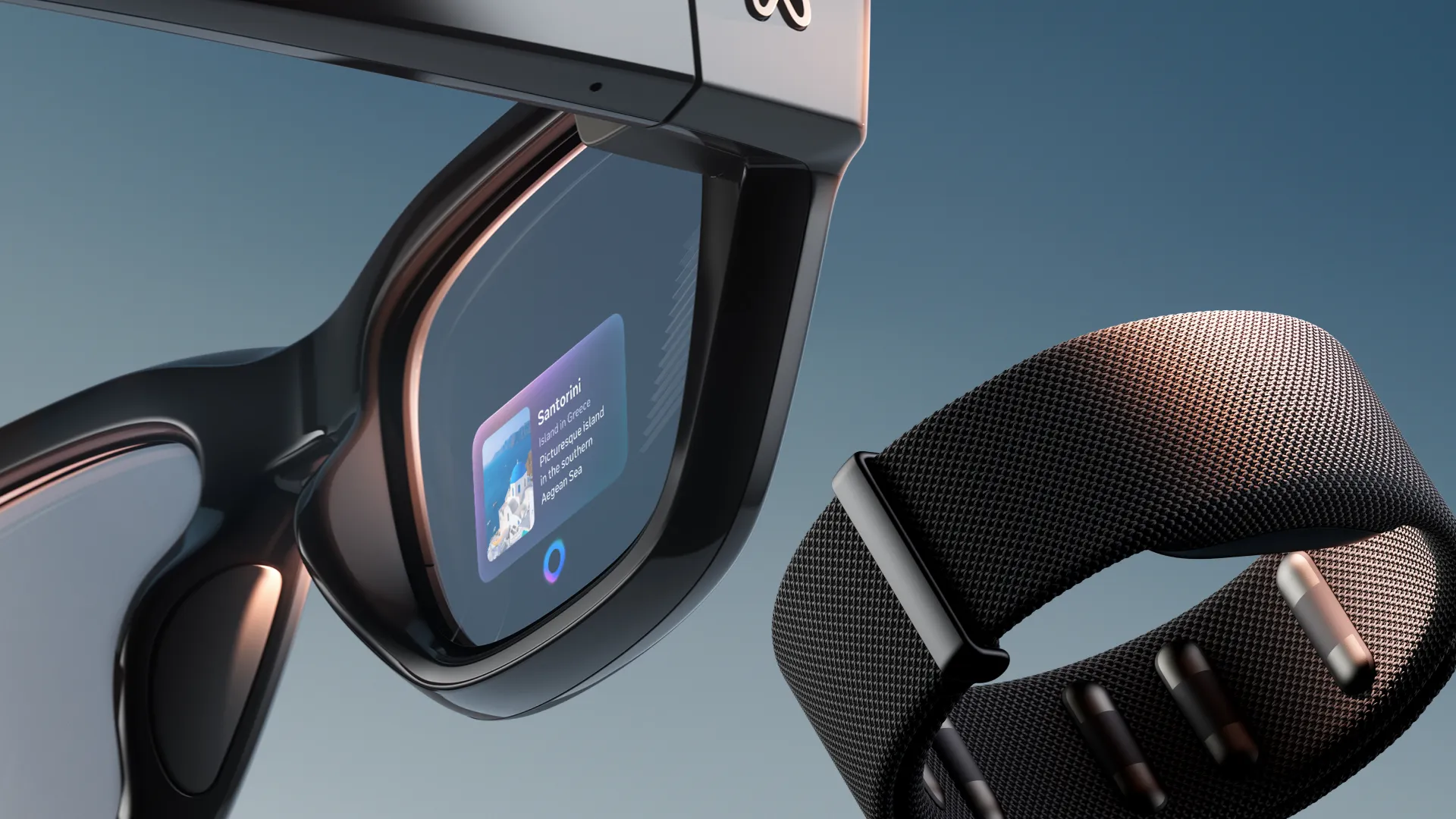
For smart glasses to transcend novelty status, they must address everyday problems more effectively than smartphones. Meta's focus on conversation enhancement represents exactly this type of behind-the-scenes functionality that makes interactions easier when users need them most (FindArticles). This isn't flashy augmented reality overlays or gimmicky features — it's solving the fundamental human challenge of hearing clearly in noisy environments.
The update also includes Spotify integration for contextual music playback, demonstrating how visual context can trigger app-based actions (AI Insider). This trajectory suggests Meta's vision extends toward personalized AI companions through advanced sensory integrations like haptic feedback and health monitoring (WebProNews).
The company's partnership with EssilorLuxottica has already generated meaningful revenue growth, indicating market validation for their approach (WebProNews). By positioning smart glasses as assistive AI wearables rather than passive accessories, Meta is establishing the foundation for more immersive experiences that could include real-time translations and message reading directly on lenses (AI Insider).
What's particularly compelling about this direction is how it prioritizes utility over novelty. The Conversation Focus feature represents the kind of ambient AI assistance that could genuinely improve daily life — technology that works quietly in the background to solve real problems rather than demanding constant attention. As Meta continues refining these capabilities through software version 21 and beyond, we're seeing the early stages of truly integrated wearable AI that enhances human interaction without replacing it, creating a foundation for future innovations that could fundamentally change how we experience and navigate our acoustic environment.







Comments
Be the first, drop a comment!