


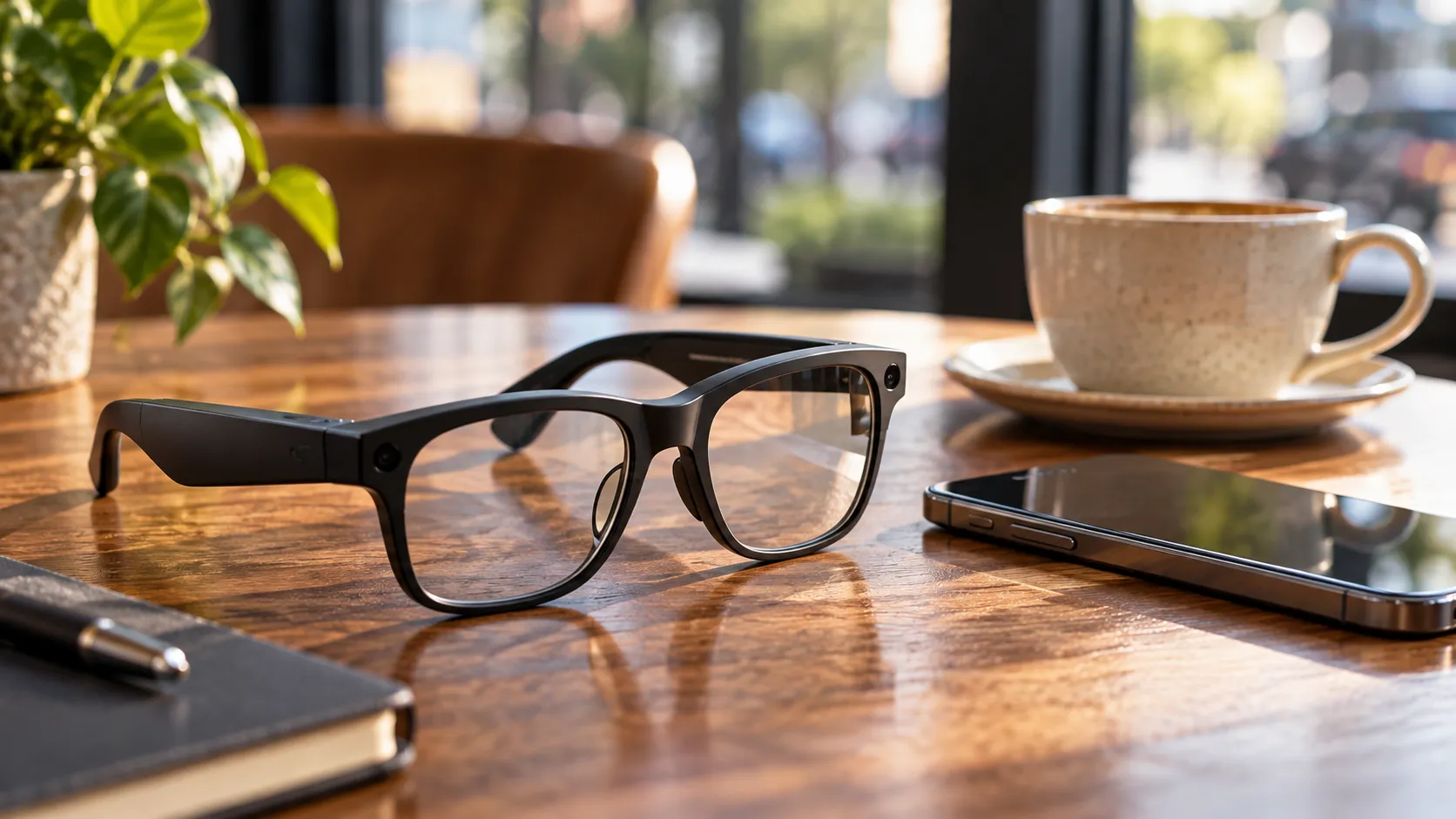
Samsung and Google are preparing to launch AI glasses with Gemini built in, and the Samsung Android XR smart glasses design problem goes beyond the technology inside.
Smart glasses have to work as two things at once: a piece of technology and a piece of personal style worn on the face every day. Samsung has shown several designs, but buyers still have limited independent evidence of how the frames fit and feel.
Samsung and Google unveiled their first intelligent eyewear designs at Google I/O 2026, developed with eyewear partners Warby Parker and Gentle Monster, with an initial launch planned for this fall in select markets.
Android Authority argued on Oct. 21 that the deciding factor may not be the chipset or software, but whether buyers can picture the frames looking good on them. Meta's Ray-Ban partnership provides an established benchmark, particularly through the Wayfarer design and its decades of cultural recognition.
That's not the same as saying Samsung's glasses look bad. The reporting includes no comparative fit testing or independent reviews establishing that either design is more comfortable. The narrower question is whether buyers have enough public evidence to feel confident choosing the new frames, and whether Samsung's rollout can build that confidence before launch.
Why Samsung Android XR smart glasses face a design problem
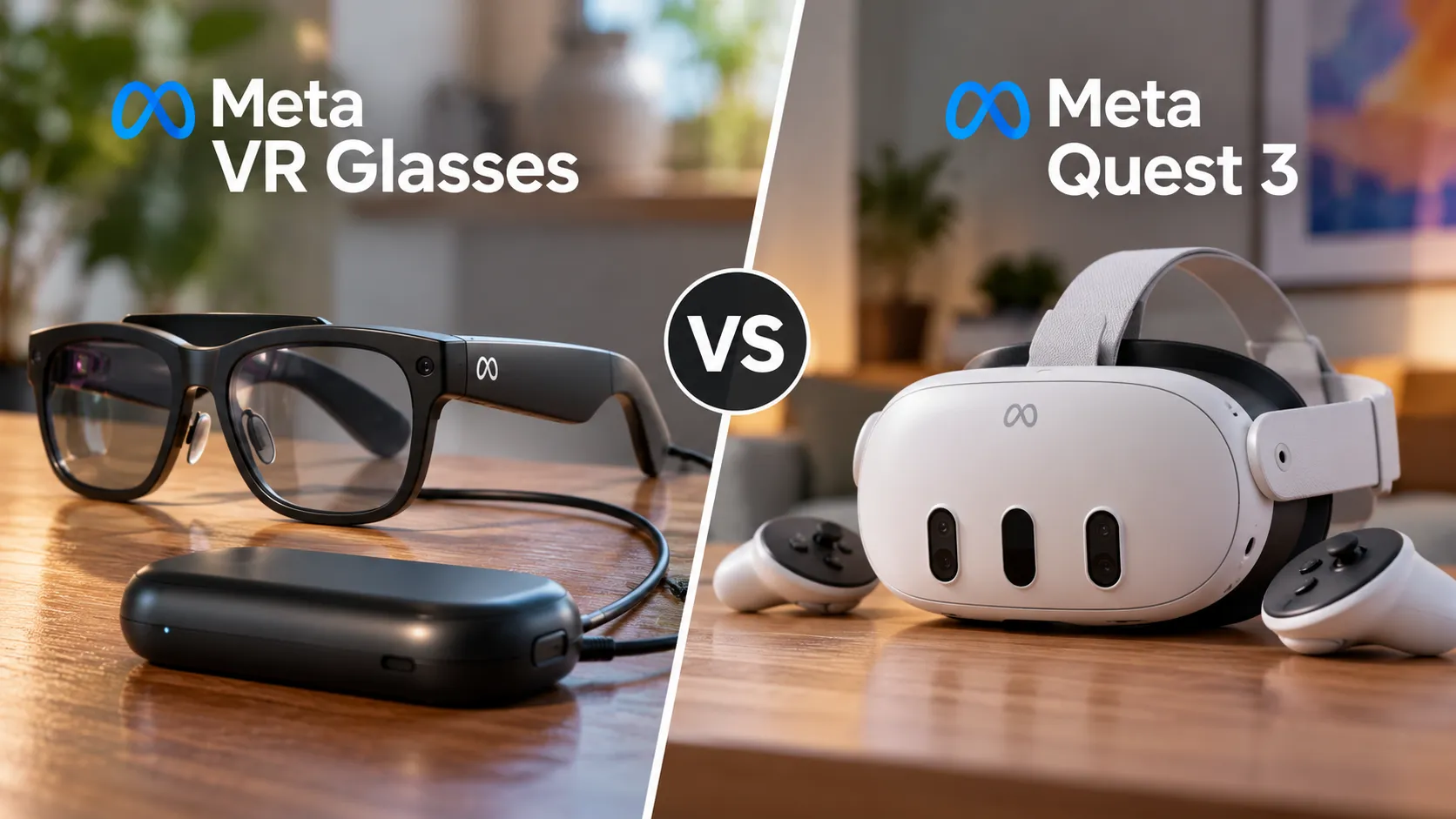
Compare the two approaches, and a difference emerges. Samsung and Google are developing the hardware and software platform, including Gemini integration, while Warby Parker and Gentle Monster contribute their eyewear design expertise. Meta, meanwhile, has an established partnership with Ray-Ban, whose recognizable frame styles give shoppers a familiar starting point.
Android Authority argues that Ray-Ban's history makes Meta's glasses easier to consider without extensive hands-on experience. That's an editorial assessment, not a measured finding about buyer confidence. Samsung's partnerships also bring established eyewear expertise, but the new products haven't yet developed the same public familiarity.
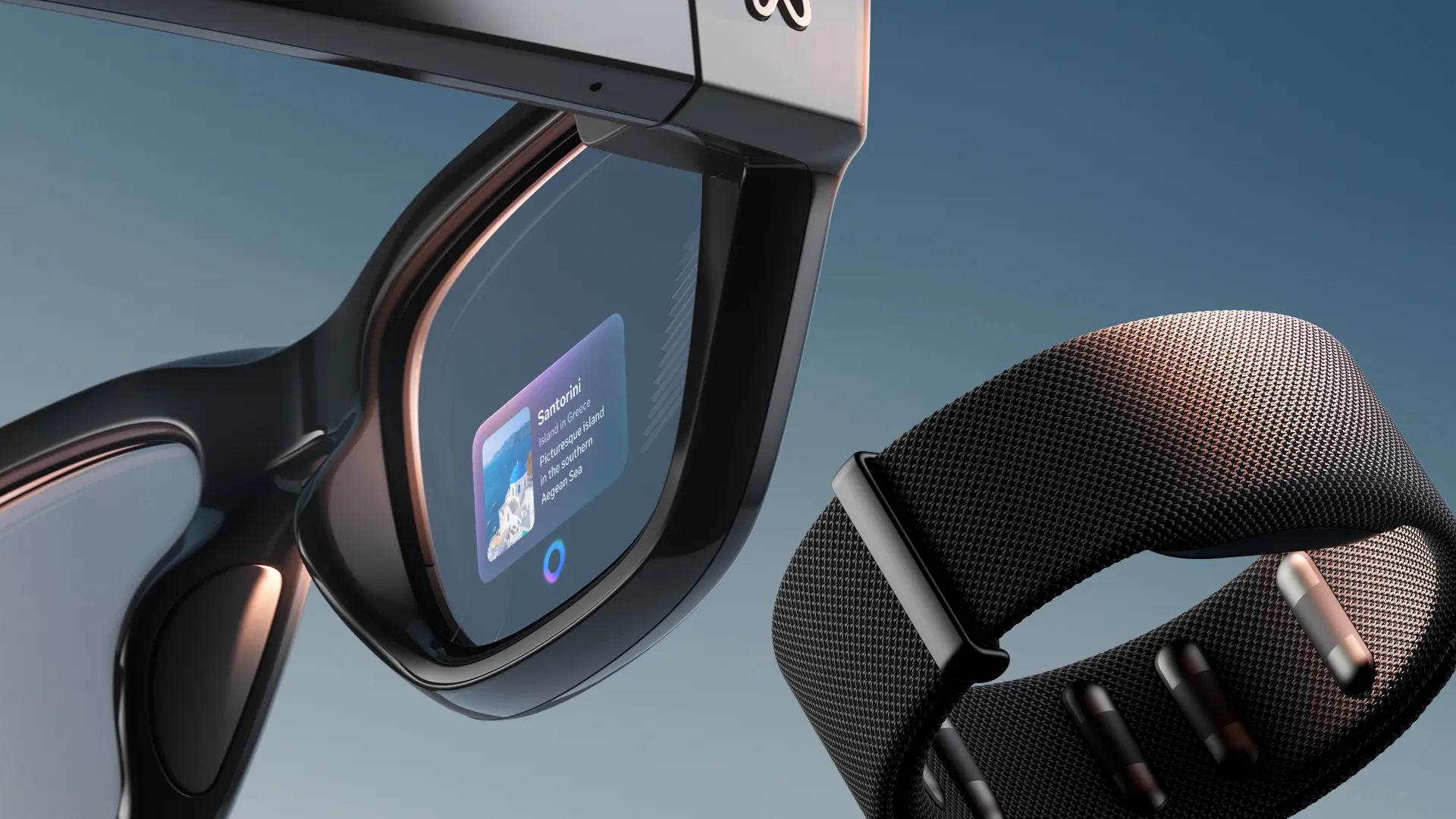
The platform itself has been in development for years. Google introduced Android XR in December 2024, with developer tools including Android Studio, ARCore, and Unity. The company has since outlined two categories of intelligent eyewear: audio glasses offering voice-based assistance and display glasses capable of showing information within the wearer's field of view.
The first audio glasses are scheduled to launch this fall. Google says they will work with compatible phones and offer Gemini-powered assistance, messaging, navigation, translation, and photo and video capture.
But the software isn't the only consideration. Buyers also have to decide whether the frames suit their faces, feel comfortable enough for daily wear, and justify the cost of prescription lenses if needed. Those are familiar challenges for eyewear brands, and Samsung's partners have experience addressing them.
Ray-Ban Meta's decades-long head start
Meta's advantage isn't limited to individual features. It's the familiarity of an established eyewear design that shoppers may already have worn or seen on other people.
Android Authority describes the Ray-Ban Wayfarer as a benchmark Samsung and Google must compete against, calling it "instantly recognizable, easy to wear," and suggesting it suits a wide range of face shapes. That's the outlet's judgment rather than independent fit-testing data, but it reflects the design's long history.
Ray-Ban's head of brand and communications, Alessandro Longo, told British Vogue that the Wayfarer helped transform eyewear from a primarily functional product into an expression of personal style and identity.
That relevance isn't just nostalgia. Fashion coverage cited by Android Authority points to the Wayfarer's continued visibility at recent fashion shows in Paris and Milan. The design's familiarity gives Meta an advantage that a newly introduced frame collection cannot immediately replicate.
Distribution adds to that advantage. Ray-Ban Meta glasses are available through electronics retailers, carrier stores, major online retailers, and opticians, giving shoppers multiple opportunities to see or try the product.
None of this proves Wayfarers fit better than Samsung's frames. There's no comparative evidence here about weight distribution, nose-pad pressure, or comfort across different face shapes. Meta's advantage is primarily one of familiarity and established retail availability, not demonstrated technical or comfort superiority.
What would prove Samsung's strategy is working
The question isn't whether Samsung's partners made a design mistake. It's what evidence would show that the Warby Parker and Gentle Monster approach can compete with Ray-Ban's established presence.
Start with opportunities to see and try the glasses. Samsung and Google have published promotional images showing people wearing the frames, and they revealed additional designs at Galaxy Unpacked in July. But promotional photography cannot establish how the glasses will look or feel across a wide range of customers.
Android Authority's Andy Boxall reported seeing the first Warby Parker and Gentle Monster frames in person at the Galaxy Z Fold 8 and Z Fold 8 Ultra launch. He said he could handle the glasses but wasn't permitted to try them on, leaving important questions about fit unanswered.
Retail availability could help close that gap. Warby Parker operates hundreds of US retail locations, providing a potential opportunity for shoppers to try the glasses before purchasing. Whether Samsung and its partners will offer widespread hands-on fittings through those stores remains unconfirmed.
Price adds pressure to get the decision right. Prescription lenses can substantially increase the cost of smart glasses, depending on the prescription and lens options. Buyers considering an expensive pair will want confidence in the fit before committing.
A useful pre-launch signal would include published frame measurements and weights, transparent prescription-lens pricing, confirmed fitting availability, and independent reviews showing the glasses on a variety of face shapes.
Samsung has already shared some information about its design approach, including lightweight frames, multiple styles, and attention to comfort. But detailed specifications, retail fitting arrangements, and independent assessments remain important gaps in the evidence available to buyers.
There's also a potential advantage to Samsung's strategy. Working with both Warby Parker and Gentle Monster could offer buyers more variety in frame shapes and aesthetics. Samsung has already shown different designs from the two brands, although it remains to be seen how extensive the final collections will be.
That variety could help Samsung appeal to shoppers who don't want the familiar Wayfarer look. Whether it becomes a meaningful competitive advantage will depend on the final products, their availability, and how they fit in everyday use.
The test still ahead
Samsung and Google's first Android XR intelligent eyewear is scheduled to arrive this fall in select markets, although an exact release date and full pricing details haven't been announced. With October underway, the expected launch window is approaching its final stretch.
Meta's edge is best understood as established buyer familiarity, not proven technical or comfort superiority. Samsung and Google can't replicate decades of Ray-Ban recognition before launch, but they can give shoppers more information to make confident decisions.
That means publishing detailed dimensions and weights, clarifying prescription-lens costs, confirming where customers can try the frames, and making the products available for independent hands-on assessments.
For readers considering these glasses, those details matter more than another demonstration of Gemini's capabilities. Until buyers can compare fit, comfort, pricing, and availability, Samsung's biggest challenge may be proving that its AI eyewear works as everyday eyewear, not just as technology.





Comments
Be the first, drop a comment!