


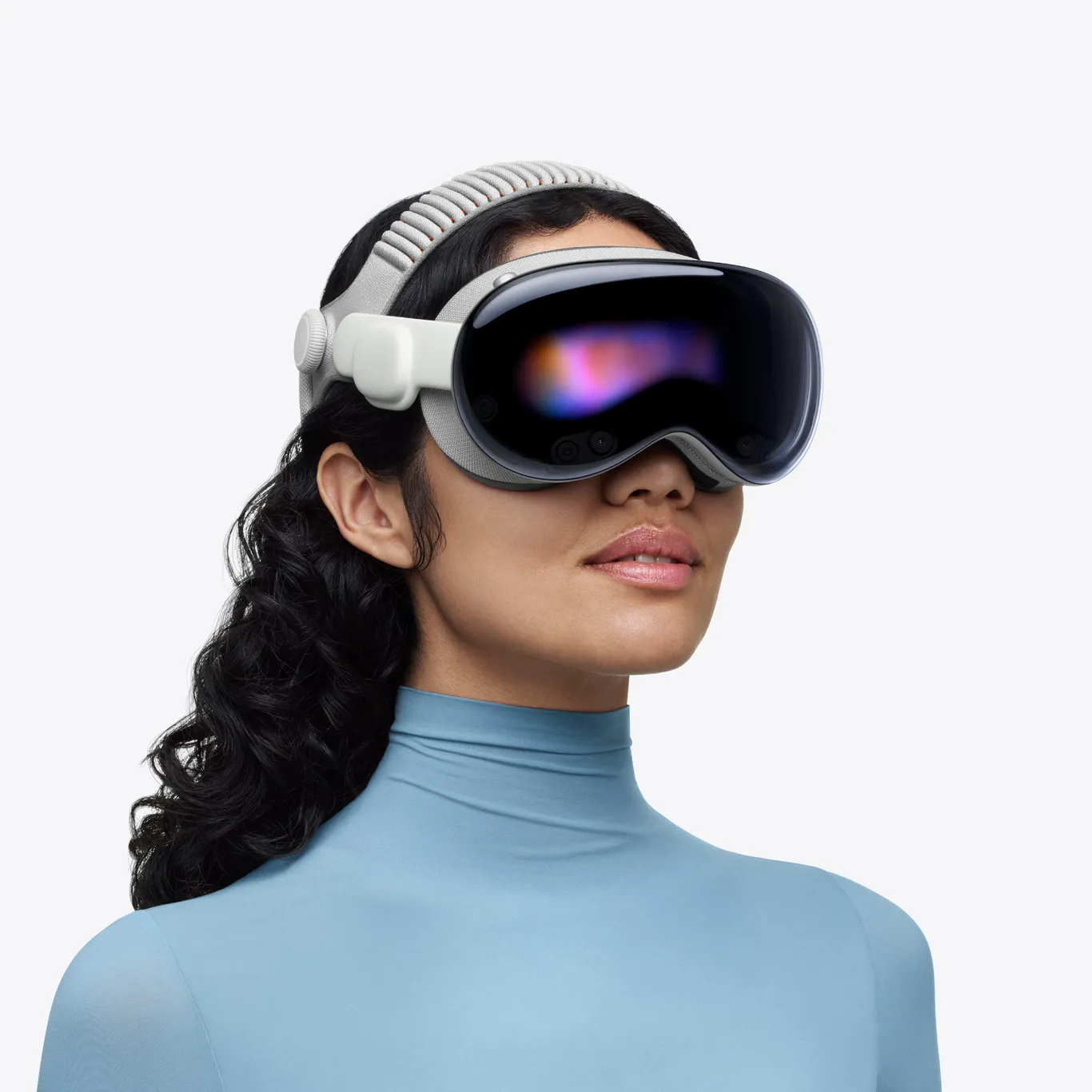
Apple seeded the second developer beta of visionOS 27 this week, pushing the cycle forward on what's shaping up as the platform's most substantive software update since launch. No public changelog accompanied the visionOS 27 beta 2 build, and available reporting hasn't identified features specific to this second seed. The fullest picture of the current beta cycle comes from hands-on testing of beta 1 combined with Apple's own confirmed roadmap, both of which are covered here with clear labels.
Apple says visionOS 27 is coming this fall, with Apple Intelligence support on Vision Pro models with M2 and later, though some Siri AI capabilities require M5. The first beta, build 24M5291p, shipped two weeks ago alongside the visionOS 27 SDK bundled in Xcode 27, per Apple's developer release page, and already lacked many features confirmed for the stable launch, UploadVR noted. Siri AI is listed separately from the fall visionOS 27 release and is coming in English as a beta later this year.
Three things are worth separating out: what beta 1 hands-on testing verified, what Apple has confirmed for the fall stable release but hasn't yet pushed to the betas, and what's been deferred past launch entirely.
What the current visionOS 27 developer beta cycle shows
The following features were present and verified in beta 1 hands-on testing. They represent the current testable state of the cycle.
The most visible usability change is to notifications. Eye-tracking now triggers them directly, so users can expand a notification simply by looking at it, then take further action. The Control Center display has been redesigned as well, according to Mogura VR's beta 1 hands-on.
Safari has been meaningfully expanded. The browser now supports up to five websites displayed side by side simultaneously, and oversized single pages automatically curve in space once they exceed a size threshold. The curvature isn't adjustable. Apple says Vision Pro starts and connects to Wi-Fi up to three times faster in a test from first unlock after reboot to Apple TV app launch/content appearance, with performance varying by conditions.
High Quality Recording is one of the more practical additions for current owners. Previously, on-device recordings were degraded by foveated rendering, which blurred everything outside the center of the frame. visionOS 27 adds a mode that captures up to three minutes of full-resolution, unfoveated 4K footage without requiring a Mac. Mogura VR captured all images and video in its beta 1 coverage using this mode, per that report.
Personalization has also expanded. Users can convert their own panoramic photos into 3D environments that stand in for their surroundings inside Vision Pro. These cover roughly 180 degrees and carry no ambient sound, unlike Apple's official environments, which are 360 degrees and include audio. A new official environment, Thórsmörk, is also in the current build.
What Apple has confirmed for the visionOS 27 developer beta 2 fall release
Beyond what's live in the betas, Apple has confirmed a set of features for stable launch that serve distinct audiences.
Accessibility
Two additions stand out as among the most consequential changes in the entire update. visionOS 27 will automatically generate subtitles for any video using an on-device speech recognition model, with no internet connection required, according to UploadVR.
The update also adds native eye-tracking control for select power wheelchairs, launching with Tolt and LUCI alternative drive systems in the U.S. and supporting both Bluetooth and wired connections, UploadVR reports. International availability and regulatory status aren't confirmed in current sources. The wheelchair integration takes Vision Pro's gaze hardware into territory well outside standard UI interaction.
Developer tools
visionOS 27 bakes native Gaussian splat rendering into the OS, removing the need for developers to implement that pipeline themselves, per UploadVR. Apple Maps Flyover is already using it; Tokyo is rendered in detail via Gaussian splatting in the current build, Mogura VR confirms. This isn't a niche addition it's already a first-party feature running at scale.
Custom spatial accessory development is now open to third parties, going beyond the Logitech Muse and PSVR2 Sense controllers introduced in visionOS 26, per Apple's WWDC developer session. Reality Composer Pro has been updated to version 3 with expanded functionality, and Apple says it is bringing RealityKit and Reality Composer Pro "even closer together" in this release, per the same session. The visionOS 27 SDK is available now inside Xcode 27.
Streaming and immersive content
The Foveated Streaming Framework, which launched in visionOS 26.4 and compresses video based on where the user is looking, has been updated in visionOS 27 with improved PC streaming quality, Mogura VR reports. Apple Immersive Video supports both VOD and live broadcast at 90 fps and more than 100 megapixels per frame, per Apple's WWDC session.
What Apple has deferred past the fall launch
Siri AI is the headline deferral. Apple describes it as a "profoundly more capable" conversational assistant with personal context understanding and broad world knowledge, per UploadVR, but it won't ship with visionOS 27 this fall. It's arriving as a separate update later in 2026. In visionOS, Siri AI takes the form of a persistent orb users can pin to a physical spot in a room, per UploadVR, a design that treats the assistant as a fixed part of the spatial environment rather than a modal interface summoned on demand.
Visual Intelligence, which uses eye-tracking to recognize and respond to whatever the user is looking at inside Vision Pro, was demonstrated at WWDC with a user querying a backpack on a product page. Its rollout is tied to Siri AI's deferred timeline.
Apple representatives at WWDC consistently described spatial computing as still in its early stages, per Mogura VR, and third-generation Apple Intelligence is described as the foundation for all functions across Apple's product line going forward, including visionOS, per the same report. The fall release reflects that sequencing: a broad base of usability, accessibility, and developer improvements arrives first, with the AI layer following on its own schedule.

Comments
Be the first, drop a comment!