


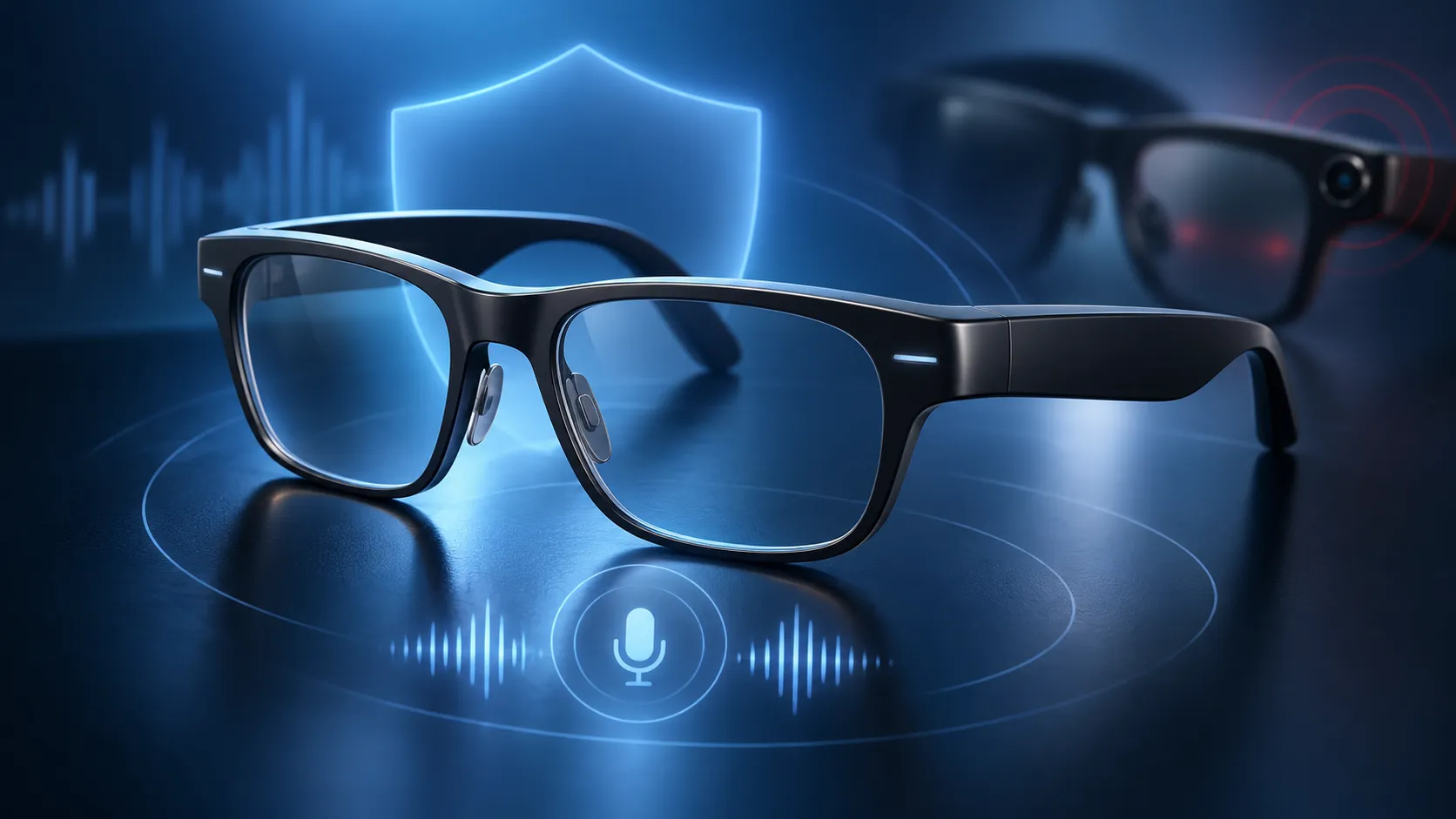
Meta Connect 2026 begins Sept. 23, arriving after years of scrutiny over how Meta's smart glasses can record people without their knowledge or consent, as PCMag reported last week. Reporting suggests the company's response could include a new product: a camera-free pair of glasses that removes the most visible trigger for the backlash.
Whether that resolves the Meta Connect 2026 privacy concerns swirling around Meta's hardware, or simply narrows them, is a separate question the announcements alone won't answer.
Meta CTO Andrew Bosworth said during a recent Instagram AMA that the company would have "more to say" about glasses misuse at Connect, according to Engadget. Meta has already taken steps to block recording when a wearer tampers with or covers the capture LED and has acted against harassing glasses-filmed videos posted online.
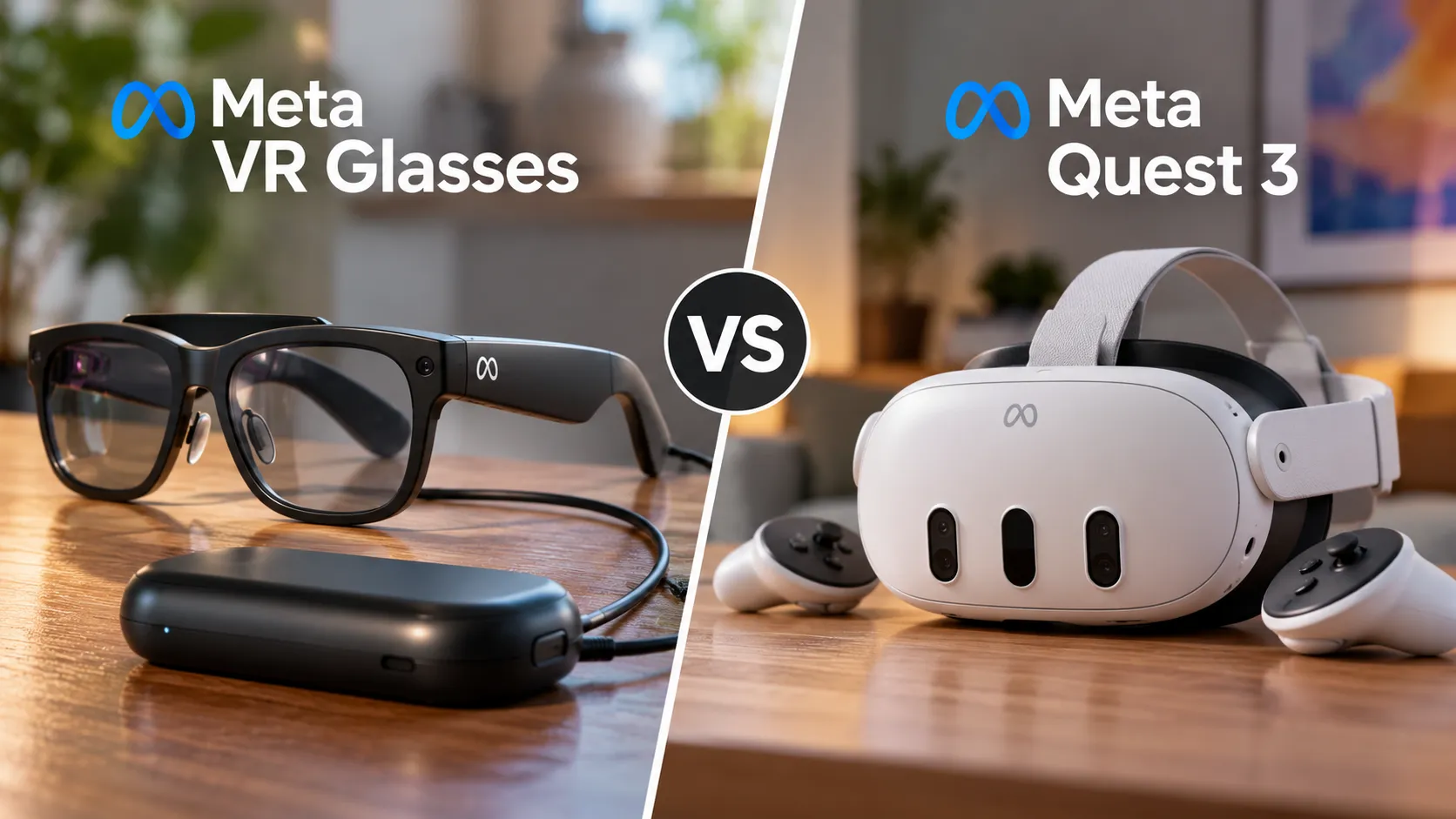
Multiple outlets citing The Information say Meta may also unveil a camera-free pair of glasses, internally called Luna, at the show, with shipping targeted for October, as The Verge reported.
Meta Connect 2026 Privacy Announcement: What Meta May Reveal About Luna
The sourcing is limited: every detail about Luna traces back to The Information, relayed through PCMag and The Verge. Meta hasn't confirmed the name, the specs, or the shipping date directly.
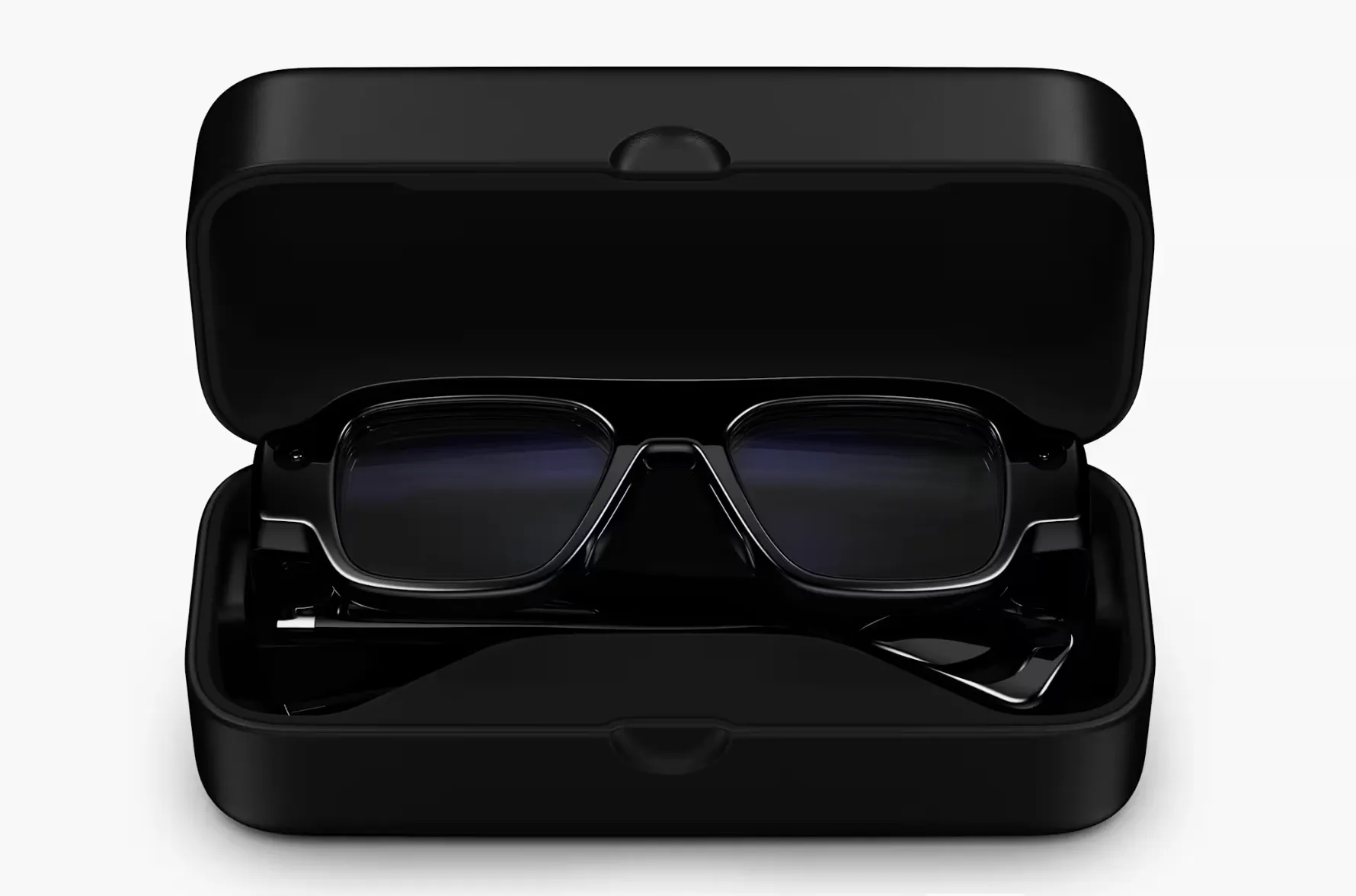
With that caveat in place, the reported details are specific. Luna is expected to come in two frame styles, Clubmaster and Burbank, and to include six microphones for talking to Meta AI and the newer Muse AI agent, a dedicated Meta AI button, and speakers, but no camera, according to PCMag and The Verge. Dropping the lens reportedly let Meta shrink the arms closer to the profile of ordinary glasses.
The timing matches a specific problem. Smart glasses have already faced bans in courts and some public venues over covert-recording fears, and critics have used labels such as "pervert glasses" for camera-equipped wearables. A camera-free model would remove the recording capability driving much of that criticism.
Luna's rumored microphones make audio handling an obvious follow-up question, but Meta has not disclosed whether its data practices would match those of current models. If the glasses ship as described, they would still rely on microphones for voice prompts and interactions with Meta AI and Muse. What gets transmitted, retained, or reviewed isn't public yet.
Meta Smart Glasses Privacy Concerns: What Happens to Captured Data Now
The existing Ray-Ban Meta glasses offer the clearest preview of Meta's current data pipeline, since Luna's remains unknown. Media captured on the glasses stays there until it's imported, but unless a wearer is livestreaming, importing happens automatically by default into the Meta AI app, which is required to set the glasses up, according to the Electronic Frontier Foundation.
AI features don't run locally on the glasses, so using them sends relevant data to Meta for processing, EFF says.
Recorded audio from conversations with Meta AI is saved by default too, EFF notes, and deleting it requires manually removing those interactions. Wearers can turn off "Cloud media" in the app's privacy settings, which stops photos and videos from being sent to Meta's cloud for processing and temporary storage, one of the few concrete Meta AI glasses privacy controls available to users who go looking for it.
Some footage can still undergo human review. EFF cites reporting that video captured by the glasses, including footage involving nudity and other sensitive moments, has been reviewed by humans.
The Next Web reported separately that workers at Sama, a Nairobi-based outsourcing firm contracted by Meta to produce AI training data, described reviewing footage of people having sex, using the bathroom, and undressing. Meta ended the Sama contract earlier this year, giving 1,108 affected workers six days' notice; Meta said the firm didn't meet its standards, according to the same reporting.
That arrangement is now the subject of litigation. Two US lawsuits allege Meta marketed the glasses as privacy-protective while routing footage through human reviewers, The Next Web reported, though Meta has said its terms disclosed the possibility of human review.
Meta spokesman Tracy Clayton told the BBC the company has "teams dedicated to limiting and combating misuse," but added that "the onus is ultimately on individual people to not actively exploit it," according to the reporting cited by The Next Web.
Luna hasn't been described in these terms at all. Whether its audio handling, human-review exposure, or default settings mirror the current glasses is something only Meta can confirm, and Connect gives the company a chance to address it.
What German Regulators Found in Ray-Ban Meta Glasses
Hamburg's data protection officer, Thomas Fuchs, opened an investigation into the Ray-Ban Meta glasses, and his office's analysis concluded there's "hardly any legal basis" for routine public use unless Meta changes the design and default settings, according to heise. Investigators dismantled a first-generation Wayfarer model to study how it moves data.
The capture LED, meant to warn bystanders they're being recorded, was found barely visible in daylight, according to the investigators' findings. Their testing also found that the anti-tamper protection covering that light could be defeated and that an active recording could continue after the light was covered.
That finding now needs an important qualifier. Meta has since tightened its anti-tampering protections. The company first moved to disable the camera when the recording LED was physically altered and later updated its glasses so covering the LED during recording stops the camera. The Hamburg findings describe the hardware and software investigators tested, not necessarily the behavior of fully updated glasses today.
Investigators also found dormant database tables with names associated with face matching, including "face," "face_group," and "face_low_confidence_pair," inside the app's storage, according to heise. The tables were empty during testing and no facial recognition was active, so their presence does not establish that the glasses were identifying people.
Meta has separately experimented with unreleased facial-recognition technology for its glasses. Reporting earlier this year found code connected to a system known internally as NameTag, though Meta later removed nearly all traces of that system from the companion app and said it had made no final decision about launching facial recognition.
The legal stakes heise lays out are specific, though they reflect the regulator's analysis rather than a court ruling. Wearers who film uninvolved people in public, or allow footage to be used for AI training, could lose the GDPR's household exemption, the report says. The authority's analysis argues that this could expose wearers to joint responsibility with Meta under Article 26.
It's a design-and-defaults problem in Fuchs's analysis, and the concerns extend beyond the mere presence of a camera to what happens to recordings and AI-processing data after capture.
Meta Mixed Reality Headset Phoenix and the Wider Privacy Picture
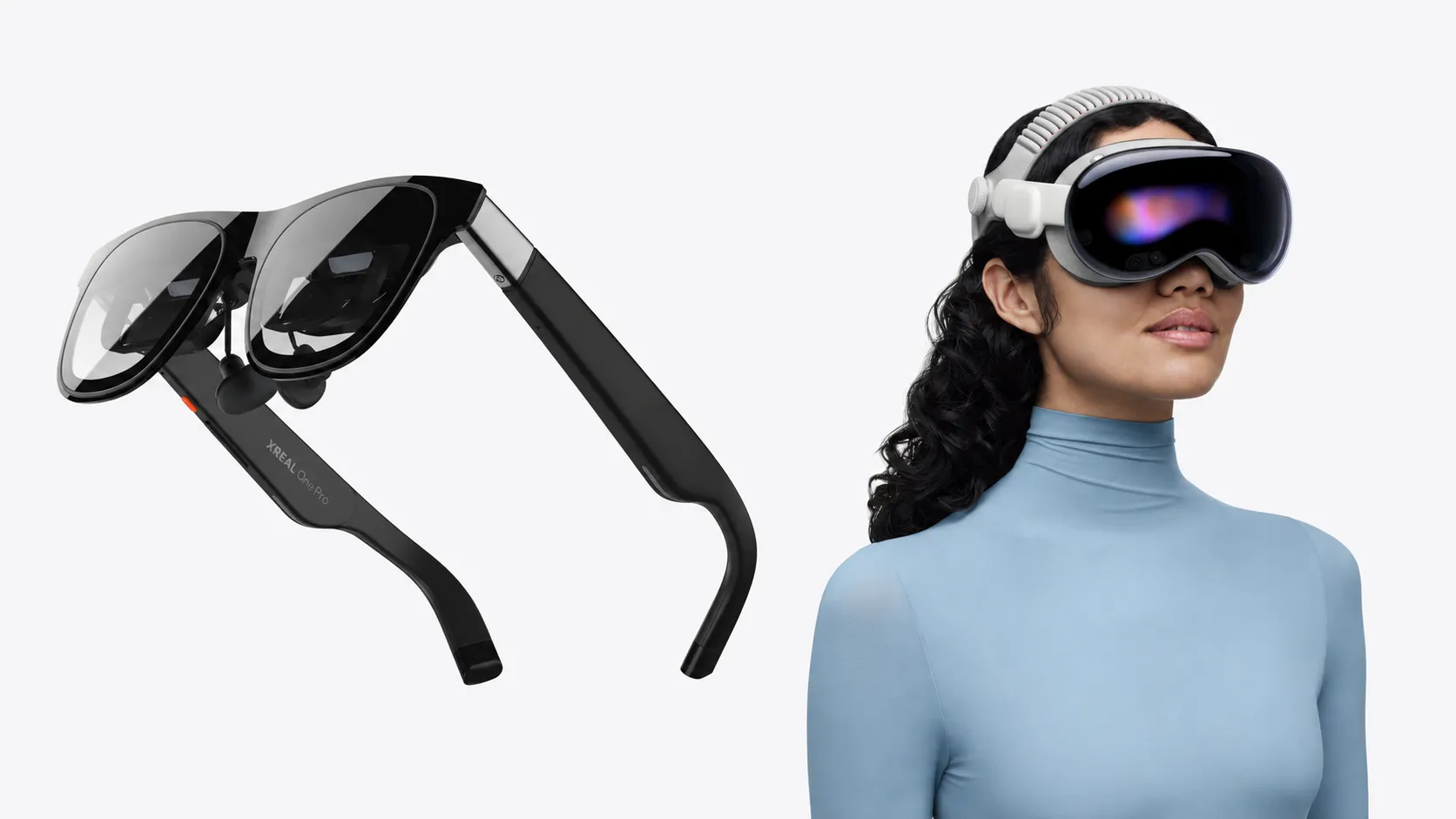
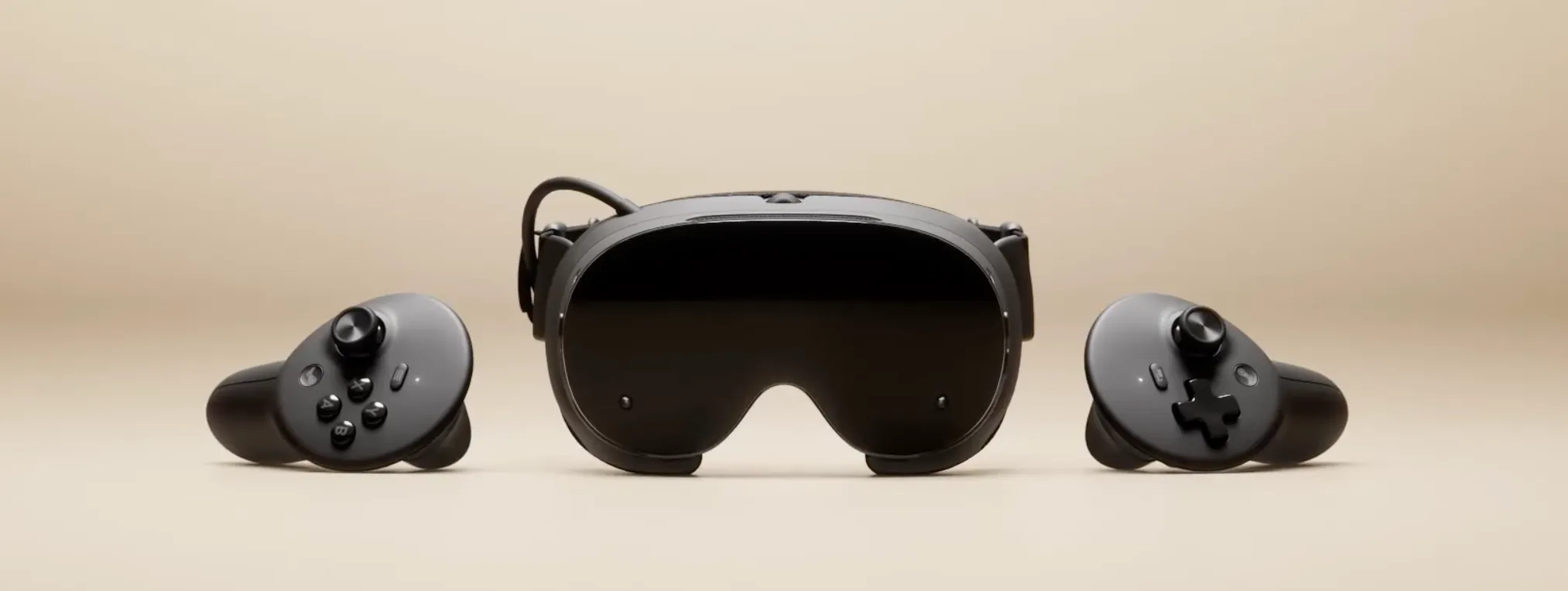
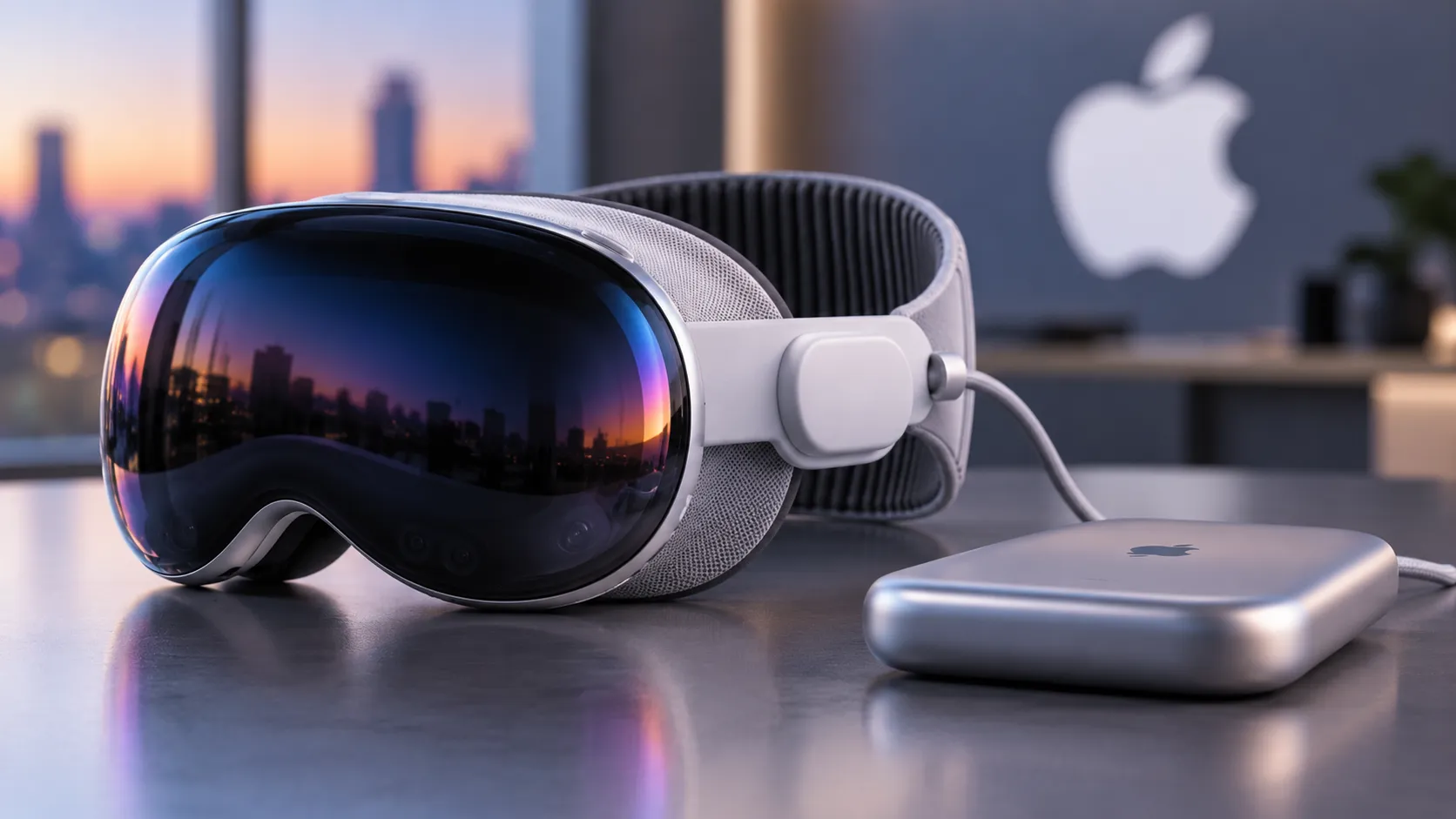
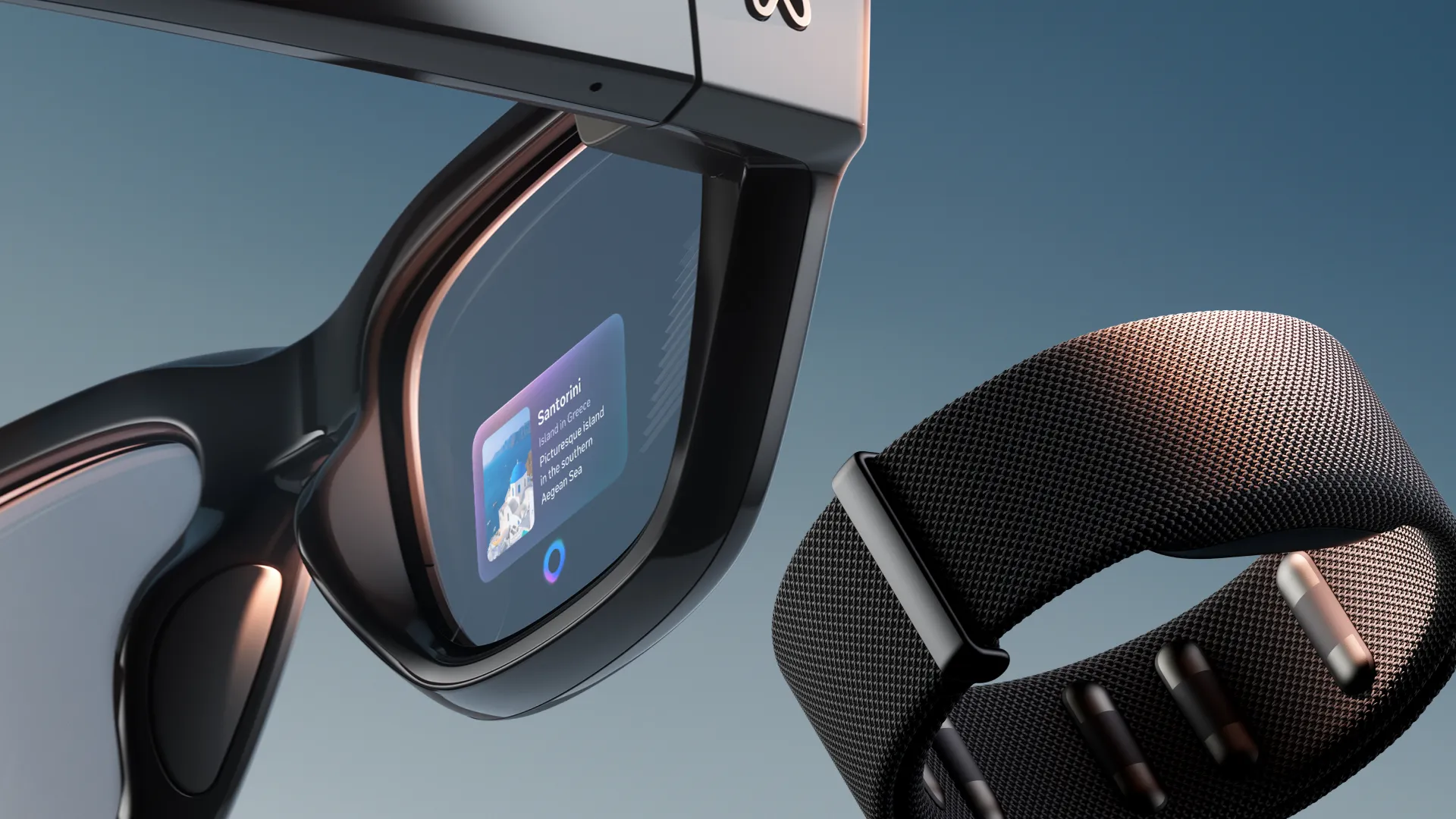
Connect's privacy stakes extend beyond Luna. Engadget's preview describes leaked HorizonOS images showing a thin, goggle-like mixed reality device tethered to a separate compute puck, with hand and eye tracking instead of dedicated controllers. The device is reportedly codenamed Phoenix and could use Qualcomm's Snapdragon Reality Elite chip, which was designed for thinner mixed reality hardware.
The Verge, citing The Information, describes Phoenix differently: as AR glasses capable of projecting a virtual workspace or movie screen, targeting a 2027 release. That creates a real discrepancy in the current reporting around the Phoenix name and form factor, worth leaving unresolved until Meta confirms what the device actually is.
Either version raises a related but distinct question from Luna's. Hand and eye tracking would involve a different class of sensor data than a microphone-focused pair of glasses does, and Meta hasn't publicly detailed how data from an unreleased Phoenix device would be processed or stored.
Phoenix therefore broadens the privacy conversation from covert filming to sensor and potentially biometric-data governance, whichever form the product ultimately takes.
Apple and Google are also developing competing smart-glasses products, while Snap continues to expand its own glasses platform. The Next Web cited a Counterpoint Research estimate putting Meta at roughly 82% of the global smart-glasses market in the second half of 2025.
That scale gives Meta's privacy defaults, on Luna, Phoenix, or its existing lineup, unusual influence as competitors prepare or expand their own products.
What to Watch This Week
Meta looks positioned to address covert-filming complaints through a camera-free product and stricter enforcement against tampering with recording indicators. Bosworth has signaled that Meta will address misuse at Connect, and recent reporting points in the same direction.
What Meta has not yet addressed publicly is the quieter set of questions raised by Hamburg's investigators and the EFF: how footage and audio move through Meta's servers, when human review occurs, and what happens when data is used to improve AI systems.
Those questions apply to the current generation of glasses, and nothing reported so far establishes whether Luna or Phoenix changes the answers.
Meta's response will be more informative if it addresses the specific gaps raised by regulators and privacy advocates, including stronger recording indicators, clearer disclosure and controls around AI training, and greater transparency around human review.
Those are the questions Connect can actually answer, camera or no camera.




Comments
Be the first, drop a comment!