


Virtual taekwondo Asian Games debut: how the VR sport works
Sixteen athletes from 15 countries will compete for a single gold medal when virtual taekwondo makes its first appearance as an official medal event at the Asian Games, part of the Aichi-Nagoya Games that open on September 19 (The Korea Times). It is the first time a virtual reality-based martial art has been added to the Games program, according to industry sources cited by The Korea Herald.
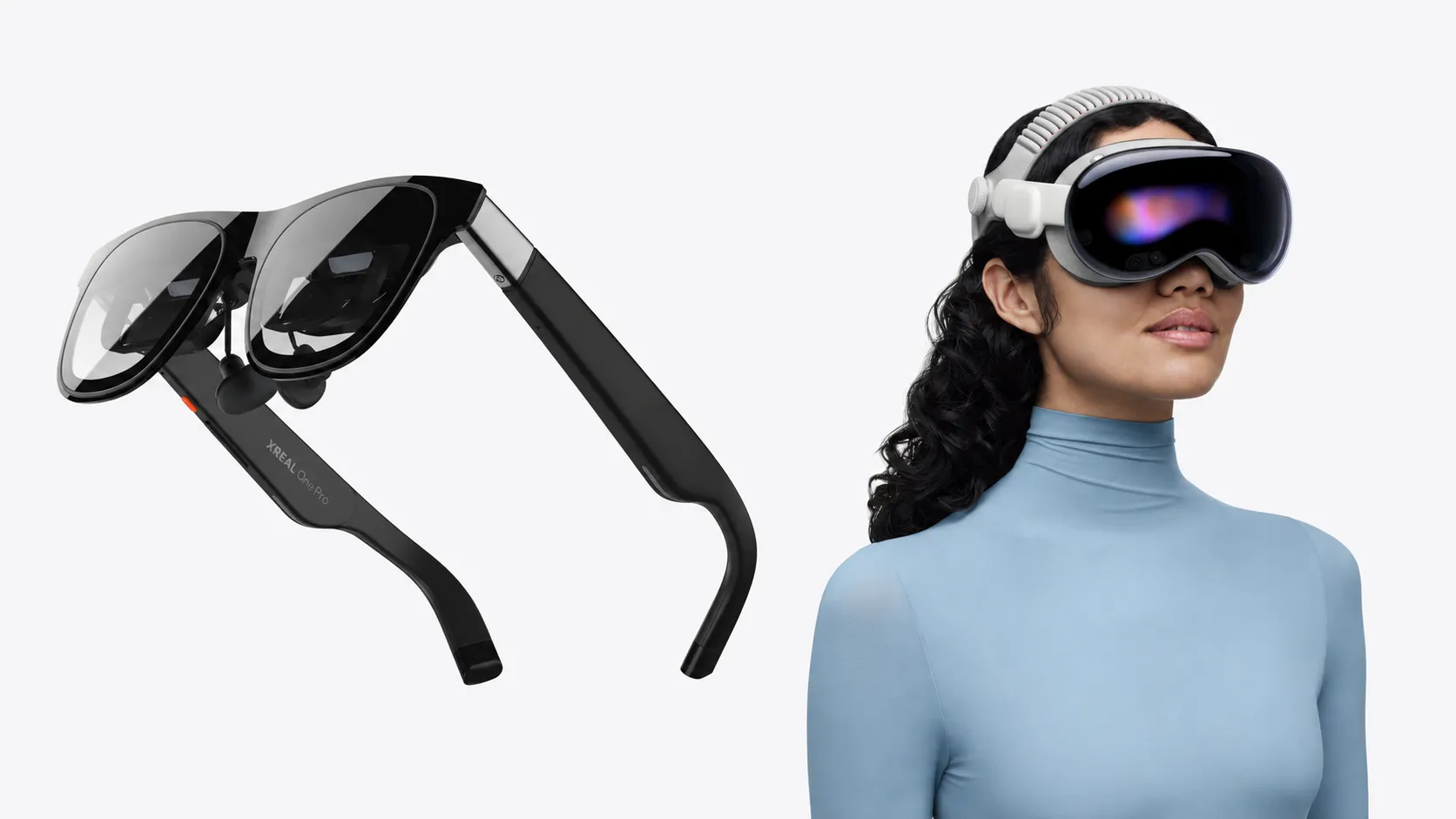
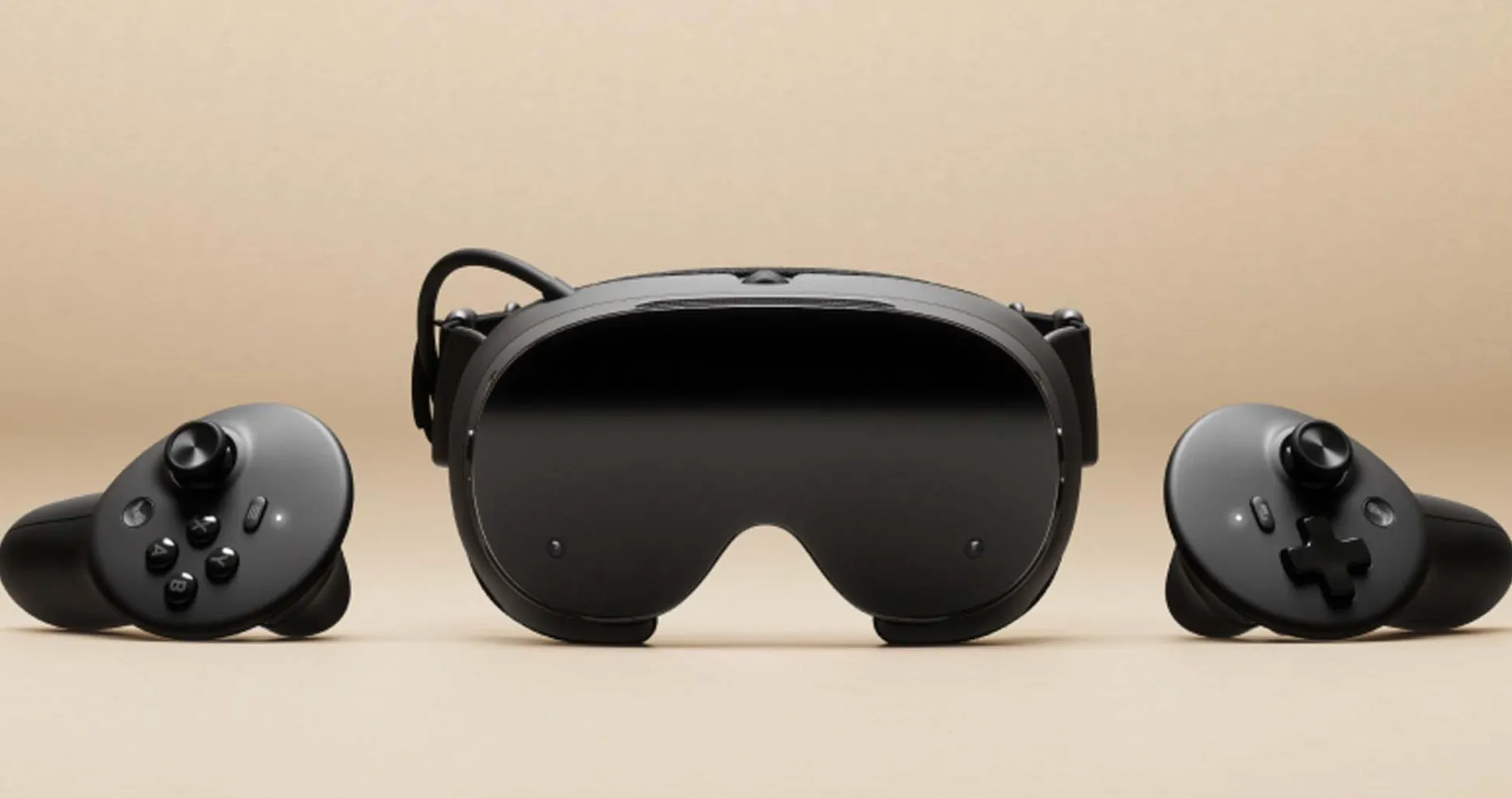
The sport looks nothing like the sparring most fans know. Competitors wear VR headsets and motion-tracking sensors, and their real kicks and footwork drive avatars that fight each other on screen, chipping away at a power gauge instead of a body (Yonhap News Agency). It is a strange thing to watch: two people throwing full-speed kicks at empty air, while a health bar on a monitor behind them tells the actual story.
What makes the debut newsworthy isn't the novelty. It's that a major multisport Games has now formally certified this as a medal sport, only three years after it first appeared as a demonstration event at the IOC's Olympic Esports Series (The Korea Times). The mechanics behind that certification, and what they mean for who wins, are worth walking through.
How virtual taekwondo works at the Asian Games
World Taekwondo introduced the format in June 2023 at Singapore's Olympic Esports Week. Singapore then swept nine medals, including four golds, at the inaugural virtual taekwondo world championships it hosted the following year (Yonhap News Agency).
At Aichi-Nagoya, sixteen athletes aged 17 to 35 will compete for a single mixed-gender gold, with no separate men's or women's bracket (The Korea Times). The format was co-developed by World Taekwondo and Refract Technologies, and its blend of VR tech and traditional technique is wooing tech-savvy young players, according to AP News.
Korea's Ahn Hyang-sik is one of the athletes chasing history in both worlds. He will fight in the men's 58-kilogram division against human opponents and in the weight-free virtual event, giving him a shot at two golds in the same Games. "My goal is to win gold medals in both and I am full of confidence," the 22-year-old said after competing in a World Taekwondo Grand Prix event in Muju, South Korea (Yonhap News Agency).
Scoring, power gauges and stun mechanics
Matches take place on a 4-by-4-meter mat, in 60-second rounds, decided in a best-of-three format (The Korea Times; The Korea Herald). That single minute is roughly half the length of a human taekwondo round, and Ahn says it changes how athletes approach the fight. "We only have one minute each round in virtual taekwondo, compared to two minutes in the human taekwondo. So we really have to give our max effort in that short minute," he said (Yonhap News Agency).
A fighter wins by knockout or, if the round runs out, by holding more health than the opponent (The Korea Times). Kicks are graded strong, medium or weak based on speed, and head strikes deal twice the damage of body shots. That head-kick premium comes at a physical cost. "We get to take more off the power gauge with shots to the head than to the body. And it takes more energy out of you, too, and it can be hard on the hamstrings," Ahn said (Yonhap News Agency).
A second meter, the stun gauge, runs alongside the health bar and borrows a page from video game fighting systems. Punches don't drain an opponent's health, but they fill this gauge, and once it's full, the target is defenseless for three seconds, unable to block or evade (The Korea Times). Blocking a kick with an arm, meanwhile, drains a fighter's own stun gauge back down. It's a system that rewards patience and punishes recklessness in ways a traditional point-sparring bout never does.
Who has the edge: size, speed and game sense
Conventional taekwondo separates competitors by weight and gender. Virtual taekwondo throws everyone into the same digital bracket (The Korea Times). That doesn't mean the playing field is flat. It just means the advantages shift.
Ahn has noticed the pattern already. "Bigger and heavier athletes may be relatively slow with their kicks, whereas lighter practitioners can get off two or three kicks in succession," he said, adding that flexibility and precision now matter more than mass (Yonhap News Agency).
That shift shows up in how the sport is coached, too. Programs built around virtual taekwondo treat it as a full-body discipline rooted in endurance, flexibility and fast execution, and winning tends to come down to when to move, when to strike, and how quickly the body can follow, rather than pure size or strength (Digital Trends). Removing physical collision doesn't remove competition. It just moves the contest from bodies to reflexes.
The access case, and its limits
Access is the strongest argument for virtual taekwondo, and it isn't a hard case to make. The format keeps the athletic grind of traditional sparring while cutting out the injury risk that keeps a lot of would-be competitors on the sidelines, and more people may be willing to try martial arts once the first step isn't a full-contact fight (Digital Trends).
The Korea Herald ties the broader shift to demographics as much as technology, reporting that declining birth rates are threatening the survival of traditional taekwondo gyms, or dojangs, even as AR and VR headsets grow more common. The paper reports that the sport's business model is reportedly shifting away from uniforms and headgear toward sensors, software and digital platforms, a change that could eventually move taekwondo further from the mat and further into the headset (The Korea Herald).
None of that makes the format easy. Some athletes reported dizziness when they first strapped on a headset, and had to relearn how to judge distance in a space they couldn't physically feel (Digital Trends). The gear itself remains expensive enough to slow how quickly clubs can adopt it, which cuts against any claim that the sport is instantly available to everyone who wants to try it.
Whether virtual taekwondo becomes more than a showcase event for well-funded federations will likely come down to two unglamorous factors: how fast the equipment gets cheaper, and how quickly newcomers get past the dizziness and disorientation of fighting an opponent they cannot actually feel (Digital Trends). That gap between novelty and habit is exactly where the Aichi-Nagoya debut either turns into a footnote or a template for what taekwondo looks like next.



Comments
Be the first, drop a comment!