


Why Apple Smart Glasses WWDC 2027 Plans Center on Privacy
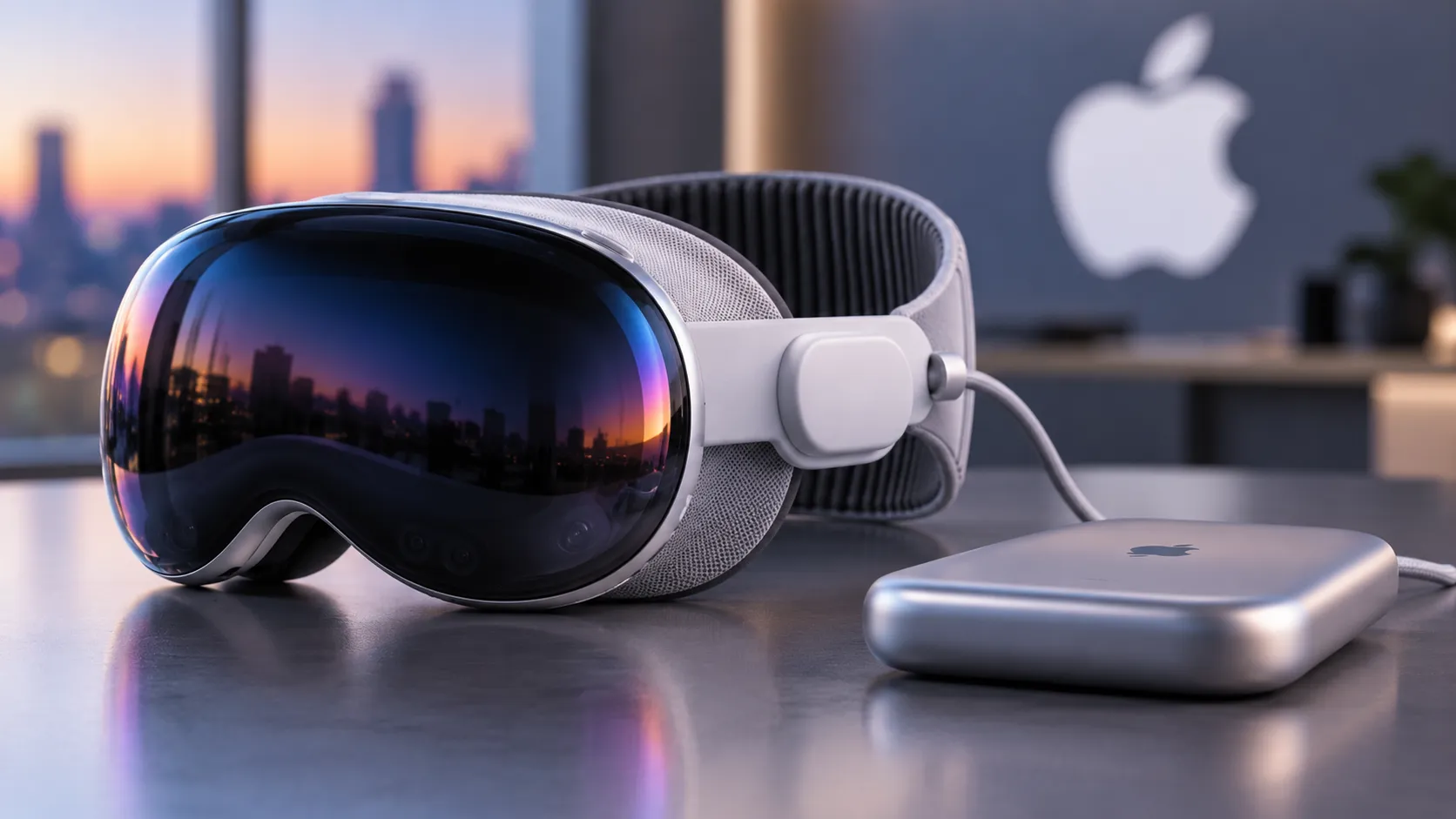
Apple plans to unveil its first smart glasses at WWDC in June 2027, with shipments targeted for late 2027, Bloomberg's Mark Gurman reported this weekend. The device, internally codenamed N50, has already slipped once: Gurman pushed the reveal from late 2026 to 2027 earlier this year, citing Apple's doubts about whether its Visual Intelligence stack was strong enough to anchor a first-generation product, VR.org reported.
The Apple smart glasses WWDC 2027 story is not really about hardware specs. It is about whether Apple can enter a category that Meta has spent the last year actively damaging through a class-action lawsuit, a GDPR inquiry from UK regulators, and growing legislative pressure at the state level. Privacy, based on the reporting so far, appears to be Apple's central point of differentiation.
What Apple's smart glasses are and are not expected to be
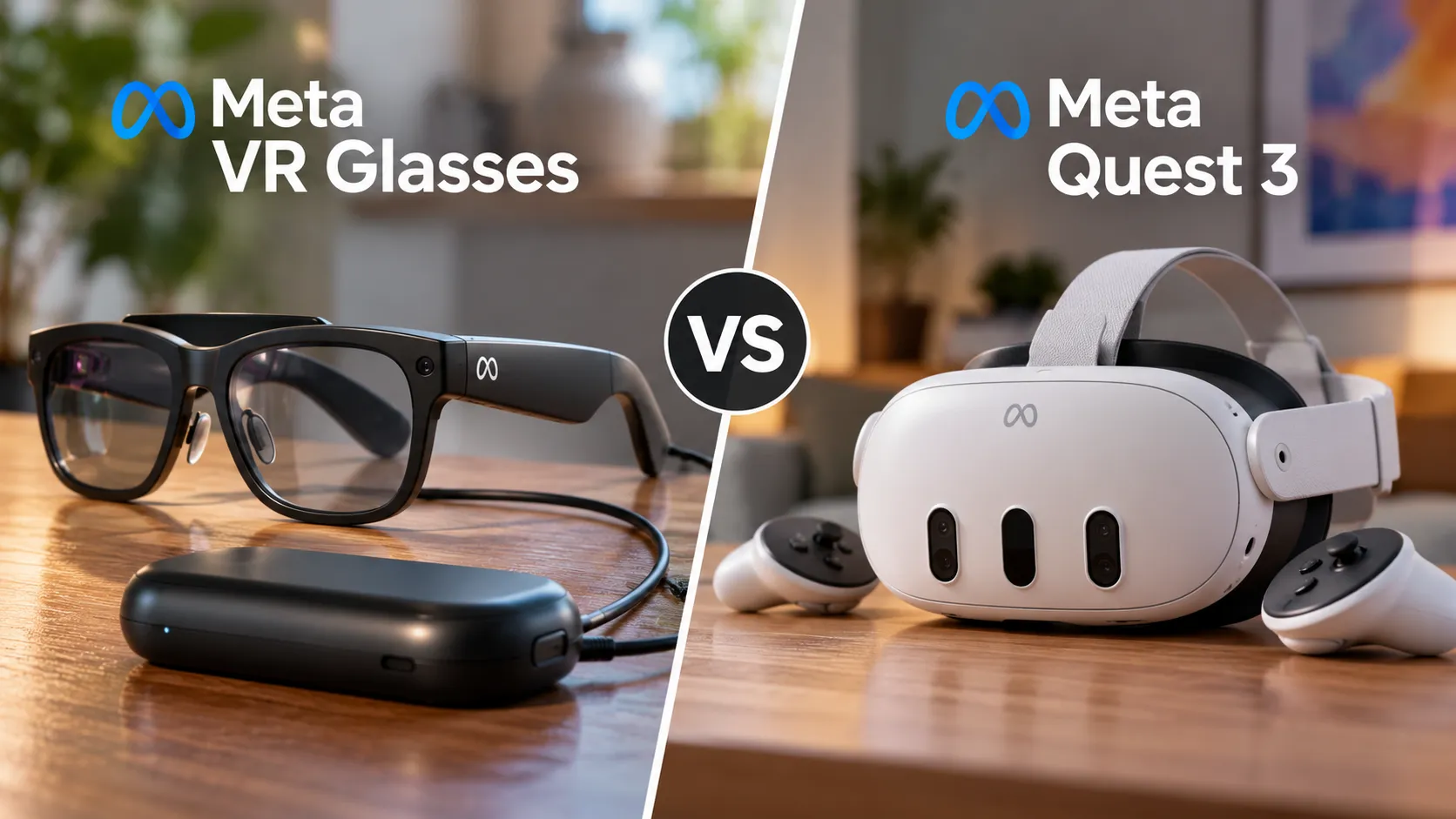
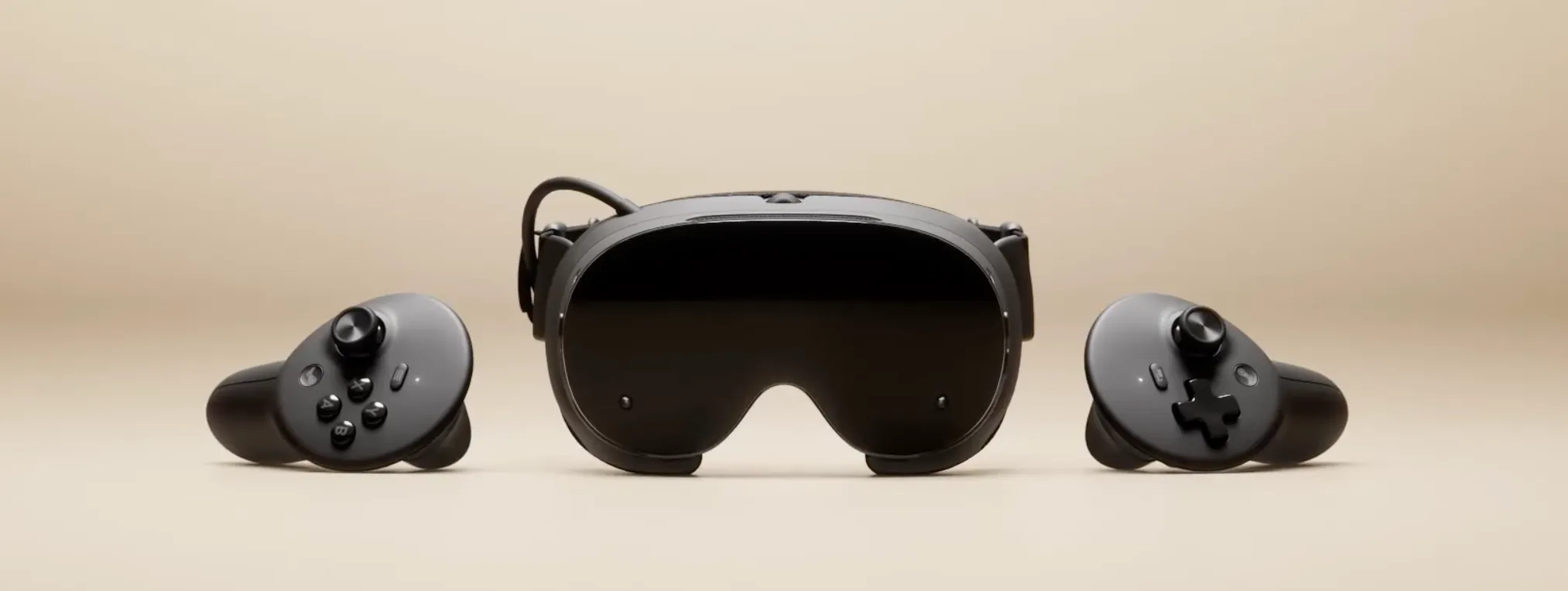
Priced between $200 and $500, and without an in-lens display planned for at least a few years, the N50 looks less like an AR device and more like a pair of glasses with speakers, microphones, and Siri features, according to Bloomberg via VR.org. The expected feature set puts it in direct comparison with Meta's Ray-Ban smart glasses, which offer the same audio basics.
What distinguishes the two products may have nothing to do with the frame. MacRumors reported that the glasses would include speakers and microphones for music, calls, and Siri notifications, matching Meta's offering on the surface. The difference, Gurman suggests, is in what Apple does behind the lens and what it refuses to do.
Gurman reported that Apple's development teams across its Vision hardware group have designated privacy as "priority No. 1," and that the company is working on new hardware and software privacy features not available on current products, Engadget noted. No specific features have been disclosed. Apple's marketing, Gurman added, will likely draw direct comparisons to Meta's glasses, MacRumors reported.
Apple smart glasses camera privacy is still the open question
Three options have reportedly been explored, per VR.org's summary of Gurman's reporting. First: conventional cameras capable of capturing photos and video, the same as Meta's Ray-Ban smart glasses. Second: a camera that feeds only into Siri's Visual Intelligence, giving the assistant environmental context without ever handing the wearer a shutter button. Third: no camera at all.
Gurman's read is that the shipping product most likely lands on cameras with unusually aggressive privacy protections, and that the reasoning is commercial rather than philosophical. Apple has prototyped camera-free versions, but a device without any camera capability significantly weakens the AI utility case for buying the product in the first place.
On the software side, The Verge reported that Apple is likely to rely on on-device processing and skip features like facial recognition and always-on recording. Gurman also believes Apple will avoid using customer recordings to train AI models. The company is also reportedly considering a tamper-detection system that would disable recording if the privacy indicator light appears to have been interfered with, Engadget reported.
Cameras are what make these devices genuinely useful for AI tasks. Cameras are also precisely what turned smart glasses into a surveillance problem. Apple is searching for a middle position that may not fully satisfy critics on either side of that argument.
Meta's track record: why Apple smart glasses camera privacy concerns are documented, not theoretical
In early 2026, contractors in Kenya working on AI annotation described reviewing intimate footage captured by Meta's Ray-Ban smart glasses without the knowledge of the people recorded. A class action filed in the Northern District of California followed, arguing Meta had marketed the glasses as privacy-controlled while routing footage overseas for human review, VR.org reported. The UK's Information Commissioner's Office separately requested GDPR clarification from Meta over the same practices.
Meta's response has been incremental. The most visible fix was a tamper-resistant privacy LED shipped this month, according to VR.org. It has not resolved much. Experts told Northeastern University that people may not notice the recording indicator or understand what it means, and a market has reportedly emerged for disabling it entirely.
The face recognition thread runs deeper. Northeastern, citing WIRED, reported that Meta had quietly embedded face-recognition-related functionality into its Meta AI companion app, which would create a unique biometric signature for each face captured through the glasses' camera and alert the wearer when it recognized someone. Meta removed the software after WIRED's report, telling the outlet that "no final decision has been made" about facial recognition and that the feature did not exist.
Some experts are not reassured by any of this. "Putting cameras into glasses is an inherent privacy threat," Northeastern quoted one researcher as saying, "and putting face recognition on the camera and the glasses is an intolerable escalation of that privacy threat." Apple's reported decision to avoid facial recognition addresses the second part of that concern. Whether good product design can adequately address the first part remains genuinely contested.
The regulatory pressure building before Apple ships anything
State legislation is already forming around the category. Last month, a Pennsylvania state lawmaker proposed requiring smart glasses sellers to inform buyers about local recording consent laws, mandating visible recording indicators, and prohibiting wearers from disabling those indicators, Northeastern reported.
The financial exposure for getting this wrong is not hypothetical. Meta paid $650 million in 2020 to settle Illinois biometric privacy claims tied to its photo-tagging feature, then paid Texas $1.4 billion over the same functionality in 2024, according to Northeastern. Those settlements involved software running on a phone. The liability calculus for a camera worn continuously on someone's face is harder to predict and unlikely to be smaller.
Europe has signaled it intends to accommodate the category rather than block it: the EU waived user-removable battery requirements for smart glasses earlier this month, VR.org reported. That accommodation does not resolve the pending surveillance and biometric questions. Google announced it will launch its own smart glasses with Warby Parker and Gentle Monster later this year, Northeastern reported, meaning regulators will have multiple new products to scrutinize well before the Apple N50 smart glasses reach customers.
By the time Apple ships, privacy design may be less of a brand position and more of a baseline legal requirement.
What Apple needs to prove at WWDC
The timeline has already slipped once. Late-2027 shipments, based on Apple's recent product history, suggest meaningful availability in 2028 is a realistic scenario, VR.org noted.
The camera question is the one Apple has not answered publicly, and it is the question that matters most. A camera restricted to Visual Intelligence input would be genuinely different from anything shipping today. Full photo and video capability would put Apple in direct competition with Meta's Ray-Ban smart glasses on ground where Meta is currently losing public trust, The Verge reported.
When Apple takes the WWDC stage next June, the audience will not be evaluating the hardware on price or speaker quality. The real question is whether Apple can show, with technical specifics rather than marketing language, that a camera worn on your face can be trusted by the people who never agreed to be filmed.



Comments
Be the first, drop a comment!