


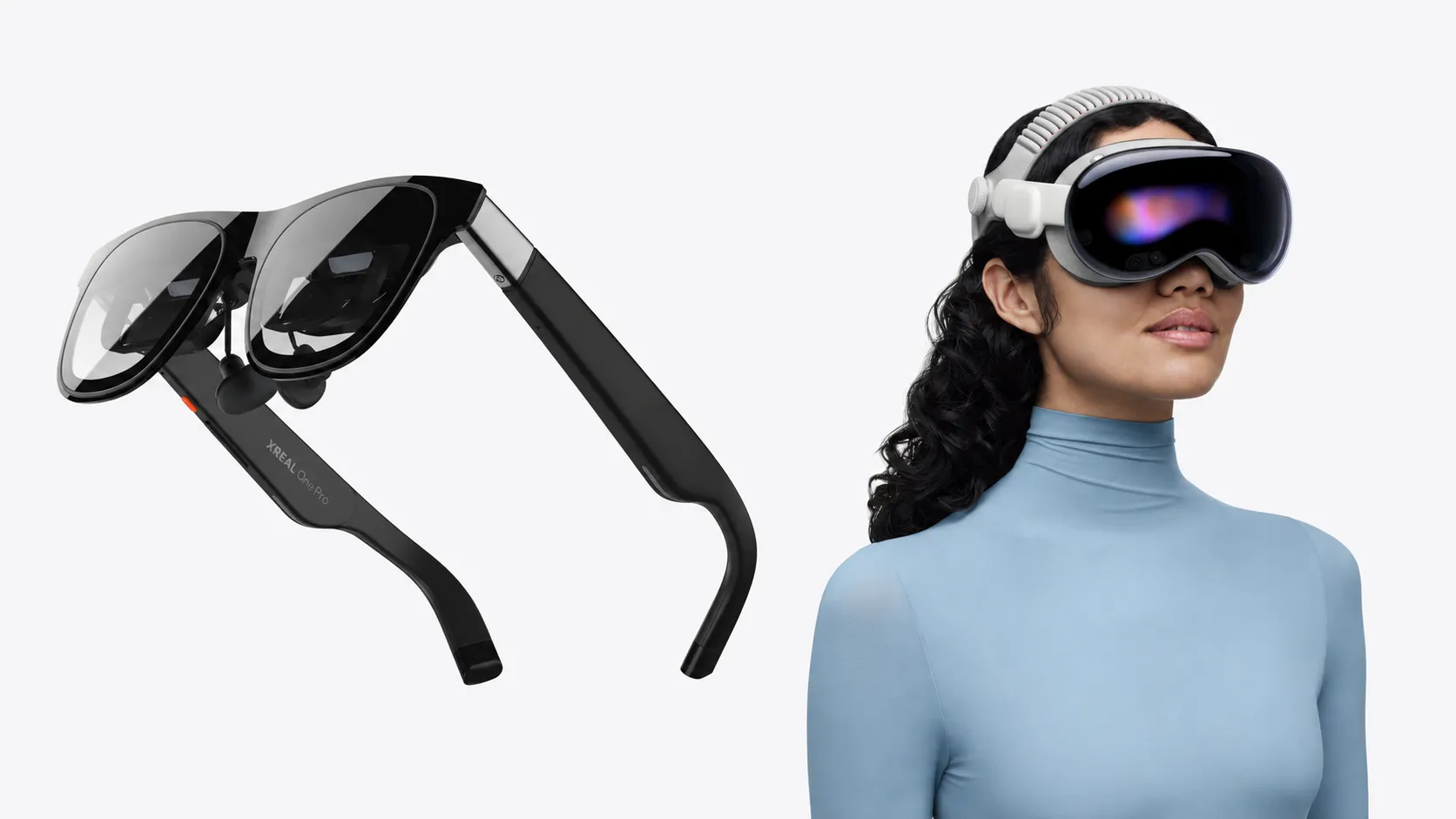
The battle for XR supremacy has never been more intense. Two heavyweight contenders have emerged from the latest wave of consumer AR glasses, each promising to deliver that elusive "perfect" mixed reality experience we've all been waiting for. The XREAL 1S brings cutting-edge spatial stabilization technology to the table, while the Viture Beast counters with impressive brightness capabilities and a wider field of view. Both devices emerged as standout performers at major tech showcases, according to recent industry coverage, but which one actually deserves a spot in your tech arsenal?
The timing couldn't be better for this head-to-head analysis. The XREAL 1S launched with a competitive $449 price point, representing a $50 reduction from its predecessor, as reported by ZDNet. Meanwhile, the Viture Beast commands a premium $549 asking price, positioning itself as the more feature-rich option, according to ZDNet's comprehensive review. The stakes are high in this rapidly evolving market, where the right choice could define your mixed reality experience for years to come.
Display technology: Where the magic happens
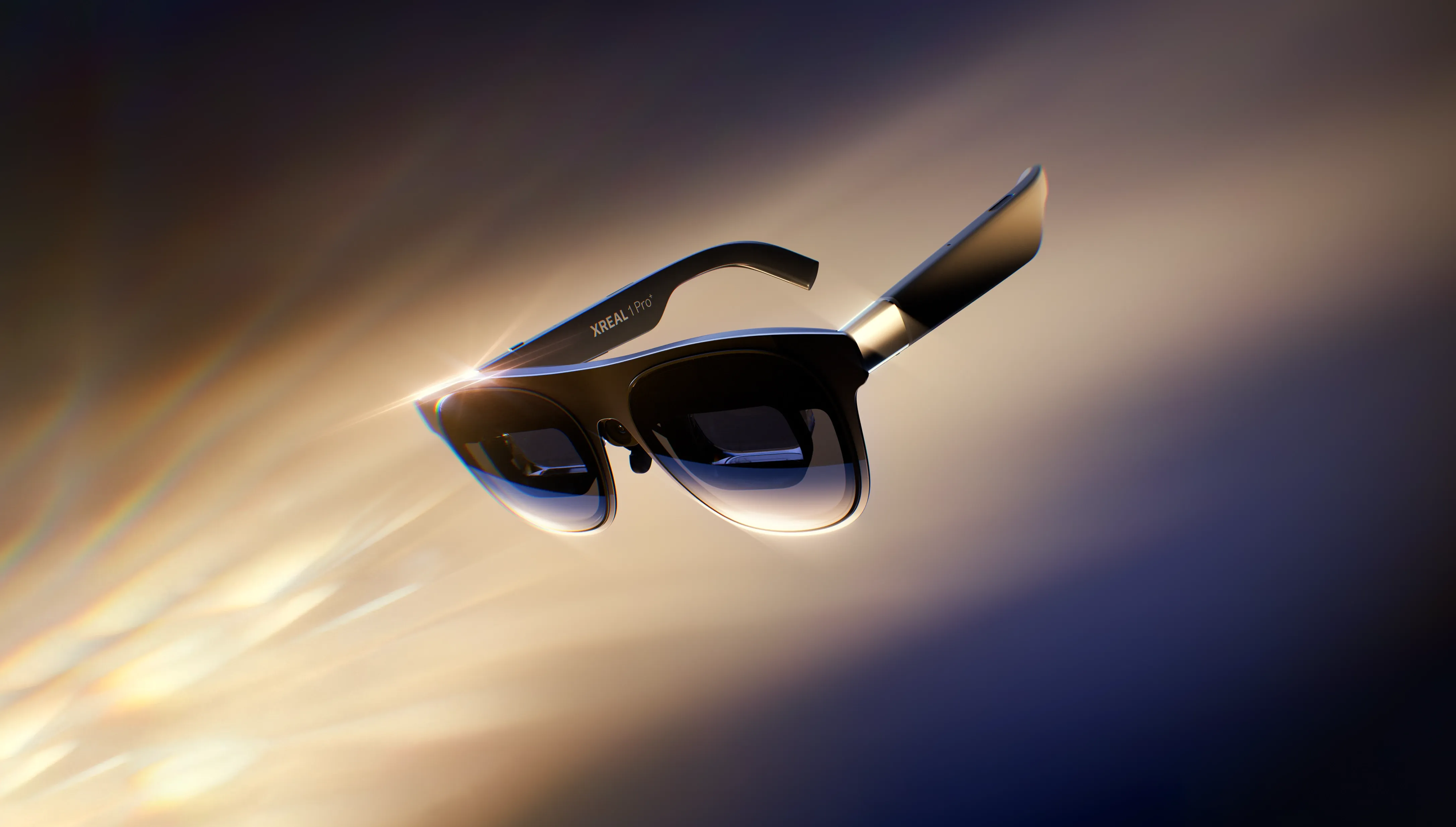
The heart of any XR glasses lies in their display capabilities, and both devices bring impressive Sony micro-OLED technology to the table. The XREAL 1S delivers sharp 1200p resolution per eye with a respectable 52-degree field of view, offering what reviewers describe as excellent clarity for indoor use at 700 nits brightness, according to detailed testing. The device utilizes Sony's 0.68-inch micro-OLED panels, creating an immersive viewing experience that rivals much more expensive headsets, as noted in comprehensive reviews.
The XREAL 1S takes a deliberate approach to visual optimization, prioritizing cinematic immersion over pixel-perfect clarity. This design philosophy becomes particularly apparent during video consumption, where the display favors smooth, engaging experiences over absolute sharpness, as noted in testing. While you might notice some slight motion blur during rapid head movements, this trade-off delivers a more natural viewing experience that proves comfortable during marathon viewing sessions and actually enhances the emotional connection to your content.
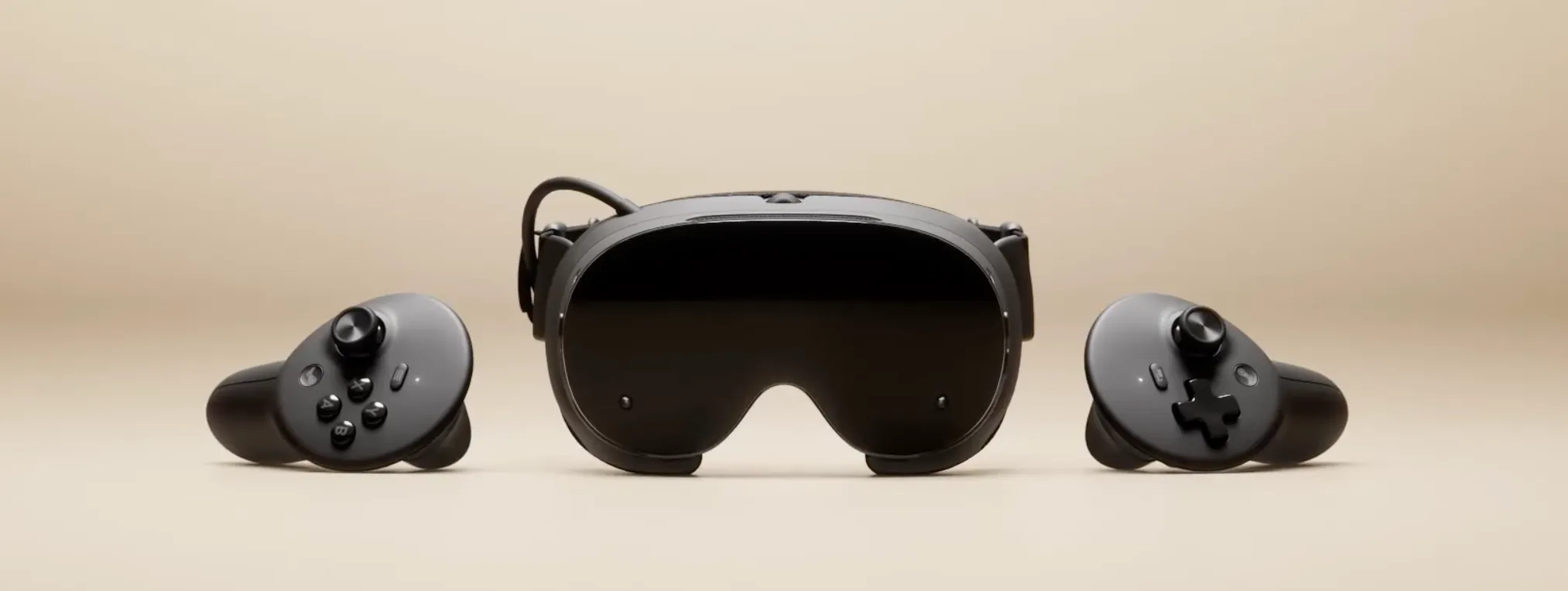
The Viture Beast takes a more aggressive approach to visual performance. It boasts a wider 58-degree field of view—representing a six-degree improvement over competing models—and pushes brightness levels up to an impressive 1,250 nits, according to The Verge's hands-on analysis. This enhanced brightness becomes particularly valuable in the device's "0DoF (zero-DoF) mode", which nearly doubles brightness output specifically for outdoor viewing scenarios, making it ideal for poolside entertainment or sunny commutes, as detailed in comparative testing.
However, there's a significant caveat that affects immediate user satisfaction. The Beast currently operates at locked 1080p resolution and 60Hz refresh rate, with promised 1200p and 120Hz capabilities coming via future firmware updates, according to Tom's Guide testing. This creates a challenging value proposition where buyers must essentially purchase based on future potential rather than current performance—a gamble that becomes particularly risky given the device's premium pricing compared to the immediately full-featured XREAL alternative.
Spatial tracking: The stability game-changer
Here's where the XREAL 1S truly shines with its revolutionary approach to motion tracking. The device incorporates a dedicated X1 Spatial Computing Chip that handles 3DoF calculations directly on the glasses, effectively eliminating the notorious "rubber banding" effect and screen jitter that plague many AR devices, according to comprehensive testing. This on-device processing creates remarkably stable virtual screens that stay exactly where you position them, making extended viewing sessions comfortable and nausea-free, as reported by multiple reviewers.
The tracking system's sophistication becomes apparent in real-world productivity scenarios. In "Smooth Follow" mode, the screen follows your head movement while intelligently smoothing out minor jitters and tremors that would otherwise break immersion. The "Body Anchor" mode fixes the virtual display to a specific position in space, allowing you to look around naturally while keeping your content stationary—perfect for multitasking scenarios where you need to reference both virtual content and your physical environment. The clever integration with electrochromic lenses automatically clears up the tint when you look away from the virtual screen in anchor mode, ensuring seamless transitions between digital and real-world interactions, as detailed in reviews.
The Viture Beast's tracking story presents a more complex and currently problematic picture. Initial testing revealed significant drift issues, some early testers reported occasional drift requiring recalibration, according to detailed comparison testing. While recent firmware updates have addressed some of these stability concerns, the device still requires more frequent recalibration compared to its XREAL competitor, disrupting workflow and entertainment sessions, as noted in ongoing reviews.
The Beast does offer multiple tracking modes including Spatial Anchor, Smooth Follow, and traditional 0DoF options, providing theoretical flexibility for different use cases, according to ZDNet's analysis. The variety appears impressive on specification sheets, with the default 0DoF mode keeping content centered to your view, Smooth Follow allowing gradual screen movement, and Spatial Anchor attempting to lock screens in space. However, the execution remains inconsistent compared to XREAL's more refined approach, creating frustration particularly during professional use cases where reliability trumps feature variety.
Smart features and user experience
Both devices bring impressive smart functionality, but with notably different approaches to implementation and user value. The XREAL 1S integrates its intelligence directly into the glasses through the X1 chip, enabling real-time 2D-to-3D content conversion that works with any source material—from movies to social media feeds, as demonstrated in user testing. This conversion technology creates genuine depth perception that enhances emotional engagement, making characters appear to leap from screens and adding impact to personal photos, according to detailed usage reports.
The versatility of this system proves particularly valuable for content creators and entertainment enthusiasts. Unlike traditional 3D content that requires specially formatted material, the XREAL 1S can transform any visual input into immersive 3D experiences. Testing with diverse content from streaming services like WWE Raw and NFL games showed impressive performance with only minor issues in complex crowd shots, as noted in user reviews. Even personal social media browsing gains new dimensions, with Instagram photos developing emotional depth that creates stronger viewer connections, according to the same testing. The device also features intelligent electrochromic dimming that automatically adjusts lens transparency based on where you're looking, seamlessly transitioning between AR and traditional display modes without manual intervention.
The Viture Beast counters with an impressive array of six distinct viewing modes, including 0DoF (zero-DoF) mode Smooth Follow, Anchor Mode, Ultra Wide Mode, Side View, and 3D Mode, according to comparative analysis. The device features six multi-function buttons with remappable double-tap gestures, providing extensive customization options that appeal to power users who enjoy tweaking their setups, as detailed in testing reports.
Its electrochromic lenses offer nine levels of tint adjustment and can achieve very dark shading that resembles professional lens shades, making it excellent for bright outdoor environments, according to The Verge's hands-on experience. The Beast also includes impressive real-time 2D-to-3D conversion capabilities with minimal latency, though this feature generates considerable heat during extended use that can become uncomfortable after several hours, as noted in detailed reviews. The on-screen display menu system allows for direct settings adjustments without requiring companion apps, which adds convenience for users who prefer standalone operation but can feel overwhelming for those seeking simpler experiences.
The verdict: Which glasses deserve your investment?
After extensive testing and comparison, the choice between these two XR powerhouses comes down to your specific priorities and risk tolerance. The XREAL 1S emerges as the clear winner for users who prioritize stability, reliability, and immediate value, delivering much of the premium-headset experience for a lower price, according to user testimonials. Its superior spatial tracking technology, proven performance, and lower price point make it the obvious choice for video enthusiasts, casual gamers, and anyone seeking dependable mixed reality experiences that work consistently from day one, as concluded by multiple review sources.
The device excels particularly in travel scenarios and professional applications where reliability becomes paramount. On flights, the experience dramatically surpasses any built-in seatback screen, including those in business class configurations, while maintaining sufficient brightness for outdoor use even on sunny days with transparent lens settings, according to comprehensive testing. For remote workers, content creators, and frequent travelers, this combination of portability, performance, and price creates compelling value that justifies immediate investment.
The Viture Beast, despite its current limitations, appeals to enthusiasts willing to bet on future potential and who prioritize maximum visual impact over immediate stability. Its superior brightness capabilities, wider field of view, and extensive customization options make it potentially ideal for outdoor entertainment and media consumption once promised resolution and refresh rate updates arrive, as noted in expert analysis. For users who demand the brightest possible displays and don't mind troubleshooting firmware issues, the ability to travel with multiple virtual displays at exceptional brightness levels can justify the $549 price point, according to ZDNet's assessment.
However, the higher price point combined with ongoing stability issues and locked features creates a harder recommendation for mainstream users, according to comparative reviews. The reality that key advertised features remain locked behind future firmware updates introduces uncertainty that many buyers will find unacceptable when spending premium prices. For most buyers entering the XR glasses market today, the XREAL 1S represents the smarter investment—offering proven performance, competitive pricing, and the day-one reliability needed for daily mixed reality computing, as concluded by leading tech publications.


Comments
Be the first, drop a comment!