


The smartglasses revolution is heating up, and if you haven't experienced AR glasses yet, you're missing out on some serious innovation. The market momentum is building rapidly, with consumer enthusiasm driving unprecedented growth across the industry. Major players like Meta is experiencing such high demand that production is being doubled to meet consumer appetite, while industry analysts project sales will surge from six million to 20 million pairs this year. In this landscape, XREAL has emerged as a standout performer, combining cutting-edge technology with user-friendly design to deliver experiences that genuinely feel transformative.
What makes XREAL glasses so compelling right now?
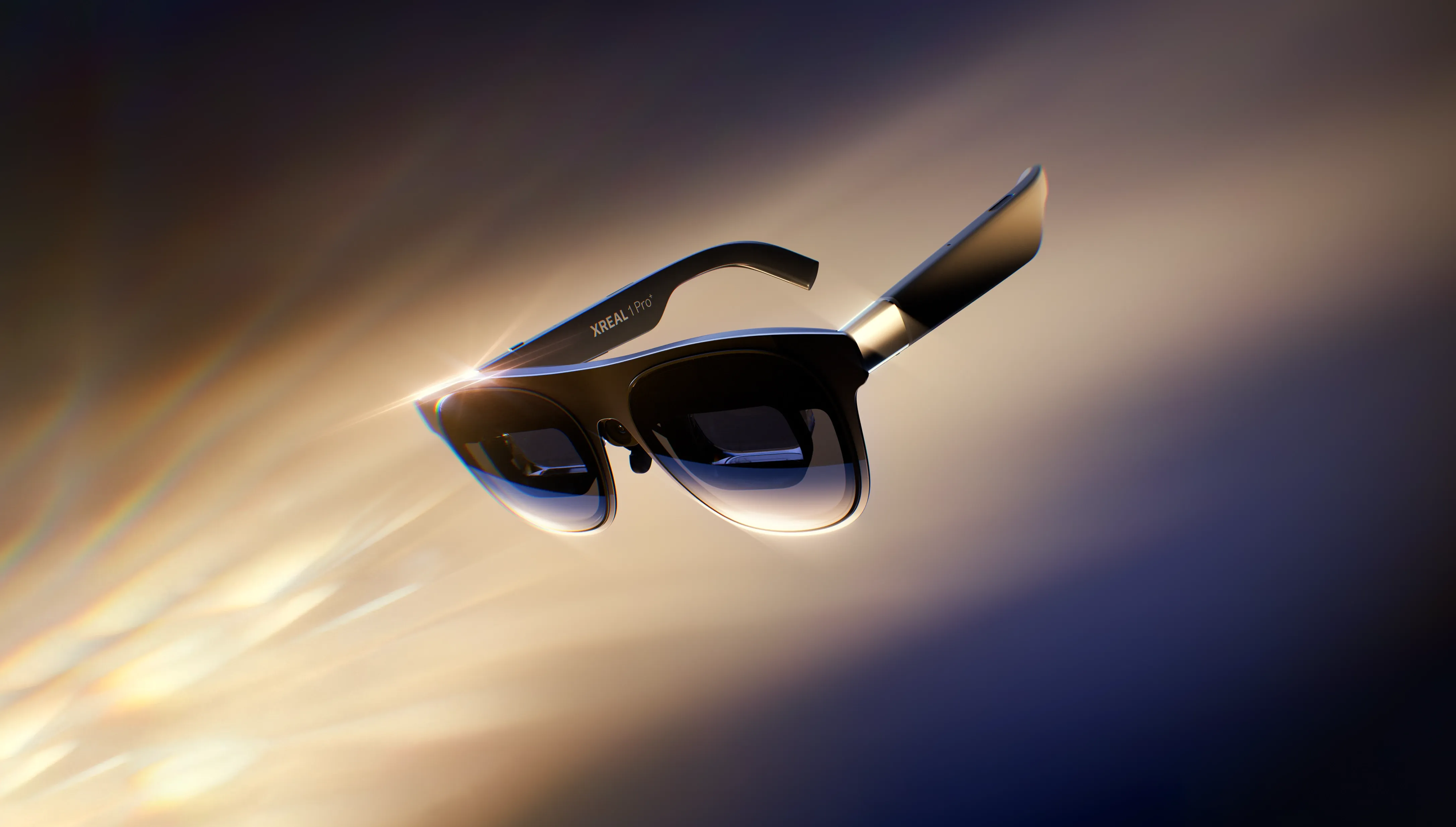
The company has struck an impressive balance between performance and accessibility. Recent testing shows the XREAL 1S now claims the top spot among available AR glasses, delivering exceptional display quality in a sleek design with 3D content conversion that exceeds expectations. The technical improvements are substantial: brightness has increased to 700 nits from 600 nits, resolution jumped from 1080p to 1200p, and field of view expanded from 50 to 52 degrees. What's remarkable is that these improvements come with a $50 price reduction compared to the original model.
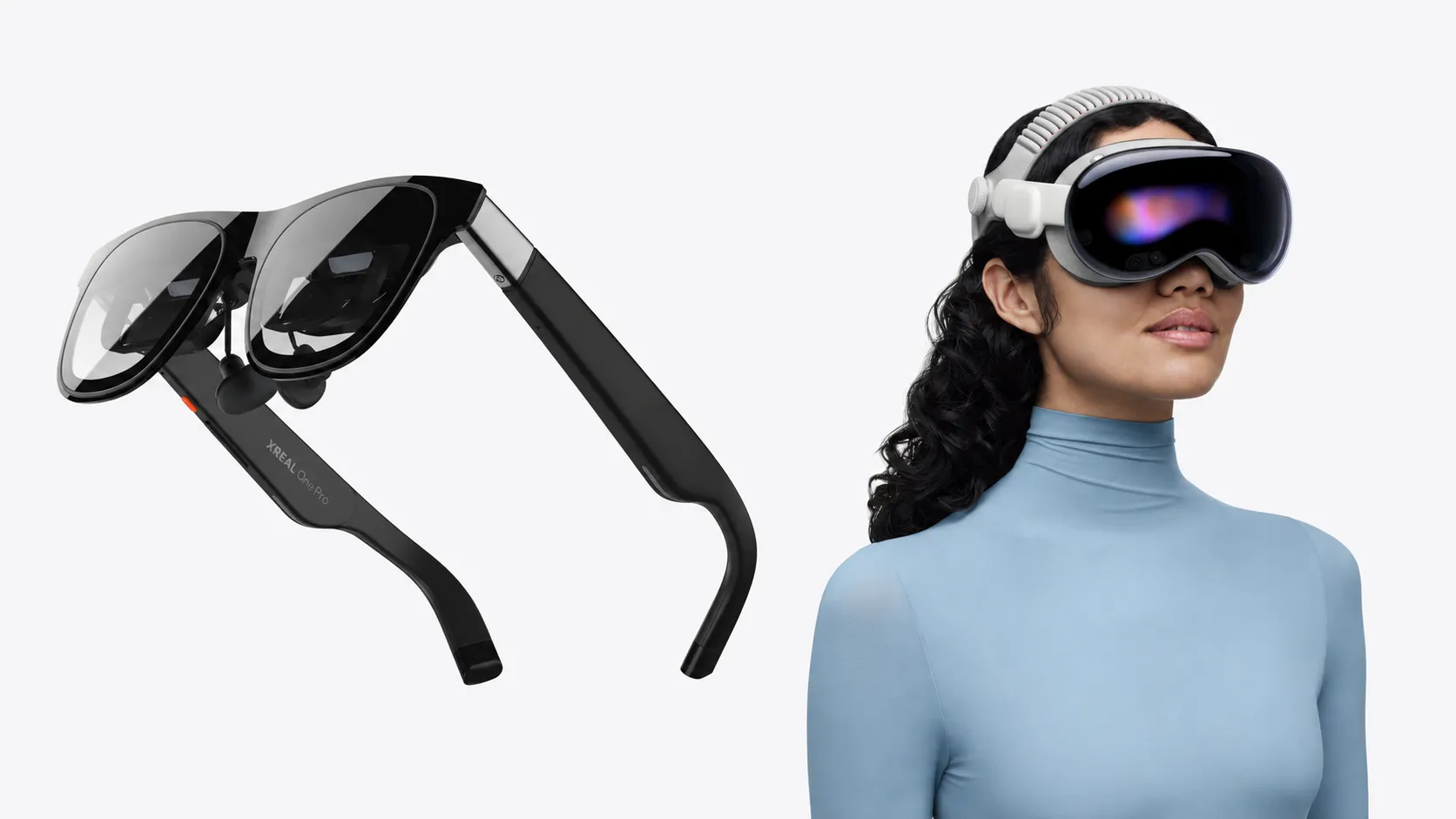
The glasses showcase XREAL's smart approach to AR technology. Rather than chasing complex waveguide displays that drive up costs, XREAL's birdbath and flat prism optics deliver excellent clarity and comparatively wide field of view at much lower per-unit costs. This strategy enables them to offer consumer AR glasses at accessible price points while competitors struggle with expensive waveguide implementations.
This practical engineering philosophy translates directly into user benefits: instead of paying premium prices for theoretical capabilities that don't yet work reliably, XREAL delivers proven technology that enhances everyday computing tasks. Their focus on display quality, comfort, and compatibility means users get immediate value rather than empty promises about future potential.
PRO TIP: The birdbath optics approach means slightly thicker frames than traditional glasses, but the trade-off delivers significantly better image quality and brightness than current waveguide alternatives at this price point.
The Google partnership changes everything
XREAL's trajectory took a significant leap with their expanded Google collaboration. Google officially named XREAL a lead hardware partner for the Android XR ecosystem through a multi-year partnership extension. This isn't just a technical alliance—it represents a fundamental shift toward optical see-through AR as the long-term future of spatial computing, particularly for productivity, navigation, and everyday wearable use.
Project Aura, their upcoming Android XR-powered device, demonstrates the partnership's transformative potential. The system features a remarkable 70-degree field of view—the largest optical see-through display XREAL has ever delivered. The technical architecture is sophisticated: Aura uses split-compute design with XREAL's X1S spatial computing chip in the glasses and a separate compute puck housing a Qualcomm Snapdragon XR2+ Gen 2 processor.
The real breakthrough lies in how deep Gemini AI integration enables adaptive assistance in mixed reality tasks, positioning these glasses as genuine productivity tools rather than just entertainment devices. This evolution moves beyond current AR glasses that primarily function as external displays toward true spatial computing that understands and responds to your environment and workflow patterns.
Real-world performance that delivers
The hands-on experience reveals why XREAL glasses are gaining traction among actual users. At just 82 grams, the frames feel comfortable for extended use with a floating bridge design and multiple nose pad sizes. The setup is refreshingly simple—these aren't traditional smart glasses but rather a virtual big screen system for any USB-C device.
The Real 3D conversion feature showcases XREAL's innovation approach with immediate practical benefits. Powered by the glasses themselves with no additional software required, the system converts 2D content to 3D. While early experiences show the feature works better with games than video content, the technology is surprisingly effective at transforming gaming and movie experiences.
Gaming performance particularly impresses with measurable improvements. When paired with the Neo hub, this becomes an excellent way to experience Nintendo Switch 2 gaming. The Neo accessory serves as both a 10,000 mAh battery bank and DisplayPort video hub, upgrading Nintendo Switch from 720p to 1200p TV mode while also enhancing Steam Deck gameplay with faster refresh rates.
The experience adapts naturally to different use cases—from private movie watching on flights to creating multiple virtual monitors for laptop productivity. The virtual screen positioning feels intuitive once you adjust to the controls, and the image quality remains crisp even when scaled to massive sizes that would be impossible with physical displays.
The competition landscape and what's ahead
XREAL's success comes amid intensifying competition. The brand faces challenges from established players like Even Realities and TCL, plus newcomers like MemoMind. However, their strategic positioning appears strong. Recent funding of $100 million brings their total raised to $433 million since 2017, and the company now carries a $1 billion valuation.
The timing aligns with broader market momentum. Samsung and Google are both expected to launch smartglasses in 2026, while the US and China are projected to control 80% of global demand. XREAL's nearly decade of real-world AR user feedback across gaming, media, and productivity applications positions them well for this expanding market.
This accumulated user feedback has translated into specific design improvements: refined weight distribution based on extended wear studies, optimized brightness levels for various lighting conditions, and compatibility testing across hundreds of devices. When competitors enter the market, they'll be starting from zero while XREAL continues iterating on proven foundations.
Why now is the time to experience AR glasses
The convergence of improved technology, competitive pricing, and expanding ecosystem support makes this an ideal moment to explore AR glasses. XREAL's approach prioritizes practical functionality over flashy features, delivering genuine utility for mobile gaming, laptop productivity, multitasking, and private media experiences.
The XREAL 1S at $449 and Neo accessory at $99 represent compelling value propositions in a market where premium alternatives can cost significantly more. For anyone curious about AR's potential, XREAL offers an accessible entry point that doesn't compromise on quality or capability.
The technology has matured beyond early-adopter curiosity into genuinely useful tools that enhance how we work, play, and consume media. If you haven't tried AR glasses yet, you really are missing out on a transformative computing experience that's finally ready for mainstream adoption. The combination of XREAL's refined hardware, competitive pricing, Google's platform support, and proven real-world performance creates the strongest case yet for diving into this emerging category rather than waiting for the next wave of products that may cost more while delivering less immediate value.



Comments
Be the first, drop a comment!