


Apple Vision Pro Trade Secrets Lawsuit: What It Reveals About Engineer Exits
Apple sued former senior Vision Pro engineer Di Liu last July, accusing him of downloading thousands of proprietary documents in his final days at the company before joining Snap. The Apple Vision Pro trade secrets lawsuit, filed June 24, 2025 in Santa Clara County Superior Court, centers not just on what Liu allegedly took, but on a specific procedural gap: by concealing his destination employer, he allegedly bypassed the stricter access controls Apple applies to competitor-bound departures.
The complaint is public. What the case's current status or outcome might be is not. No resolution has been reported, and whether Liu has admitted or denied the allegations, or whether any materials have been returned, remains unknown. This piece covers what Apple's filing reveals about how the alleged exfiltration worked, why the concealed job offer is the legal pivot point, and what the case signals for AR/VR companies managing high-stakes engineer exits.
The timing matters. Apple, Snap, Meta, and others are competing for the same narrow pool of engineers with hands-on mixed-reality hardware experience. As Fortune reported last July, this dispute reads less like an isolated incident than an early marker of a conflict category the industry should expect more of.
What Apple says happened: the alleged exfiltration
The following describes allegations from Apple's complaint. These are not proven facts.
Three days before Liu's departure, Apple alleges he used his company credentials to pull thousands of internal documents from Apple's secure file storage systems and transfer them to his personal cloud account. The files allegedly covered unreleased Vision Pro features, product design specifications, quality-control processes, supply-chain strategies, and internal project codenames, according to MacObserver.
The forensic record Apple describes is specific. Logs on Liu's work laptop allegedly showed he individually selected which folders to copy, then renamed and reorganized them after the transfer, per The Verge. He then deleted files from the laptop itself. Apple characterized that sequence as deliberate concealment, not careless mishandling.
"Mr. Liu's actions were deliberate," Apple stated in the filing. "Further, Mr. Liu took actions to conceal movement of the files, intentionally deleting files from his Apple-issued work laptop."
Apple acknowledged it could not determine the full volume of what was removed. To address that gap, the company sought three things, according to The Verge and MacObserver:
- Financial damages for breach of contract and trade secret misappropriation
- Return of all confidential materials
- Forensic inspection of Liu's personal devices and cloud accounts to verify deletion
That last demand is the most telling element of Apple's posture. A company seeking symbolic vindication sues for damages and moves on. A company seeking control demands access to personal hardware to verify what was deleted and what wasn't. The distinction matters.
Why the Vision Pro engineer lawsuit turned on a hidden job offer
Liu worked at Apple from 2017 to 2024 as a system product design engineer on the Vision Pro program, according to CNBC. Seven years on one of the company's most guarded hardware efforts means deep, specific knowledge, the kind that doesn't stay abstract when you move to a competitor building similar products.
When he resigned in late 2024, Apple alleges he cited health and family reasons without disclosing he had already accepted a product design role at Snap. That single omission had direct operational consequences. Apple applies stricter offboarding when an employee is headed to a competitor, including faster credential revocation, according to CNBC. Because Liu's destination was undisclosed, he received the standard two-week transition period instead. The alleged transfers happened inside that window.
The sequence Apple constructed in the complaint is straightforward: hidden destination created extended access; extended access enabled the transfer. Everything else flows from that.
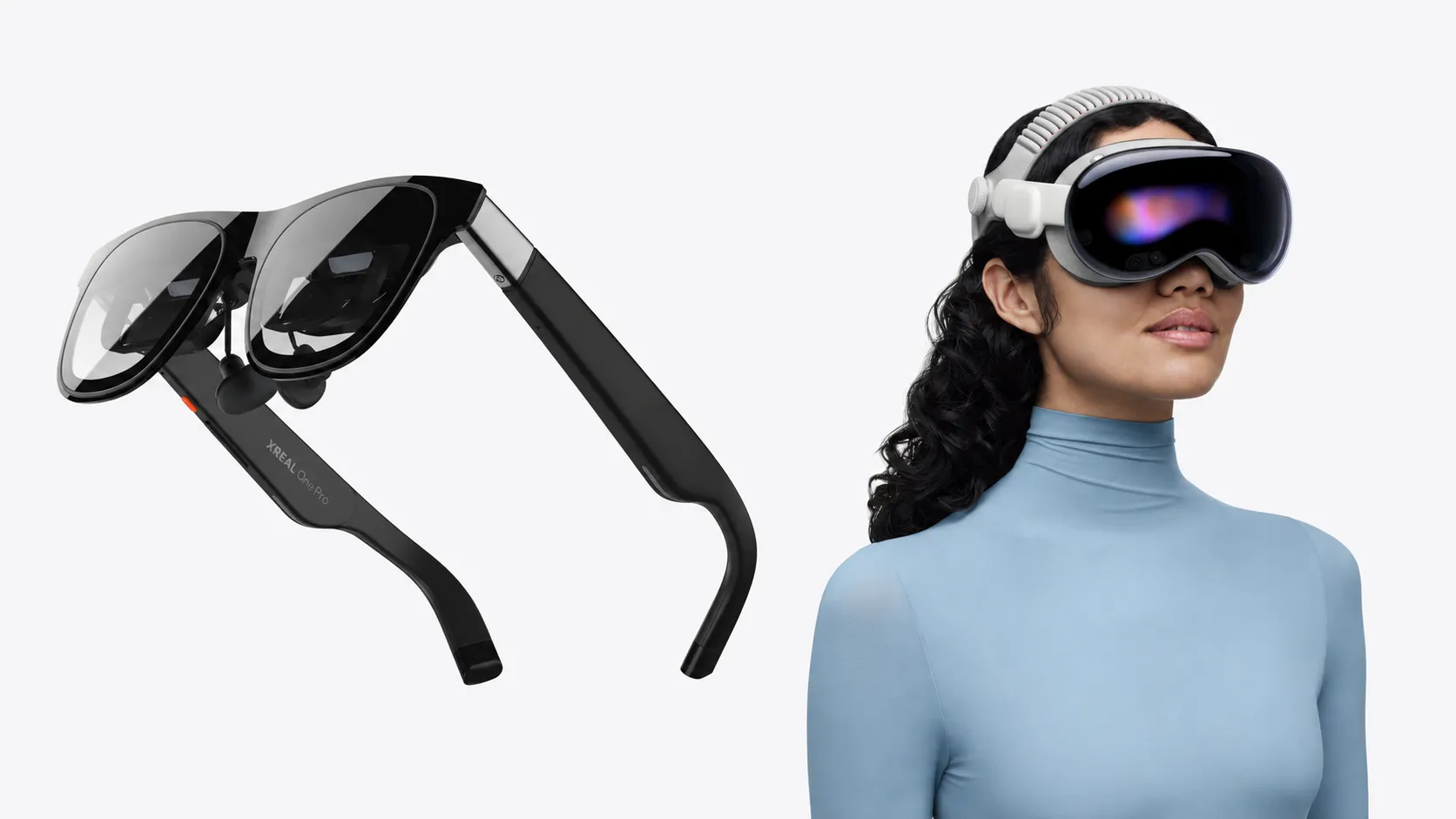
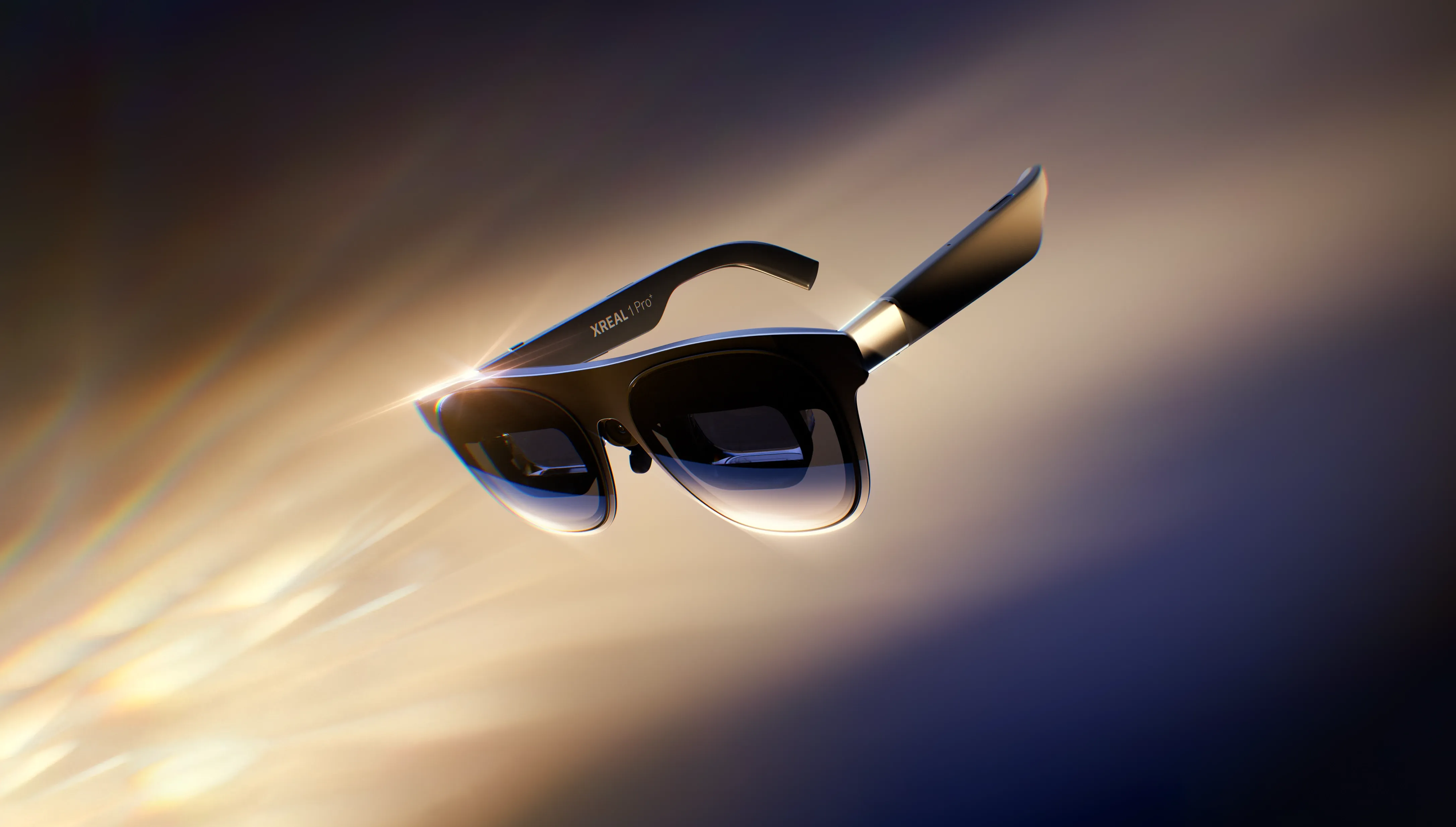
Snap's Spectacles and Apple's Vision Pro occupy different product segments, consumer AR glasses versus a $3,500 spatial computing headset, but both require overlapping expertise in wearable optics, display systems, and spatial interface design. Apple argued in the filing that the overlap between the materials Liu allegedly retained and Snap's AR products "suggests that Mr. Liu intends to use Apple's Proprietary Information at Snap," per CNBC.
Apple did not allege the files were shared with or used by Snap. Snap is not a defendant. A Snap spokesperson said the company had "no reason to believe" the allegations relate to Liu's employment or conduct there, according to The Verge.
Snap's non-defendant status is worth noting. Apple's argument isn't that Snap did anything wrong. It's that a concealed employer disclosure bypassed Apple's own internal controls, creating a risk of future misuse. The lawsuit was built to address that gap directly.
What competitor-bound offboarding actually changes
Apple's complaint describes a two-tier offboarding system: standard procedures for ordinary departures, and a tighter process triggered when an employee is heading to a competitor. That distinction is the fulcrum of the entire case.
The complaint makes clear what Liu allegedly avoided by keeping his destination hidden. Apple applies faster credential revocation for competitor-bound departures rather than allowing access to run through a standard notice period, according to CNBC. The trigger for those controls is destination disclosure. Liu disclosed a reason for leaving. He did not disclose where he was going. The standard process ran, and the alleged exfiltration occurred inside that window.
That gap is structural, not incidental. Any offboarding system where competitor-bound controls are triggered by self-reported, unverified disclosure is exposed to the same sequence. A departing engineer who knows what pulls the tighter process can simply not pull it. The alleged conduct here, selecting folders manually, renaming them post-transfer, deleting files from the source device, is consistent with someone who understood exactly what the monitoring infrastructure could see and acted accordingly.
Apple's response in the complaint reflects that reality. The demand for forensic inspection of personal devices and cloud accounts isn't just about recovering materials. It's about closing the verification gap that made the alleged exfiltration possible in the first place.
Apple's enforcement pattern, and what the complaints are actually for
The Liu case sits within a documented series of Apple IP actions against departing employees, and the pattern across those cases points to something beyond individual deterrence.
Apple settled with former engineer Simon Lancaster in 2022 after suing him over providing internal information to a journalist. A 2024 suit against former employee Andrew Aude over media disclosures was dismissed after Aude issued an apology, according to CNBC. The most structurally relevant precedent is Apple's 2022 suit against Rivos, a chip startup staffed by former Apple semiconductor engineers, over chip-design secrets. That case settled in 2024, per CNBC.
The Liu case follows the same template: file suit, establish the forensic record publicly through the complaint, seek return and inspection of materials, then resolve. The settlements are quiet. The complaints are not.
Apple's filings are detailed by design. They document what the company monitors, how it detects anomalous activity during notice periods, and what behavioral patterns it considers grounds for litigation. Laying out that level of specificity in a public document tells every engineer at every competitor exactly what Apple's monitoring infrastructure can see, and how precisely it can reconstruct what happened on a device three days before departure. That specificity is not incidental to the filing. It is part of what the filing is for.
For companies in the AR/VR space, the practical signal from Apple's track record is consistent: access logging, device forensics, and behavioral analysis of activity during notice periods are already deployed, whether or not litigation follows, as Law360 reported last July.
What the case means for the AR/VR talent market
The central factual questions remain publicly unresolved: whether the files were ever used, whether they were destroyed, what Liu admitted or denied. That opacity is standard in IP disputes.
What's less standard is the specific vulnerability Apple's complaint put on record. The case against a former Apple employee who allegedly stole Vision Pro secrets is not primarily about what Di Liu did. It's about the condition that allegedly made it possible: a departure procedure that treated destination disclosure as voluntary, which meant it could be withheld. Apple is not the only company in this space with differentiated hardware IP and engineers whose expertise makes them attractive to direct competitors. The same exposure exists anywhere the offboarding controls that matter most are triggered by information only the departing employee has to provide.
As spatial computing matures and the pool of engineers with hands-on mixed-reality experience grows more contested, disputes like this one will become more frequent, not less. The question for the AR/VR industry, as both Fortune and Law360 have covered, is whether companies close the offboarding gap before the next filing, or read about it afterward in someone else's complaint.



Comments
Be the first, drop a comment!