


Apple Vision Pro's Two-Year Identity Crisis: A $3,500 Question Mark
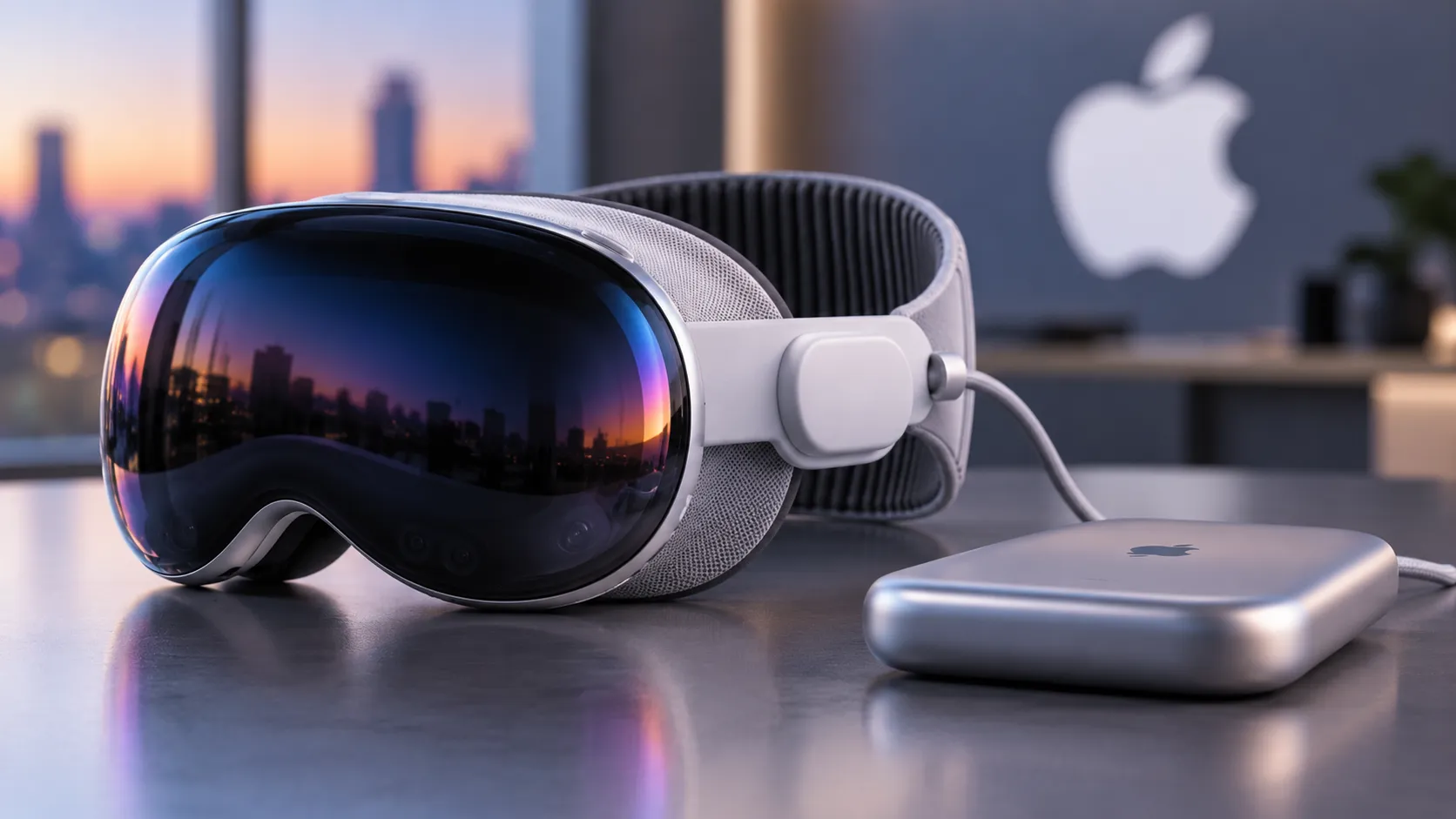
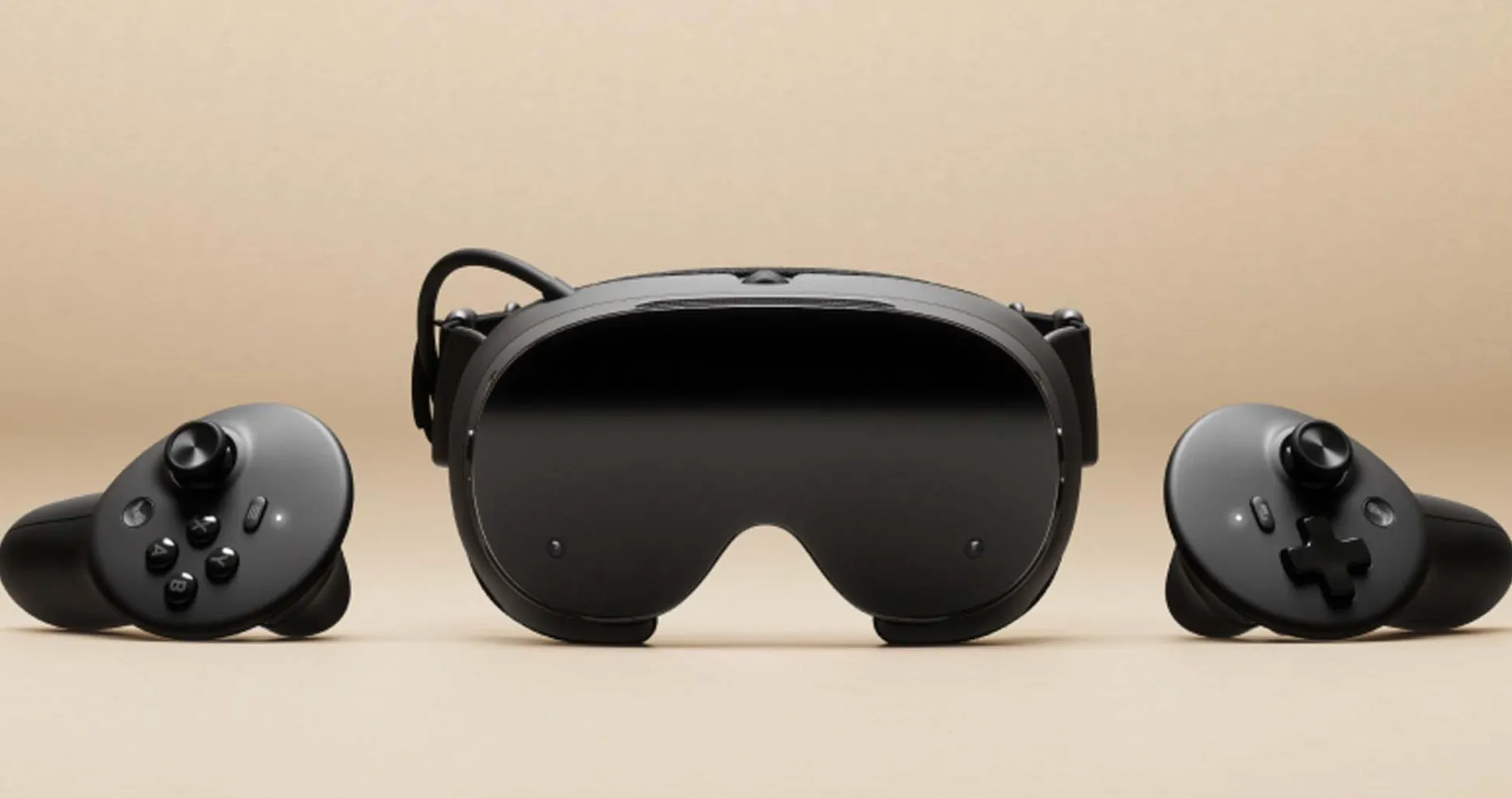
The Apple Vision Pro arrived in U.S. stores on 2024-02-02, promising to revolutionize spatial computing. Yet as the device reaches this milestone, a striking pattern has emerged: Apple seems uncertain about its own creation's purpose. The company that typically defines product categories with laser precision has left its most ambitious hardware release searching for an identity—caught between enterprise tool, developer platform, and consumer entertainment device without fully committing to any single direction.
This ambiguity isn't just a marketing curiosity. It reflects deeper questions about mixed reality's readiness for mainstream adoption and whether Apple's traditional playbook—premium pricing, controlled ecosystem, consumer focus—translates to this emerging category. Two years in, the Vision Pro stands as both a technical achievement and a strategic puzzle, revealing as much about the challenges of pioneering new technology as it does about Apple's evolving role in shaping it.
The identity crisis: enterprise tool or consumer product?
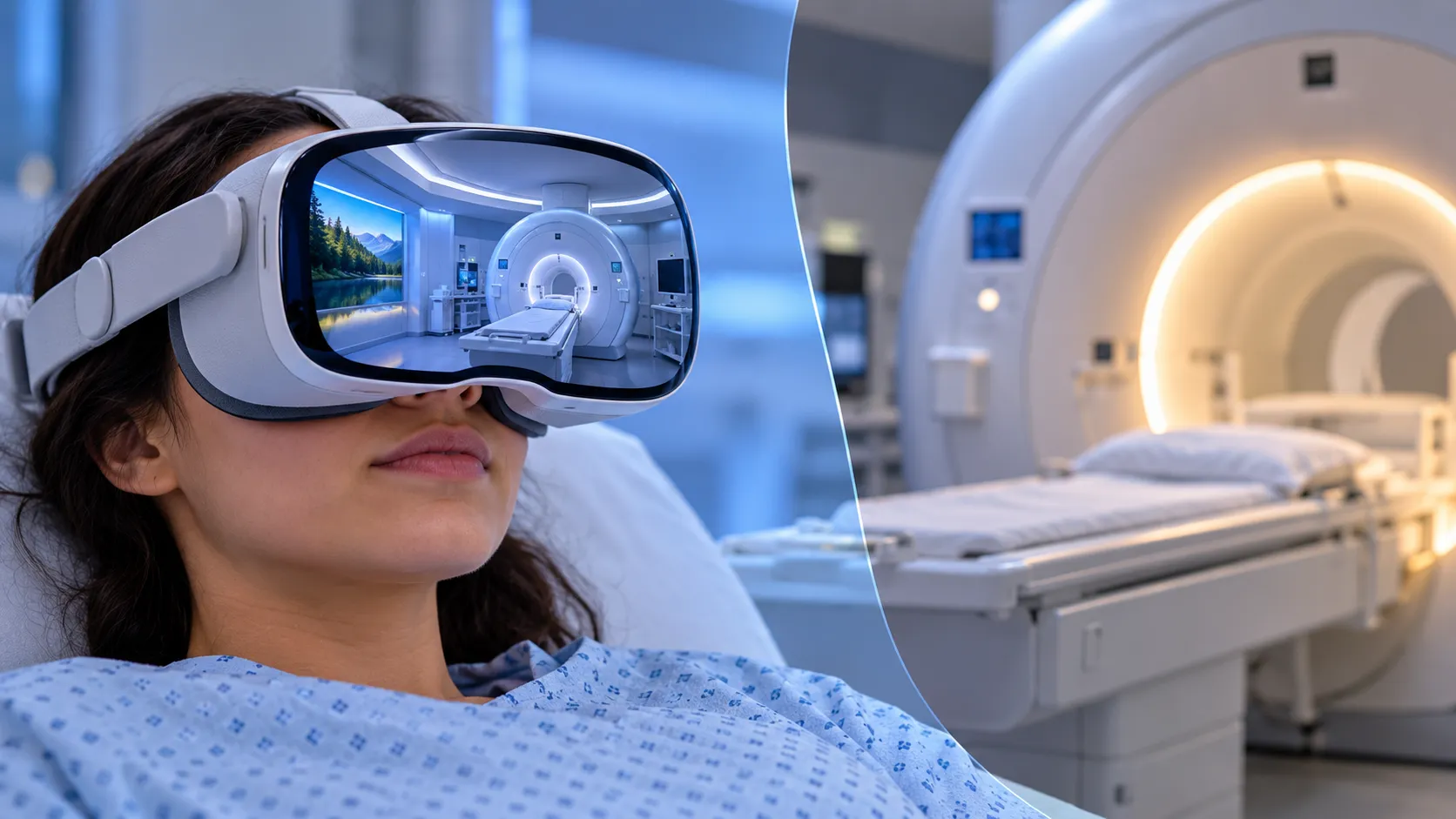
Apple's messaging around Vision Pro has oscillated between workplace productivity and immersive entertainment, never settling on a primary audience. Early marketing emphasized cinematic experiences and gaming potential, positioning the headset as a premium consumer device for entertainment enthusiasts. Yet subsequent partnerships and feature rollouts have skewed heavily toward enterprise applications—medical visualization, architectural planning, and corporate training scenarios that few individual buyers would prioritize.
This dual positioning creates confusion in the market. Enterprise customers hesitate to invest without clear long-term roadmaps and dedicated support infrastructure that Apple has been slow to formalize. Meanwhile, consumer adoption stalls as potential buyers question whether a $3,499 device primarily serves professional use cases they'll never encounter. The lack of a defined target audience undermines both markets simultaneously.
The pricing strategy compounds this identity problem. At its current price point, Vision Pro sits far above consumer impulse-purchase territory yet lacks the specialized features that justify enterprise hardware investments in sectors like industrial design or medical imaging. Apple appears trapped between market segments, unable to scale down for consumers or scale up capabilities for specialized professional applications—a strategic limbo that risks ceding ground to competitors with clearer positioning.
The app ecosystem that never materialized
Two years post-launch, Vision Pro's software library remains surprisingly sparse for an Apple platform. The company's developer ecosystem—typically its greatest strength—has produced fewer breakthrough spatial computing applications than anticipated. Major streaming services initially bypassed the platform, and gaming studios have been reluctant to invest in visionOS development without clearer user base projections.
Apple's own first-party apps demonstrate the platform's capabilities but haven't inspired the third-party innovation wave that followed iPhone or iPad launches. The absence of killer apps that justify the hardware investment creates a chicken-and-egg problem: developers won't commit resources without users, and users won't adopt without compelling software. Apple's developer conferences have showcased Vision Pro potential but haven't translated demonstrations into marketplace momentum.
The App Store approval process for spatial computing applications reportedly involves stricter guidelines and longer review cycles than traditional iOS apps, further dampening developer enthusiasm. Independent creators face technical barriers in optimizing for Vision Pro's unique interaction paradigms without extensive testing hardware—hardware many can't justify purchasing given the uncertain market opportunity.
PRO TIP: If you're a developer evaluating whether to invest in visionOS development, focus on applications that leverage Vision Pro's unique spatial capabilities rather than porting existing 2D experiences. The platform's uncertain trajectory makes speculative development risky, but solutions addressing clear enterprise pain points—collaborative design review, medical training, spatial data visualization—offer more defensible business cases than consumer entertainment apps competing with established platforms.
Hardware evolution stalled at generation one
Apple typically iterates rapidly on new product categories, but Vision Pro remains essentially unchanged from its launch configuration. Rumors of a second-generation model or more affordable variant have circulated without materialization, suggesting internal uncertainty about how to evolve the platform. The lack of hardware updates signals either satisfaction with the current design or—more likely—indecision about which direction to pursue.
Component suppliers and manufacturing partners have reportedly received mixed signals about future production volumes, indicating Apple hasn't committed to scaling Vision Pro manufacturing. This contrasts sharply with iPhone or Apple Watch trajectories, where clear roadmaps and annual updates established predictable upgrade cycles. The absence of visible iteration suggests Vision Pro occupies an uncertain position in Apple's long-term hardware strategy.
Battery life, weight, and field of view—the most commonly cited user complaints—remain unaddressed through hardware revisions. Software updates have refined the experience but can't overcome fundamental physical limitations. Apple's silence on these improvement timelines leaves current owners and potential buyers without clarity on whether waiting for generation two makes sense or if the current model represents a design plateau.
PRO TIP: Potential buyers facing the "wait for gen 2" dilemma should consider their specific use case urgency. If you have immediate professional applications that justify the investment—architectural client presentations, medical case reviews, specialized training scenarios—the current hardware delivers meaningful value. But if you're purchasing primarily for entertainment or speculative future use, the lack of a clear hardware roadmap and limited app ecosystem make waiting the safer bet.
The broader mixed reality market passes by
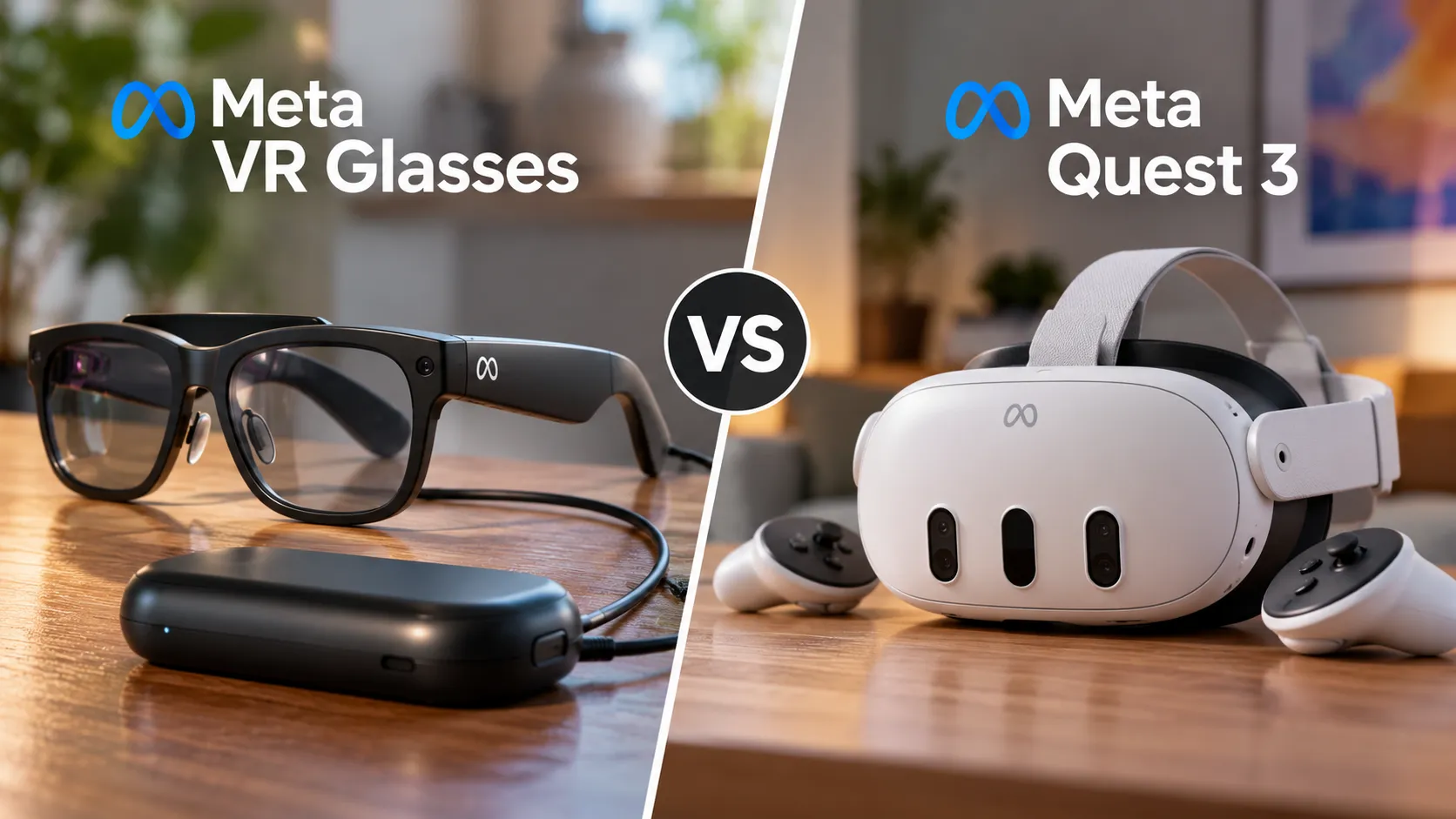
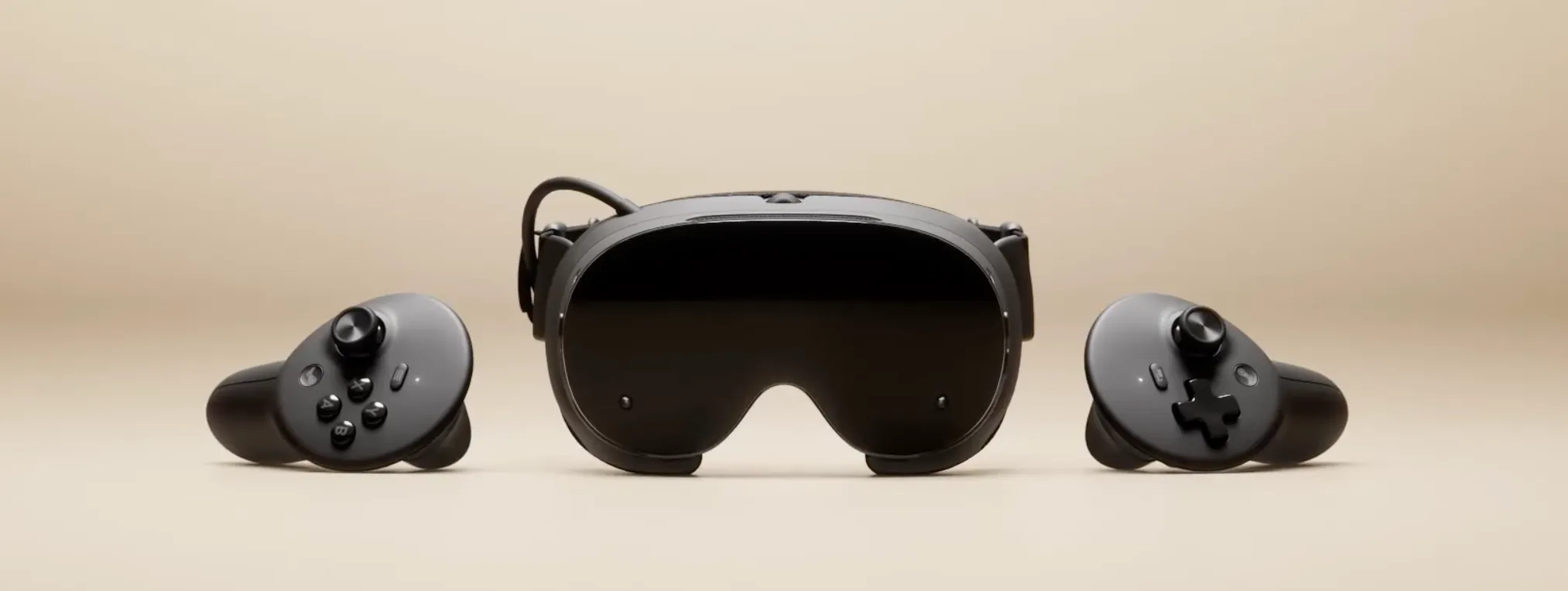
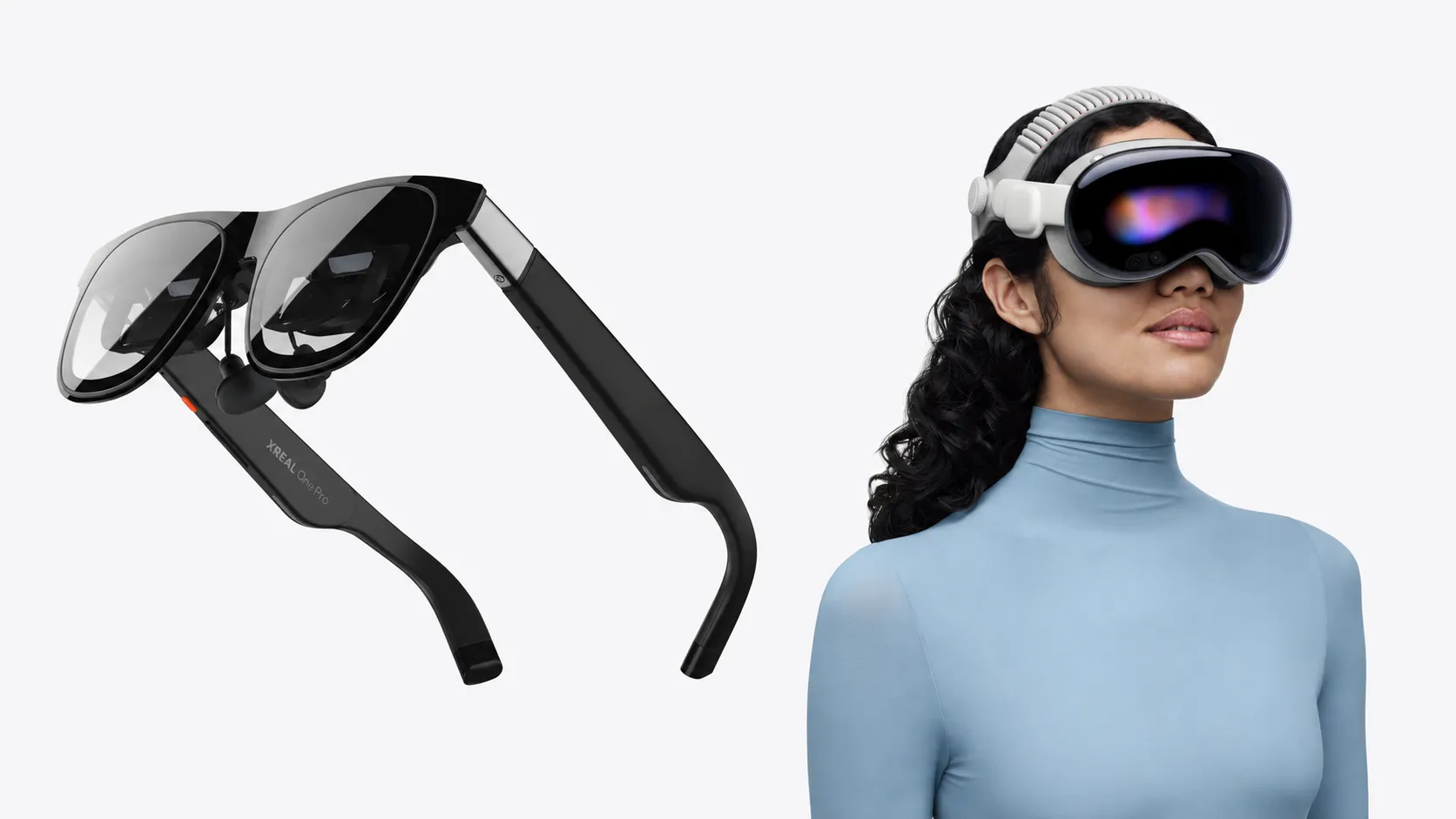
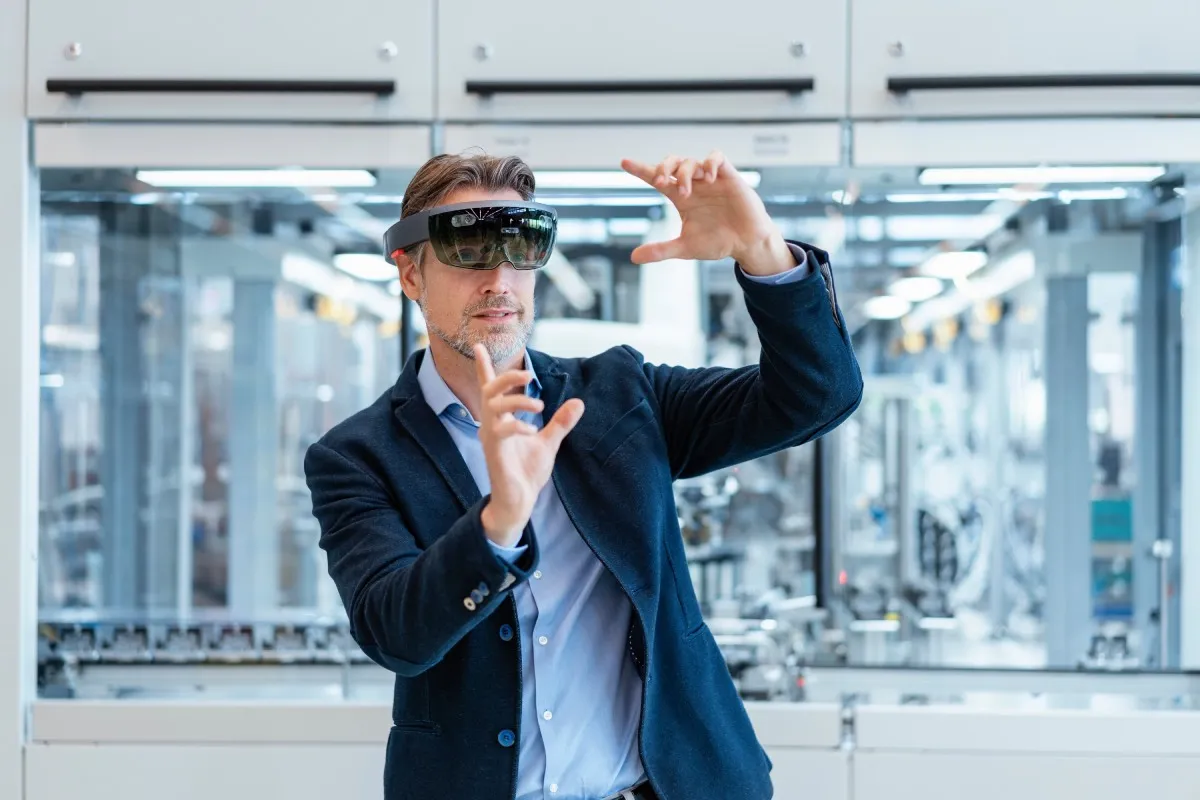
While Apple deliberates, competitors have advanced their mixed reality strategies with clearer positioning. Meta has committed fully to accessible consumer VR with Quest devices, accepting lower margins to build market share and developer momentum. Microsoft has doubled down on enterprise applications with HoloLens, creating specialized solutions for industrial and military customers. Apple's middle-ground approach risks ceding both markets to more focused competitors.
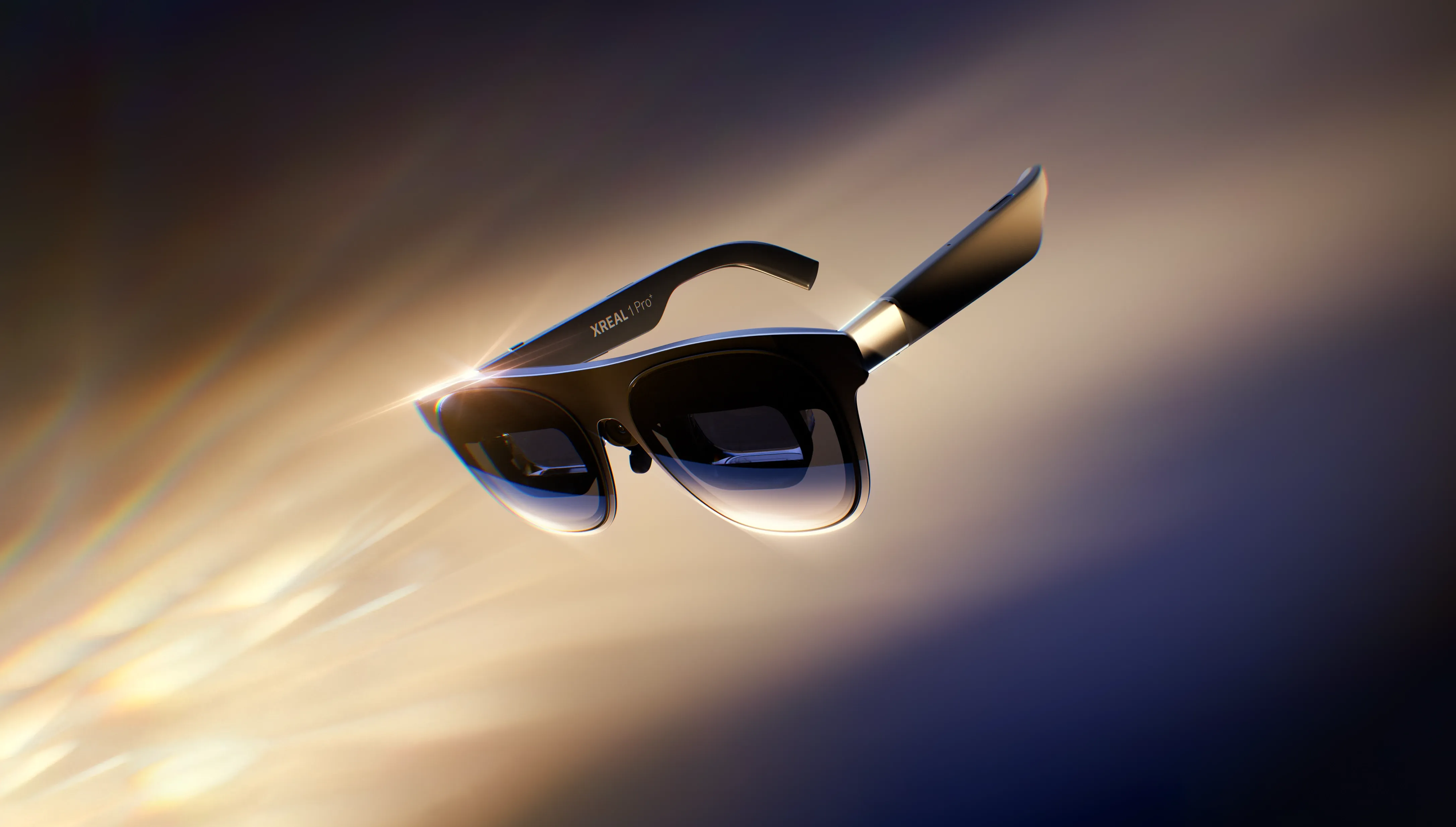
The technology itself continues evolving rapidly—lighter optics, more efficient processors, improved hand tracking—yet Vision Pro's static hardware means it falls behind the innovation curve. Competitors' willingness to iterate publicly, even with imperfect products, generates user feedback and developer engagement that Apple's perfectionist approach sacrifices. The mixed reality space may not reward Apple's traditional "wait until it's perfect" strategy.
Industry partnerships that could validate Vision Pro's enterprise potential have been surprisingly limited. Major software vendors haven't rushed to create visionOS versions of productivity tools, and corporate IT departments haven't embraced the platform as a standard deployment. Without these institutional endorsements, Vision Pro remains a curiosity rather than a category-defining product—and the window for establishing platform leadership may be narrowing as competitors build installed bases and developer ecosystems.
What two years of uncertainty reveals
The Vision Pro's second anniversary exposes fundamental questions about Apple's innovation process when entering truly novel categories. Unlike smartphones or tablets—where existing markets provided clear templates—spatial computing lacks established patterns to follow. Apple's indecision may reflect not internal confusion but the reality that mixed reality's mainstream moment hasn't arrived, regardless of hardware sophistication.
The device's technical achievements remain undeniable—industry-leading display quality, intuitive eye-tracking interfaces, seamless ecosystem integration—yet technical excellence hasn't translated to market clarity. Apple faces a choice: commit resources to subsidizing Vision Pro's growth through aggressive pricing and developer incentives, or acknowledge the platform as a long-term research investment without near-term mass-market expectations.
Two years in, Vision Pro serves as a reminder that even Apple can't force-create product categories through premium positioning alone. The company that taught the industry how to launch transformative devices now confronts the limits of that playbook when the underlying technology and market readiness don't align. Whether Vision Pro eventually finds its purpose or remains an ambitious experiment may depend less on Apple's decisions and more on whether spatial computing itself proves ready for the mainstream adoption Apple anticipated.
PRO TIP: For industry observers and investors evaluating Vision Pro's trajectory, watch three key indicators over the next 12 months: (1) whether Apple announces concrete hardware iteration plans, signaling commitment to the platform; (2) whether major enterprise software vendors (Adobe, Autodesk, Siemens) release full-featured visionOS applications, validating professional use cases; and (3) whether Apple adjusts pricing strategy, revealing whether they're prioritizing market share growth over margin preservation. These signals will clarify whether Vision Pro represents a long-term strategic bet or a contained experiment.


Comments
Be the first, drop a comment!